
What Temperature Should You Blanket a Horse? Clear Guidelines from the Barn
Hello fellow horse owners. That nagging doubt as you check the weather-to blanket or not to blanket-is a real sign of your care. Getting it wrong risks everything from a chilled, miserable horse to overheating and costly vet visits for things like rain rot or colic.
Let’s cut through the confusion. I’ll share the barn-tested principles I use, which go far beyond a single number on a thermometer. We will cover the key factors that dictate your horse’s true comfort.
You’ll get a straightforward look at:
- The baseline temperature where most horses benefit from a blanket
- How your horse’s coat, body weight, and health dramatically change that number
- Why wet weather and wind chill are the real game-changers
- A simple hands-on check to know if your choice was right
I’ve made these calls for years as a barn manager, keeping everything from fine-boned Thoroughbreds to sturdy Quarter Horses perfectly comfortable.
The Core Factors: More Than Just a Number
Deciding when to blanket isn’t as simple as checking a weather app. You must look past the number on the thermometer and see the whole picture of your horse and its environment. I’ve seen well-meaning owners over-blanket a sturdy draft and leave a shivering Thoroughbred wanting, all on the same chilly day.
Your Horse’s Natural Furnace
Think of your horse’s metabolism as its own heating system. Some models run efficiently on low, others are powerful gas-guzzlers. Assessing this internal furnace is your most critical blanketing skill. My old reliable Rusty maintains weight easily and radiates warmth, while Luna, my Thoroughbred, seems to burn calories just thinking.
Here’s what dampens or stokes that furnace:
- Body Condition: A round horse with good fat cover has built-in insulation. A lean horse will feel the cold faster.
- Age: Very young and senior horses often struggle to regulate temperature. Pipin, the pony, stays toasty, but ancient boarders need my watchful eye.
- Health & Diet: A horse in hard work or on ample calories generates more metabolic heat. A sick or underfed horse cannot.
- Coat Type: That winter fluff isn’t just for looks-it’s a marvel of natural insulation, trapping warm air close to the skin.
The Weather’s Nasty Tricks
Cold air is one thing, but combine it with wind or moisture, and you have a recipe for rapid heat loss. Wind chill is the silent thief of equine warmth, and a wet coat loses almost all its insulating power. I learned this the hard way watching Luna tremble in a cold rain after I misjudged a “mild” day.

Always consider these elements together:
- Wind: A 10 mph wind can make 35°F feel like 25°F to your horse. Sheltered turnout is a game-changer.
- Rain & Wet Snow: Soaking moisture flattens the coat, destroying the air pockets that hold heat. A waterproof sheet is crucial.
- Humidity: Damp cold penetrates deeper than dry cold. That foggy morning chill seeps into the bones.
- Acclimation: A horse gradually accustomed to falling temperatures will cope far better than one suddenly faced with a freeze.
Your Go-To Blanketing Temperature Guidelines
Use these charts as your starting point, but always let your horse’s behavior and comfort be the final judge. The best blanket is the one your horse doesn’t need because you’ve managed their environment and health so well, especially by providing adequate shelter and shade. I check for clues: are they huddled or relaxed? Is their coat piloerected (fluffed up) or smooth?
The Clipped Horse Rulebook
A clipped horse has lost its natural defense, so we must be more precise. For a fully clipped horse, I start thinking about a light blanket once the mercury dips below 50°F. Here’s my barn-tested framework:
- 50°F to 40°F: A light sheet (0-100 grams of fill). This is often just for wind or spray protection.
- 40°F to 30°F: A medium-weight blanket (150-250 grams of fill). This is our most used range for working clipped horses.
- 30°F to 15°F: A heavy-weight blanket (300+ grams of fill). Essential for severe cold, especially if paired with wind or damp.
- Below 15°F: Heavy blanket, and I seriously consider stable shelter or a warmer stall. Layer a liner if needed.
Remember, a trace-clipped horse (belly and neck) might only need the medium weight at the lower end of these ranges. Feel under the blanket at the withers regularly; it should be warm, not sweaty or cool.
The Fluffy, Unclipped Horse Guide
A healthy horse with a full winter coat is incredibly well-equipped. Over-blanketing them can cause overheating and mat that beautiful fluff. My rule is to often let the unclipped horse be, unless the weather plays truly dirty. Rusty, with his thick sorrel coat, often goes naked while the clipped boarders are bundled.
Guidelines for the au naturel horse:
- Above 30°F: No blanket needed for most. Their coat, when dry and fluffed, is sufficient.
- 30°F to 20°F: Consider a light, waterproof sheet if there is persistent rain, soaking wet snow, or heavy wind.
- Below 20°F with wet/windy conditions: A medium-weight blanket may be necessary. The combo of cold and wet overwhelms natural insulation.
- For seniors or hard keepers: Blanket at temperatures 5-10 degrees warmer than the guidelines above. Their furnaces need the help.
The ultimate test? Place your hand under the blanket at the midpoint of the rib cage after a few hours. If the skin feels cool, they might need more; if it’s damp with sweat, you’ve definitely overdone it.
Choosing Your Armor: Blanket Types and Weights
Lightweights, Mediums, and Heavyweights
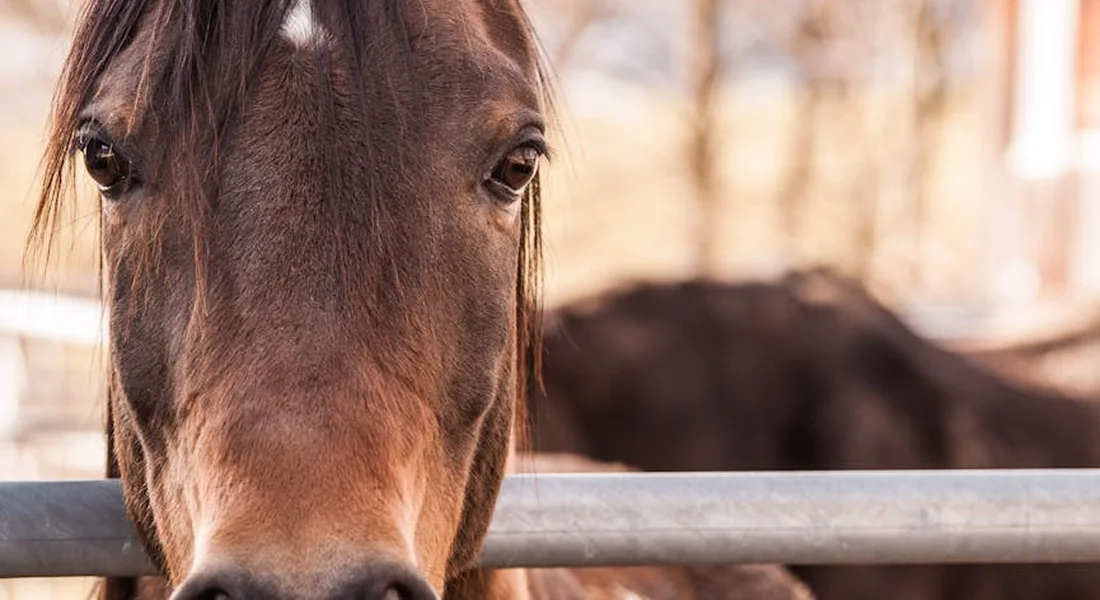
Think of blankets like your own closet: you have a raincoat, a fleece, and a puffy winter parka. A lightweight blanket is typically 0-100 grams of polyfill insulation. Use this for a crisp fall day, a sudden chill, or as a waterproof shell against driving rain. My Thoroughbred, Luna, often sports one in damp weather because her fine coat offers little natural barrier.
Medium weights range from 150-250 grams of fill. This is your workhorse for consistent cold, especially for a clipped horse or a leaner build. I reach for a medium when the thermometer dips below 45°F and the wind picks up, knowing it traps warmth without bulk.
Heavyweights pack 300+ grams of insulation for biting cold, often below 20°F. Reserve this for horses with no winter coat, seniors like my guy Rusty, or during icy storms where wind chill is a factor. Shetlands like Pipin? They rarely need more than a lightweight; their plush coats are nature’s superb insulation.
- Lightweight (0-100g): Wind/rain protection, slight chill, early autumn.
- Medium Weight (150-250g): Steady cold, clipped horses, or lean body types.
- Heavy Weight (300g+): Severe cold, very young or old horses, or animals with health conditions.
The Magic of Layering
Just like you might add a sweater under your coat, layering blankets gives you priceless flexibility. Start with a moisture-wicking liner against your horse’s skin; it pulls sweat away and adds a thin layer of air for warmth. I learned this with Luna, whose energy means she can work up a sweat even on a cold day. It’s one of the reasons why choosing the right blanket layers is so important.
Over that, you can add a medium or heavyweight shell. This system lets you adjust to temperature swings without changing the entire blanket. A layered approach is far better than one bulky, suffocating blanket that can’t adapt to your horse’s changing needs.
- Begin with a clean, dry wool or poly-fleece liner directly on the horse.
- Secure your primary turnout blanket over the liner, ensuring both fit smoothly.
- In extreme cold, a third, lightweight sheet can be added for extra air pockets.
The sound of multiple canvas layers rustling as Pipin trots off is a sure sign of a versatile system. Layering mimics how a horse’s own hair traps air, providing warmth without weight.
Fit, Safety, and Daily Checks
How to Spot a Perfect Fit
A blanket that rubs is worse than no blanket at all. The fit should be snug but never tight, allowing full range of motion at the shoulders and withers. You should be able to slide your flat hand easily under the blanket at the withers and across the chest. I check this every time I blanket Rusty, feeling for any pinch points.
Look for tailored darts at the shoulder and a deep enough chest buckle. The blanket should end mid-tailbone, not dragging on the ground or hiking up the back. Leg straps should cross and hang loosely, with enough room for two fingers between the strap and the inner thigh. A poorly fitted blanket will leave telltale rubs on the shoulders, chest, or hips, which can turn into painful sores.
- Chest: Buckles should meet with 3-4 inches of adjustability left.
- Withers: Ensure clearance; you shouldn’t see the blanket pressing down.
- Length: Cover the body to the tail, but not the tail itself.
- Straps: Surcingles and leg straps should be secure but not tight.
The Morning Ritual: Feel, Don’t Just Look
You can’t judge a blanket’s effect from the barn door. My first task every morning is to run my hands under each blanket, from chest to flank. I’m searching for damp warmth that indicates sweat, or cold spots that mean the blanket isn’t doing its job. Feeling is believing; a horse can be sweating under a blanket that looks perfectly fine from the outside.
Check for shifted blankets, twisted leg straps, or accumulated debris like shavings or mud. A quick daily feel-over prevents minor issues from becoming major health concerns like blanket rubs, chill, or overheating. With Luna, I pay extra attention to her shoulders and spine, where her sensitive skin shows irritation first.
- Unbuckle the chest and feel the base of the neck and withers for moisture.
- Slide your hand along the back and sides, noting any heat or damp patches.
- Inspect all straps for wear, tears, or improper positioning.
- Observe your horse’s demeanor; a cold horse may be hunched, while an overheated one will be lethargic.
The thud of hooves as Pipin walks over for his check reminds me that this ritual is about connection as much as care. This hands-on morning routine is your best defense against discomfort and a cornerstone of gentle, attentive horsemanship.
Special Cases: Who Needs Extra Attention?
The Senior Citizen
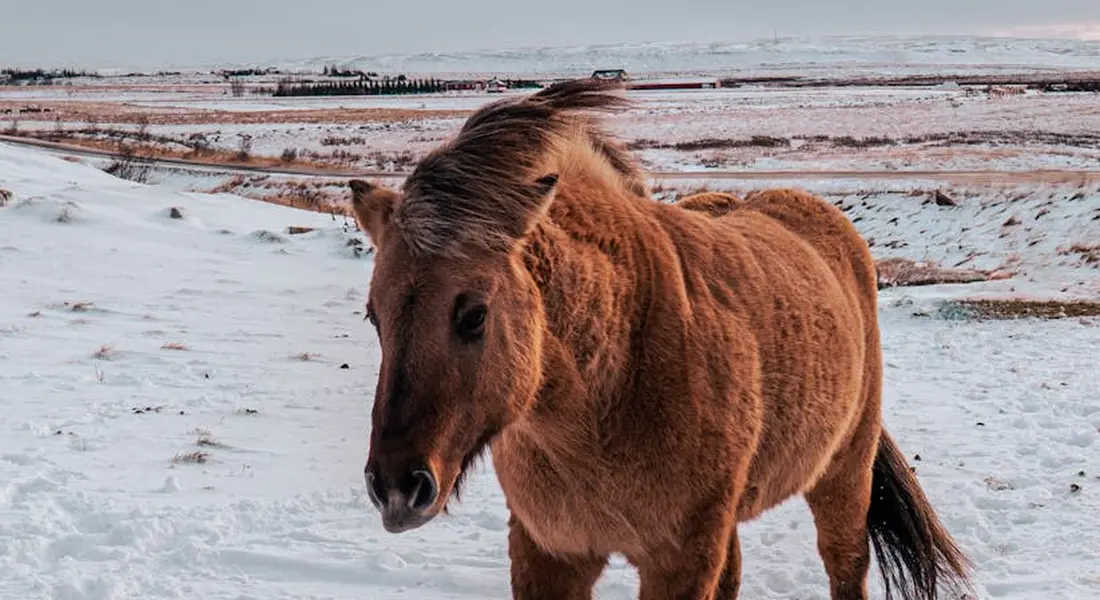
An older horse like my pony Pipin tells me a lot by how he stands in the field. His black coat might look thick, but I’ve felt him shiver on a 50-degree day when the younger horses are fine. Age often dulls a horse’s internal thermostat and thins their fat layer. For seniors, the blanket decision starts about 10 degrees warmer than for a fit middle-aged horse. I make a habit of running my hand along his spine and behind his withers each morning; if he feels cool there, it’s time for a light sheet. Do horses handle cold winter conditions as well as milder days? I’ll look into winter care signs and when blankets are needed in the next steps.
Digestion is another key factor. Many older horses struggle to pull nutrients from hay, leaving them with less fuel to burn for warmth. I keep a close eye on Pipin’s weight tape numbers and the quality of his manure. Adding a well-fitted blanket can conserve the calories they do take in, letting them use that energy for staying healthy instead of just staying warm. It’s a simple act of care that pays off in their overall condition.
Your routine check should include these points:
- Feel for cool spots along the topline and ribs, not just the ears.
- Monitor their shelter use; a senior who lingers in the run-in on mild days may be feeling the chill.
- Choose blankets with broader chests and lower necks for comfort, as old shoulders aren’t as flexible.
The Hard Keeper and The Rain Rot Patient
Some horses, like the Thoroughbred Luna, are walking calorie furnaces. Her sleek, dapple grey frame seems to radiate heat, but she can drop weight if a cold wind blows for three days straight. For these hard keepers, blanketing is less about absolute temperature and more about wind-chill and calorie budget. I blanket a fine-boned horse like her when it’s consistently below 45°F to prevent her from burning valuable fat reserves. It’s a preemptive strike against winter weight loss.
Then there’s the moisture trap. A horse with a history of rain rot, or one standing in a muddy, damp field, needs a different strategy. A waterproof but non-breathable blanket can create a sauna against their skin, which is a paradise for bacteria. The key is moisture management: use a breathable, waterproof turnout sheet and commit to taking it off every other day to let the skin dry fully. It’s also crucial to know how to blanket a wet horse safely for added protection. I learned this the hard way with a good-natured gelding who developed patches under his “protective” rug.
For these special cases, keep these hacks in mind:
- For the hard keeper, opt for a mid-weight blanket with good windproofing to create a still-air layer.
- For the rain rot risk, have multiple lightweight, breathable sheets so you can rotate them for washing and drying.
- Always feel under the blanket at the girth and shoulders; damp hair means you need a more breathable fabric or less coverage.
Navigating the Shoulder Seasons: Spring and Fall
The Art of Acclimation
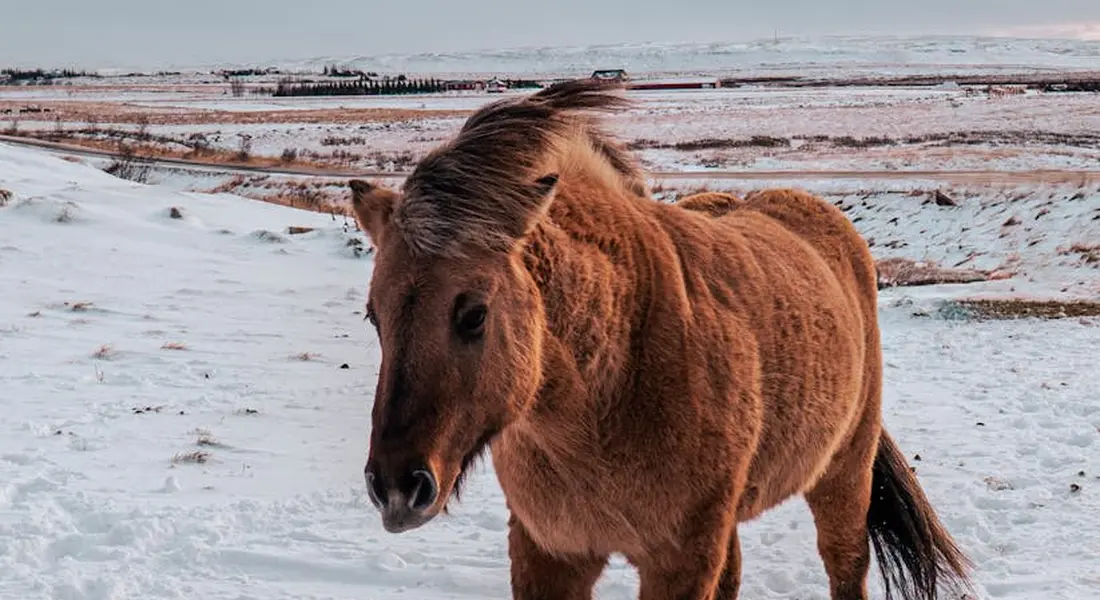
Spring and fall are not about the calendar date, but about the slow shift in your horse’s metabolism and hair coat. The first crisp morning in early autumn tempts you to reach for a blanket, but resist. Putting a blanket on too early tells their body to stop growing a winter coat, leaving them dependent on your wardrobe choices. I let Rusty, my stoic Quarter Horse, start growing his own insulation until overnight lows dip near freezing. An autumn horse care checklist helps you prepare the barn for colder weather—adjusting bedding, ventilation, and water access. It’s a practical guide for transitioning routines as the season shifts.
Acclimation works in reverse in the spring. That shaggy coat is a liability during a warm afternoon. The goal is to prevent sweating under a winter blanket, which can lead to chills. I start by switching my horses from a heavy to a medium blanket, then to a sheet, always checking for sweat marks at the end of the day. It’s a gradual stripping of layers, much like we do ourselves.
Follow this simple acclimation checklist:
- In fall, delay blanketing until your horse’s coat is fully in and temperatures are consistently at or below their comfort threshold.
- In spring, remove the blanket during sunny, mild days, but be ready to replace it if the temperature plummets at night.
- Use the “feel test” on the base of the mane or behind the elbow; sweat means too hot, a cold chill means too cold.
Managing the Fickle Forecast
Shoulder season weather is famously indecisive. One day it’s 65 and sunny, the next it’s 35 with sleet. Your blanket strategy needs to be just as flexible. I keep a rack in the tack room with three options: a waterproof sheet, a mid-weight turnout, and a liner for the heavy blanket. This lets me mix and match based on the morning’s radar forecast and the afternoon’s reality.
The biggest mistake I see is leaving a winter blanket on during a spring warm spell. The thud of hooves on soft ground is a sure sign it’s time to peel off layers. If you find your horse is sweaty at turnout retrieval, you’ve missed a critical window to adjust their comfort. For days when I’m not at the barn, I’ll use a lighter blanket than I think is needed, trusting their movement and shelter to keep them warm enough. It’s just one part of the care routine you need to master – especially when it comes to managing winter horse care, including blankets, feed, and exercise.
Build your forecast-management kit:
- A reliable weather app with hourly forecasts for your exact barn location.
- Multiple blanket weights that can be layered for unexpected cold snaps.
- A dedicated “blanket check” time in your evening routine to feel for moisture or chill.
FAQ: What Temperature Should You Blanket a Horse?
How accurate are horse blanket temperature charts, and should I rely solely on them?
Blanket temperature charts offer helpful baseline guidelines, but they are not infallible due to individual horse variations. Always prioritize your horse’s specific needs, such as coat density and health, over a generic chart. Combine chart recommendations with daily hands-on checks to ensure optimal comfort and avoid over-blanketing or under-blanketing. For a broader understanding, a complete temperature guide on how much cold horses can tolerate can provide deeper context when adjusting blankets. Use it alongside your daily checks to fine-tune blanket decisions.
Do I need different temperature charts for Fahrenheit and Celsius measurements?
No, the core blanketing principles are the same regardless of the temperature scale used; simply convert values appropriately (e.g., 32°F is 0°C). Focus on the horse’s behavior and environmental factors like wind and moisture, which matter more than the unit of measurement. Use charts as a reference, but adjust based on your horse’s response to ensure consistent care across any climate. For fit, you can follow a concise step-by-step blanket measurement guide. Accurate measurements help you choose the right size the first time.
How do blanketing guidelines adapt for harsh winters, such as in Canada?
In severe climates like Canada, emphasize wind chill and wet conditions, which can make temperatures feel much colder than the thermometer reads. Start blanketing at slightly warmer thresholds and consider heavier blankets or layering for added protection against prolonged cold. Regularly assess shelter access and monitor horses for signs of discomfort, as local weather patterns and acclimation are key to preventing cold stress.
From the Feed Room: Blanketing Wisdom
Let the thermometer guide you, but always factor in wind, rain, and your horse’s individual metabolism. Your hands are the best tool-check under the blanket at the shoulder and withers for dampness or chill to make your final call. Temperature extremes—too hot or too cold change what counts as safe riding conditions. Tailor ride length and pace accordingly to protect your horse.
Good horsemanship means taking that extra minute to ensure a secure fit and watching for rubbed hairs. The most important part of any care routine is learning to read your own horse’s clear signals.
Further Reading & Sources
- When to Blanket Your Horse – A Temperature Guide
- What weight of blanket do you use at what temperature? | The Horse Forum
- To Blanket or Not to Blanket | Total Equine Veterinary Associates’ TEVApedia
- The Ultimate Horse Blanketing Guide – SmartPak Equine
At Horse and Hay, we are passionate about providing expert guidance on all aspects of horse care, from nutrition to wellness. Our team of equine specialists and veterinarians offer trusted advice on the best foods, supplements, and practices to keep your horse healthy and thriving. Whether you're a seasoned rider or new to equine care, we provide valuable insights into feeding, grooming, and overall well-being to ensure your horse lives its happiest, healthiest life.
Equipment