
Genetic Horse Breeding: A Practical Guide for Responsible Owners
Published on: July 29, 2026 | Last Updated: July 29, 2026
Written By: Henry Wellington
Hello from the barn aisle. Maybe you’re staring at your lovely mare, wondering if she should have a foal, or perhaps you’re puzzling over a string of vet visits that feel connected. You’re not just thinking about cute baby pictures-you’re worrying about health, heartbreak, and your bank account.
Breeding is more than matching colors; it’s about stewarding the future. This guide will walk you through the real-world genetics every owner must consider. We’ll cover common hereditary disorders you can screen for, the pros and cons of linebreeding versus outcrossing, and how to use genetic testing before you ever book a stallion.
I’ve spent over fifteen years managing breeding operations and training young stock, where the rubber of genetics meets the road of daily care.
The Building Blocks of Equine Genetics
Genes, Alleles, and How Traits Are Passed Down
Think of a gene as a single instruction in a massive recipe book that makes your horse who they are. Each gene comes in different versions, called alleles, which are like slight variations in that recipe. When a foal is conceived, it gets one allele from the sire and one from the dam for every single gene, mixing the genetic instructions from both parents. This is why Luna, my sensitive Thoroughbred, has her dam’s fine bone structure but her sire’s powerful hindquarters.
Dominant vs. Recessive Alleles: The Basics
A dominant allele is the bossy recipe variation that shows up even if there’s only one copy. A recessive allele is shy; it needs two copies to be seen. For a simple analogy, imagine dominant black paint and recessive red paint. One drop of black mixed with red still gives you a black horse. You only get a red (sorrel) horse like Rusty when both alleles are the recessive red, with no dominant black to override them. This is why two bay horses can sometimes produce a chestnut foal-those hidden recessives finally paired up.
Understanding Heritability and Zygosity
Heritability is just a measure of how likely a trait is to be passed on. Conformation traits often have high heritability, while something like a specific gait talent can be more influenced by training. Zygosity sounds complex, but it’s simply whether an animal carries two of the same alleles (homozygous) or two different ones (heterozygous) for a gene. Knowing a horse’s zygosity is a breeder’s crystal ball; a homozygous black horse will always throw a black coat color, no matter who they’re bred to. I’ve seen this certainty simplify breeding decisions in our own barn.
Coat Color Genetics: More Than Just Pretty Markings
That stunning dapple grey on Luna or Pipin’s solid black coat aren’t random luck. They are the result of specific genes interacting in predictable ways. The grey gene, for instance, is dominant and causes progressive depigmentation, meaning almost any horse carrying it will eventually turn grey. Breeding for color without understanding the underlying genetics is how you end up with unexpected surprises, like a loud paint foal from two solid-looking parents. Here’s a quick look at how some common colors work:
- Base Colors: Black, bay, and chestnut are the foundations. Everything else is a modification.
- The Agouti Gene: This is what creates a bay by restricting black pigment to the points (mane, tail, legs).
- Dilution Genes: Genes like Cream (creating buckskins, palominos) or Dun lighten the base coat. One copy gives you a buckskin; two copies create a perlino.
I always advise breeders to love the horse first and the color second. Prioritizing a rare color over sound conformation or temperament is a fast track to problems in your breeding program, even if it’s the rarest breed or color.
Navigating Genetic Disorders: From HYPP to Lethal White
Common Inherited Diseases and Their Patterns
Some alleles carry instructions for disease, not just coat color. These disorders follow the same dominant or recessive inheritance rules. Responsible breeding isn’t just about producing pretty foals; it’s about actively screening to avoid passing on preventable suffering. The peace of mind from knowing you’ve done your genetic homework is worth every penny.
HYPP, HERDA, and SCID: What Breeders Must Screen For
- HYPP (Hyperkalemic Periodic Paralysis): A dominant disorder linked to certain Quarter Horse bloodlines, causing muscle tremors and weakness. Because it’s dominant, a single affected parent means a 50% chance of passing it on-testing is non-negotiable.
- HERDA (Hereditary Equine Regional Dermal Asthenia): A recessive condition in Quarter Horses where the skin is fragile and tears easily. Both parents must carry the recessive allele for a foal to be affected.
- SCID (Severe Combined Immunodeficiency): A recessive disorder in Arabians where foals are born with no immune system. Carriers are healthy, but breeding two carriers has a 25% chance of producing a foal that will not survive.
Lethal White Syndrome and Other Recessive Risks
Lethal White Syndrome occurs when a foal is born homozygous for the frame overo paint pattern gene. These foals are white and have an underdeveloped digestive tract, which is fatal. This is a classic example of a recessive disorder where both parents are healthy carriers (heterozygous), appearing as normal painted horses, but they can produce an affected foal. Other recessive risks include diseases like GBED (Glycogen Branching Enzyme Deficiency) in Quarter Horses and PSSM1 (Polysaccharide Storage Myopathy) in many draft breeds. The common thread is that carriers show no signs, making DNA testing the only reliable safeguard. For a deeper dive, the Lethal White Syndrome horses complete guide offers a comprehensive overview of diagnosis, prognosis, and breeding decisions. It translates genetic risk into practical steps for breeders and owners.
The Critical Role of Equine DNA Testing
Modern DNA testing is a game-changer, moving breeding from guesswork to informed strategy. It’s as routine as vaccinating. You simply mail in a few tail hairs or a blood sample. A comprehensive panel can tell you if your mare is a carrier for multiple disorders, her color genetics, and even certain performance traits. I use these tests before every breeding decision at our farm. It allows us to pair carriers with clear horses to ensure we never produce an affected foal, gradually removing harmful genes from the line while preserving everything else we love about the horses. This proactive care is the ultimate act of respect for the next generation of horses we bring into the world.
Breeding Strategies: Inbreeding, Linebreeding, and Outcrossing
Defining the Strategies and Their Impacts
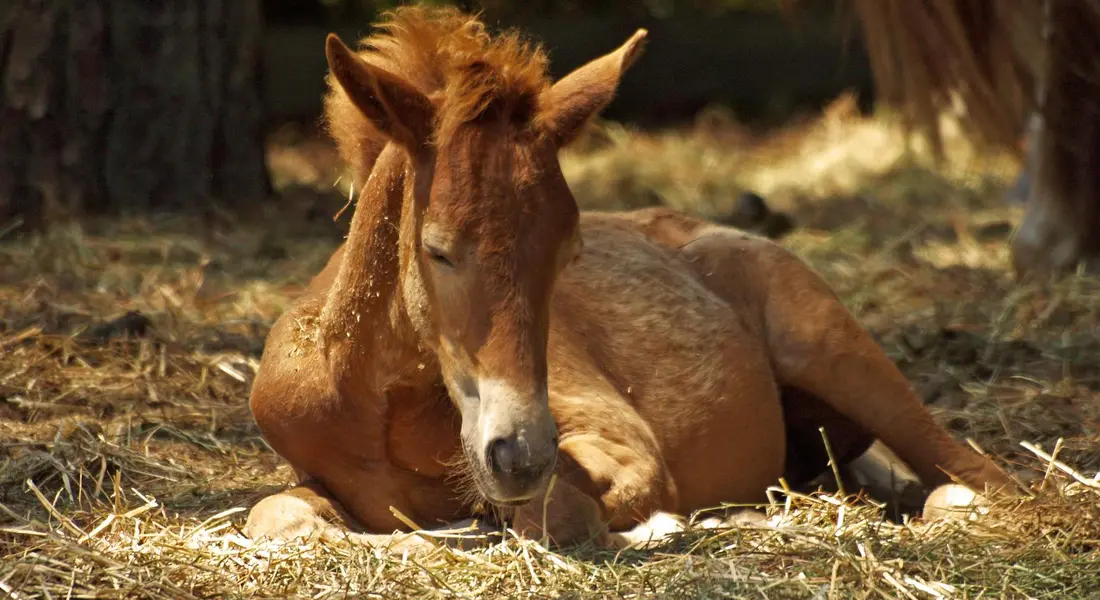
Imagine you’re mixing your horse’s feed; breeding strategies are similar. Inbreeding mates very close relatives, linebreeding targets a specific ancestor, and outcrossing brings in unrelated lines. Understanding the reasons for breeding helps you decide which method fits your goals. Breeders often seek improved temperament, conformation, or performance while maintaining genetic health. Your choice directly shapes the foal’s health, temperament, and future soundness, so treat it with the same care as fitting a saddle. Each method has a distinct footprint in the barn, influencing everything from vet visits to pasture dynamics.
When Linebreeding Tightens Desirable Traits
Linebreeding seeks to replicate a celebrated ancestor in the pedigree. I managed a gelding whose dam and grandam were daughters of the same foundation sire, a deliberate move to cement his quiet demeanor. This approach can intensify wanted features like a strong topline or a willing attitude, but it also narrows the genetic field. You must know the ancestor’s full story, not just his show record, including any hidden health quirks.
- Common Pattern: Breeding cousins or half-siblings that share a prized grandparent.
- Stable Reality: Linebred horses often benefit from ample daily turnout to express natural behaviors and offset any conformational stiffness.
- Watch For: Recessive genetic issues that might surface when you double up on certain genes.
The Outcrossing Approach for Genetic Diversity
Outcrossing introduces entirely new bloodlines. Think of it as adding a new herdmate to the pasture; it shakes up the social and genetic order. This strategy builds hybrid vigor, often resulting in tougher hooves and more robust immune systems. I’ve watched outcross foals, like a draft-cross born in our barn, bounce back from weather changes that left more finely-bred horses sniffly.
It’s the difference between Luna’s refined sensitivity and Rusty’s hardy resilience. Outcrossing prioritizes long-term vitality over predictable looks, a core principle of equitable welfare. You trade the certainty of a specific color or head shape for a horse built to enjoy a long, active life.
Weighing the Risks of Inbreeding Depression
Inbreeding depression is the slow creep of reduced fitness. It shows up as lower fertility, weaker foals, and fragile health. I’ve cooled out horses after light work who were products of tight inbreeding, and their quick fatigue was a palpable warning in the quiet of the arena. The goal is to hear the steady thud of strong hooves on clay, not the hesitant step of a compromised animal.
- Calculate Conscientiously: Keep the inbreeding coefficient under 10% for most pleasure and sport breeds.
- Health Over Hype: Never breed from an animal with a known heritable defect, even if it’s a champion.
- Advocate for Soundness: Gentle horsemanship means breeding horses that can mentally and physically handle a life of pasture play and partnership.
Decoding Pedigrees and Progeny Testing
How to Read a Pedigree for Sire and Dam Lines
A pedigree chart is a family tree written in shorthand. The sire’s line often influences athletic structure and movement, while the dam’s line carries nuances of temperament and durability. Your job is to look for the repetition of names and the glaring absences, which tell the real tale. I spread pedigree papers on the tack trunk, the scent of leather and liniment mixing with the history in the lines.
- Sire Line Clues: Look for consecutive generations of performance horses; this suggests inherited ability.
- Dam Line Details: Note the lifespan and produce records of the mares; longevity is a priceless trait.
- Barn Hack: Cross-reference every name with genetic disease databases, not just trophy lists.
Evaluating Breeding Value Beyond the Paper
Pedigrees frame the picture, but the living horse fills it in. Pipin, our Shetland, had an unassuming pedigree but a problem-solving brain that made him priceless. You must assess the candidate’s whole being: watch how it stands square on gravel, listen to its breathing after a trot, and note its curiosity when you rustle a hay net.
Always observe a potential breeding horse during turnout; a horse that moves freely and socially in the herd is advertising good genetic stock. This hands-on evaluation advocates for the animal’s innate welfare, ensuring you’re breeding for a sound mind in a sound body.
The Proof is in the Progeny: Testing Offspring
Progeny testing cuts through the pedigree promises. How do a stallion or mare’s previous foals actually fare? Look for consistency across different mates and environments. One superstar foal can be an anomaly, but a dozen steady, serviceable offspring indicate reliable genetics. I track the babies from our old schoolmaster, and their success as calm trail mounts proves more than any shiny plaque.
- Seek Diverse Success: Evaluate offspring in various roles-show ring, therapy work, or family riding.
- Monitor Health Trends: Are there common issues like tendon weakness or metabolic challenges among the get?
- Temperament is Key: A sire like Rusty, who stamps his foals with patience, adds immense value to any breeding program focused on partnership.
Breeding for Traits: Performance, Conformation, and Color
Walking the barn aisle, you see a powerhouse draft cross, a refined show jumper, and a flashy paint. Each was bred for a purpose. Deciding which traits to pursue in your breeding program is the heart of the matter, and it requires more than just picking pretty pictures.
Prioritizing Health and Function Over Color
I’ve seen more than one person choose a stallion solely for a stunning color pattern, only to be heartbroken by a foal with mismatched legs or a breathing issue. Color is a single gene billboard; it tells you nothing about the soundness of the engine underneath. Your primary selection criteria must always be structural correctness, a clean genetic health panel, and a proven temperament that fits your goals. A correct, kind horse of a common color is infinitely more valuable than a brilliantly colored one with chronic lameness. Different breeds offer distinct color patterns and appearances, which can inform your eye but should not substitute for assessing breed-typical conformation or health. If you’re curious, breed color profiles can illustrate how coat colors map to different breeds without implying superior soundness.
Think of it this way: you can’t ride color. You ride bone, muscle, heart, and mind. Breeding for a specific color, like frame overo, carries the lethal white foal risk. That’s a welfare issue, not an aesthetic choice.
Polygenic Traits and the Role of Epistasis
Most of what we care about in horses-athleticism, bone density, certain aspects of temperament-are polygenic. They’re controlled by many genes working together, like a recipe needing dozens of ingredients. This is why breeding two fantastic jumpers doesn’t guarantee a Grand Prix foal; you’re shuffling thousands of genetic cards.
Then there’s epistasis, where one gene masks or modifies another. It’s the genetic wild card. A gene for great hoof hardness might be silenced by another gene elsewhere. This complexity is why consistency across generations is hard-won. This genetic interplay is the reason we look at pedigree and progeny, not just the individual; it gives us a clue to how those hidden genes might be playing out.
Setting Realistic Goals for Performance Genetics
Breeding an Olympic prospect requires specific, stacked genetics for gait, power, and mentality. Breeding a reliable trail horse like my old Rusty requires different priorities: stamina, a calm mind, and tough feet. Be brutally honest about your goals and environment—whether you’re aiming for racing, endurance, or leisure riding.
- For Disciplines: Seek proven performance lineages. A dressage sire’s progeny winning at Prix St. Georges matters more than his show record alone.
- For Conformation: Breed away from weaknesses. A mare with a slightly long back should be paired with a stallion known for short, strong toplines.
- For Temperament: This is highly heritable. A nervous, reactive mare like Luna needs an exceptionally calm and confident partner to improve the odds of a sensible foal.
You are not just breeding a foal; you are breeding a future 20-year responsibility. Set your goals accordingly.
The Modern Toolbox: Genetic Testing and Selection
We’ve moved far beyond guessing games. Today’s genetic tests are like getting a blueprint of your horse’s potential health and traits. It’s the most responsible step a breeder can take.
From Carrier Status to Genomic Selection
Basic testing identifies carriers of recessive disorders like HERDA (in Quarter Horses) or PSSM1 (in many stock and sport breeds). Two carriers bred together have a 25% chance of producing an affected foal. Testing lets you avoid this.
Now, genomic selection uses thousands of markers to predict genetic merit for complex traits. While more common in cattle, it’s emerging in sport horses. This doesn’t replace good judgment, but it adds a powerful layer of data to your selection process, potentially reducing the number of generations needed to fix a desirable trait.
A Step-by-Step Guide to Using DNA Test Results
- Test Both Mares and Stallions: Before you even consider a breeding match, have both parties tested for all recommended disorders for their breed.
- Interpret with a Veterinarian: A clean “N/N” (non-carrier) result is ideal. A “N/H” (carrier) horse can be bred to an N/N mate with zero risk of an affected foal. Carrier status alone is not a reason to exclude an otherwise exceptional animal.
- Factor it Into Pairing: An ideal pairing balances conformation, performance, AND genetic health. Your brilliant stallion who is a carrier for a minor condition should be bred to a clean-tested mare.
- File and Disclose: Keep records. Ethical breeders transparently share genetic test results with potential buyers.
Marker-Assisted Selection in Practical Breeding
Let’s say you want to improve hoof health in your line. Certain genetic markers are associated with better hoof wall integrity. You can test your mare and potential stallions for these markers. It’s a targeted tool. I used a simple trait test on Pipin, the Shetland, out of curiosity; it confirmed his genetic predisposition for that sturdy, dense pony hoof. Beyond hoof health, those physical traits affect lifespan and health. Conformation and trait-related stresses may affect longevity and welfare. It’s useful information if I were ever to breed him.
This approach lets you make incremental, measurable progress, especially for traits that are difficult to judge in young animals before years of training reveal weaknesses. You’re using science to stack the deck in your foal’s favor for a healthy, functional life.
Preserving Genetic Diversity for Future Generations
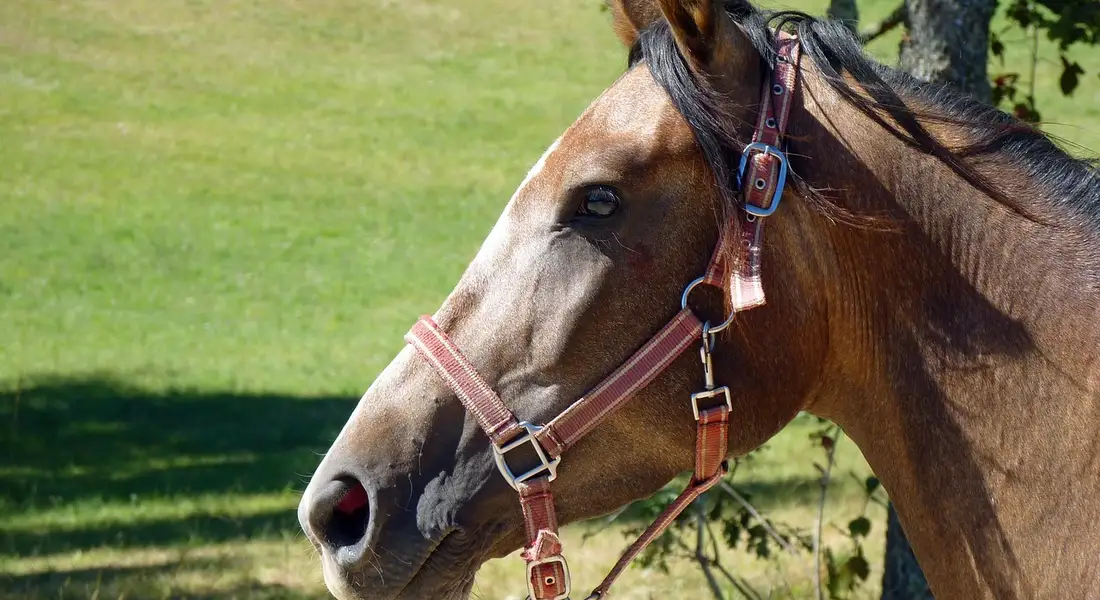
Think of a herd’s gene pool like a giant toolbox. The more different tools you have, the better you can fix any problem that comes up. Breeding for a single “perfect” look shrinks that toolbox down to a single, worn-out screwdriver. It might work for one job, but it leaves you helpless for everything else. I’ve seen barns where every horse starts to look and move the same, and that’s often when the mysterious health issues begin. That’s why I always advise clients to be cautious when selecting breeds for specific traits.
Why Genetic Diversity is a Herd Health Issue
This isn’t just about avoiding rare genetic diseases. It’s about overall hardiness. A genetically narrow population is more vulnerable to everything. Their immune systems can become less robust, making them more susceptible to everyday viruses. They might have poorer fertility or weaker hooves. When you prioritize diversity, you are breeding for a resilient constitution, not just a pleasing silhouette. It’s the difference between a hardy native shrub and a high-maintenance greenhouse orchid.
Inbreeding depression is the real-world cost of a shallow gene pool. It doesn’t always mean a dramatic defect at birth. It can show up as reduced growth rates, lower fertility, or a general lack of “thriftiness.” A horse that needs constant coddling to stay healthy is often a sign of genetic wear and tear.
Managing Recessive Alleles in a Breeding Program
Most devastating genetic disorders are recessive. This means a horse can carry the gene for a problem without showing it. The danger explodes when two carriers are bred together. Modern genetic testing is our most powerful tool here, but it requires honest application.
Let’s take Overo Lethal White Syndrome (OLWS) in Paint horses as a classic example. The gene responsible also creates beautiful white markings. Breeders liked the look, so they selected for it, unknowingly spreading the lethal allele. Today, testing a breeding pair for OLWS is a non-negotiable act of responsibility, showing that fancy color is never worth betting on a foal’s life.
Managing recessives requires a studious approach:
- Test your breeding stock for known disorders in your breed.
- Do not breed two carriers of the same detrimental gene together, even if the animals are “perfect” in other ways.
- Keep meticulous records. That lovely mare you sold could be a carrier; providing her new owner with her genetic profile is part of your due diligence.
Long-Term Planning for a Sustainable Gene Pool
This is where breeding shifts from a business transaction to a legacy. It means sometimes making the harder, more expensive choice for the benefit of the breed in 50 years. It requires looking beyond the current show ring fads.
One of the smartest strategies is strategic outcrossing. This means introducing an unrelated bloodline from within the breed, or in some registries’ cases, a carefully chosen different breed, to inject new vigor. The goal is to maintain breed type while improving genetic health. I admire breeders who use a talented “outcross” stallion and then meticulously track the health and performance of his offspring for generations.
Long-term planning means valuing proven, sound horses of moderate type over unproven extremes, because moderation is often where lasting durability lives. Support breed registries that encourage genetic research and allow for responsible outcrossing to maintain diversity. Our choices today determine whether the horses of tomorrow have a full toolbox or are left trying to fix complex problems with that one, worn-out screwdriver.
Frequently Asked Questions about Genetic Considerations in Horse Breeding
How do horse breeding genetics in video games compare to real-life equine genetics?
Video games often simulate genetics through simplified models, focusing on visible traits like coat color using basic dominant and recessive rules without polygenic complexity. They typically omit critical real-world factors such as heritable health disorders, conformational soundness, and the ethical need for DNA testing. While games can introduce foundational concepts, they lack the depth required for responsible breeding decisions in actual horse care.
Can Minecraft horse breeding teach me about real horse genetics?
Minecraft breeding mechanics randomly combine parent traits for colors and markings, reflecting elementary Mendelian inheritance but not realistic genetic diversity or disease risks. It may spark initial interest in heredity, yet it ignores vital aspects like carrier status for disorders, the impact of inbreeding, and the importance of progeny testing. For practical knowledge, always consult veterinary resources and genetic testing rather than relying on game simulations.
What should I know about realistic horse genetics breeding mods or guides for games?
Mods or guides that add realistic genetics to games may include more traits and inheritance patterns, but they remain simplifications and often overlook real-world nuances like epistasis or long-term herd health. They can serve as engaging educational tools to grasp basic principles, but they should not substitute for professional advice or accredited equine science in breeding programs. Use them cautiously as a supplement, prioritizing verified information for actual horse welfare, as found in horse breeding fundamentals.
Choosing With Care and Conscience
Start your breeding plan by researching the specific genetic history and known health risks within your chosen breed or bloodline. Always prioritize a veterinary exam, including any recommended genetic tests, over a pedigree’s prestige.
This journey demands patience and a deep commitment to the animal’s lifelong welfare, not just the excitement of a foal. The most important genetic trait you can cultivate is a willingness to listen to what your horse is telling you.
Further Reading & Sources
- Horse Genetics Explained – AQHA
- Horse breeding – Wikipedia
- Breeding & Genetic Inheritance – CTS Courses
- Expert Guide to Horse Breeding Methods for Better Performance
At Horse and Hay, we are passionate about providing expert guidance on all aspects of horse care, from nutrition to wellness. Our team of equine specialists and veterinarians offer trusted advice on the best foods, supplements, and practices to keep your horse healthy and thriving. Whether you're a seasoned rider or new to equine care, we provide valuable insights into feeding, grooming, and overall well-being to ensure your horse lives its happiest, healthiest life.
Choosing the Right Breed