
What Horses Do as Pets: Your Guide to Daily Joy and Responsible Care
Hello fellow barn friends! Considering a horse as a pet but feeling overwhelmed by the commitment or unsure what they actually do? You might be worrying about time, cost, or if you can provide a good life-these are all smart, valid concerns.
In this article, we’ll walk through the heart of equine companionship. We’ll cover:
- The unique emotional bond and quiet companionship horses offer
- Their daily routines, from the crunch of morning feed to the bliss of pasture time
- Rewarding activities you can share, far beyond just riding
- How to prioritize their welfare through gentle handling and abundant turnout
I’ve spent years in the barn as a manager and trainer, learning from every horse in my care, from my reliable old soul Rusty to my clever pony Pipin, and I’m here to share that real-world perspective with you.
The Heart of the Matter: Horses as Sentient Companions, Not Just Pets
Thinking of a horse like a very large dog is a common starting point, but it’s a comparison that quickly falls apart at the fence line. A dog’s world revolves around its human family. A horse’s world revolves around its herd, its feet, and its forage. You become a part of that world through consistent, quiet partnership, not simply ownership.
Beyond Dog Parks: Understanding Equine Social Needs
Solitude is a form of punishment in the equine world. Horses are prey animals wired for collective security. A horse living alone is a stressed horse, and that stress manifests in weaving, cribbing, or anxious calling. Providing a pasture buddy-another horse, a donkey, or even a calm goat-isn’t a luxury; it’s a core requirement for their mental well-being. I’ve watched Luna, my sensitive Thoroughbred, transform from a tense boarder to a relaxed mare simply by being turned out with steady old Rusty. Her entire posture softened.
Their social language is silent and nuanced. It’s in the way they stand head-to-tail swishing flies from each other’s faces, or the gentle squeal and pinned ears that establish morning greetings. When you understand this, you stop seeing the herd as a convenience and start seeing it as the foundation of your horse’s sanity.
The Barn Bond: How Time Spent Together Builds Trust
The bond isn’t forged in the saddle. It’s built in the quiet, mundane moments. It’s the hour you spend brushing without an agenda, listening to the steady crunch of hay. Trust accumulates in the repetitive safety of daily routines: you become the person who brings food, who provides scratches in the itchy spots, and who never causes surprise or pain. Over time, this creates a strong bond and earns your horse’s trust. That bond becomes the foundation for a confident, cooperative partner in the saddle. This is how you build a relationship with a 1,200-pound flight animal.
My old gelding, Rusty, knows the sound of my truck. He doesn’t come running for a treat; he ambles over because my presence usually means a good scratch or a leisurely groom. That reliable, predictable interaction is the currency of our partnership. It turns you from a rider into a recognized and welcome member of their extended herd.
The Daily Grind: Non-Negotiable Care for a Pet Horse
This is the unglamorous backbone of horse ownership. Rain, shine, or sleet, the clockwork of care never stops. It’s physical, it’s constant, and it’s where your commitment is truly tested.
Morning Chores: Feed, Water, and Turnout
The barn morning is a sensory symphony: the thud of hooves on bedding, the smell of fresh hay, the quiet nickers. This ritual sets the tone for the entire day.
Step 1: The Feed Room Ritual
Breakfast isn’t one-size-fits-all. My trio gets three different meals. Rusty, an easy keeper, gets a flake of grass hay. Luna, a harder keeper, gets a measured scoop of a fat-and-fiber pellet with her hay. Pipin, the pony, gets a handful of senior feed to hide his supplements-because he’s crafty. You must feed by weight and condition, not by heart, to prevent obesity or deficiency. Water buckets are scrubbed and refilled completely, every single day. A horse can survive days without food, but not without water.
Step 2: The Joy of Turnout
This is my non-negotiable. Unless weather is dangerous, the horses go out. Period. Turnout is for movement, grazing, and socializing-the holy trinity of equine health. Watching your horse roll, graze, and trot off with a buddy is the best confirmation you’re meeting their most basic needs. Check fencing every morning. I learned this the hard way the day Pipin, our Shetland escape artist, found the one loose board and led a jailbreak to the rose bushes.
Afternoon and Evening Duties: Grooming, Stall Cleaning, and Health Checks
The afternoon shift is about maintenance and connection. It’s when you slow down and really look at your horse.
The Grooming Session as a Bonding Tool
Grooming is your daily hands-on health scan and your primary bonding activity. Start on the left, near the shoulder. Run your hands over every inch. You’re feeling for heat, swelling, ticks, or new lumps. You’re listening to the skin. A sharp flinch near the girth area might indicate a ulcer. A sticky residue on the coat could signal a fever. Your curry comb and brush are diagnostic tools as much as they are for cleaning. Pay attention to how your horse reacts. Luna loves a face massage, while Rusty leans into the curry comb like a cat.
Manure Management: The Unglamorous Essential
Mucking out is a workout and a science. You remove the wet, ammonia-producing bedding (the pee spots) and the manure. You leave the clean, dry hay. A clean stall prevents thrush in the hooves and respiratory issues from inhaled ammonia. A well-maintained stall is the first line of defense against a huge number of preventable health issues. I do a full stall clean in the afternoon, and a quick “pick” in the morning, ensuring they have a clean place to stand every night. The pile of manure is also a health report-changes in consistency are often the first sign of trouble.
Sharing Your Life: Activities You Can Do with a Pet Horse
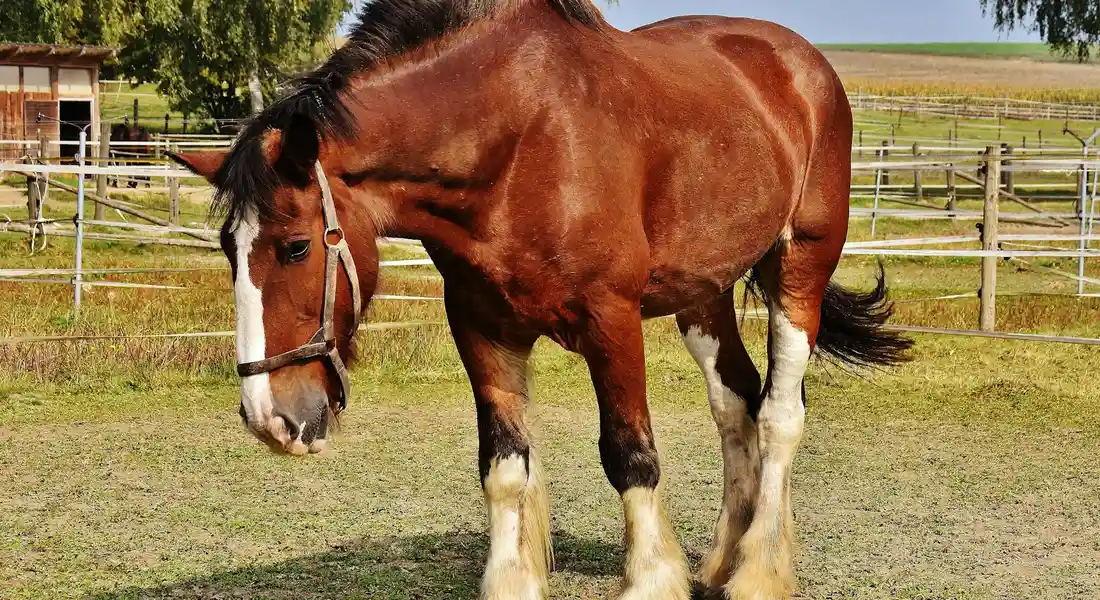
Owning a horse isn’t a spectator sport. The real magic happens in the shared moments, the quiet conversations, and the mutual trust built through time together. This is where “pet” transforms into “partner.”
Riding for Pleasure: Trails, Arenas, and Simple Joy
You don’t need to be prepping for the Olympics. The best rides are often the simplest ones. A meandering trail ride where you listen to the birds and the steady thud of hooves on dirt is pure therapy for both of you. I’ve spent countless hours on Rusty, our Quarter Horse, exploring woods and fields. His reliable nature turns a ride into a decompression session.
Even in an arena, focus on enjoyment. Practice soft bends, smooth transitions, or just walk on a loose rein while you unwind from your day. The goal is connection, not perfection, and a happy, relaxed horse is always the most rewarding ride.
- Trail Riding: Start slow on familiar paths. Let your horse look at scary things (like that suspicious log). Pack treats and make it a positive adventure.
- Arena Work: Set small, achievable goals. Ten minutes of focused walking and trotting beats an hour of frustrated circles.
- Safety First: Always wear a helmet. Tell someone where you’re going on trails. Check your tack for wear before you mount.
Groundwork and Liberty: Communication Without a Saddle
Some of my most profound lessons have happened with my feet firmly on the ground. Groundwork-teaching your horse to move their feet in response to gentle pressure-is the grammar of your shared language. It builds respect without intimidation.
With Luna, our sensitive Thoroughbred, groundwork was our bridge. Asking her to yield her hindquarters or back up softly taught her to listen to my energy, not just brace against pressure. Liberty work takes this further, removing all ropes. When a horse like Luna chooses to follow you in a round pen, matching your gait and stopping when you stop, you feel a trust no bit or rein can create.
- Start with basic yielding exercises: forequarters, hindquarters, and backing up.
- Use a rope halter and lead for clear, gentle pressure cues.
- Keep sessions short (5-15 minutes) and end on a good note with a scratch or treat.
- Progress to liberty in a safe, enclosed space only after mastering basics.
Creative Enrichment: Tricks, Obstacles, and Play
Horses are curious and get bored. Enrichment activities stave off stall vices and spark their brains. Pipin, our Shetland pony, is a trick-training genius. Teaching him to “smile” or lift a hoof on cue is a game that makes him puff up with pride.
You can build a simple obstacle course with poles, cones, and a tarp. Ask your horse to walk over a pole, around cones, and maybe even stand on the tarp. Go at their pace. This isn’t about performance; it’s about problem-solving together and breaking the monotony of their day. The click of a hoof on a plastic tarp or the careful sniff of a new cone provides mental stimulation they crave.
- Simple Tricks: Target training (touch a cone), “shake,” or bowing are great starters. Use positive reinforcement with their favorite treat.
- DIY Obstacles: Use pool noodles, traffic cones, and wooden poles. Always ensure materials are safe and won’t splinter.
- Play: Some horses love to push a big exercise ball. Others enjoy having their withers scratched with a grooming mitt. Learn what makes your horse brighten up.
Foundations of Health: Veterinary and Hoof Care for the Pet Owner
Think of this not as a chore list, but as the non-negotiable foundation of your horse’s wellbeing. Preventing problems is always easier, cheaper, and kinder than treating them. By prioritizing preventive routines, you save money without compromising health. Smart, proactive care now pays off with fewer vet bills and better long-term wellbeing.
Partnering with Professionals: Your Vet and Farrier
These are your two most important allies. I view my vet and farrier as consultants, not just service calls. A good vet explains the “why” behind vaccines and listens to your concerns. A good farrier educates you on your horse’s hoof health each visit.
Find professionals who advocate for the horse. I once had a farrier spend ten minutes showing me how Pipin’s toe was getting too long, explaining how it would affect his movement. That kind of transparency turns a trim into a lesson and empowers you as an owner. Be there for appointments, ask questions, and follow their advice.
The Preventative Care Calendar: Vaccinations and Deworming
This isn’t a one-size-fits-all schedule. Your vet will tailor a plan based on your location, your horse’s age, and their risk factors. Core vaccines like Eastern/Western Encephalomyelitis, Tetanus, and Rabies are typically annual. For a more detailed overview, check out the complete vaccination schedule and guide.
Deworming has moved away from the old “paste-every-two-months” routine. Most vets now recommend a fecal egg count test to see if your horse even needs deworming, which helps prevent parasite resistance. Strategic, evidence-based deworming protects your horse’s gut health and the efficacy of the medications we have.
- Spring: Often includes vaccines for mosquito-borne diseases and a dental check.
- Fall: Often includes a flu/rhino booster and a fecal egg count.
- Year-Round: Schedule dental exams (floats) every 6-12 months. Mouth pain causes weight loss and behavior issues.
Hoof Care is Health Care: The Trimming Cycle
The old adage “no hoof, no horse” is absolute truth. A horse’s hoof is a living, dynamic structure that grows like your fingernail. That growth is continuous, which is why they need trims often. For most barefoot pet horses, a regular trim every 5-7 weeks is essential to maintain proper balance and prevent cracks, lameness, or founder.
Watch your farrier work. You’ll learn to see the difference between a healthy hoof capsule and one that’s becoming unbalanced. Consistent, correct trimming is what allows your horse to move comfortably on all those trail rides and enjoy their daily turnout. Skipping trims to save money always costs more in vet bills later.
- Schedule your next appointment before your farrier leaves the property.
- Pick out your horse’s feet daily to check for stones, thrush, or heat.
- Provide a dry, clean area for your horse to stand to help prevent hoof problems like thrush.
- Understand that diet affects hoof quality; good nutrition builds strong hooves from the inside.
The Reality Check: Assessing Your Fit for Horse Ownership
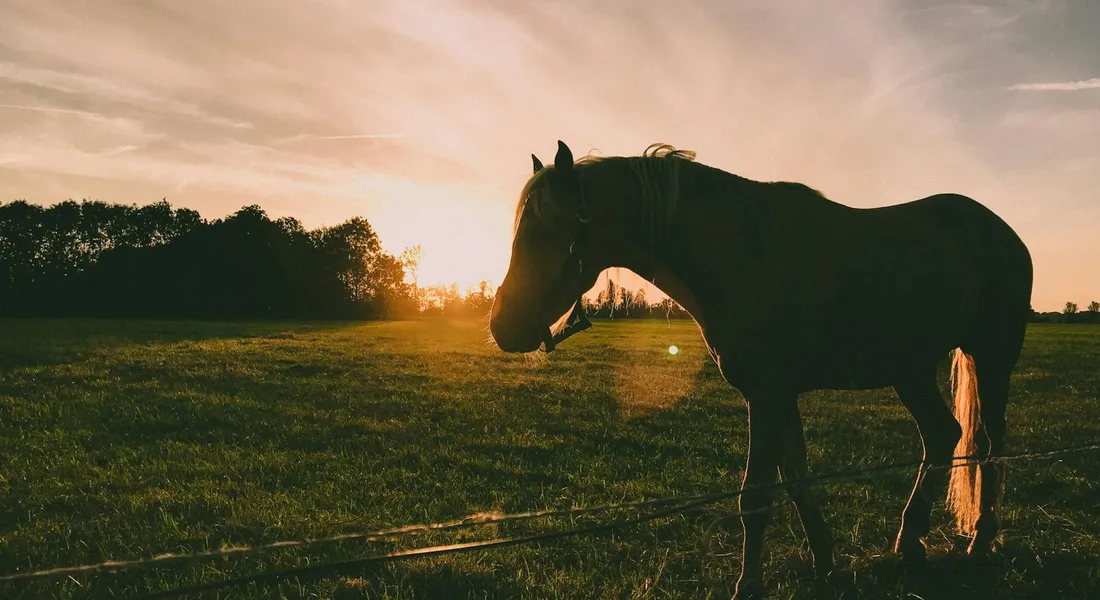
Time Commitment: More Than a Weekend Hobby
Your social calendar will revolve around feed times and farrier appointments. I learned this managing a barn where 5 a.m. starts in January meant chipping ice from troughs with numb fingers. Horse care is a daily rhythm of chores that doesn’t pause for bad weather or your vacation plans. Even if you factor in sedentary or less demanding horses, the commitment remains substantial.
Turnout is not negotiable for mental health. Watching Luna pace her stall on a rainy day convinced me to invest in all-weather paddocks. A horse with regular movement and herd interaction is a calmer, safer partner.
- Daily Minimum: Feeding twice, checking water, mucking out, a full-body once-over for nicks or lameness.
- Weekly Musts: Thorough grooming, tack cleaning, paddock rotation, and checking fence lines.
- The Time Sink: Injuries, training sessions, or just those extra minutes spent scratching a favorite itchy spot.
Financial Responsibilities: Budgeting for Hay, Feet, and Vet Bills
Think of your horse budget like a three-legged stool: feed, feet, and health. If one leg fails, the whole thing topples. A hay shortage one year had me sourcing alfalfa from three counties over. Quality forage is your biggest recurring cost, and skimping here directly impacts your horse’s health and temperament.
Farrier work is preventative medicine. A missed trim can alter hoof angle and cause tendon strain. Regular six-week farrier visits are cheaper than a single lameness exam or corrective shoeing.
- Fixed Costs: Hay, grain, bedding, insurance, or board payments.
- Scheduled Maintenance: Vaccinations, deworming, dental floats, and hoof care.
- The Emergency Fund: Colic surgery, injury treatment, or replacing a destroyed water tank. Aim for $3,000 minimum.
Space and Shelter Requirements: Safe Pasture and Sturdy Stalls
Space is sanity. A cramped paddock leads to squabbles and sour attitudes. My rule is a minimum of one acre per horse, but two is better for grazing and reducing mud. How much pasture land do you actually need per horse? The answer varies with forage quality, climate, and stocking rate. Good pasture management prevents parasite overload and saves on hay costs during growing seasons.
Shelter means protection from your local worst. A three-sided run-in shed works for most climates, facing away from prevailing winds. Your horse must always choose to get out of the weather, which means shelter bigger than just one stall — as your horse needs adequate space in a run-in shed.
- Fencing Fundamentals: Wood, vinyl, or tightly woven mesh. Avoid barbed wire. Check for loose posts or nails weekly.
- Stall Specs: At least 12’x12′ for a full-sized horse, with dry, dust-free bedding and ample ventilation to prevent respiratory issues.
- Water Wisdom: Automatic waterers or large troughs, cleaned weekly, with a freeze-proof plan for winter.
Finding Your Match: Selecting the Right Equine Partner
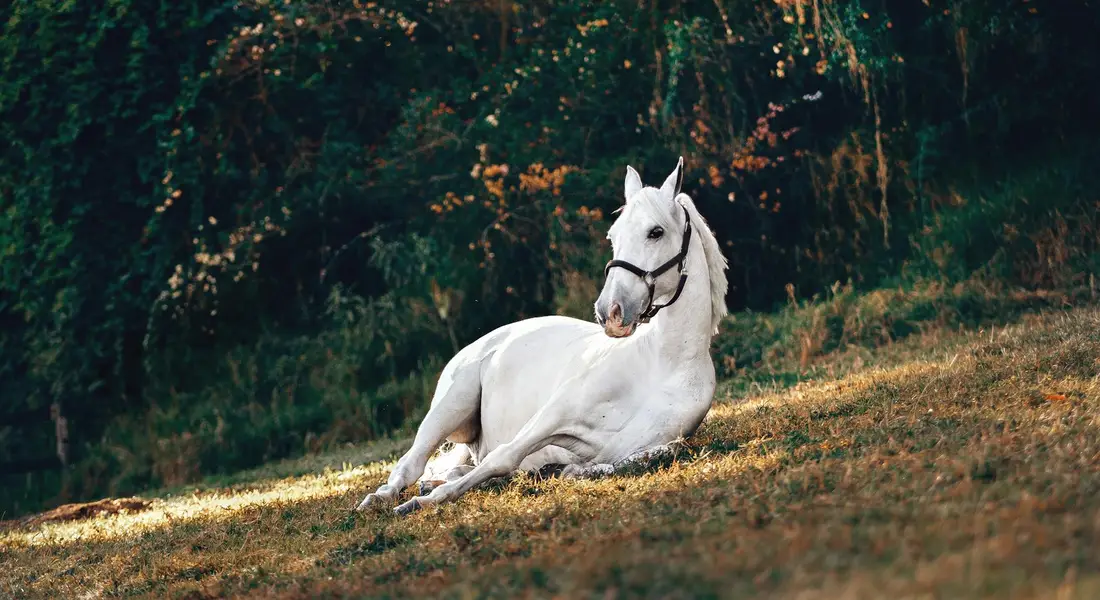
Breed and Temperament: From Quiet Quarters to Lively Thoroughbreds
Breed gives you clues, but individual personality wins. My Quarter Horse, Rusty, will stand like a statue for the vet, while Luna, the Thoroughbred, needs a slow approach and a quiet voice. Match the horse’s innate energy to your own; a high-strung horse will not relax a nervous owner.
Spend hours observing, not just riding. Watch how the horse reacts to traffic, flapping tarps, or being separated from the herd. A good temperament means curiosity, not fear, when faced with new things.
- Steady Eddy Types: Quarter Horses, many Draft crosses, older Morgans. Ideal for trail riding and consistent handling.
- Sensitive Spirits: Thoroughbreds, Arabians, some Warmbloods. Require nuanced riding and calm confidence.
- Pony Pragmatism: Like my Pipin, they are clever and often need firm, fair boundaries. Not always for small children.
Age and Experience: Schoolmaster or Project Partner?
A schoolmaster, typically 15 years or older, offers a forgiving education. I’ve put countless novices on a steady gelding who knew his job better than I did. An older horse can teach you timing, balance, and feel without the dramatic reactions of a youngster.
A project horse, often under 8, requires a detailed training log and infinite patience. The reward is deep, but the path is filled with setbacks. Be brutally honest: do you have the skill, time, and budget to consistently train a green horse?
- The Schoolmaster: Predictable, may have physical limitations, perfect for building rider confidence.
- The Proven Citizen (8-14): Balances experience and soundness. A great all-around partner for riding several times a week.
- The Project: High potential but needs foundational training in basics like lunging, clipping, and trailer loading.
The Setup: Preparing Your Property for a Horse
Preparation happens on your knees, looking for hazards. I once found a forgotten fence staple that could have caused a serious puncture. Walk every inch of your pasture and stalls, removing debris, checking for toxic plants like oleander or red maple leaves.
Set up systems before the horse arrives. Have a designated, secure area for feed and tools. After Pipin’s great grain bin raid, I only use metal storage now. Your setup should make daily chores efficient, so you spend less time fetching things and more time with your horse.
- Arrival Ready: Stocked first-aid kit, pre-filled water trough, a small pile of the hay the horse is already eating.
- Safe Introduction: Introduce to pasture mates over a fence first. Quarantine new arrivals for 2-3 weeks to monitor health.
- Ongoing Logistics: Manure compost area, locked tack room, reliable trailer parking for vet access.
Frequently Asked Questions About Horses as Pets
What are some surprising facts about keeping a horse as a pet?
Their lifespan is a major commitment, as many horses live 25 to 30 years or more, requiring decades of dedicated care. The social needs of a horse are absolute, and they require companionship from another equine or suitable pasture mate to avoid chronic stress. Contrary to some expectations, a significant portion of your time together will be spent in non-riding activities like grooming and groundwork to build a trusting partnership. Owners often wonder how long horses live as pets and what factors influence that longevity. Factors include nutrition, preventive veterinary care, housing, and appropriate exercise.
Is there any connection between horse ownership and astrology or personality types?
While not scientifically proven, many horse people believe certain personality temperaments are better suited to the patience and calm energy required for horse care. The concept often discussed is that a person’s inherent demeanor, whether steady or highly strung, should align with a horse’s energy level for a harmonious match. Using a temperament guide can help you compare horse personality with your riding style for a better fit. This practical matching mindset emphasizes ongoing compatibility over fixed labels. Ultimately, a successful partnership depends more on consistent, empathetic handling than on any astrological sign.
What are the key personal benefits of having a horse as a pet?
The responsibility and routine of horse care can provide immense mental health benefits, reducing stress and promoting mindfulness through physical work and nature immersion. It fosters deep personal growth, teaching patience, resilience, and clear, non-verbal communication. This unique bond offers profound emotional companionship, built on mutual trust and quiet moments that are incredibly rewarding.
A Partner, Not Just a Pet
Focus on providing ample turnout, consistent routines, and gentle handling to fulfill your horse’s innate needs as a companion. Your horse’s health and happiness hinge on daily freedom to move and socialize, far more than on fancy gear or treats.
Build your relationship with patience and a keen eye for safety, always prioritizing your horse’s comfort over convenience. The most rewarding moments come from quiet communication, where you learn to listen and they learn to trust.
Further Reading & Sources
- What are the benefits of keeping horses as pets instead of using them as livestock or work animals? Is it harmful to let horses go free instead of keeping them as pets? – Quora
- How To Pet a Horse | PetMD
- What is it like to own a horse as a pet? – Quora
- Considering a Pet Horse? 4 Elements of Horse Care You Need to Prepare – P.L.A.Y.
At Horse and Hay, we are passionate about providing expert guidance on all aspects of horse care, from nutrition to wellness. Our team of equine specialists and veterinarians offer trusted advice on the best foods, supplements, and practices to keep your horse healthy and thriving. Whether you're a seasoned rider or new to equine care, we provide valuable insights into feeding, grooming, and overall well-being to ensure your horse lives its happiest, healthiest life.
Behavior