
Regular Hoof Cleaning: The Daily Habit That Prevents Lameness and Saves Money
Published on: September 8, 2026 | Last Updated: September 8, 2026
Written By: Henry Wellington
Hello fellow equestrians. That slight limp on the way out of the stall or the unexpected vet bill for a hoof abscess-these worries start with a skipped daily chore. Ignoring the hoof pick directly risks your horse’s comfort and your wallet.
Let’s talk about how this simple act is your first line of defense. I’ll show you how removing dirt and debris prevents devastating infections like thrush and white line disease, why a clean hoof is your best chance to spot cracks, bruises, or loose shoes early, and how proper picking builds trust and makes every other handling task easier.
My years in the barn, managing everything from sensitive thoroughbreds to clever ponies, have taught me that the most critical health checks happen from the ground up.
The Unseen Foundation: What’s Really Happening in the Hoof
Picture yourself after a ride, the smell of fresh hay in the air as you run a hand down Rusty’s leg. When you lift his hoof and hear the soft thud as he rests it in your hand, you’re not just cleaning dirt; you’re reading a vital health report. The hoof is a dynamic, living structure, not a static block of keratin.
Think of the frog as the heart of the hoof’s shock absorption system. When packed with mud, this rubbery cushion can’t flex properly, straining the tendons and ligaments up the leg. I once skipped a few days with Pipin, and his typically cheerful trot turned hesitant—a packed hoof was the culprit. Understanding the frog’s role helps explain why hoof health matters. That’s why keeping the frog healthy is a priority for riders.
Your hoof pick is a diagnostic tool. Scraping away debris lets you inspect the sole’s concavity and the tightness of the white line, two early warning signs of balance issues. A healthy sole should have a slight dome, like the arch of your foot.
Here is what a daily peek prevents:
- Hidden Pressure: A small stone lodged in the collateral groove can create a painful point of pressure with every step.
- Reduced Circulation: A clean, functioning frog pumps blood back up the leg with each step; packing mud stifles this mechanism.
- Masked Damage: Mud can hide cracks, wounds, or unusual wear patterns that need immediate attention.
That quick pick is your daily assurance. You are maintaining the very foundation that carries your horse’s joy, his work, and his well-being.
Threats in the Mud: What You’re Actually Preventing
Mud is more than a mess; it’s a mixture of moisture, manure, and hidden hazards. Your routine picking is a direct act of prevention, sparing your horse from pain and you from vet bills. I advocate for maximum turnout, but even the best pasture has muddy days. During mud season, careful management protects your pastures and your horses’ hooves.
Thrush is the most common invitee. This bacterial infection produces a distinct, foul odor and breaks down the frog, and it starts in the wet, dark crevices you clear out. Horses with limited stall time are especially vulnerable, which is why gentle horsemanship includes a clean dry spot to stand.
Consider the abscess. A single piece of gravel can migrate through the sole, creating a painful pocket of infection that causes sudden, severe lameness. Luna’s high-energy personality masked her discomfort until she was dead lame; the cause was a pea-sized stone I’d missed.
Your vigilance stops these five major threats:
- Thrush: Eliminating the damp, organic material starves the bacteria that cause it.
- Sole Abscesses: Removing debris denies sharp objects a path into the sensitive inner structures.
- Bruised Soles: Clearing the hoof prevents stones from being ground into the sole with impact.
- Puncture Wounds: Finding a nail or stick before it drives deeper can prevent a devastating injury.
- Hoof Wall Separation: Constant dampness can weaken the bond between the hoof wall and inner structures, leading to seedy toe.
This daily habit is a pact. You are ensuring their comfort from the ground up, which is the core of responsible equine stewardship. The simple scrape of your pick is a sound of care.
Your Daily Ritual: A Step-by-Step Guide to Proper Hoof Picking
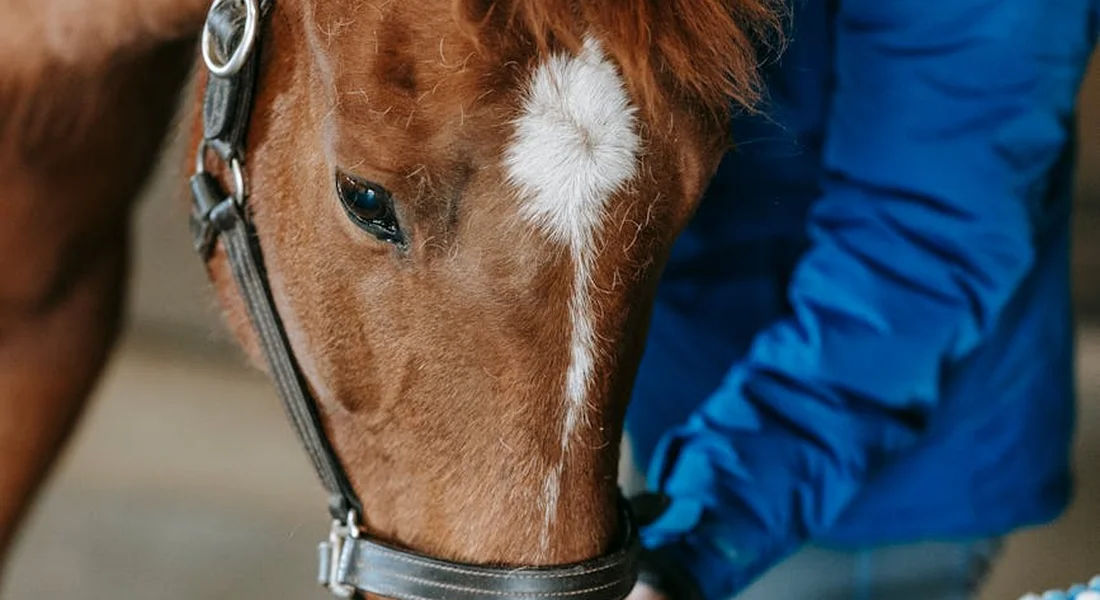
Turning hoof picking into a calm, daily ritual builds trust and keeps your horse sound. I start every morning with my crew, and the quiet click of the hoof pick is as familiar as the smell of coffee. Rusty leans into a good shoulder scratch during his, while with Luna, I move slowly and talk softly to keep her relaxed.
Essential Tools for the Job
You only need a couple of reliable items, but quality matters. A cheap pick that bends or breaks is frustrating and unsafe. Invest in a durable hoof pick you enjoy holding; it makes the daily task feel like less of a chore.
- A solid hoof pick with a sturdy, hooked end. Some have a stiff brush attached, which is handy.
- A stiff-bristled brush (often part of the pick) for wiping away final debris.
- Your own two feet, planted in sturdy boots, because a horse stepping on your toe will ruin the whole vibe.
With Pipin, I use a smaller pick designed for ponies, proving that having the right tool for the job applies to all sizes.
Now, let’s walk through the steps. Always work on a flat, level surface in a well-lit area.
- Approach your horse calmly, speaking to them. Secure them with a halter and lead rope, or pick during grooming when they are tied safely.
- Run your hand down the back of their leg, squeezing the tendon just above the fetlock, and say “hoof.” Most horses will lift it for you. Never yank or fight for the hoof; patience here is the cornerstone of gentle horsemanship.
- Cradle the hoof in your hand, keeping your fingers out of the way. Use the pick from the heel toward the toe, following the natural groove of the frog.
- Clear all debris from the triangular frog, the collateral grooves on either side, and the cleft at the heel. This is where thrush starts.
- Check the sole and wall for any lodged stones, cracks, or unusual smells. Give the hoof a final brush-off.
- Set the hoof down gently-don’t drop it. Reward with a kind word or a pat, and move to the next foot.
Doing this daily takes minutes but gives you a powerful health snapshot. That moment of quiet connection is as vital for your horse’s mind as the cleaning is for their hooves. You might wonder whether grooming touch deepens your bond with your horse. Exploring how touch during grooming influences trust can guide your routine.
Partnering with Your Farrier: The Picking-Trimming Connection
Think of your daily picking as the essential homework between farrier appointments. Your farrier is the expert sculptor, but you provide the clean canvas. A hoof packed with mud and rocks hides problems, making a proper trim or shoeing job much harder and less precise.
I always pick hooves right before the farrier arrives. This simple act shows respect for their time and allows them to immediately assess the hoof’s true structure. My farrier once found a subtle bruise on Luna’s sole that I’d missed; because the hoof was clean, he spotted it instantly.
Regular turnout is your farrier’s silent partner. Movement across varied terrain naturally wears the hoof and promotes better circulation, which encourages strong, resilient growth. A horse stuck in a stall has hooves that grow oddly and are more prone to issues like thrush.
Here’s how your picking routine directly supports your farrier’s work:
- You monitor for thrush or foul odors early, so it can be treated before the farrier has to work on an infected foot.
- You spot cracks, splits, or loose shoes immediately, allowing for a prompt call instead of an emergency visit.
- You notice changes in the hoof’s temperature or pulse, which can signal inflammation or injury.
Schedule trims every 6-8 weeks like clockwork. A consistent schedule based on your horse’s individual growth rate prevents long toes, underrun heels, and the lameness that follows. Good hoof care is a team sport, and you’re the most important player on the daily roster. For a seasonal routine, map out care steps as the seasons change to keep your horse comfortable year-round. A seasonal routine horse care schedule helps you plan trims, conditioning, and maintenance.
Beyond the Pick: Daily Habits for Lifelong Hoof Health
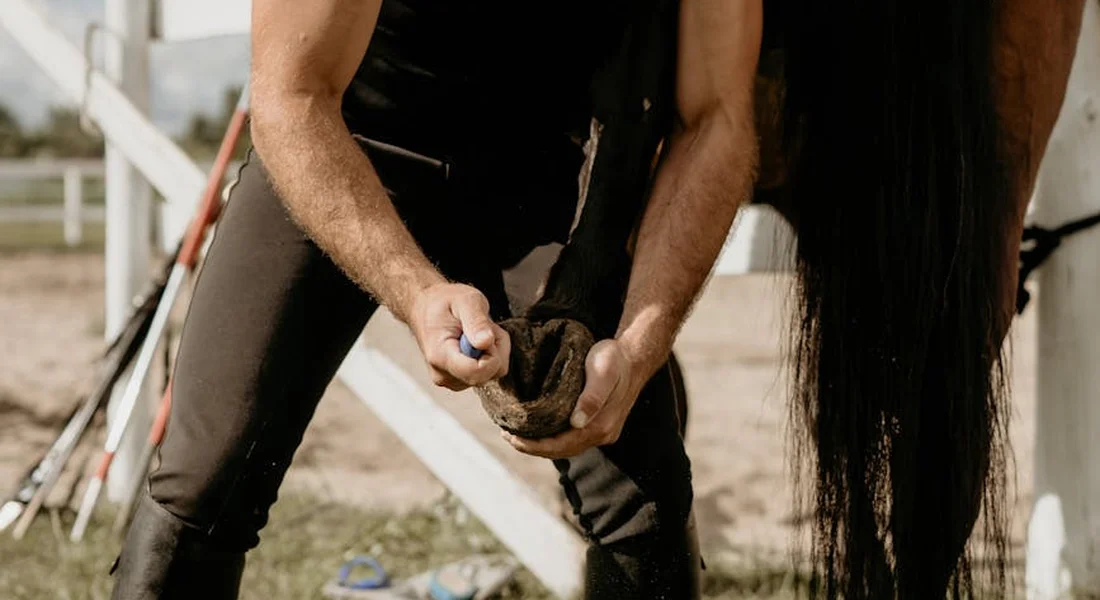
Think of picking the hoof as your daily weather report. It tells you what happened yesterday. The real forecast for lifelong soundness, however, is built by everything else you do. A clean hoof is just the starting gate.
Your Horse’s Living Environment is a Hoof Workshop
The ground your horse stands on for 20+ hours a day is his hoof’s primary conditioner. It’s the difference between a hoof that’s resilient and one that’s brittle or soft. A balanced mix of dry, firm footing and softer, moist areas provides the ideal natural stimulus for a strong, healthy hoof capsule. Additionally, creating a safe, enriching environment for your horse supports calm movement and steady hoof wear. This holistic approach helps protect and sustain a strong hoof capsule over time.
Here’s what I’ve seen work across hundreds of horses:
- Maximize Turnout: Movement is circulation. Circulation brings nutrients to the hoof. More turnout equals better hoof growth. It’s that simple.
- Embrace Variety: A paddock with a dry, gravelly high spot and a slightly muddy low spot is perfect. The different textures naturally clean, wear, and moisturize.
- Avoid Constant Extremes: Standing perpetually in deep mud softens feet and invites thrush. Standing forever on bone-dry, baked ground can make hooves brittle and cracked.
Nutrition: You Are What You Eat (And So Is the Hoof)
That new hoof wall growing down from the coronary band is being built with the nutrients you provided six to nine months ago. Feeding for hoof health is a lesson in patience. You cannot supplement your way out of poor foundational nutrition; the best hoof supplement in the world is wasted on a horse fed low-quality hay.
Focus on these building blocks first:
- Quality Forage: Good hay or pasture provides the baseline protein and minerals. I test my hay every year-it’s the only way to know what’s missing.
- Targeted Minerals: Zinc and copper are critical for keratin formation (that’s the tough protein in hoof wall). A balanced trace mineral salt block is a good start.
- Consider Biotin: For horses with consistently crumbly, weak hoof walls, a biotin supplement (15-20 mg daily) can help, but give it a full year to see the results grow down.
The Keeper’s Eye: Your Most Valuable Tool
Hoof care is more than the farrier’s visit every 6 weeks. It’s the quiet observation you do every single day. This is where you become your horse’s first line of defense. Between farrier visits, keep up hoof health with simple daily checks and cleaning. This routine helps you spot issues early and makes the next trim easier.
Make this your daily scan, learned from years of catching problems early:
- Look for the Breakover: From the side, does the toe look long, making the hoof pastern axis break forward? This stresses tendons.
- Check for Cracks: Small vertical cracks at the coronary band? That’s an old injury growing out. A horizontal crack? That’s a more recent insult, likely from a period of fever or stress.
- Smell and Feel: A foul, black gunk in the collateral grooves after picking isn’t just mud-it’s active thrush. A hoof that feels unusually warm to the touch, especially at the heels, can signal the beginnings of an abscess.
I keep a cheap flat-blade screwdriver in my apron. Gently tapping the hoof wall with the handle gives you a tonal clue; a hollow “clunk” instead of a solid “thud” can hint at a separation or abscess brewing long before the horse goes lame. Your eyes, your nose, and your hands are the best diagnostic tools you own. Use them every time you walk into the stall.
FAQ: Why is Regular Hoof Cleaning and Picking So Important?
How does daily hoof picking directly impact my horse’s overall health and longevity?
Daily hoof cleaning promotes proper blood circulation in the lower limbs, which is vital for nutrient delivery and waste removal. It prevents the development of debilitating conditions that can stem from neglect, such as chronic lameness or joint stress. By maintaining hoof health, you support your horse’s ability to stay active and comfortable throughout its life.
What are the immediate signs that my hoof cleaning routine is effective?
An effective routine results in clean, debris-free hooves with no foul odors, indicating the absence of thrush. You should observe a consistent, confident gait without any signs of tenderness or hesitation. The hoof structures will appear dry and intact, with no visible cracks or abnormalities during your daily checks.
Why is hoof cleaning considered a cornerstone of responsible horse ownership?
Hoof cleaning is a fundamental aspect of preventative care that demonstrates your commitment to your horse’s well-being. It fosters a daily hands-on connection, allowing you to monitor health closely and build trust. Neglecting this task can lead to avoidable suffering and expensive treatments, making it an ethical and practical necessity. To keep this routine safe and effective, follow a concise step-by-step guide on proper hoof cleaning. In the next steps, a quick walkthrough will guide you through the process.
Final Thoughts from the Stable
Make cleaning your horse’s hooves a core part of your daily routine, just like brushing or feeding. This consistent, thorough check is your frontline defense against thrush, abscesses, and lameness, saving you vet bills and your horse from pain. Learning the proper techniques for trimming and care can make all the difference in maintaining hoof health.
Always approach the task with calm, gentle hands to keep the experience positive for your equine partner. Your horse’s comfort and trust during these moments are the ultimate measures of good horsemanship, especially when you’re building a strong bond and trust with your horse.
Further Reading & Sources
- Ultimate Guide to Hoof Cleaning | Vetericyn
- The Essential Guide to Cleaning Horses’ Hooves: Tips and Techniques
- Horse Hoof Cleaning: A Helpful Guide | Vetericyn
- Hoof Infections: Spot, Treat & Prevent Now! – Equine Care
At Horse and Hay, we are passionate about providing expert guidance on all aspects of horse care, from nutrition to wellness. Our team of equine specialists and veterinarians offer trusted advice on the best foods, supplements, and practices to keep your horse healthy and thriving. Whether you're a seasoned rider or new to equine care, we provide valuable insights into feeding, grooming, and overall well-being to ensure your horse lives its happiest, healthiest life.
Hoof Care