
Bell Boots and Splint Boots: Practical Leg Protection for Your Horse
Hello fellow equestrians! That jarring ‘thud’ of a hoof striking a leg during a ride or the discovery of a new lump after turnout can spike your anxiety. You’re right to worry-these moments often lead to expensive vet visits and frustrating layups for your partner.
Let’s get your horse’s legs sorted. In this article, I’ll explain the clear, different jobs of bell boots versus splint boots, how to choose the right boot for trail riding, training, or pasture life, and my step-by-step method for a fit that prevents rubbing and stays put.
I’ve fitted these boots for years in my own barn, on everything from sensitive thoroughbreds to sure-footed quarter horses, always with a focus on comfort and prevention.
Understanding Bell Boots: Your Horse’s Hoof Insurance
Bell boots, commonly called overreach boots, are your first line of defense against a specific and painful mishap. They are bell-shaped rubber sleeves that slip over the entire hoof, cradling the coronet band and heel bulb to prevent the hind hoof from striking the front heel. This action, called overreaching, happens during playful bucks, tight turns, or enthusiastic movement and can slice the skin or rip a shoe clean off.
The best bell boots combine durability with flexibility, allowing the hoof to move naturally while taking the hit. You want a fit that is snug but never tight, with no gaps at the heel that could trap debris or rub the skin raw. I always check for wear and tear after every use, as a cracked boot can do more harm than good. If you’re ever unsure, do put boots on your horse during rides on uneven or rocky terrain. It’s a simple step that can prevent injuries and keep you moving confidently.
Here are the key components you’ll encounter:
- Rubber Body: This is the workhorse, made from tough, pliable material that absorbs impact without shattering.
- Fastener Types: Velcro straps allow for easy adjustment and cleaning, while pull-on styles use strong elastic for a simple, hassle-free fit.
My education in bell boots came from our Shetland pony, Pipin. His clever, food-motivated dashes across the pasture often ended with him scraping his front heels, leaving tender spots that worried me. Slipping a pair of pull-on bell boots onto his sturdy little hooves before turnout became our ritual. The immediate result was fewer injuries and a much happier, more comfortable pony.
What Splint Boots Do: Shielding the Cannon Bone
Splint boots are tailored armor for the lower leg, specifically designed to protect the cannon bone, the delicate splint bones beside it, and the crucial tendons running down the back. They guard against “interference,” where one leg brushes or strikes another, a risk during jumping, barrel racing, or even spirited trail rides. Unlike the hoof-enclosing bell boot, these wrap securely around the leg itself.
You’ll recognize them by their strapped design, usually featuring hook-and-loop closures over a padded interior. The padding is key-it cushions sudden impacts and disperses force away from bone and tendon, while the straps keep everything stable without slipping down. A well-fitted splint boot should feel supportive but never restrictive, allowing full range of motion.
These boots serve several core protective functions:
- Trauma Prevention: Acts as a buffer against direct kicks or strikes from the opposite hoof.
- Tendon and Ligament Support: Offers mild compression to stabilize and reduce strain on soft tissues during work.
- Splint Bone Safeguard: Protects the vulnerable splint bones from percussive injuries that can lead to painful inflammation.
In your hands, a splint boot feels like a supportive sports wrap, whereas a bell boot feels more like a protective cup. I regularly use splint boots on Luna, my high-energy Thoroughbred, during our flatwork sessions to prevent any accidental knocks that could bruise her sensitive legs and shake her focus. That layer of security lets her move with confidence, which is everything for a horse with her spirit.
Bell Boots vs. Splint Boots: Choosing the Right Guard
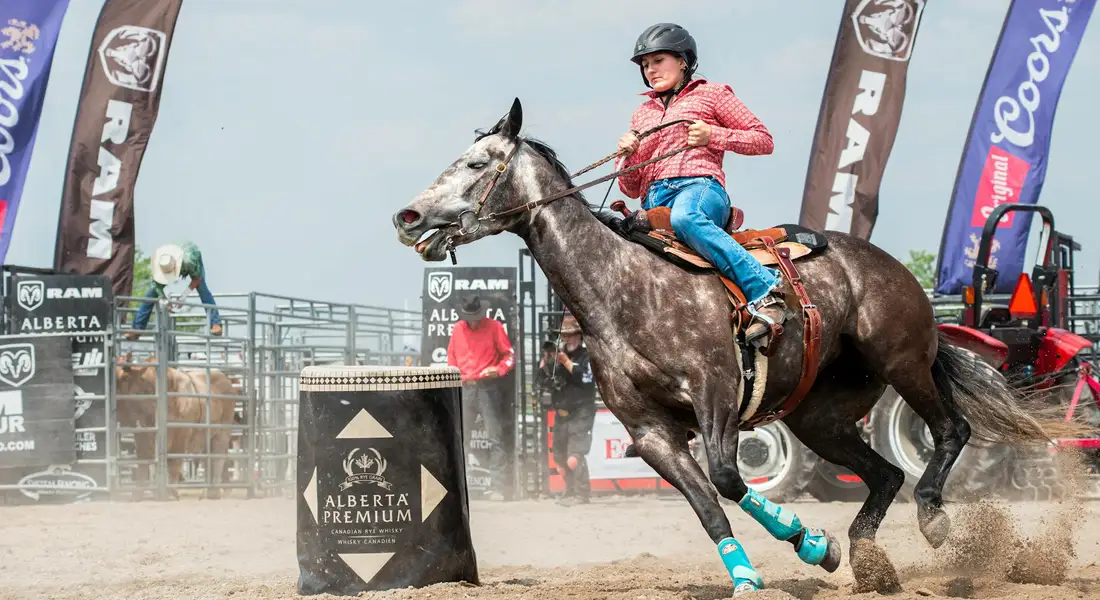
Picking the right leg protection is less about gear and more about listening to your horse’s movement. The core difference is simple: bell boots shield the hoof and heel, while splint boots guard the leg bone and tendons. I keep both types in my tack room, and choosing between them depends entirely on the day’s work and which of my three is in the cross-ties. When in doubt, I consider the question: horse shoes vs boots, which is better for your horse? The best choice always depends on the horse and the day’s work.
| Boot Type | Placement | Primary Purpose | Common Use Cases |
|---|---|---|---|
| Bell Boots | Fitted around the hoof, covering the heel bulb and coronet band. | Prevent the horse from striking its own front heel with a hind hoof (overreaching) or from external knocks. | Turnout, jumping, trail riding, or for any horse with a clumsy or close-moving gait. |
| Splint Boots | Wrapped around the lower leg, covering the splint bone and tendons. | Absorb shock and protect against interference injuries from the opposite leg or obstacles. | Flatwork, lungeing, riding on hard ground, or for horses in heavy training. |
Think of it like this: bell boots are for the foot, splint boots are for the ankle. My rule of thumb is to use bell boots when I’m worried about the horse hitting itself, and splint boots when I’m worried about the work hitting the horse. Understanding why a horse kicks and the force behind it helps with prevention. That context guides gear choices and training to reduce risk. Luna, for instance, wears splint boots for focused arena work but goes bare-legged in her paddock.
When to Use Bell Boots: Practical Barn Scenarios
Bell boots are my first line of defense against self-inflicted scrapes. You don’t need them for every horse or every day, but in certain situations, they’re a cheap form of insurance. I’ve saved many a vet call by just slapping these on before turning out the herd. They are especially handy when fences are involved — where injuries can often occur.
- Turnout for the clumsy or spirited: This is non-negotiable in my book. Horses playing, running, or even just tripping can overreach. Pipin, our Shetland, always wears them because his short, quick strides make him a prime candidate for heel strikes.
- Jumping or any collected work: When a horse tucks its legs up, the chance of a hind hoof catching a front heel skyrockets. That sharp “clack” you hear is the sound of a potential injury.
- Trail riding on uneven ground: Roots, rocks, and declines can lead to missteps. Protecting the heels on a long ride keeps your horse sound and comfortable for the trek home.
- For the known overreacher: Some horses just have a natural gait that brings their hind legs too far forward. If you see chronic scuffs on the back of the front pasterns, bell boots should be a permanent part of your tack.
Not sure if your horse needs them? Here’s my three-step check, honed from years of morning chores and late-night treatments.
- Watch for heel hair loss. Run your hand down the back of your horse’s front pasterns. If the hair is rubbed off or feels coarse, that’s a telltale sign of consistent contact.
- Listen for a “clack” during movement. Lead your horse at a brisk walk or trot on a hard surface. A distinct clicking sound often means hoof is meeting hoof.
- Check for old scars. Inspect the heel bulbs and coronary band for white hairs or thin scars. These are the history books of past strikes, warning you to prevent the next one.
I started using bell boots on Rusty after finding a fresh cut on his heel following a muddy trail ride. A small, proactive step like booting up can prevent weeks of stalled recovery and keep your partner happily in work.
When to Use Splint Boots: Activity-Based Protection
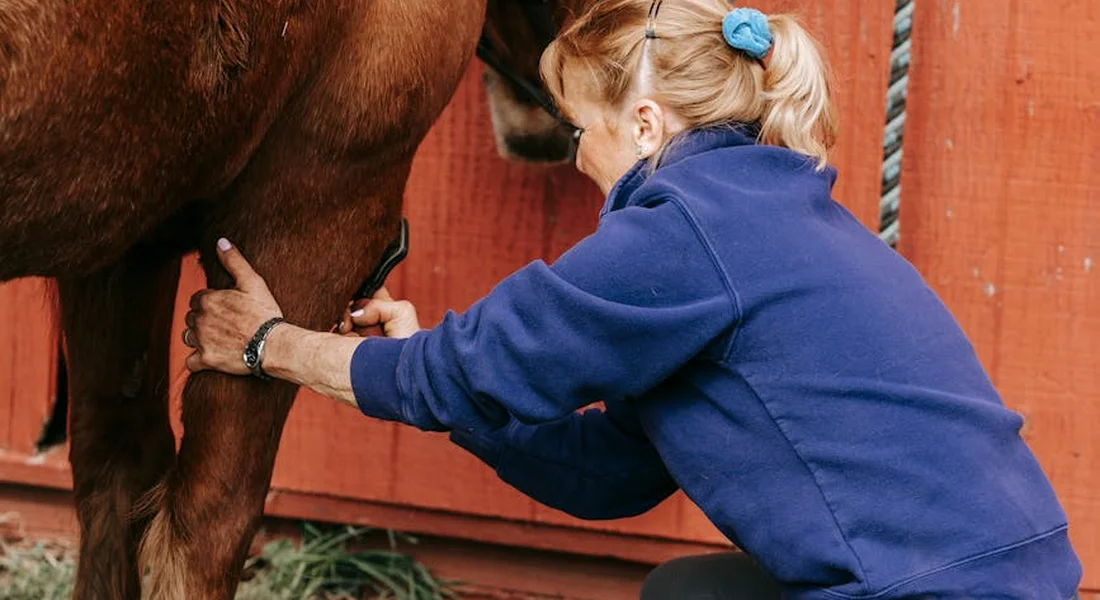
Think of splint boots as your horse’s shin guards, stepping in when his own legs get in the way. I keep a set ready for Luna, my sensitive Thoroughbred, because her powerful stride sometimes leads to a careless smack of the inside cannon bone with the opposite hoof. You’ll want to reach for splint boots during any activity where leg interference is a real risk, not just a possibility. That tell-tale “clack” you hear in the arena is your cue to provide some padding.
- Lunging and Intense Flatwork: When a horse is circling or collecting its body, the inward swing of a leg can easily strike the opposite splint bone. This is common during lateral work or when a tired horse gets a bit loose and sloppy.
- Speed and Sharp Turns: Sports like barrel racing, pole bending, or reining put tremendous torque on the legs. Boots act as a buffer against the inevitable knocks that come with quick directional changes.
- For the Young or Unbalanced: Green horses, like a gangly youngster finding its feet, or older horses regaining muscle, often have less coordination. Their legs may brush together at the trot or during simple transitions, making boots a wise training aid.
- Transport Precautions: A bumpy trailer ride can cause a standing horse to shift and knock its legs. I always boot Rusty for long hauls; it’s cheap insurance against a travel-induced bump or scrape.
Keep a close eye on your horse’s legs after strenuous work. A bit of puffiness or heat on the inside of the cannon bone, just below the knee or hock, is a clear sign your horse is making contact and could benefit from the protection of splint boots. Spotting early signs of illness or injury in your horse is part of attentive care. By staying observant, you can catch issues before they escalate. Catching it early prevents the minor inflammation from turning into a more serious splint injury.
How to Fit Bell and Splint Boots: A Safe, Snug Fit
A boot that rubs is worse than no boot at all. I learned this the hard way with Pipin, who developed a small pastern rub from a bell boot that was just a hair too tight. Fit is everything-it should be secure without constriction, like a well-worn work glove. Always start with clean, dry legs and hooves; dirt trapped under a boot is a fast track to irritation.
Step-by-Step: Fitting Bell Boots
- Clean the hoof thoroughly, picking out any debris. A damp or muddy hoof can make the boot slip or cause chafing. I do this right after I pick their feet.
- Position the boot evenly around the coronet band. The bulk of the protective material should sit right above the hoof wall, guarding the tender heel bulbs and coronary band from strikes.
- For Velcro styles, fasten snugly but allow room to slide one finger between the strap and the pastern. For pull-on bell boots, they should rotate freely with the hoof’s movement but must not sag or slide down onto the hoof itself.
- Run your hand around the pastern area. Check thoroughly that no seam or edge is pressing into the skin, as even a slight rub can turn into a sore after a long ride. Watch your horse take a few steps to ensure the boot stays put.
Step-by-Step: Fitting Splint Boots
- Identify the padded cup or thickest part of the boot. This always goes on the inside of the leg, centered over the splint bone (the ridge on the inside of the cannon bone). Placing it on the outside is useless for its core purpose.
- Wrap the straps around the leg, securing them from the front of the leg toward the back. This follows the natural lie of the tendons and helps keep the boot from twisting during movement.
- Fasten the straps firmly. The test? You should be able to comfortably slide two fingers under the strap. Even pressure is key-avoid cranking one strap tighter than the others, which can create pressure points and restrict circulation.
- Check the fetlock joint. Ensure the bottom of the boot sits just above the joint, allowing full, unrestricted movement. Have your horse walk off; the boot should stay centered and not slide down or spin around the leg.
Materials, Types, and Boot Care 101
Bell and splint boots are built from a handful of common materials, each with a distinct feel and purpose. Durable rubber is the workhorse of the barn-affordable, easy to hose off, and tough enough for daily turnout. Neoprene is a favorite for training; it’s flexible, often lined with soft fleece, and provides a snug, comfortable fit for sensitive legs. Leather is the long-term investment, developing a custom mold to your horse’s leg over time, but it asks for more dedication in upkeep. Your choice should hinge on your horse’s daily routine, their skin sensitivity, and how much time you can devote to maintenance. It’s similar to choosing the right hoof boots for your horse, where individual needs and usage are key factors.
Bell boots come in two main designs. Standard open-bottom boots are ubiquitous and simple to pull on, allowing dirt and pebbles to escape easily. Closed or galosh-style bells offer complete hoof coverage, which I rely on for my Quarter Horse Rusty during our muddy spring trail rides to stop debris from packing in. The closed design is a savior for chronic overreachers or horses working in deep, sticky footing.
Splint boots also have key variations. Some models feature hard plastic or foam cups sewn in over the splint bone area for direct impact protection, while others are simply padded wraps. For a horse with a history of interference like Luna, my Thoroughbred, I always choose boots with cups for jumping work—that extra shield is cheap insurance. The cup-less versions are perfect for light flatwork or horses with very tidy movement, especially when used along with polo wraps for added support.
Caring for your boots is straightforward but non-negotiable. Follow this quick list to extend their life:
- Regular Cleaning: Rinse off mud, sweat, and arena sand after every use. For neoprene and leather, a mild soap wipe-down prevents bacteria buildup.
- Checking for Wear: Before you tack up, inspect straps, Velcro, and the boot body for cracks, fraying, or thin spots. I caught a nearly torn strap on Pipin’s boot just in time last week.
- Proper Drying: Never store boots damp. Hang them in a breezy tack room or over a stall door; stuffing wet boots in a bag invites mold and rot.
Consistent care prevents sudden failures and keeps your horse’s protection reliable season after season.
Layering Protection: Using Bell and Splint Boots Together
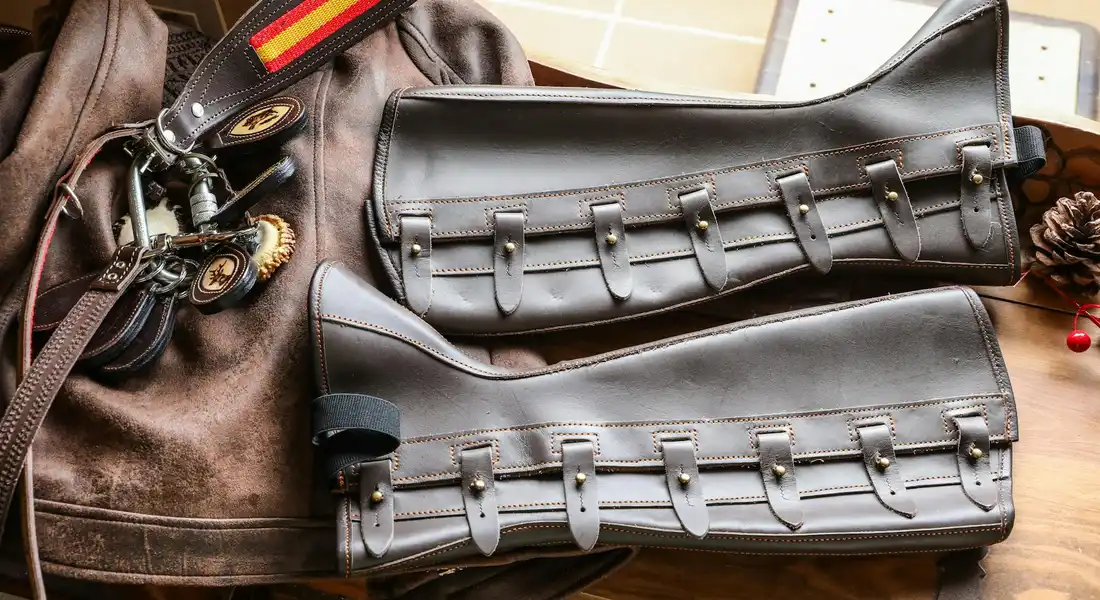
In high-impact sports like show jumping, cross-country, or intense reining patterns, you’ll often see horses wearing both bell boots and splint boots. This layered approach defends against a hoof catching the opposite leg (overreach) while also shielding the splint bone and tendons from strikes. When I prep Luna for a cross-country school, this combination is my standard protocol-her powerful stride needs all the buffer it can get.
The order you put them on is critical. Always apply the splint boots first. Wrap them securely around the cannon bone, ensuring the closure is on the outside of the leg. Then, slip the bell boots over the hoof. This method keeps the bell boot’s straps from getting tucked under the splint boot, which can create painful pressure points and rub the hair away.
Once both are on, do a comfort check. Run your hands around the leg to feel for any bulky overlaps or twisted straps. Have your horse walk a few steps and listen. A muffled thud is normal, but a sharp slap or rustle means something is loose. Taking a moment to verify a clean, lay-flat fit prevents gait interference and keeps your horse focused on their job, not their gear—just like properly fitting your saddle is crucial for their comfort.
For the vast majority of pleasure riding-think Rusty’s quiet trail walks or a relaxed arena session-one type of boot is usually plenty. Layering when it’s not needed just adds heat, weight, and potential for error. Good horsemanship means using the minimal necessary gear to achieve maximum safety and comfort for your partner.
FAQ: Bell Boots and Splint Boots for Horses
What are the key purposes of bell boots and splint boots?
Bell boots primarily prevent overreaching injuries by shielding the hoof and heel from strikes. Splint boots focus on protecting the lower leg bones and tendons from interference during movement. Both serve as proactive gear to reduce the risk of trauma and keep horses sound during work or play.
What are common mistakes to avoid when fitting these boots?
Avoid fitting boots too tightly, as this can restrict circulation and cause rubs or sores. Never place splint boots with the padding on the outside of the leg, as it defeats their protective purpose. Always check for debris or moisture under the boots before use to prevent irritation and discomfort.
Are there specific scenarios where using both boots is unnecessary?
For low-impact activities like light trail riding or casual turnout, one type of boot is often sufficient. Horses with tidy, coordinated gaits may not need both unless engaged in high-speed or collected work. Using minimal gear when risks are low prevents overheating and allows for natural movement without unnecessary weight. During peak fly season, you might also consider fly boots to protect the legs without adding heavy gear. They’re particularly useful when insects or brush are a concern but performance demands remain low.
Gearing Up with Confidence
Bell boots protect the hoof and coronet from strikes, while splint boots shield the lower leg from impacts and strains. No piece of gear replaces a proper fit-take the time to ensure each boot is snug, secure, and doesn’t slide or pinch.
Be patient as your horse accepts new equipment, and never ignore signs of irritation. The quiet feedback your horse gives you, from a relaxed stride to a calm expression, is the ultimate measure of success. By learning to read their body language, you can tell if your horse is happy and comfortable. This sets the stage for the next steps, where you’ll find a quick guide to interpret these cues.
Further Reading & Sources
- A Guide to Splint Boots, Bell Boots, and More – Western Horseman
- Should I be using Splint & Bell boots? | The Horse Forum
- Protective Horse Boots & Bell Boots
- Horse Legwear | Bell, Splint, Skid & Therapy Boots
At Horse and Hay, we are passionate about providing expert guidance on all aspects of horse care, from nutrition to wellness. Our team of equine specialists and veterinarians offer trusted advice on the best foods, supplements, and practices to keep your horse healthy and thriving. Whether you're a seasoned rider or new to equine care, we provide valuable insights into feeding, grooming, and overall well-being to ensure your horse lives its happiest, healthiest life.
Equipment