
Do Horses Grieve and Express Pain? Reading the Signs and Easing Their Burden
Hello fellow equestrians. That hollow look in your horse’s eye or the uncharacteristic nip during grooming isn’t just “bad behavior”-it’s a cry for help you’re right to worry about.
In this article, we’ll translate their silent language. You will learn:
- how to distinguish between the slow ache of grief and the sharp signal of physical pain,
- the specific changes in posture, appetite, and herd dynamics that reveal their inner world, and
- use practical, compassionate strategies to create true comfort for your horse.
My years of barn management and training, from soothing Luna’s sensitivities to respecting Rusty’s veteran quirks, have been built on listening to exactly these conversations.
The Emotional Capacity of Horses: Beyond Basic Instincts
Watch any herd for an afternoon and you’ll see more than eating and sleeping. You’ll see friendships. Horses are social, feeling creatures wired for deep bonds, a fact supported by both barnyard observation and science. Their intelligence is evident in how they solve problems, remember people, and communicate subtle cues within the herd. To dismiss their interactions as mere instinct is to miss the rich emotional tapestry of stable life.
Core equine emotions aren’t so different from our own. They manifest in clear, observable ways:
- Attachment: Horses form specific, lasting friendships, often seen in pasture pairs that graze, groom, and doze together.
- Grief: The profound sadness following a loss is a clear sign of deep feeling, not just confusion.
- Empathy: A nervous horse is often calmed by a steady companion who stands close, sharing a sense of safety.
- Jealousy: That pinned ear or shoulder nudge when you give another horse attention? That’s jealousy, pure and simple.
I saw this depth firsthand with Pipin, our Shetland pony. When his old donkey friend passed, Pipin spent a week standing at their shared corner of the paddock. He ignored his grain and his favorite game of untying lead ropes. His whole demeanor shifted from a cheeky escape artist to a quiet, reflective soul, teaching me that grief comes in all sizes.
Do Horses Have Feelings Like We Do?
Imagine their emotions as a foreign film without subtitles. The plot of joy, fear, or love is there, but you must watch the actors-their body language. A horse feeling dejected doesn’t cry; he drops his head, lets his lower lip go slack, and stares into the distance. Their feelings are genuine experiences, expressed through a uniquely equine vocabulary of gesture and posture. By learning to read these cues, you can tell if your horse is happy and comfortable. This awareness strengthens your bond.
The Science Behind the Bond
Studies confirm what barn managers see. Research shows horses engage in social learning, picking up skills from watching others. Measuring stress hormones like cortisol reveals spikes during social separation, mirroring a physiological stress response similar to ours. This biochemical evidence anchors their behavior in real emotional states, not just conjecture, providing deeper insights into horse behavior and psychology.
Recognizing Grief: Signs Your Horse is Mourning
Grief in horses is rarely a single, dramatic moment. It’s a series of small changes in their normal pattern. Catching it early helps you support them. Your daily, mindful observation is the first and most critical act of care for a mourning horse.
Behavioral Signs of Grief
Look for shifts in how your horse interacts with their world. These changes often appear within days of a loss.
- Social Withdrawal: A normally gregarious horse may isolate itself, standing apart from the herd with its back to others.
- Decreased Interest: Favorite treats or scratching spots get no reaction. Playful bucks or runs stop.
- Unusual Vocalizations: More frequent, searching whinnies or long, deep sighs when standing still.
- Seeking Behavior: Returning repeatedly to the empty stall, gate, or pasture spot where their companion was last seen.
Physical Signs of Grief
The body often reflects the inner turmoil. Monitor these physical cues closely.
- Loss of Appetite: Hay nets remain full and grain is left untouched, even at dinner time.
- Weight Drop: Noticeable ribs or a tucked-up belly from not eating enough over time.
- Lethargy: Reluctance to move, slow responses to being caught, or a dull look in the eye.
- Altered Sleep Patterns: Spending excessive time standing in a doze instead of lying down for restorative sleep.
Common Grieving Scenarios
Grief is triggered by loss, not just death. Any major disruption to their social world can cause a mourning response. The stress stems from a shattered social dynamic, a loss of predictable rhythm and familiar company.
Do Horses Grieve When Another Horse Dies?
Yes, and herd rituals can be poignant. I’ve managed barns where, after a death, the remaining horses stood in a quiet circle near the spot for an entire day. The usual squeals and shuffles for hierarchy cease. This collective pause is a herd’s vigil, a powerful behavior that underscores the reality of their bonds.
Do Horses Grieve Their Owners?
Horses become attached to the humans who provide care and consistency. A sudden absence can disrupt that. You might see less eagerness at greeting time, or a horse who seems to listen for your specific voice or footsteps. This is often anxiety from a broken routine, a form of sadness for a missing part of their daily safety similar to other types of horse anxiety.
Do Horses Grieve When They Are Sold?
The grief here is complex, rooted in total environmental shock. It’s not just missing a person. The horse loses known companions, familiar stall walls, daily turnout schedules, and even the smell of home. This grief manifests as relocation stress, a profound confusion where everything that was predictable is suddenly gone.
Decoding Pain: How Horses Express Discomfort
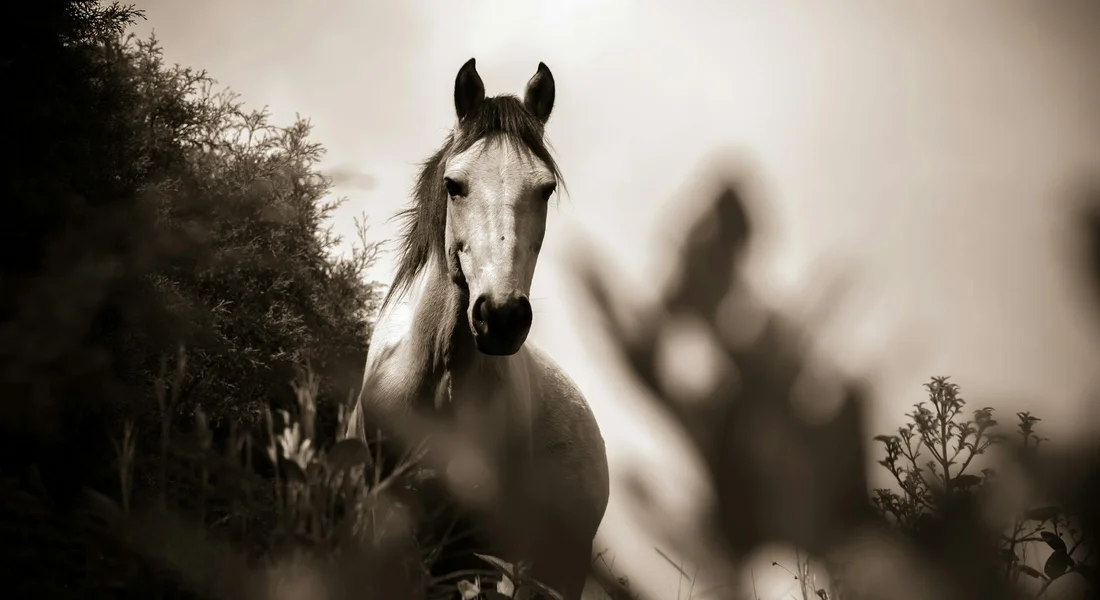
A horse in physical pain and a horse feeling emotional sadness can look strangely similar-withdrawn, listless, or agitated. The critical difference is that physical pain is a veterinary emergency that will often worsen without intervention, while grief needs time and support. Emotional distress usually follows a known event, like a loss, while pain can creep in silently from a subtle lameness or a poorly fitting saddle. To reliably distinguish pain cues from grief, it’s crucial to recognize subtle signs early. This awareness can prompt timely veterinary assessment and appropriate care.
You must become a detective, looking for the clues they cannot voice.
- Pain is often a change from their normal baseline behavior or posture.
- Emotional distress is often linked to a change in their social or physical environment.
- A horse can experience both simultaneously, such as grieving a friend while also developing ulcers from the stress.
Behavioral Signs of Pain
A grouchy horse isn’t always a naughty horse. I learned this with Luna, who began pinning her ears when I approached with the saddle. It wasn’t defiance; her back was sore. Sudden behavioral changes are your first and loudest red flag that something hurts.
- Aggression or pinned ears when being girthed, saddled, or touched in a specific area.
- Resistance to movement, like refusing to pick up a lead or barging through your shoulder.
- Grinding teeth (bruxism), often seen with ulcers or dental pain.
- A dull, “checked-out” expression, standing isolated from the herd.
- Uncharacteristic spookiness or tension during normally calm activities.
Physical Signs of Pain
The body doesn’t lie. While mucking out, I once noticed Rusty standing with one hind leg perpetually cocked, a tiny shift from his usual relaxed stance. It was the start of a mild abscess. Learning your horse’s neutral, resting posture is the key to spotting these minute physical betrayals.
- Altered gait or posture: short-striding, head-bobbing, or a stiff, hollow stance.
- Visible muscle tension, especially over the back, neck, or hindquarters.
- Sweating at rest on a cool day, indicating acute pain or distress.
- Pinned ears, tense flared nostrils, or a deep frown above the eyes.
- A tightly clamped tail or an unwillingness to swish flies normally.
A Step-by-Step Pain Check
Make this a quiet, routine part of your barn day. It takes ten minutes and builds immense trust.
- Observe at rest: Watch them loose in the stall or field. Do they stand evenly? Do they lie down and get up comfortably? Is their breathing calm?
- Watch in motion: Ask for a walk and trot on a straight, hard line. Look for any hitch, head lift, or asymmetry in the swing of their legs.
- Check for sensitivity: Run your hands firmly down their neck, back, and girth area. Apply gentle pressure around the withers and down each leg. Watch for skin twitches, lip-licking, or attempts to move away.
- Monitor consumption: Note if they’ve left hay, finished their grain, or if the water bucket level is unusually high or low. Changes in eating are huge indicators.
Attachment and Separation: The Heart of Herd Dynamics
Horses are not solitary creatures by choice. Their entire sense of safety is woven into the herd. This profound reliance on social structure is why separation can trigger a pain as real as physical injury-a true anxiety that manifests in the body. A horse taken from its buddy isn’t just being dramatic; it feels its primary survival mechanism has been stripped away. Recognizing and managing separation anxiety in your horse starts with careful observation of cues. With patient, gradual exposure and consistent handling, you can help your horse stay calm when apart.
In my field, Rusty and the pony Pipin are a classic pair bond. If I take Rusty for a ride, Pipin will station himself at the gate and call relentlessly, his pacing wearing a visible track in the grass.
How Horses Form Bonds
Bonding is a slow dance of mutual benefit and companionship. You’ll see it in the quiet moments. True bonds are built on consistent, peaceful proximity, not just shared space. They can form with surprising partners, too.
- Mutual grooming (allogrooming): Standing head-to-tail, rhythmically nibbling each other’s withers and backs.
- Shared grazing patterns: Moving together across the pasture, maintaining a comfortable distance.
- Protective behaviors: One horse positioning itself between a buddy and a perceived threat.
- Non-equine friends: I’ve seen profound bonds with a goat, a barn cat, or even a trusted human who provides consistent, gentle care.
Understanding Separation Anxiety
The symptoms are hard to miss and heartbreaking to witness. It’s a panic state. Separation anxiety is a safety crisis for the horse, not simple disobedience. Managing it requires patience, not punishment. Understanding why this happens is the first step toward real management. The next steps will outline practical strategies for understanding and managing separation anxiety in horses.
- Frantic, high-pitched calling or whinnying toward where the buddy left.
- Pacing, fence-walking, or even running blindly along the fence line.
- Sweating and increased respiration while standing still in the field.
- Complete refusal to eat or drink until the herd member returns.
A simple stable hack is to ensure the remaining horse always has a companion in sight. Even if they can’t touch, seeing another calm animal can lower their heart rate. Sometimes, just bringing Pipin up to the in-gate so he can watch Rusty’s trailer leave is enough to settle him.
Practical Comfort: Supporting a Grieving Horse
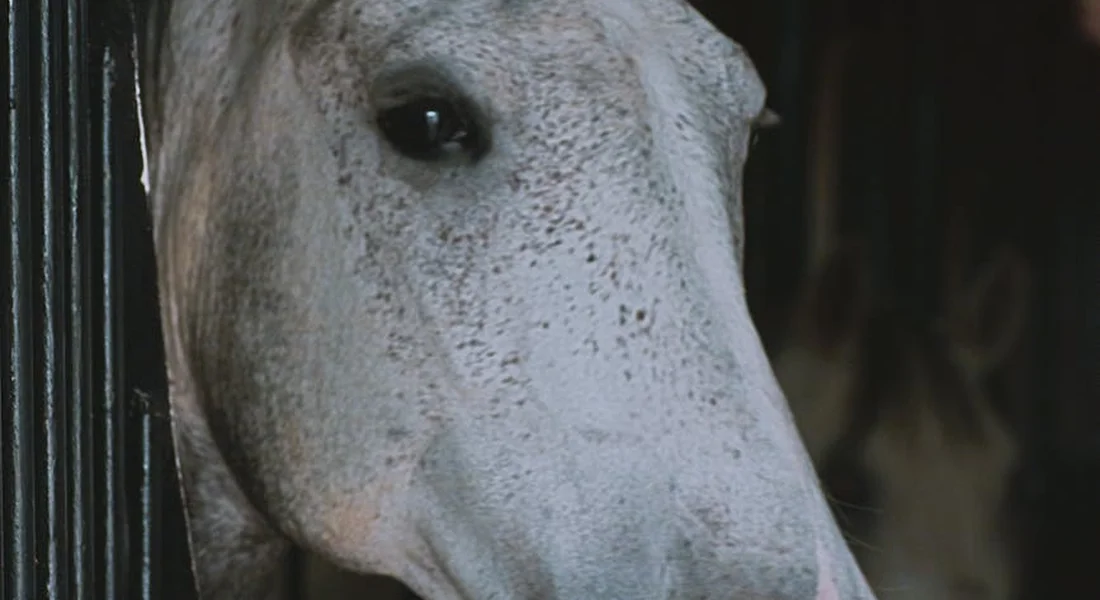
When a barn mate leaves, the silence in the paddock feels heavier. I’ve leaned on many a fence rail, watching a horse stand motionless at the gate where their friend used to be. Your first job is to become a steady, predictable part of their world, offering comfort through action, not just sympathy.
Turnout is non-negotiable for mental health-it’s where horses breathe, process, and just be. Prioritize pasture time over stall confinement; movement and herd contact are the oldest medicines they know.
Immediate Steps After a Loss
-
Keep their daily schedule rock-solid. Feed, muck, and handle them at the usual times. This routine is a lifeline of normalcy when their social structure has shattered.
-
If logistics and safety allow, let them investigate the body. With Pipin, our old Shetland, we let his herd sniff his departed companion; they nudged him, then walked away, seeming less agitated. This act can provide a concrete end, preventing anxious searching.
-
Never let the hay run out. A constant trickle of forage keeps the digestive tract working and gives them a comforting, familiar activity. An empty stomach often worsens stress, so keep that gut full and moving.
-
Introduce a low-pressure friend. Another quiet horse, a donkey, or even a goat can break the cycle of isolation. Companionship, not replacement, is the immediate goal.
Long-Term Support and Environmental Care
Healing unfolds over weeks, not days. Look at your horse’s entire living situation. Increasing daily turnout is the most impactful long-term change you can make for a sorrowful horse.
- Use slow-feeder hay nets to stretch meal times and simulate grazing, keeping their mind peacefully occupied.
- Weave in short, positive reinforcement sessions. Asking Luna to target a cone for a carrot piece rebuilt her focus and our bond after a loss.
- Scatter their grain in a pile of hay or use a treat ball to encourage natural foraging behavior and mental stimulation.
When Professional Help is Needed
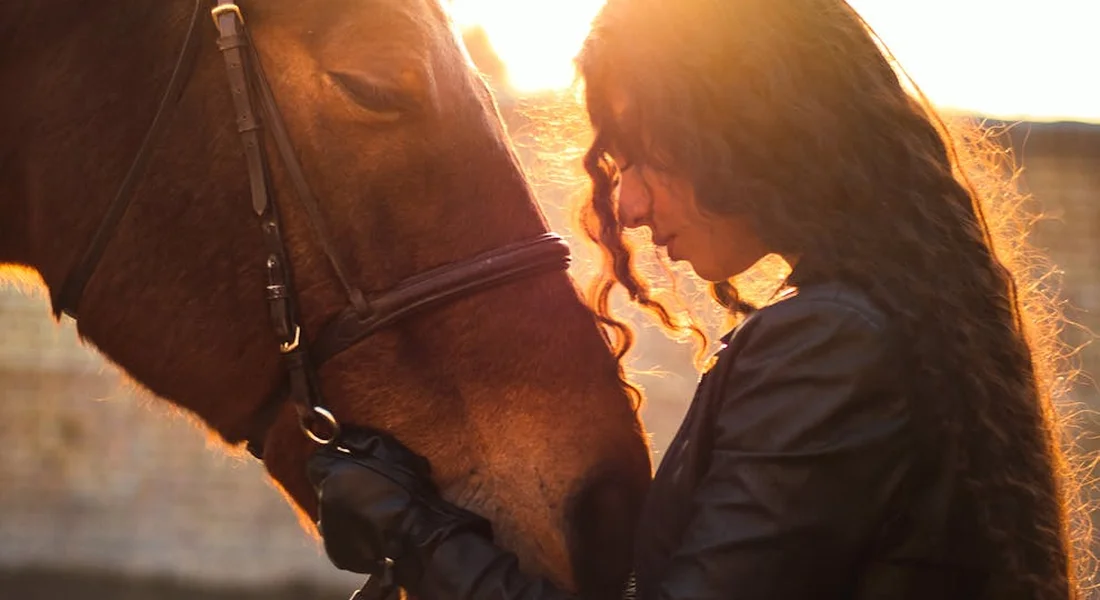
There’s a fine line between deep grief and a dire health crisis. Calling for backup is the mark of a wise and caring horseman, not a lack of skill.
Red Flags for Veterinary Attention
These symptoms mean stop waiting and start dialing. Trust your gut-if something feels off, it probably is.
- Total refusal of all food, including favorite treats, for more than a day.
- Any classic colic signs: frequent lying down and rolling, pawing, or absent gut sounds.
- New, unexplained lameness or a marked change in movement.
- Rapid weight loss that doesn’t rebound with increased feed.
- Self-inflicted injuries from weaving, stall-walking, or excessive rubbing.
Consulting an Equine Behaviorist
When standard comfort isn’t enough, a professional behaviorist offers a roadmap. They excel at untangling complex emotions from hidden pain, crafting a clear path forward.
- They assist with prolonged grief that manifests as chronic depression or aggression.
- They design plans for severe separation anxiety that risks the horse’s safety.
- They identify pain-related behaviors and advise on gentle retraining that puts the horse’s comfort first.
Do Horses Grieve and Express Pain? Understanding Their Emotions
Do horses grieve?
Yes, horses are capable of grieving due to their social nature and emotional depth. This grief often appears as changes in behavior, such as lethargy or reduced social interaction. Recognizing these signs allows caregivers to offer timely support and comfort. However, it’s important to note that horses do not cry tears as a form of emotional expression.
Do horses grieve the loss of another horse?
Horses frequently grieve the loss of a herd mate, which can disrupt their social bonds and daily routines. They might show this through repeated searching or vocalizations aimed at the absent companion. Providing a stable environment and gentle companionship can help them adapt to the loss. This also raises questions about whether horses need companions and how herd dynamics influence their welfare. Understanding this can guide caretakers in structuring groups and introductions to support social health.
Do horses grieve when sold?
Being sold can trigger grief in horses, primarily due to sudden separation from familiar people, places, and routines. This stress may lead to symptoms like relocation anxiety or withdrawal as they adjust to new surroundings. Consistent care and patience are key to helping them transition smoothly.
Honoring Their Silent Language
Watch for the quiet signs-lost interest in treats, a dull eye, or standing apart from the herd-and respond with the stability of routine and the space to heal. Your first and most powerful tool is patient observation, allowing their behavior to guide your care rather than forcing a timeline for recovery.
Good horsemanship is built on the days you choose to see the world from their perspective, prioritizing their emotional welfare as keenly as their physical health. Your horse’s trust is earned by listening to the story told in their silence, their posture, and the rhythm of their days. From this foundation, you can build a strong bond and truly trust your horse. That partnership opens the door to safer, more harmonious riding and handling.
Further Reading & Sources
- Coping with the loss of a horse | UMN Extension
- r/Horses on Reddit: How to comfort a grieving horse
- Helping A Grief Stricken Horse | Equine Wellness Magazine
- Managing grief responses | dvm360
At Horse and Hay, we are passionate about providing expert guidance on all aspects of horse care, from nutrition to wellness. Our team of equine specialists and veterinarians offer trusted advice on the best foods, supplements, and practices to keep your horse healthy and thriving. Whether you're a seasoned rider or new to equine care, we provide valuable insights into feeding, grooming, and overall well-being to ensure your horse lives its happiest, healthiest life.
Behavior