
How to Build Trust with a New or Rescued Horse
Hello fellow equestrians. Bringing a new or rescued horse into your life is thrilling, but it also brings real worries about safety, unpredictable behavior, and the slow crawl of building a bond.
That nervous dance in the cross-ties or the hollow look in their eyes is a familiar ache-I’ve spent late evenings with horses like Luna, wondering how to bridge the gap between fear and friendship.
This article breaks down the process into manageable steps. You’ll get practical advice on interpreting the subtle signs of stress or curiosity, creating a consistent daily routine that builds security, and using gentle, pressure-release methods to earn respect, not demand it.
My hands-on years managing a barn and training everything from wary rescues to energetic off-track Thoroughbreds have shown me that trust is built in the quiet, patient moments. Recognizing the common mistakes that break a horse’s trust—and how to avoid them—has become part of that craft. By steering clear of those missteps, the bond stays strong in every ride and training moment.
Understanding the Foundation of Horse Trust
Think of trust not as a single moment, but as the daily grain you toss into the feed bucket-it accumulates. For a new or rescued horse, the world is a series of unknown doors, each one potentially scary. Your job is to become the familiar, predictable hinge on which those doors swing. Trust is built in the quiet minutes of simply sharing space, not just during grand training milestones. For horses that are fearful, abused, or traumatized, rebuilding trust is a patient process rooted in safety, consistent routines, and honoring their pace. You create safety by letting small moments of calm become the baseline. I learned this with Luna, my sensitive Thoroughbred; rushing her only meant two steps back for every one forward.
Why Patience Isn’t Just Waiting, It’s Strategy
Patience is your active plan, not a passive virtue. It means reading the horse’s mood today and adapting your ask accordingly. Some days, the win is a calm grooming session; other days, it’s managing to get the halter on without tension. Strategic patience is about setting the horse up for success in tiny, digestible pieces they can actually achieve. It’s the opposite of forcing a timeline.
- Map the Routine: Horses find immense comfort in predictability. Feed, turnout, and handling at consistent times builds a framework of safety.
- Control the Environment: Work in a quiet, familiar space first. A chaotic aisle with clanging buckets is no place for a tentative first meeting.
- End on a Good Note: Always finish an interaction, even a short one, with a moment of peace. A gentle scratch on the withers and a soft word can be more powerful than a treat.
How Long Does Building Real Trust Actually Take?
There’s no universal calendar. A food-motivated pony like Pipin might warm up in weeks, while a traumatized rescue may need months of low-pressure companionship. The clock resets every time you have a setback, so the goal is to minimize those through your foresight and calm. Look for these micro-shifts as your real timeline indicators:
- Week 1-2: Horse accepts your presence in the stall or paddock without moving away.
- Month 1: Horse voluntarily approaches the fence line when you arrive, ears forward.
- Month 2-3: Horse shows relaxed body language during grooming-lowered head, soft eye, maybe a lip twitch.
- Ongoing: Horse seeks you out for comfort when mildly startled, rather than bolting.
I’ve had horses like Rusty, the steady Quarter Horse, who offered trust quickly, but with others, the journey was measured in seasons, not weeks. True trust is evident when the horse chooses to cooperate out of confidence, not just compliance. Sometimes the difference between cooperation and hesitation comes down to small, avoidable missteps. This is exactly the kind of topic covered in horsemanship mistakes 8 ways youre accidentally undermining your horses confidence.
Reading the Room: Horse Body Language and Your Calmness
Your horse is talking with every muscle flick and ear twitch. Learning this language is your most critical skill. It turns guesswork into conversation. Your own calm, steady energy is the first sentence you speak in this dialogue, long before you utter a word. The smell of fresh hay and the sound of your steady breathing can be more reassuring than any treat.
Spotting Signs of Fear and Stress
Fear is often silent and still. Watch for the tight, frozen posture that screams internal panic. A horse that has “shut down”-standing rigid with a fixed gaze-is often more terrified than one acting out. Understanding common horse fears and skittish behavior helps in managing anxiety. This context guides how we respond. Here are the red flags:
- Head High: Neck elevated, nostrils flared, scanning for danger.
- Tense Mouth: Jaw clamped shut, lips tight, without any chewing motion.
- Whites of the Eyes: The sclera showing is a classic sign of alarm.
- Stiff Tail: Tail clamped tightly or held high and rigid.
- Shallow Breathing: Quick, ribcage-only breaths instead of deep, abdominal ones.
How Can You Tell if Your Horse is Anxious or Just Curious?
Curiosity is forward and soft; anxiety is tight and defensive. A curious horse will extend its neck toward a novel object, ears pricked, with a relaxed lower lip. An anxious horse might also look, but its body will be coiled like a spring, ready to spin and flee. The difference is in the overall posture. Curiosity is a question; anxiety is a statement of impending flight.
| Curiosity | Anxiety |
|---|---|
| Ears forward and mobile | Eears pinned back or rapidly swiveling |
| Soft, blinking eyes | Wide, unblinking eyes with visible sclera |
| Relaxed neck and back muscles | Tense, raised neck and hollowed back |
| Approach is slow and investigative | Approach is hesitant, with quick retreats |
Your Body as a Communication Tool
You are constantly broadcasting. Angled shoulders and slow movements say “friend.” Square shoulders and direct marches say “predator.” Breathe deeply from your diaphragm; horses can sense the rhythm of your breath and will often sync their own to it. I make a habit of exhaling loudly when I first enter a nervous horse’s space-it’s a universal signal of relaxation.
- Move Like a Leaf: Drift on an indirect line, not a beeline. Approach at a slight angle.
- Mind Your Gaze: Soften your eyes and blink slowly. A direct, hard stare is challenging.
- Get Low: Crouching slightly or turning your side to the horse appears less threatening than standing tall face-on.
What’s the Right Way to Approach a New Horse for the First Time?
Forget walking straight up. Your first approach sets the tone for everything that follows. Let the horse decide to close the final few feet; your invitation is more powerful than your invasion. Follow these steps:
- Announce Yourself: Speak in a low, calm tone from a distance so you don’t startle them.
- Observe the Reaction: Does the horse turn an ear toward you? Good. Does it swing its hindquarters away? Pause.
- Stop and Offer: Halt a few feet away. Extend a hand, palm down, fingers relaxed. Let them sniff.
- Initiative is Theirs: If they lean in, you may gently rub the neck. If they retreat, stand still and try again later. The thud of your own patient heartbeat is the best promise you can make.
li>Approach the Shoulder: Walk toward the point of the shoulder, not the head. This is a less confrontational angle.
With a rescued horse, I might spend entire sessions just sitting on a bucket near the paddock, reading a book. Presence without pressure teaches them that your shape in their world is not a precursor to demand or fear.
First Encounters and Creating a Safe Routine
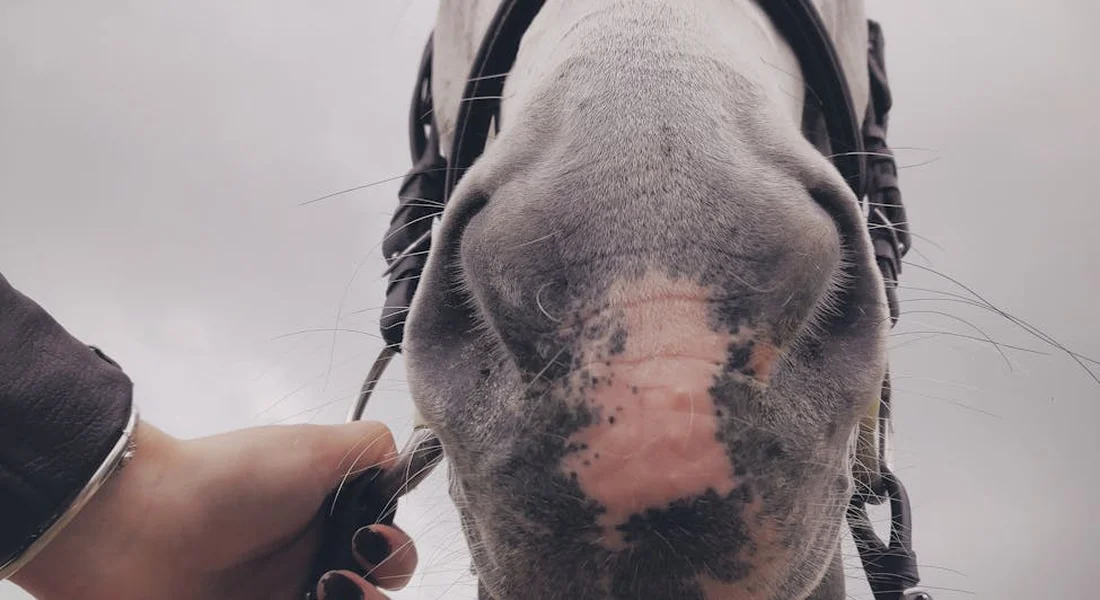
Introducing Yourself in the Stall or Pasture
Walk in slowly, but don’t march straight toward them. I angle my body sideways and avoid staring at Luna’s face-direct eye contact can spook a sensitive horse. Let your first interaction be about observation, not action, giving the horse full control to approach or simply watch you. The goal is to be a non-threatening part of their environment.
How Do You Make a Good First Impression Without Pressure?
Drop all agenda. Your job is to be boring and safe. Speak in a low, monotone voice and move with deliberate slowness. Pressure builds when we ask for something; your only ask in this moment is to share space peacefully. Follow this simple sequence to avoid triggering their flight response:
- Enter the space and stand still, letting them assess you from a distance.
- Offer your scent by extending a relaxed hand, palm down, with fingers curled in.
- If they sniff, resist the urge to immediately pet them. Let that sniff be the reward.
- Leave after a few minutes, before they show any signs of wanting you to go.
I learned this with Pipin; his first week here, I’d just sit in the pasture with a book. His curiosity eventually overrode his caution.
The Power of Short, Positive Sessions
Our brains crave completion, but a horse’s brain learns through repetition of positive outcomes. A marathon session teaches a horse that you are exhausting. Short sessions condition your horse to associate you with quick, easy wins that end before frustration sets in. The sound of your approaching footsteps should signal relief, not work.
How Short is Short Enough to Avoid Overwhelm?
For a new or rescued horse, start with sessions you measure in seconds, not minutes. Asking for one single thing-like touching the halter-is enough. End the moment you get a try, even a hesitant one, and walk away. This leaves them thinking, “That was it?” instead of “What’s next?” Here’s my rule of thumb:
- Very nervous horses: 2-5 minutes of passive presence or one simple request.
- Building on success: 10-15 minutes maximum, blending quiet standing with one or two groundwork cues.
- Always watch for the “release” signals: a deep sigh, licking, chewing, or lowering the head. That’s your cue to stop.
With Rusty, we spent three days just practicing standing still while I rubbed his shoulders. Boring for me, but foundational for him.
Building Through Groundwork and Positive Reinforcement
Groundwork Exercises That Foster Respect and Connection
Groundwork is your shared language. It’s not about making the horse move; it’s about teaching them how to communicate with you. Every time you ask with gentle pressure and release the moment they respond, you deposit trust into your relationship bank. I use a 12-foot lead to give them space to make choices without feeling trapped.
What Simple Groundwork Builds the Most Trust Quickly?
Two exercises yield the biggest return: yielding to pressure and personal space respect. Teaching a horse to yield its hindquarters away from a soft touch demonstrates it trusts your guidance and respects your boundary. Start with these in a quiet, enclosed area:
- Lead and Whoa: Walk together, then stop. Reward the stop with a pause and a soft word. This builds attentiveness.
- Forequarter Yield: Gently press on the shoulder until they step away, then instantly release pressure and rub them. This clarifies your cues.
- Backing Up: Apply light pressure to the chest or lead rope until they take a single step back, then release. This establishes respectful movement.
Becoming a Leader Your Horse Trusts
Trustworthy leadership is predictable and fair. It means controlling the resources-like gate access and feed time-with calm consistency, not anger. Your horse trusts a leader who makes the right thing easy and the wrong thing difficult, without ever becoming scary. I establish this by always moving my horse’s feet before I feed them, a simple ritual that reinforces my role. Being a calm, assertive leader for your anxious horse helps them breathe easier and trust your cues. With steady presence and clear expectations, you guide them toward confidence rather than fear.
How Do You Establish Leadership Without Force or Fear?
Replace intimidation with invitation. Use your body position and energy to ask for movement, not your strength. When you block a horse’s path with your shoulders squared and energy focused, you communicate a boundary without ever needing to touch them. Avoid power struggles by never matching their force. If Luna pulls back, I don’t pull harder; I ask her to yield her hips instead, changing the conversation.
Using Treats and Rewards Effectively
Treats are a tool, not a shortcut. The key is rewarding the behavior you want, not bribing the horse during the behavior. I always deliver a treat after the desired action is complete, so the horse connects the reward with their own correct choice. This prevents them from mugging your pockets and keeps their focus on the task.
What Are the Safest Treats and When Should You Give Them?
Choose treats that are low in sugar and high in safety. I avoid anything crumbly or large. Cut all treats into dime-sized pieces to prolong the reward and eliminate choking risk. Feed from a flat palm to protect your fingers. My go-to list includes:
- Carrot pieces (washed and chopped)
- Apple slices (core and seeds removed)
- Commercial hay cubes or pelleted treats
- Unsweetened shredded beet pulp (soaked)
Time your rewards. Give the treat within three seconds of the good behavior. If your horse becomes pushy, immediately switch to scratch rewards on the withers-most horses find this just as reinforcing. I use treats heavily in early halter training with rescues, then phase to scratches and verbal praise as trust solidifies.
Progressing to Hands-On Care and Handling
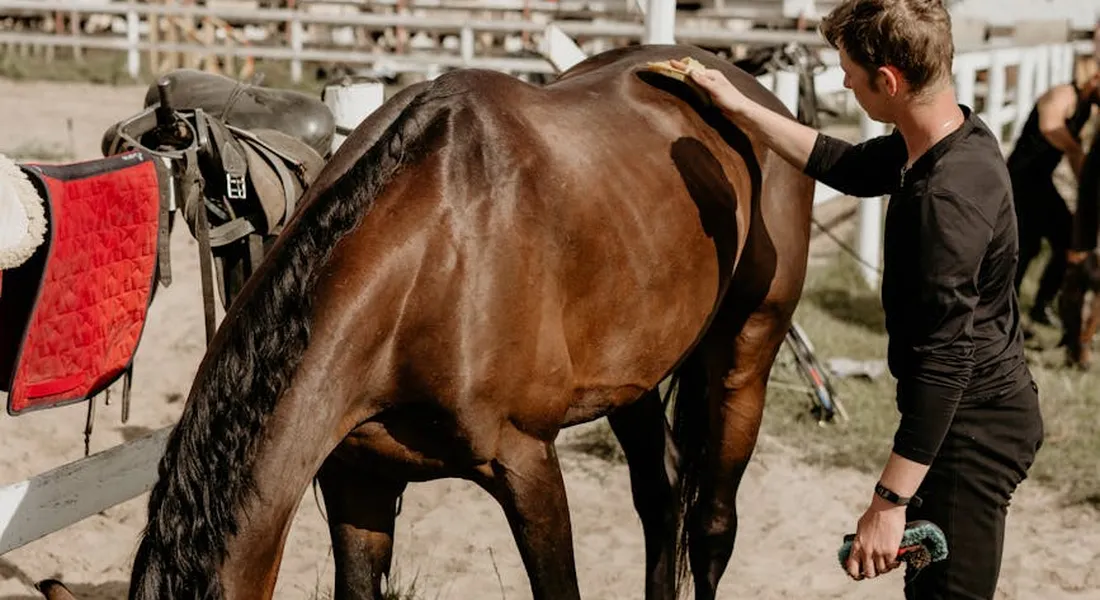
The first touch is a promise. You’re moving from a distant acquaintance to a trusted caretaker. This phase is less about tasks and more about conversation. Your hands are asking questions, and the horse’s skin is answering.
Turning Grooming into a Trust-Building Session
Forget the goal of a spotless coat. The goal is a relaxed sigh. Start where the horse is most comfortable, usually the neck or shoulder. Use a soft brush and match your pressure to their feedback. A tense muscle under your hand means you’re asking too much, too fast. Done right, grooming becomes a step-by-step path to a stronger bond with your horse. Treat each stroke as a quiet conversation that builds trust.
I keep my grooming kit for new horses simple: a rubber curry, a soft body brush, and a hoof pick. The noise of velcro or clanking metal can startle a nervous animal before you even begin. These items are among the essential grooming tools for horses, and knowing which ones to keep on hand makes the process smoother.
Watch their ears and eyes. Half-mast ears and a soft eye mean you’ve hit the right spot. If they lean into the brush, you’ve just received a major compliment. This is how I learned Luna adored a good wither scratch, a detail that became our secret handshake.
How Do You Handle a Head-Shy or Touch-Sensitive Horse?
This is common in rescues or horses with rough handling histories. The key is to make your touch more desirable than the fear.
- Start your touch far from the head, on the neck, and slowly work your hand up toward the cheek.
- Use the back of your hand first; it’s less invasive than fingertips.
- Pair every inch of gained territory with a low-value treat like a bit of hay or a gentle scratch on their favorite spot.
- If they flinch, don’t pull away suddenly. Just calmly retreat your hand to a safe zone and try again.
It’s not a linear process. Some days you’ll gain ground, others you’ll just maintain. Consistency, not speed, builds the memory that human hands near the head mean good things.
Introducing Tack and New Objects with Confidence
To a horse, a saddle pad is a giant, flapping predator until proven otherwise. Desensitization is just systematic proof. Let the object do nothing scary.
I start by leaving new items like a bareback pad or a rope halter in the stall or paddock for days. Let them sniff it, ignore it, step on it. Neutrality is the first victory.
What’s a Foolproof Process for Desensitizing to Saddles and Bridles?
- Phase 1: Sight and Touch. Let the horse see the tack from a distance. Gently rub it all over their body, starting at the shoulder. Drape the girth loosely over their back. Swing it gently at their sides. Reward calmness with a break.
- Phase 2: Pressure and Sound. Fasten the girth loosely, one hole at a time, over several sessions. Let the bridle’s bit rest in your palm for them to lick before it goes near their mouth. The click of buckles should become a boring, predictable sound.
- Phase 3: Integration. With the saddle on, gently bounce your weight in the stirrup before ever swinging a leg over. Let them walk a few steps with the bridle on, then immediately remove it as a reward.
This process turns the unknown into the mundane, and trust flourishes in the absence of surprise. My old guy Rusty taught me to check the girth by the shoulder first, as a heads-up, before reaching underneath-a courtesy he appreciated.
First Steps in Leading and Preparing for Riding
Leading isn’t about pulling. It’s an invitation to walk together. Use a long lead rope to allow space. Ask with energy from your body, a gentle pressure on the rope, and a cluck. Release the pressure the moment they even think about stepping forward.
How Do You Know When Your Horse is Ready for a Rider?
The horse tells you. They are ready when they consistently show you these signs:
- They stand quietly while being groomed and tacked up, without needing to be tied tightly.
- They lead respectfully, without dragging you or lagging behind.
- They accept pressure from the girth and bridle without anxiety.
- They don’t spook at flapping stirrups or your weight bouncing beside them.
- Most importantly, they look to you for guidance in new situations, instead of purely reacting.
Mounting for the first time is not the finish line; it’s just another step in the conversation you started the day you met.
Special Considerations for Rescued or Traumatized Horses
These animals aren’t broken. They are experts in survival. Your job is to prove the world is now safe, and that expertise is no longer required.
Rebuilding Trust After Trauma or Neglect
You must become a relentless source of predictability. Trauma lives in the unexpected. Your voice, your body language, your schedule must be calm and consistent. Move slowly, but think ahead.
Understand that what looks like aggression is often sheer panic. A horse that pins its ears when you approach with a halter might be anticipating pain, not defying you.
What Are the Most Common Mistakes to Avoid with a Rescue?
- Rushing Rehabilitation. You cannot love away trauma on a deadline. Forcing progress destroys fragile trust.
- Using Force to Establish Dominance. Flooding a terrified horse until it “gives up” (shuts down) is not training; it’s further abuse. It teaches them helplessness.
- Neglecting Professional Veterinary and Dental Care. Pain is a massive barrier to trust. A rescue with untreated ulcers or sharp teeth will associate you with that discomfort.
- Assuming All Problems are Behavioral. Often, “bad” behavior is pain, fear, or confusion. Be a detective, not a judge.
Patience here isn’t a virtue; it’s the primary treatment plan.
The Healing Power of Routine and Enrichment
For a horse that has known chaos, a gentle rhythm is medicine. Feed at the same times. Perform chores in the same order. Use the same cues. This builds a framework of safety.
How Can a Simple Routine Make a Fearful Horse Feel Secure?
Predictability allows them to stop being hyper-vigilant. When they know the human will arrive at 8 AM, bring hay, clean the stall, then do gentle grooming, their nervous system can finally relax. The mental energy spent on scanning for danger can be used for healing.
Pair routine with enrichment. For a horse like Pipin, the clever pony, a simple treat ball or a hanging salt lick provided mental stimulation that replaced his urge to find trouble. A bored horse dwells on fear; an engaged horse learns to explore curiosity.
Turnout with a calm buddy is the ultimate enrichment. Watching another horse graze peacefully is the most powerful proof you can offer that the world is no longer a threat.
Knowing When to Call for Backup
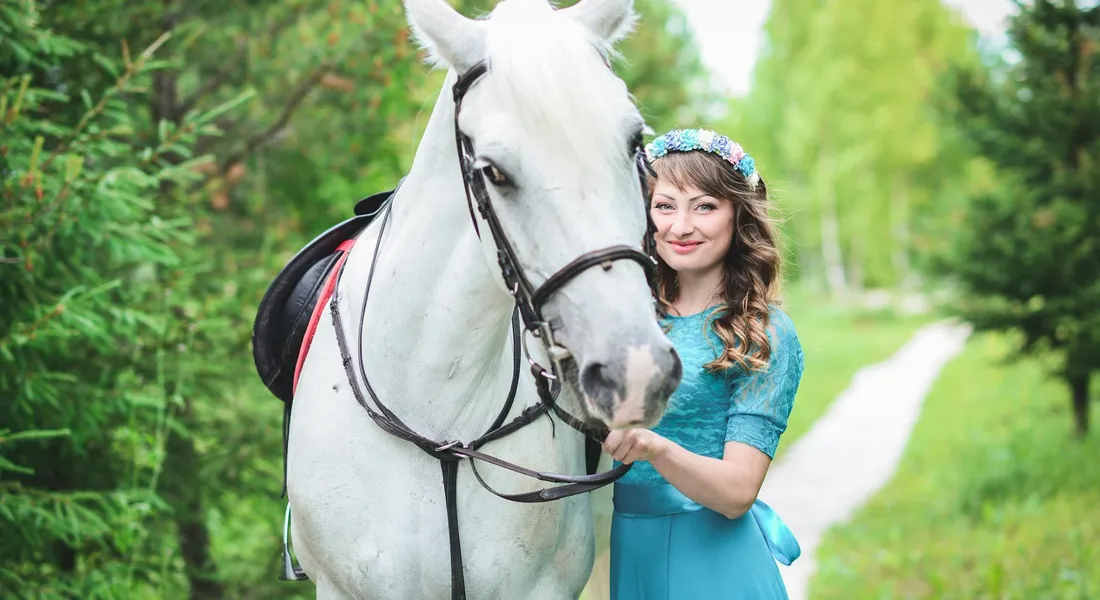
The smell of fresh hay and the quiet sounds of chewing can make the barn feel like a sanctuary. We all want to be the one our horse trusts implicitly. But sometimes, the most profound act of horsemanship is recognizing when you’re not the right person for the next step. Calling in a professional isn’t a mark of failure; it’s a strategic decision for your safety and the horse’s well-being.
Signs You Need a Professional Trainer’s Guidance
Trust-building isn’t linear. Some days feel like breakthroughs, others like you’re speaking different languages. Watch for these persistent patterns that suggest you need an interpreter.
- Your Gut Says “No.” That tight feeling in your stomach when you lead them, or the hesitation before entering their stall, is data. Your subconscious is noting subtle threats you can’t yet articulate.
- The Horse is “Shut Down” or Dangerously Reactive. A horse that stands frozen, eyes glazed, is not learning. Neither is one who consistently rears, strikes, or kicks out with little warning. These are communication breakdowns needing expert translation.
- You’re Repeating the Same Lesson with No Progress. If you’ve spent three weeks trying to calmly pick up a hind foot with the same explosive result, you’re not in a training loop-you’re in a rut. A fresh perspective can find the key.
- Your Confidence is Eroding. Fear is contagious. If you’re becoming anxious, your horse will mirror it, creating a vicious cycle. A pro can restore confidence for both of you.
When Should You Definitely Seek Help from an Expert?
Some scenarios are bright red flags. From personal missteps, I’ve learned that waiting too long helps no one. With our sensitive thoroughbred, Luna, I once misinterpreted her tension as stubbornness. A trainer showed me it was pain-related, saving us months of frustration.
Seek immediate guidance if you encounter any of the following:
- Aggression Over Resources: Guarding food, water, or space to the point of threatening humans or other horses.
- Uncatchable in a Pen: A horse that cannot be safely caught in a reasonable-sized enclosure needs professional intervention to rebuild that fundamental partnership.
- Severe Claustrophobia: Panic in trailers, stocks, or stalls that risks injury to the horse or anyone nearby.
- History of Abuse or Severe Neglect: These horses often have complex psychological trauma. Guessing can re-traumatize them. An expert in rehabilitation can build a correct, ethical program.
- You Feel Out of Your Depth: Full stop. If the thought of dealing with the issue makes your palms sweat, it’s time. This is the smartest call you can make.
Think of a professional trainer as a skilled translator. They can hear what your horse is saying in its behavior and teach you how to respond in a language it understands. Investing in a few sessions early on can prevent years of misunderstanding and build a safer, clearer foundation for your entire relationship together.
FAQ: How to Build Trust with a New or Rescued Horse
How can I use body language to communicate trust?
Use calm, predictable movements like approaching at an angle to appear non-threatening. Soften your gaze and blink slowly to avoid intimidating direct eye contact. Synchronize your breathing to a deep, steady rhythm to help the horse relax and mirror your calm energy, especially before you handle a stressed horse.
What treats or rewards are safe and appropriate to use?
Opt for small, low-sugar treats such as chopped carrots or apple slices to minimize health risks. Always offer treats from a flat palm to prevent accidental bites and encourage polite behavior. Reward immediately after a desired action to reinforce positive choices without creating pushiness.
What are common mistakes to avoid when building trust?
Do not rush the process, as imposing a timeline can overwhelm the horse and erode fragile confidence. Avoid using force or intimidation to establish leadership, which can lead to fear-based reactions or shutdown. Overlook underlying pain or health issues, as discomfort from untreated problems can hinder trust and mimic behavioral challenges.
The Path to Partnership
Trust is built through daily, gentle rituals and letting the horse choose to engage. Your most powerful tool is a predictable routine that allows the horse to anticipate and welcome your presence, helping to build a strong bond and trust with your horse.
This work requires a generous dose of patience, which is the bedrock of safety for you and your horse. True horsemanship means listening to what your horse is telling you, more than you tell them. It’s essential to have a deep understanding of horse behavior and psychology to truly connect with your equine partner.
Further Reading & Sources
- r/Horses on Reddit: Seeking Advice: Building Trust with a Rescued Horse
- Getting a Rescued Horse to Trust You – Horse Illustrated
- Using Everyday Situations to Build Trust with Your Horse
- Gaining the Trust of an Abused Horse – Listen To Your Horse
At Horse and Hay, we are passionate about providing expert guidance on all aspects of horse care, from nutrition to wellness. Our team of equine specialists and veterinarians offer trusted advice on the best foods, supplements, and practices to keep your horse healthy and thriving. Whether you're a seasoned rider or new to equine care, we provide valuable insights into feeding, grooming, and overall well-being to ensure your horse lives its happiest, healthiest life.
Behavior