
Do Horses Enjoy Being Ridden? Understanding Their Comfort and Response
Hello from the barn aisle. If you’ve ever watched your horse swish its tail or pin its ears when the saddle comes out, you’ve probably wondered if this whole riding thing is a mutual agreement. That quiet worry in the back of your mind is a sign of a good horseman.
We’ll tackle the real signs of a content horse versus one that’s just tolerating us. You’ll learn to read the subtle signals, from soft eyes to happy sighs, that tell you more than any buck or bolt ever could. We’ll look at how our tack and riding style directly affect their answer. Most importantly, we’ll explore how to earn a partnership where your horse actively chooses to work with you.
My years in the barn managing everything from cheeky ponies to sensitive Thoroughbreds have taught me that the question isn’t just “do they like it,” but “how can we make it better.”
What Does “Enjoyment” Really Mean for a Horse?
We often project our ideas of fun onto horses, picturing them loving a good gallop like we do. True equine enjoyment, through a behavioral science lens, is far simpler: it’s a state of positive welfare where their core needs are met and they show no signs of distress. Think of it as the difference between your horse tolerating a task and actively choosing a relaxed, cooperative state. I assess this daily in the barn by watching how a horse behaves when left to its own devices-a content horse grazing with a buddy, ears softly flicking, is the best analogy for under-saddle enjoyment. This naturally invites a closer look at whether horses engage in social play and how they understand those playful exchanges. Understanding their social play behavior can reveal how they interpret signals from peers and adapt their actions.
Their fundamental needs aren’t complicated. Before we even think about saddles, a horse requires:
- Safety: Freedom from fear and pain.
- Comfort: Easy movement, proper diet, and turnout.
- Social Contact: Interaction with other horses, even if it’s just over a fence.
Riding fits into a domesticated horse’s life not as a natural act, but as a learned partnership that can be positive when layered atop this foundation. When their basic welfare is prioritized, riding becomes a job some horses can find satisfying, much like a good stretch or a mutual grooming session. I’ve seen old reliable Rusty actually seek out his saddle on trail days, which speaks more to his trust and comfort than any human idea of “fun.”
Decoding the Silent Conversation: Body Language Under Saddle
Your horse is talking with every muscle twitch and ear flick. Learning this silent language is the key to answering our central question. Forget guessing; look for these clear, physical reports. By learning to talk their language, we can understand them better and build clearer communication. In the next steps, we’ll explore how talking with horses translates into stronger relationships.
Signs Your Horse is Relaxed and Engaged
This is the gold standard. You’ll see a mix of physical ease and behavioral willingness. A relaxed horse under saddle moves with a rhythmic, flowing energy that feels effortless in your hands. For deeper context, understanding horse behavior and psychology explains why these cues matter. The guide ties what you see to how the horse is thinking. Watch for these physical cues first:
- Soft, blinking eyes with no white showing.
- A low, natural head carriage, not forced down.
- A loose, swinging tail that follows the motion of the hindquarters.
- Quiet, “listening” ears that swivel gently toward you or forward.
- A soft jaw, often with rhythmic chewing or licking without a bit.
The behavior tells the rest of the story. You’ll feel a willing push from behind into a steady contact, not a pull from your arms. Look for smooth transitions between gaits, the occasional deep sigh or snort, and a general attitude of calm attention. When Luna gives one of her signature snorts on a long rein, I know the tension has melted away.
Signs Your Horse is Stressed or Uncomfortable
Discomfort speaks loudly if you know the signs. Stress often starts subtly before escalating. Pinned ears are a classic red flag, but a clamped tail or a rigid jaw are equally telling warnings. These physical signs scream for a check-up, either of your tack or your approach:
- Ears pinned flat back against the head.
- Tail clamped tightly between the hind legs or held stiffly.
- A tense, locked jaw, sometimes with teeth grinding.
- The whites of the eyes showing consistently (not just a glance).
- A high, stiff head carriage that resists gentle contact.
Their actions become defensive. Tail swishing aggressively when flies aren’t present is a major sign of irritation or pain, not just bad manners. Other behavioral cues include constant resistance to leg or rein aids, rushing or bolting, hollowing the back, and evasive actions like bucking or freezing. I learned with Pipin that his sudden “freeze” wasn’t stubbornness, but confusion that required patience, not pressure.
The Comfort Checklist: How Tack and Pain Affect Response

Watch your horse’s face when you bring out the saddle. A pinned ear or a swishing tail isn’t a bad mood; it’s a report card on your equipment. Ill-fitting tack causes real pain, and pain creates resistance, fear, or shutdown. Your horse’s willingness to be ridden is directly proportional to their physical comfort, starting with what you put on their body. The creak of leather under strain is a sound you never want to hear.
Make a monthly tack check as routine as picking hooves. Run your hands over every strap, looking for wear. Feel for lumps in the padding. This simple habit catches small issues before they become big problems.
Saddle Fit: The Biggest Offender
A poorly fitting saddle is the primary source of ridden discomfort. It’s like asking your horse to carry a rocky backpack all day. Signs of a poorly fitting saddle can be subtle, but paying attention to them is crucial. Here is a basic pre-ride check you can do yourself.
- Check Wither Clearance: With the saddle placed and girth snug, slide your fingers vertically between the pommel and the withers. You want a clear two to three fingers of space.
- Verify Spine Clearance: Look through the gullet channel from front to back. You must see a clear path of daylight along the entire spine. No contact is allowed.
- Assess Pressure Distribution: After a short ride, feel the sweat pattern on their back. An even, damp mat is good. Dry patches signal high pressure points.
- Perform the Shimmy Test: Try to rock the saddle side-to-side at the pommel. A well-fitted saddle stays stable. Movement means the tree width is incorrect.
- Invest in a Professional: A certified saddle fitter is essential. I schedule one for my herd every spring and fall, as a horse’s shape changes with work and seasons.
The Bit, Bridle, and Rider’s Hands
The bit is a communication device, not a control lever. The wrong one, or rough hands, turns conversation into conflict. The cold feel of metal should be neutral, not a threat.
- Select the Bit for the Mouth: Consider your horse’s mouth conformation. A thick tongue needs a thinner mouthpiece; a low palate may need a slight port. For my sensitive Thoroughbred, Luna, we use a mild snaffle.
- Your Hands Complete the Circuit: Harsh, static hands cause evasion-head tossing, gaping mouths, behind the bit. Your hands must be alive, following the motion of the head.
- Prioritize Dental Health: Sharp teeth edges or ulcers make any bit torture. Annual dental floats are non-negotiable. I’ve seen cranky horses become willing partners after a float.
Building a Willing Partner: Training Mindset and Methods
Forced compliance builds resentment. Willing partnership is built through patience and positive reinforcement. I learned this with Pipin, our food-motivated Shetland. Yelling just made him a better escape artist. Offering a choice and a reward made him curious. Training is about inviting your horse into the work, not corralling their spirit. The thud of hooves should sound relaxed, not anxious.
Gentle horsemanship means seeing the horse in front of you, not the one in your dreams. Some days, the best ride is a hand-graze in the sun.
Steps to Foster Willingness
- Establish Foundation on the Ground: Clear communication starts before you mount. Practice moving the hips and shoulders, backing up, and standing calmly. This builds a shared language of pressure and release.
- Keep Sessions Short and Positive: End on a good note, even if it’s a simple halt. Twenty minutes of focused, successful work is far better than an hour of frustration for both of you.
- Incorporate Variety: Prevent boredom by changing the routine. Mix arena figures with trail walks or ground pole exercises. A engaged mind is a willing mind.
- Honor Their Daily State: Check in physically and mentally. Is your horse sore from yesterday? Distracted by wind? Adjust your plan. With Luna, if she’s tense, we skip riding and just hang out.
The Rider’s Influence: Your Seat, Hands, and Energy
Your Body is the Conversation
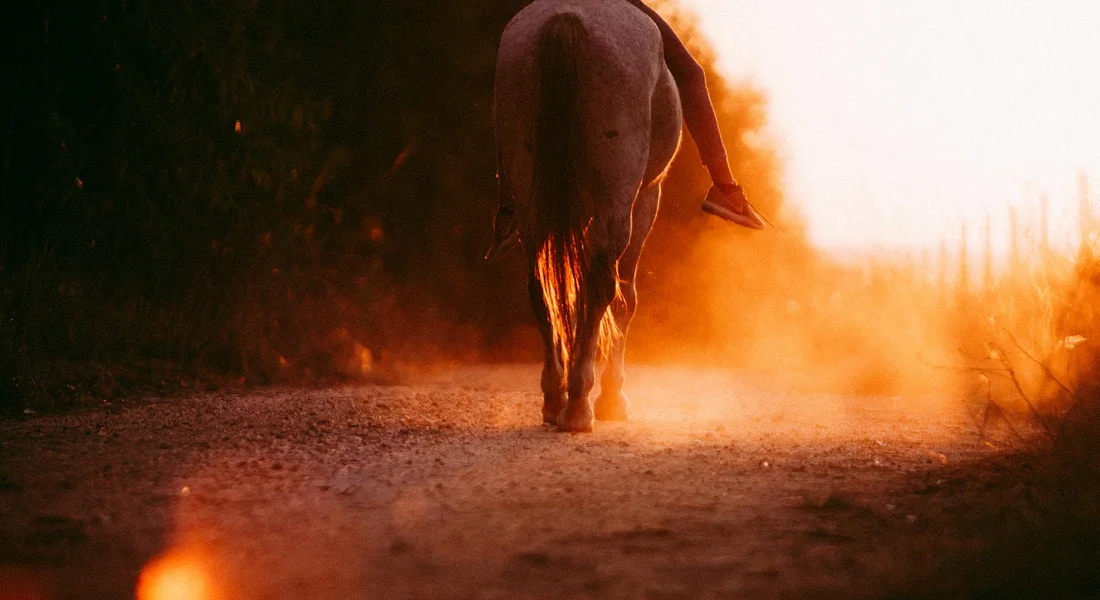
Your horse feels every thought in your muscles. I once watched Luna’s smooth trot fracture into a jig because I was thinking about a missed deadline, my shoulders creeping toward my ears. Your posture sets the tempo, the rhythm of the ride. A collapsed chest can drag a horse’s energy down, while a rigid, braced core shouts “panic” and speeds everything up. Contact is not constant pull. It is a living, elastic connection, like the give in a rubber band. Your seat and hands are a continuous broadcast, and your horse is always listening, translating your balance and your breath into movement or mayhem.
Practical Tips for Clear, Kind Communication
- Maintain a balanced seat: Sit like a tree, roots deep and trunk supple. Your weight should be evenly distributed over your seat bones, not tipped forward or back. When Rusty spooks at a puddle, my solid seat gives him confidence instead of throwing him off balance.
- Use independent aids: Your legs, seat, and hands must work separately. Ask for a turn with your inside leg before you touch the rein. It is like stirring coffee while walking. The skills are distinct but work together for a purpose.
- Keep hands soft and following: Let your elbows be hinges, not locks. Follow the natural nod of your horse’s head to maintain a consistent, gentle feel on the bit. A still hand is a punishing hand over uneven ground.
- Breathe deeply to stay relaxed: Force a long exhale when you feel tension. I make a habit of blowing out audibly on the long side of the arena. Pipin’s ears flick back, and his stride instantly lengthens. Your breath controls your nervous system, and by extension, your horse’s.
Rider anxiety is contagious. Your tight calves, your held breath, your death grip on the reins all scream “danger” to a prey animal. A nervous rider creates a tense horse, turning a simple trail ride into a cycle of mutual stress that neither of you enjoys. A calm, assertive leader for your anxious horse helps steady both of you on the trail. Your confidence becomes the cue your horse learns to follow.
When It’s Not Enjoyment: Identifying Pain and Avoidance
Reading the Signs: When “No” Means “Hurt”
Enjoyment requires comfort. A horse avoiding work is not giving you attitude. He is sending a distress signal. Look for the small tells: swishing tail during specific movements, a reluctance to stand for mounting, or a dip in the back when you first settle in the saddle. A change in demeanor, like a usually willing horse becoming sour or sluggish, is a major red flag. Ignoring these signs risks your safety and your horse’s welfare, turning pain into a behavioral problem that punishment will only worsen.
Common Sources of Riding Discomfort
- Back pain: Sore muscles or spinal issues from poor saddle fit or unbalanced riding. A saddle that bridges does not touch the middle of the back, creating pressure points at the front and rear.
- Ill-fitting tack: This includes pinching tree points, a girth that rubs, or a bit that is too narrow or too thick for the mouth. I found a raw spot under Luna’s girth because the billet guard had folded.
- Dental problems: Sharp hooks on molars or painful ulcers on the cheeks make bit contact excruciating. Regular exams are as vital as hoof care.
- Arthritis: Joint inflammation, common in older athletes like Rusty, causes stiffness that makes bending and transitions painful.
- Ulcers: Gastric or colonic ulcers flare under pressure from the girth and core engagement. They are a silent epidemic in stalled horses.
Your first call should always be to your veterinarian, followed by a saddle fitter or bodyworker. They see what we miss.
Behavior as a Cry for Help
- Napping: Refusing to move forward or constantly trying to turn home. This is often a direct protest against pain, not stubbornness.
- Rearing or bucking: These are desperate evasion tactics. A horse that feels trapped by pain may resort to explosive behavior. Correcting the action without finding the cause is dangerous.
- Sudden spookiness: A horse in constant low-grade pain, like from ulcers, lives on edge. The world seems full of threats, making him reactive to normal sights and sounds.
- Head tossing or mouth gaping: Clear signs of distress in the mouth or poll, often related to the bit, teeth, or restrictive headgear.
I remember a lesson horse who began stopping at jumps. He was called lazy until a chiropractor found severe soreness in his sacrum. Behavior is information. Punishing a symptom is like silencing an alarm while the fire still burns.
Making the Ride Rewarding: Enrichment and Partnership
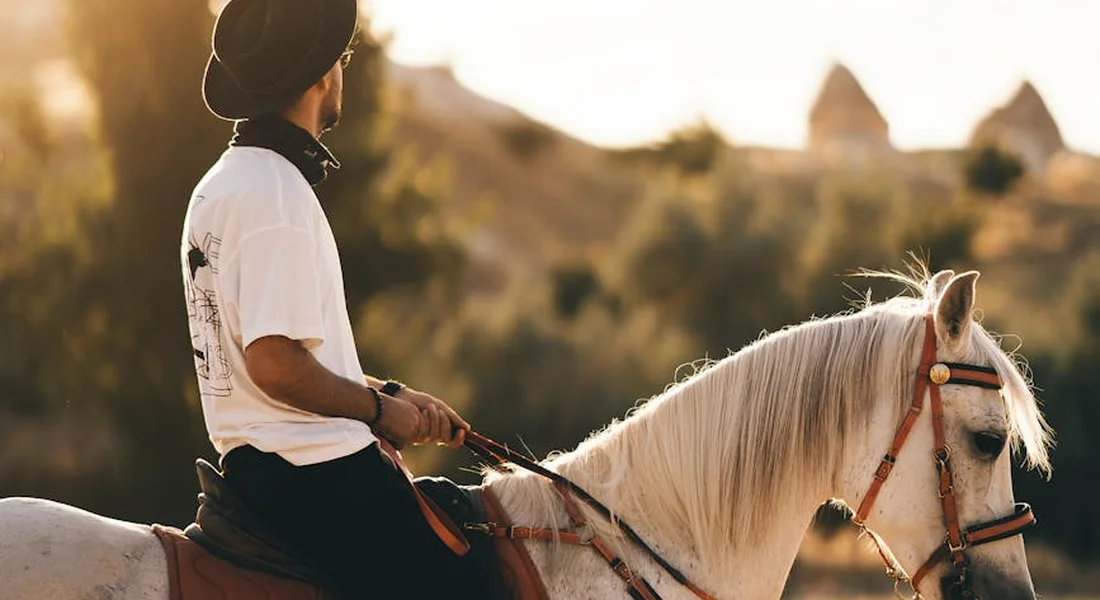
Riding doesn’t have to be a chore for your horse. When we frame it as a collaborative part of their day, their whole demeanor can shift. I’ve seen it firsthand with Luna, my sensitive Thoroughbred. Our rides transformed from tense negotiations into relaxed conversations once I stopped treating them as isolated training sessions and wove them into her overall well-being.
The goal is to make the saddle time a highlight, not a hassle, by meeting their fundamental needs first and making the work itself engaging.
Guidance: Offer practical, everyday “stable hacks” to increase equine welfare and make riding a positive part of their life.
Think of your horse’s day as a pie chart. If the largest slice is stall confinement, a small slice of riding feels like an imposition. But if the largest slice is freedom and forage, the riding slice becomes a interesting change of pace. Your management sets the stage for their willingness.
Nothing improves a horse’s attitude under saddle like the simple, profound act of letting them be a horse first. A horse who has spent the morning dozing in the sun, grazing, and rolling is mentally and physically primed for partnership. As social animals, horses need companionship, and herd dynamics shape their mood. Recognizing this helps riders plan turnout and interactions that support calm, cooperative behavior under saddle.
Tips for a Happier Riding Experience
These aren’t grand gestures, but small, consistent practices that build a positive association with you and the work.
- Prioritize Turnout Before Tack-Up: If possible, ensure your horse has had several hours of loose movement and social time before you ride. A horse full of pent-up energy is distracted and tense. A horse who has already stretched his legs and scratched his buddy’s withers is far more likely to settle into work calmly. I always turn Rusty out first thing; our afternoon trail rides are infinitely smoother for it.
- Incorporate Trail Rides and Novelty: The arena is a gymnasium. The trail is an adventure. Regular trail rides provide massive mental stimulation, building confidence and breaking the monotony of ring work. Let them look at scary stumps. The act of navigating varied terrain is fantastic for building balance and trust. Even a ten-minute walk down the farm lane can reset a sour mood.
- Use Strategic Positive Reinforcement: Find what your horse loves and use it as communication. For Pipin, it’s a single piece of his pellet. For Luna, it’s a deep, satisfying scratch at the base of her withers the moment she offers a soft, downward transition. Reward the try, not just the perfect outcome, to build a horse that actively problem-solves with you. The treat should follow the desired behavior immediately, so the connection is clear.
- Listen and Adjust in Real-Time: Is your horse unusually resistant to a particular cue today? Is his head higher, his jaw tighter? That’s feedback, not defiance. It could be a poorly fitting piece of tack, a sore muscle, or simple distraction. Be a detective, not a dictator. Sometimes the best ride is the one where you dismount after twenty minutes of peaceful walking because that’s what your partner needed.
- End on a Good Note, Every Time: Finish your session with something simple and correct-a perfect halt, a soft bend, a calm stand on the buckle. Then get off. Dismount while the attitude is positive. This leaves the lasting impression that work leads to release and relief, not escalating demands.
Watch for the subtle signs of a content partner: a soft snort, a relaxed licking-and-chewing motion after a correct effort, or a willing walk towards the mounting block. These quiet moments tell you more about their enjoyment than any grand gesture ever could.
FAQ: Do Horses Enjoy Being Ridden? Understanding Their Response to Riding
How do I know if my horse is enjoying the ride rather than just tolerating it?
Observe for consistent, subtle cues like a relaxed posture and gentle snorts during work. A horse that willingly moves forward and maintains soft contact with the bit is likely engaged. Persistent signs of tension, such as a stiff jaw or avoidance, suggest mere tolerance and warrant a check for underlying issues. By learning to read your horse’s body language, you can tell if they’re happy. This awareness helps you respond quickly to their needs.
What steps can I take to make riding more enjoyable for my horse?
Prioritize regular turnout and social time to meet their natural needs before riding. Use positive reinforcement, like treats or scratches, to reward cooperative behavior during sessions. Keep rides varied and short to prevent boredom and build a trusting partnership over time.
Can older or previously abused horses learn to enjoy riding?
Yes, with a patient and empathetic approach, many can rebuild trust and find pleasure in riding. Start with groundwork and gradual desensitization to create positive associations. Consulting a veterinarian or behaviorist can help address past trauma and ensure physical comfort for a successful transition.
Your Role in the Partnership
A horse’s willingness is built through clear communication, physical comfort, and positive experience. By working to build a strong bond and trust with your horse, you unlock true cooperation in every ride. Their enjoyment isn’t a given; it’s a direct reflection of our daily care, tack fit, and riding skill.
Move forward with patience, always putting your horse’s soundness and peace of mind first. The truest answer to whether your horse enjoys being ridden comes only from quietly listening to them and understanding their sounds and vocalizations.
Further Reading & Sources
- 10 Ways to Build Confidence Before Riding Your Horse – Ridely
- Managing Your Horse’s Riding Stress
- 26 Tips for a More Comfortable Endurance Ride
- Calming the anxious horse
At Horse and Hay, we are passionate about providing expert guidance on all aspects of horse care, from nutrition to wellness. Our team of equine specialists and veterinarians offer trusted advice on the best foods, supplements, and practices to keep your horse healthy and thriving. Whether you're a seasoned rider or new to equine care, we provide valuable insights into feeding, grooming, and overall well-being to ensure your horse lives its happiest, healthiest life.
Behavior