
Natural vs. Synthetic Tack: A Practical Guide for the Real World
Hello from the tack room. I see you there, running your hand over a beautiful leather saddle and then glancing at the lighter, cheaper synthetic one next to it. Your head is spinning with questions about what’s truly best for your horse and your wallet.
It’s a real choice. Pick wrong, and you’re facing a sore-backed horse, a blown budget, or hours of maintenance you didn’t sign up for. Let’s clear the air and the saddle soap fog. We’ll break this down side-by-side, focusing on real-world durability against daily barn grind, honest upfront and long-term costs, and the actual daily care rituals each material demands.
I’ve conditioned, patched, and replaced my fair share of both types over years of barn management and training, and I’m here to give you the grounded, hay-in-your-hair truth.
Defining the Players: What is Natural and Synthetic Tack?
Open any tack room trunk and you’re faced with a choice between two worlds: natural tack from animal or plant sources, and synthetic tack born from modern materials. The simplest way to think of it is that natural tack ages with character, while synthetic tack fights the elements with consistency. I’ve mended both types in the aisle, and the feel is distinct-the supple, familiar creak of a well-oiled leather bridle versus the silent, stiff pull of a brand-new synthetic one.
- Natural Tack: Made from organic materials like leather, cotton, or rawhide. It breathes, molds to the horse, and requires regular care to maintain.
- Synthetic Tack: Made from man-made materials like nylon, polyester, or Biothane. It’s often lightweight, waterproof, and needs minimal conditioning.
Natural Tack Materials: More Than Just Leather
Leather is the star, but it’s not the only player. Good leather starts stiff and forms a trusting partnership with you and your horse over hundreds of rides. Rawhide is tougher and often used for knotty items like bosals, while cotton and linen feature in web reins or saddle pads for breathability. My old quarter horse Rusty’s first leather bridle has developed a deep, russet patina over twelve years that tells the story of every trail we’ve ridden.
Synthetic Tack Materials: From Nylon to Biothane
This category has evolved from stiff, scratchy nylon to sophisticated, supple composites. Neoprene offers cushioned grip for boots and girths, while Biothane is the champion of wash-and-wear, boasting a glossy finish that shrugs off mud. The synthetic aisle has a specific smell-a clean, almost plastic scent-that’s far from the rich, organic odor of oiled leather. It’s the smell of practicality.
The Durability Debate: Which Material Withstands Daily Grind?
Durability isn’t just about what lasts longest in a closet; it’s about what survives the pasture, the rain, and the occasional equine taste test. To test any tack’s mettle, look at the stress points: billet straps, buckle holes, and anywhere friction occurs. My thoroughbred Luna once decided her synthetic halter was a chew toy; it frayed quickly, while a leather one would have likely just gained some toothy character.
Leather’s Longevity: Patina vs. Perforation
High-quality leather, when cared for, can outlive the horse it was bought for, developing a beautiful patina that signals good health. Leather’s worst enemies are consistent dampness, which breeds mold, and neglect, which leads to dry, cracked fibers prone to tearing. Check your leather every month for these warning signs:
- Flex straps over your knee to listen for cracking sounds.
- Inspect stitch lines for rotting thread or pulled stitches.
- Look for deep, dry cracks or areas that have become thin and stiff.
Synthetic’s Strength: Tear Resistance and Weatherproofing
Synthetics win hands-down in consistently wet or muddy environments. A Biothane bridle can be hosed off after a sloppy trail ride and be ready to use again in an hour, no oiling required. This makes it ideal for several barn scenarios:
- Winter paddock turnouts where tack gets soaked daily.
- Long-distance trail riding where weight and easy cleaning are key.
- Young or playful horses like Pipin, who might rub or roll on everything.
Side-by-Side: Real-World Barn Stories
Seeing both materials work day-in and day-out tells the real story. I had a synthetic web girth that lasted five years of daily use with minimal fading, while a cheaper leather girth needed replacement after three due to stretched billet holes. Understanding how care differs between synthetic and leather gear helps explain these outcomes. Conversely, a well-maintained leather saddle tree will outlast any synthetic saddle’s plastic one. For muddy ponies, I always reach for synthetic; for a sensitive horse’s face, the soft give of good leather is irreplaceable.
Counting the Costs: Upfront Price and Lifetime Value

That initial price tag only tells part of the story. True cost-effectiveness is measured over years of sweaty rides, muddy trails, and dusty arena sessions. In my barn, I’ve budgeted for everything from Pipin’s pony-sized escapades to Luna’s thoroughbred intensity. Smart tack spending means balancing your wallet’s comfort with your horse’s long-term safety.
| Factor | Leather Tack | Synthetic Tack |
|---|---|---|
| Initial Price | High: Expect $200-$800 for bridles, $800-$3000+ for saddles. | Low: Typically $50-$200 for bridles, $300-$1000 for saddles. |
| Upkeep Cost & Time | Moderate to High: Requires regular conditioning products and dedicated cleaning time. | Very Low: Usually just soap, water, and a few minutes of your time. |
| Repairability | High: A skilled saddler can restitch, replace panels, and bring old leather back to life. | Very Low: Most damage, like torn webbing or cracked plastic, necessitates a full replacement. |
For the pleasure rider on a tight budget, synthetic offers a fantastic, low-barrier entry point. If you ride frequently and value gear that ages with character, leather often proves cheaper per ride over a decade. Beyond gear, consider the best horse breeds for trail use for longer, safer rides. A quick guide to trail-friendly breeds can help you pair equipment with your plan.
Initial Investment: Leather’s Premium vs. Synthetic’s Savings
The difference at purchase is stark. A well-made leather bridle has a heft and smell that commands a premium, while synthetic versions are lightweight and budget-friendly. I bought Rusty a synthetic trail bridle for wet weather that cost less than a good bottle of leather conditioner. For saddles, the gap is even wider. Beyond leather vs synthetic, saddle design matters too—treed and treeless saddles offer different fit and rider feel. That design difference can affect comfort just as much as the materials. You can find quality leather without bankruptcy by seeking out off-season sales, trusted second-hand markets, or prioritizing solid construction over ornate tooling.
Hidden Expenses: Maintenance, Repair, and Replacement
Leather’s hidden cost is your time and a shelf of care products. Annually, I budget for saddle soap, neatsfoot oil, and wax for the barn’s leather gear. Synthetic hides its cost in replacement cycles. Luna’s first synthetic girth looked great but developed a stiff buckle plate after two years; it was trash. A leather girth, with an occasional oiling, can outlast several horses. Always weigh the convenience of low upkeep against the frustration of frequent, unrepeatable replacements.
The Care Routine: Keeping Your Tack in Fighting Shape
Your care routine is a direct line to your horse’s comfort and your own safety. A quick pre-ride check of stitches and leather feel can prevent a broken billet or a painful rub. I run my hands over every inch after un-tacking, listening for any suspicious creaks or feeling for new stiff spots. This tactile inspection is the simplest, most effective safety check you can perform.
Leather Care: Oils, Waxes, and Elbow Grease
Leather is a living material that thrives on consistent care. Here is my post-ride ritual for Rusty’s dependable leather saddle:
- Knock off dried mud with a soft brush.
- Wipe thoroughly with a damp cloth to lift sweat and salt.
- Lather a glycerin saddle soap with a sponge and work it into every strap, crevice, and panel.
- Wipe off excess soap with a clean, barely-damp cloth.
- Let it air dry naturally, away from heaters or sun.
- Once dry, massage in a light oil or conditioner to maintain suppleness.
I condition leather every few weeks, or more often in dry heat. Regular oiling keeps leather from drying into a brittle, cracked state that can snap under pressure.
Synthetic Care: Quick Wipes and Deep Washes
Synthetic care is famously straightforward, a blessing after a rainy ride. For Pipin’s synthetic driving harness, which gets filthy, here’s the drill:
- For everyday grime, a wipe with a soapy, damp cloth does the trick.
- For a deep clean, hose it down or soak it in a tub with mild detergent.
- Scrub with a soft-bristled brush to get into textured surfaces.
- Rinse completely and hang to dry; it’ll be ready in an hour.
Synthetic resists mold and water, but sun is its enemy. A five-minute wipe-down preserves synthetic materials and prevents a buildup of dirt that can chafe your horse’s skin.
Storage Smarts: Protecting All Tack from Elements
Improper storage ruins good tack faster than rough use. I’ve rescued moldy bridles from damp tack rooms and sun-bleached saddles from near windows. Follow these barn-tested rules:
- Do use wide, padded saddle racks and bridle hooks to maintain shape.
- Don’t store any tack in direct sunlight or damp, unventilated spaces.
- Do ensure leather is clean and conditioned before long-term storage.
- Don’t put away synthetic tack while it’s still wet; trapped moisture can cause mildew.
- Do cover tack with a breathable cotton sheet to deter dust and pests.
A cool, dark, and dry storage spot is the best insurance policy for your tack investment, regardless of material.
Horse Comfort and Rider Performance: The Feel Factor

The debate between leather and synthetic isn’t just about what hangs in your tack room. It’s about the conversation between you and your horse. The materials you choose directly translate into signals, comfort, and ultimately, trust. Your tack is the primary interface for communication, so its feel dictates the quality of that dialogue.
How Tack Materials Affect Your Horse’s Movement
Think of your horse’s shoulders and back as a complex, moving landscape. A stiff or non-breathable saddle pad or girth can chafe and restrict that fluid motion. Leather, once broken in, conforms beautifully to a horse’s shape, but it requires a diligent break-in period to avoid pressure points.
Synthetic materials often lack this molding ability, but many modern designs use flexible panels and moisture-wicking liners to prevent sweat buildup. A sweaty back under a non-breathable saddle is a shortcut to girth galls and a sour attitude, something I monitor closely with my sensitive Thoroughbred, Luna.
Breathability is king for horse comfort. Leather allows for some air transfer, while high-tech synthetics excel at pulling moisture away from the skin. For the horse who lives for turnout, a quick-drying synthetic girth can mean the difference between a comfortable post-ride roll and a damp, itchy wait.
Rider Feedback: Grip, Flexibility, and Security
From the rider’s perch, the difference is profound. A well-oiled leather saddle has a deep, secure seat that seems to hold you in place. The bridle leather feels substantial in your hands, offering nuanced communication. That classic leather feel provides a level of connected feedback that many competitive riders, especially in dressage, are reluctant to sacrifice.
Synthetic saddles can feel more rigid initially, but their lighter weight is a genuine advantage for trail riding or daily grooming. The grip varies widely; some suede-like seats offer fantastic security, while smoother finishes can feel slippery in jeans. I’ve found synthetic bridles fantastic for young horses in training-they’re less intimidating if they get bumped, and cleaning off slobber is a one-minute task.
Your security is paramount. A saddle that feels “dead” or unresponsive under you can compromise your balance. Test different materials to find what gives you the confidence to move with your horse, not against him. A step-by-step saddle fitting guide can help you ensure a proper fit, supporting balance and comfort for both of you.
Choosing Your Champion: Matching Tack to Your Equestrian Life
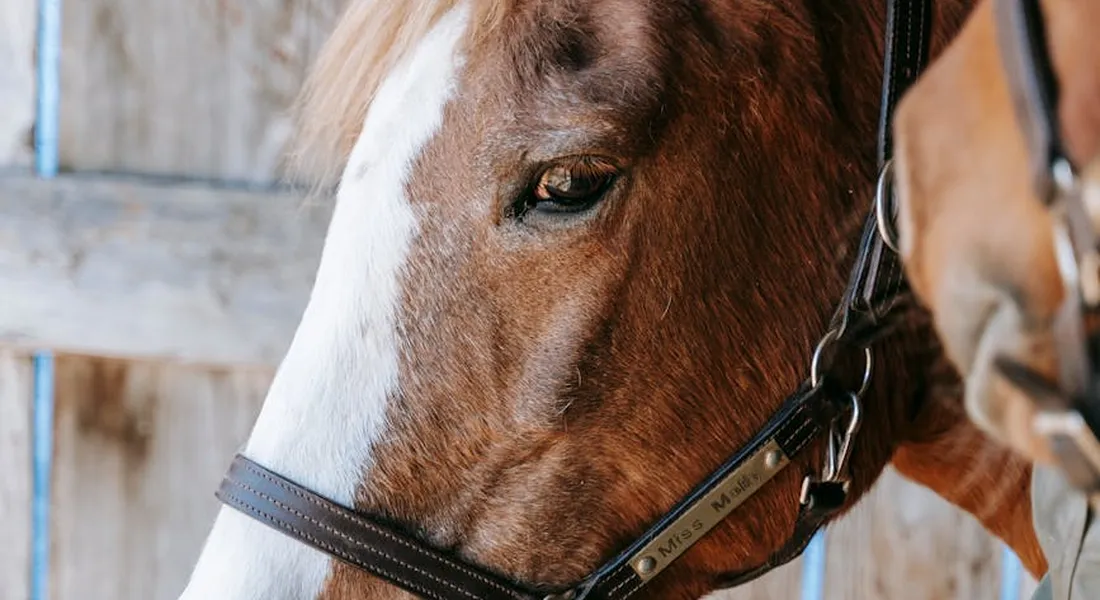
There is no single “best” material, only the best fit for your specific partnership, routine, and wallet. Let’s break down the decision by lifestyle.
For the Trail Rider: Endurance and Weather Resistance
If your arena is the great outdoors, your tack needs to be as resilient as you are. This is where synthetic gear often shines.
- Durability Against Elements: Synthetic tack doesn’t rot or mildew when caught in a surprise rainstorm. It wipes down dry. Remember Rusty, my puddle-hating Quarter Horse? His synthetic trail saddle has endured many a hasty retreat from water hazards with zero damage.
- Lightweight for Miles: Shedding pounds from the saddle makes a real difference for your horse on long climbs.
- Easy-Care Priority: After a muddy ride, a hose-down and drip-dry means your tack is ready faster than you are.
The trade-off? It may not offer the same classic feel or molding fit as premium leather on challenging terrain.
For the Arena Athlete: Precision and Tradition
Disciplines like dressage, jumping, or showing often have traditions and precise fit requirements. Leather is frequently the standard here, and for good reason.
- Custom Fit: High-quality leather saddles can be adjusted by master saddlers to fit a changing equine back perfectly.
- Accepted Appearance: In many show rings, the polished look of leather is not just preferred, it’s expected.
- Superior Feel: The subtle give and feedback of fine leather are crucial for executing precise aids.
For Luna’s dressage work, nothing beats the communication of a supple leather bridle. That said, many synthetic saddle pads and gaiters offer fantastic performance technology at a lower cost, making them smart training aids.
For the Budget-Conscious or Time-Poor Owner
Be honest about your resources. Your time and money matter.
- Initial Investment: Quality synthetic tack typically wins on upfront cost. It allows you to get safe, serviceable gear without a major loan.
- The Care Calculus: Leather demands regular, dedicated care. If your post-ride routine is already packed, synthetic’s wipe-and-go nature is a legitimate lifestyle benefit.
- Longevity vs. Replaceability: A top-tier leather saddle can last decades. A synthetic one may need replacing sooner, but its lower cost can ease that burden. Factor in your capacity for maintenance before you fall for the smell of new leather you won’t have time to condition.
My cheeky Shetland, Pipin, has a synthetic driving harness. It withstands his escapades through brambles and cleans up in minutes, freeing my time for more important things-like fixing the gate latch he’s figured out how to open. That same thinking applies to horse tack equipment—bridles, saddles, and harnesses each have their own care and replacement cycle. Choosing wisely keeps safety, fit, and time on your side.
FAQ: Natural vs. Synthetic Tack: Which is Better for Durability, Cost, and Care?
Which type of tack is better for a horse prone to rolling in the mud or chewing?
Synthetic tack is superior for messy or destructive behaviors due to its easy-clean nature and resistance to moisture damage. Materials like Biothane can be hosed off completely, whereas leather requires immediate, careful cleaning to prevent mildew and permanent stains. While a determined chewer can damage anything, synthetic materials often lack the appealing taste of leather but may fray more readily from abrasion. Maintaining any horse tack and blankets regularly is essential for longevity.
Does the lower upfront cost of synthetic tack make it more cost-effective in the long run?
Not necessarily; long-term value depends heavily on usage and care. While synthetic has a lower initial price and minimal upkeep costs, it is often less repairable and may need complete replacement sooner than high-quality leather. A well-maintained leather item can last for decades, potentially offering a lower cost per use over its extended lifespan despite its higher original investment. Even small tack cleaning mistakes can erode that value over time. Avoiding common cleaning missteps is essential to preserving expensive leather goods.
Can I use the same cleaning products on both my synthetic and leather tack?
No, using the wrong products can damage the materials. Leather requires specific conditioners and saddle soaps to nourish the fibers and maintain suppleness. Synthetic tack should be cleaned with mild soaps and water, as many leather conditioners and oils can break down or degrade synthetic materials, leaving them sticky or weakened. Keeping tack clean is part of your horse’s overall hygiene, including hoof care. From hooves to gear, good hygiene helps rides stay safe and comfortable.
Final Thoughts from the Stable
Choose tack based on your climate, budget, and the time you can devote to maintenance. Always invest in a professional fitting session, whether you buy leather or synthetic, because correct fit is the non-negotiable foundation of comfort and safety.
Be patient with yourself as you learn the care routines that keep your gear reliable. Your horse’s behavior and posture are the ultimate guide, so listen closely and adjust accordingly. A quick daily check guide on signs of a healthy horse can help you standardize what to look for each day. We’ll dive into those signs in the next steps.
Further Reading & Sources
- Natural vs. Synthetic Rubber: What’s Best for Packaging Tape & Labels?
- 3 types of adhesives explained – tesa
- Natural Versus Synthetic Adhesives and Products | Bond Tech
- Natural Fibers vs Synthetics: A Guide to Pads and Cinches | Equestrian Writer
At Horse and Hay, we are passionate about providing expert guidance on all aspects of horse care, from nutrition to wellness. Our team of equine specialists and veterinarians offer trusted advice on the best foods, supplements, and practices to keep your horse healthy and thriving. Whether you're a seasoned rider or new to equine care, we provide valuable insights into feeding, grooming, and overall well-being to ensure your horse lives its happiest, healthiest life.
Equipment