
Prevent Laminitis by Correcting These 5 Pasture Management Errors
Hello from the barn aisle. Seeing your horse favor a hoof or resist movement can send a chill down your spine-laminitis means pain for them and steep vet bills for you.
I will guide you through the specific pasture missteps that often precede this crisis. You will learn how to identify and fix the common errors that compromise your horse’s foundation.
- Letting horses gorge on rapidly growing spring grass
- Neglecting to test and balance your soil’s nutrients
- Allowing overgrazing by skipping pasture rotation
- Applying fertilizers without considering sugar content in grass
- Overlooking individual weight management in the herd
My years of barn management have taught me that vigilant pasture care is the first defense against laminitis.
The Grass Isn’t Always Greener: The Direct Link Between Pasture and Laminitis
Think of laminitis as a fiery, painful inflammation inside your horse’s hoof. It’s akin to a human suffering from a debilitating foot ache after walking on broken glass, but for horses, the structure holding the bone to the hoof wall becomes agonizingly compromised. This condition is a true emergency, and what your horse eats in the pasture is often the direct match that lights the fuse.
The primary trigger in grass is a group of compounds called Non-Structural Carbohydrates (NSCs), which include simple sugars and fructans. Plants produce these as energy stores, and under certain conditions-like sunny days followed by cool nights-levels can skyrocket. When a horse consumes a large amount of these NSCs, it can create a toxic overload in the hindgut, leading to a cascade of events that ends in laminitis. I’ve seen it firsthand; Luna’s delicate metabolism means I watch her like a hawk when the grass gets rich.
Not every horse is equally at risk. Key factors like insulin resistance (where the body doesn’t process sugars well) and obesity dramatically increase the danger. An overweight horse is already under metabolic stress, making a sugary grass buffet a perfect storm for founder. A safe weight loss rate, guided by a veterinarian, helps reduce metabolic strain during fat loss. This sets the stage for the common management errors we horse owners make with the best of intentions.
Mistake 1: The Spring Grass Free-For-All
That first flush of emerald-green spring grass is a siren song for horses and owners alike. But this lush growth is often dangerously high in fructans. The plant is growing faster than it can use the sugars, so it stores them. This makes early spring pasture not just rich food, but a concentrated sugar delivery system. The smell of that fresh growth is intoxicating, but the thud of a laminitic horse walking is a sound you never want to hear.
Throwing a horse out for unlimited access after a winter on hay is like asking someone to eat an entire birthday cake after a diet of crackers. Their system is overwhelmed. The sudden influx can cause a harmful bacterial shift in the gut, releasing toxins that target the sensitive laminae in the feet. To prevent this risk, transition your horse gradually from hay to pasture in spring. Start with short turnout and increase slowly while watching for signs of discomfort. Rusty, my steady Quarter Horse, once had a mild bout after a well-meaning boarder left his gate open overnight during a spring growth spurt.
You must reintroduce spring grazing with a slow, strategic hand. Here is my barn-tested method for a safe transition over 10 to 14 days:
- Start with just 15 minutes of grazing on the first day.
- Increase time by 15-30 minutes each subsequent day, only if the horse shows no signs of discomfort.
- Always turn out on a full belly of hay first, so they are less voracious.
- Aim for turnout during cooler hours, like early morning or late evening, when fructan levels are typically lower.
For horses like Pipin, my food-motivated Shetland, or any prone to metabolic issues, a grazing muzzle is a welfare tool, not a punishment. It allows for movement and social time while drastically reducing intake. Ensure it fits well, with room for jaw movement, and always provide a water source. I check Pipin’s muzzle fit as diligently as I check his hoof picks. If you’re starting out, I also include a gentle grazing muzzle acclimation plan so your horse won’t hate wearing it. Small, positive steps with praise and treats make the switch smoother.
Mistake 2: Overstocking and Letting Pastures Become Overgrazed
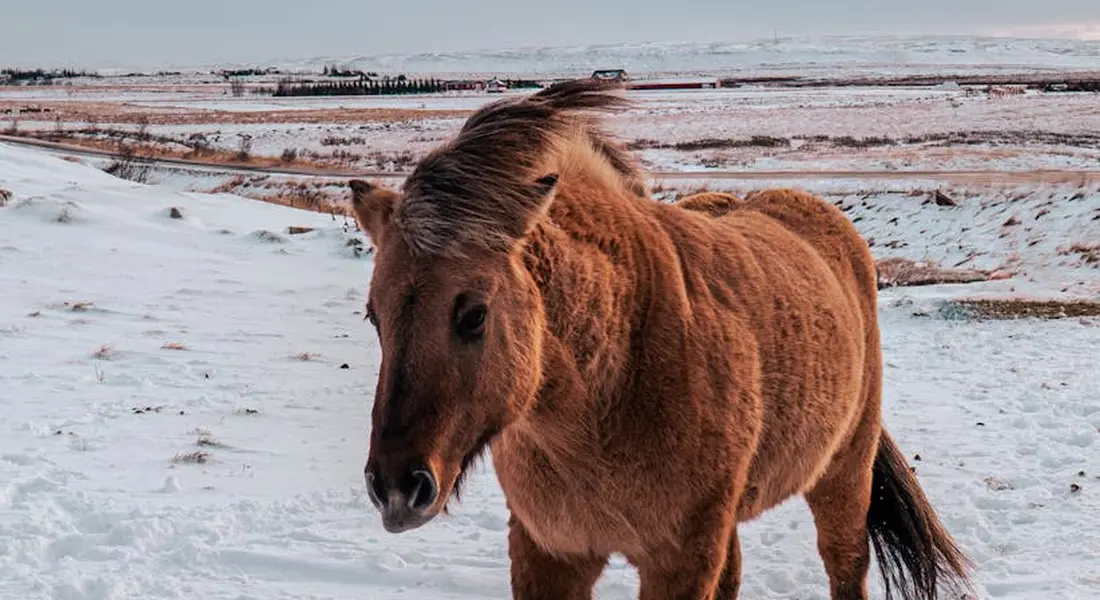
Picture too many horses on too little grass; it’s a surefire recipe for trouble. Appropriate stocking density usually starts at one to two acres per horse, but always consider your soil type, rainfall, and forage species. To determine how much pasture land per horse you truly need, assess your forage production and planned grazing rotation. Arid climates or sandy soils need more space per animal to maintain healthy cover.
You’ll know a pasture is overgrazed just by looking at it. Regular walks will reveal clear signs like expanding dirt patches, a sudden invasion of spiky weeds, and grass that looks thin and tired instead of thick and green.
Here’s the critical link to laminitis: a grass plant under constant attack gets stressed. To survive, it pumps excess sugars and fructans into its remaining stems, turning every bite into a potential metabolic trigger for your horse. That stressed forage can directly spike insulin levels.
| Well-Managed Pasture | Overgrazed Pasture |
|---|---|
| Consistent, dense grass cover | More dirt than grass, obvious trails |
| Grass is 4-6 inches tall and resilient | Grass is grazed below 2 inches, scalped |
| Minimal weed pressure | Dominance of weeds like ragwort or dock |
| Lower, more stable non-structural carbohydrate (NSC) levels | Elevated and volatile sugar/fructan content |
Mistake 3: Skipping Pasture Rotation and Denying Rest Periods
Grass needs a vacation from horses just like we need a day off. Without proper recovery time, grass can’t rebuild its root system or produce new leafy growth, leaving you with a weak sward that’s nutritionally poor.
For those of us with limited acreage, a simple rotation plan works wonders. A basic three-paddock system is highly effective: graze one for 7-10 days, then move the herd to the next, giving each parcel a full 3-4 week rest period before returning.
This rest does more than just grow grass; it manages sugar. During recovery, plants use stored fructans for regrowth, which helps lower the overall sugar concentration in the forage your horse eventually consumes. Mowing after grazing mimics natural grazing and prevents seed heads, which are sugar hotspots.
I saw this transformation with my own herd. After a season of haphazard grazing, our pony Pipin was on the chunky side, but implementing a strict rotation softened his crest and brought a new spring to all their steps. The sound of contented chewing in a lush, rested paddock is far better than the anxious pacing of a horse on barren ground.
Mistake 4: Disregarding Turnout Timing and Weather Patterns
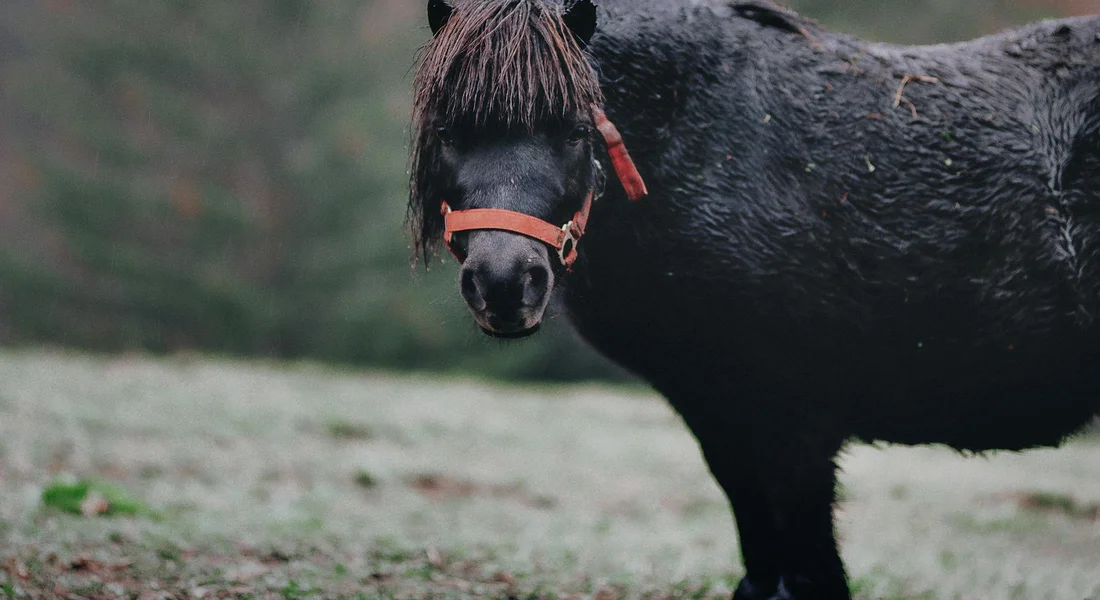
I used to think grass was just grass, until I watched Pipin balloon up after a few sunny autumn days. The sugar content in your pasture isn’t static-it dances with the weather. Non-structural carbohydrates (NSCs), the sugars and starches that can trigger laminitis, surge and fall based on sunlight and temperature. During sunny days, plants produce sugars through photosynthesis; at night, they use them for growth. A cool night below 40°F (4°C) slams the brakes on that process, leaving sugars stockpiled in the grass blades by dawn.
That’s why timing your horse’s turnout is a strategic decision. The safest window is often in the early morning, but only after a consistently warm night where the grass had time to metabolize those sugars. The riskiest time is on a bright afternoon following a cool, clear night, as that’s when NSC levels peak. I’ve paced the fence line watching Luna, whose metabolism is a finely-tuned engine, during these high-risk periods, opting instead for a later evening turnout when the sugar curve dips.
Drought and frost are sneaky stressors that force grass into survival mode, causing it to hoard sugars. A browned-up pasture or one glittering with frost isn’t necessarily safer; it’s often a sugar trap waiting for an unsuspecting muzzle. After a frost, I wait until the sun has fully warmed and dried the grass before letting the herd out, a lesson learned after Rusty’s subtle stiffness one too-crisp morning.
Use this quick-reference list to gauge your daily turnout strategy:
- Optimal & Safer: Late evening turnout, after a full day of sunshine and warm temperatures. Overnight turnout on a warm, cloudy night. Turnout on a consistently overcast day.
- Use With Caution: Early morning turnout after a cool, clear night. Turnout during a drought when grass is stressed and not growing.
- High-Risk & Best Avoided: Afternoon turnout on a sunny day that followed a cold night. Immediate turnout on frosted or drought-stricken grass.
Mistake 5: Ignoring Individual Horse Needs and Feed Management
Pasture management is not a democratic affair. What keeps Luna sleek could send Pipin into a metabolic tailspin. This mistake is a silent one, where we manage the land but forget to manage the individual horse standing on it. Easy keepers, ponies, and insulin-resistant horses need a custom plan, not the same open buffet as your hard-working trail horse.
The goal is to make roughage from hay the calorie base, using pasture as a supplement, not the main course. For horses like Rusty, who maintains weight effortlessly, I provide a bellyful of tested, low-sugar hay before turnout to take the edge off his appetite. This ensures his gut is full of safer fiber first, so he’s less likely to gorge on the fresh, sugary stuff. A grazing muzzle can be a welfare tool for ponies like Pipin, allowing movement and social time without unlimited intake. Choosing the right type of roughage is crucial, as not all fibrous materials are suitable for equine diets.
You must become a detective of your horse’s condition. Rely on more than just your eyes. Regular monitoring with simple tools catches small changes before they become big problems. Here is my routine check-list:
- Use a weight tape every two weeks, at the same time of day, and log the numbers.
- Perform a hands-on body condition score monthly, feeling for ribs, fat pads, and cresty necks.
- Watch for behavioral signs like increased water consumption or unusual lethargy after grazing.
For any horse with a history of laminitis or metabolic issues, a cookie-cutter approach is dangerous. Building a partnership with your veterinarian or a qualified equine nutritionist is the single most proactive step you can take for an at-risk equine. They can help you interpret forage tests, design feeding schedules, and tailor your pasture management to each horse in your care, from the sensitive thoroughbred to the cheeky pony.
Building a Safer System: Proactive Pasture Management Steps
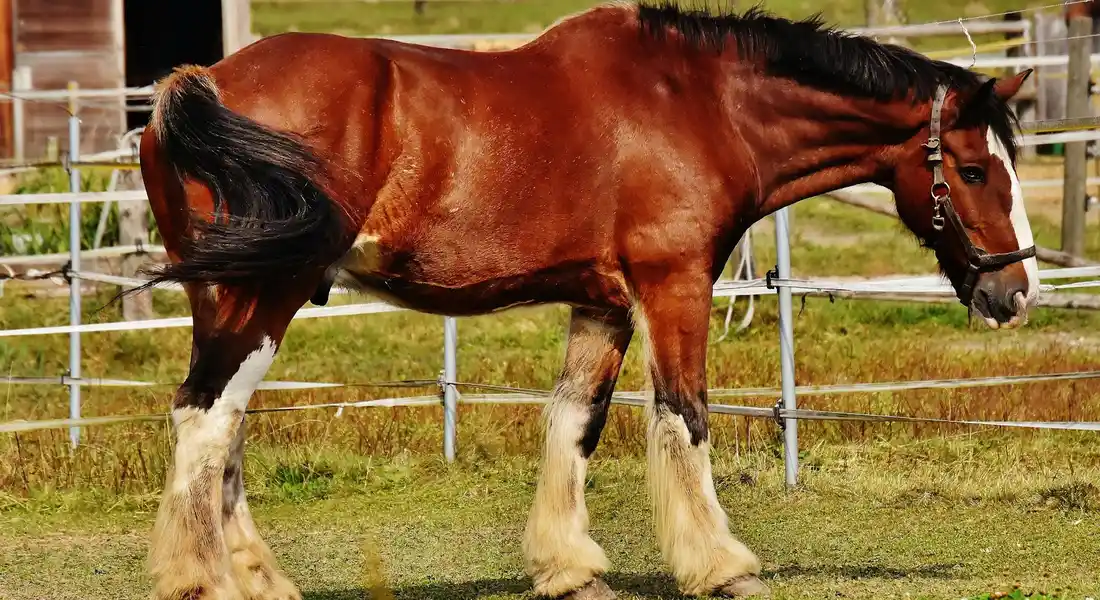
Let’s shift from problem-solving to system-building. Fixing mistakes is reactive; building a resilient management plan is proactive and brings peace of mind. I’ve found that a simple, written system prevents more late-night worries than any supplement ever could.
Your Corrective Action Checklist
Flip each previous mistake on its head with these direct actions. Tack them to your feed room wall.
- For Overgrazing and Spot Grazing: Implement a formal rotation schedule. Use temporary electric fencing to create smaller paddocks and move horses before grass is eaten below 3 inches.
- For Ignoring NSC (Sugar) Levels: Limit grazing during high-risk times: sunny afternoons following cool nights, and the lush growth periods of spring and fall.
- For Unrestricted Spring Turnout: Start with 15-minute increments on new grass, slowly building tolerance over 3-4 weeks. Use a grazing muzzle as a safety tool, not a punishment.
- For Neglecting the “Frosted Grass” Risk: Keep sensitive horses off pasture entirely when a hard frost is forecast overnight and the following sunny morning. A dry lot is essential here.
- For Forgetting the Obese Horse: Body condition score monthly. For easy keepers, forage intake must be controlled through muzzles, strip grazing, or primarily dry lot living.
Test Your Grass, Don’t Guess
Assuming your pasture is “safe” is like feeding candy blindfolded. The only way to know its non-structural carbohydrate (NSC) profile is to test it. I send samples from different fields to a forage lab each spring and fall. The numbers often surprise you-a seemingly “poor” patch of grass can be a sugar bomb under the right stress conditions. This data tells you exactly which fields to use and when, taking the mystery out of management.
Create a Sacrifice Lot (Your #1 Tool)
This is the cornerstone of safe pasture management. A sacrifice lot, or dry lot, is a grass-free area used to confine horses when pasture access must be restricted. It’s not a punishment; it’s a lifesaving parking space.
- Size: Aim for at least 400-600 sq ft per horse for basic movement.
- Footing: Use gravel, sand, or wood chips over a geotextile fabric for drainage. Mud begets hoof problems.
- Essentials: Always provide fresh water, a run-in shelter, and slow-fed hay in nets or boxes. This space allows you to control their diet completely while still giving them room to be horses, which is the whole point.
My mare Luna spent her first spring with me in a dry lot after a laminitis scare. Foundered horses need careful grazing management to prevent another flare-up. Keeping turnout on safe forage, with strategic dry-lot periods, can protect hooves while preserving mobility. She had company, unlimited (soaked) hay, and space to roll. She was perfectly content, and her soles thickened beautifully.
FAQ: Pasture Management and Laminitis
How does pasture management directly cause laminitis?
Poor pasture management leads to grass with dangerously high levels of sugars and fructans. When a horse overeats this rich forage, it can trigger a toxic cascade in the gut that disrupts blood flow to the hoof laminae. This process is the fundamental link between common field errors and the painful onset of laminitis.
What are the early symptoms of pasture-associated laminitis I should watch for?
Early signs include a subtle, shifting lameness or a reluctance to move, especially on hard or turning surfaces. You may notice a stronger digital pulse in the pastern and your horse adopting a “sawhorse” stance with front feet extended to relieve pressure. Catching these symptoms immediately is critical for a better prognosis. Knowing how to evaluate your horse’s gait and steps can help with early detection.
If my horse gets laminitis from pasture, what is the first step in treatment?
The absolute first step is to immediately remove the horse from all pasture and confine them to a deep-bedded stall or dry lot. You must contact your veterinarian without delay for pain management and anti-inflammatory medication. Long-term treatment will then involve corrective hoof care, strict dietary control, and a revised pasture management plan.
Your Horse’s Foundation Starts in the Field
Manage grass intake through slow introductions to new pasture and consistent soil testing. The most critical action you can take is to provide a dry lot or use a grazing muzzle when grass sugars are high, especially for easy keepers.
Good pasture care is a marathon, not a sprint, and your consistent effort is the bedrock of prevention. Your horse’s comfort is the ultimate report card-pay attention to their movements and moods above all else.
Further Reading & Sources
- A horse owner’s guide to pasture-associated laminitis | OSU Extension Service
- Pasture-Associated Laminitis: How to Keep your Horse Safe | Mad Barn
- Countermeasures for Pasture-Associated Laminitis in Ponies and Horses – ScienceDirect
- Grazing horses prone to laminitis | UMN Extension
At Horse and Hay, we are passionate about providing expert guidance on all aspects of horse care, from nutrition to wellness. Our team of equine specialists and veterinarians offer trusted advice on the best foods, supplements, and practices to keep your horse healthy and thriving. Whether you're a seasoned rider or new to equine care, we provide valuable insights into feeding, grooming, and overall well-being to ensure your horse lives its happiest, healthiest life.
Health