
How to Measure Your Horse’s Fitness and Recovery Time
Published on: December 13, 2025 | Last Updated: December 13, 2025
Written By: Henry Wellington
Hello fellow equestrians. That quiet worry after a tough ride-wondering if your horse is truly recovered or if you’re pushing too hard-is the mark of a responsible owner. Overlooking these doubts can lead to strained tendons, sour attitudes, and unexpected vet visits that disrupt your training and their well-being.
Let’s replace that uncertainty with clear, barn-tested methods you can start using today. Here is exactly what we’ll walk through together:
- You’ll learn how to accurately check resting and working heart rates at the jaw or girth.
- I’ll show you the simple way to count breaths and time respiratory recovery after exercise.
- We’ll assess muscle tone, weight, and soreness to track conditioning progress over weeks.
- And we’ll decode the behavioral cues, from eager ears to post-work appetite, that signal real fitness.
With years of hands-on experience as a barn manager and trainer, I’ve used these very checks on everything from steady Quarter Horses to spirited Thoroughbreds. This practical framework turns observation into action, keeping your horse sound and your mind at ease.
Why Tracking Fitness and Recovery Is Non-Negotiable
Watching your horse’s fitness and how fast they bounce back isn’t just for competitive riders-it’s a cornerstone of responsible ownership. I learned this the hard way with Luna, my sensitive Thoroughbred. After a spirited jumping session, she seemed fine, but the next morning her energy was flat and her eyes were dull. That subtle shift was my wake-up call; without tracking, I’d have missed her plea for a lighter day. Monitoring these elements prevents injury, spots illness early, and builds a partnership based on listening, not just leading.
Baseline fitness is simply your horse’s normal, day-to-day capability when they’re rested and healthy. Recovery time is how long it takes their vital signs-heart rate, breathing-to return to that baseline after work. Think of your horse as a human athlete: a weekend warrior and a marathon runner have different baselines and recovery needs. Knowing your horse’s personal numbers turns guesswork into a clear management plan. Just like you wouldn’t run a 5K after being sick without checking your pulse, you shouldn’t ask for exertion without knowing your horse’s starting line.
The Core Vital Signs: Your Horse’s Internal Dashboard
These metrics are your direct line to what’s happening inside your horse. You don’t need fancy gear, just your hands, a watch, and a consistent routine. Tracking trends over a week tells a far richer story than any single post-ride check ever could. See this as daily dialogue, not a periodic interrogation.
Resting Heart Rate: The Quiet Baseline
This is your horse’s idle speed, best taken when they’re truly relaxed in their stall or pasture. Feel for the pulse behind the left elbow or under the jawbone, count beats for 15 seconds, and multiply by four. A normal range is 28 to 44 beats per minute (BPM). Take this reading first thing in the morning, before feeding or turnout, for the most accurate baseline. Factors like excitement, pain, or a hearty meal can temporarily elevate it, so consistency in timing is key. For a complete understanding of your horse’s health, it’s important to know their normal temperature, heart rate, and other vital signs.
- How to measure: Use two fingers, not your thumb. Find the pulse behind the elbow, inward from the girth area. Count for 15 seconds when your horse is standing quietly.
- Normal range: 28-44 BPM for most adult horses. Younger horses or ponies like Pipin might be slightly higher.
- Red flag: A consistent resting rate above 48-50 BPM warrants a call to your vet.
Heart Rate Under Load and Heart Rate Recovery
This shows how hard the engine is working during exercise. Check it immediately after a standardized exercise, like five minutes of trotting. Understanding heart rate alongside respiration gives a fuller picture of a horse’s fitness. Monitoring both metrics helps you tailor training and interpret recovery more accurately. More telling is heart rate recovery-how quickly that rate drops after stopping. A fit horse’s heart rate should drop significantly within the first two minutes of rest. A slow recovery suggests fatigue or underlying stress. Try a simple submaximal test: trot a set circle, check the rate right after, then again at one and two minutes post-exercise.
- Work your horse at a steady, moderate pace for a set time (e.g., 5-minute trot).
- Stop and immediately feel for the pulse at the jaw or elbow. Record this number.
- Let your horse stand quietly. Re-check and record the pulse at one minute and two minutes after stopping.
Good recovery might look like a drop from 120 BPM to 80 BPM within those two minutes; a horse still at 100 BPM needs more fitness building or a vet check.
Respiratory Rate and Capillary Refill
Breathing tells you about respiratory effort and metabolic fatigue. Watch the flank rise and fall; one rise and fall counts as one breath. Time it for 15 seconds and multiply by four. Normal is 8 to 16 breaths per minute at rest. Capillary refill time (CRT) checks hydration and circulation. Press your thumb firmly on your horse’s gum above a front tooth until it blanches white, then release. Count the seconds for the pink color to return-two seconds or less is ideal. Slow refill or rapid, shallow breathing after rest can signal dehydration or systemic fatigue. Signs of dehydration include dry gums, reduced saliva, and skin tenting. Quick checks and practical solutions are covered in the next steps.
- Counting breaths: Do this from a distance before you handle your horse, as your approach can alter their breathing. Observe the flank or nostril flare.
- Checking CRT: Lift the lip, press on the gum, release, and time the color return. It’s a quick, easy gauge you can do daily.
- Link to wellness: Rapid breathing with a slow CRT after light work is a clear sign your horse needs a longer cool-down and maybe electrolytes.
Reading the Body: Condition, Hydration, and Fatigue Markers
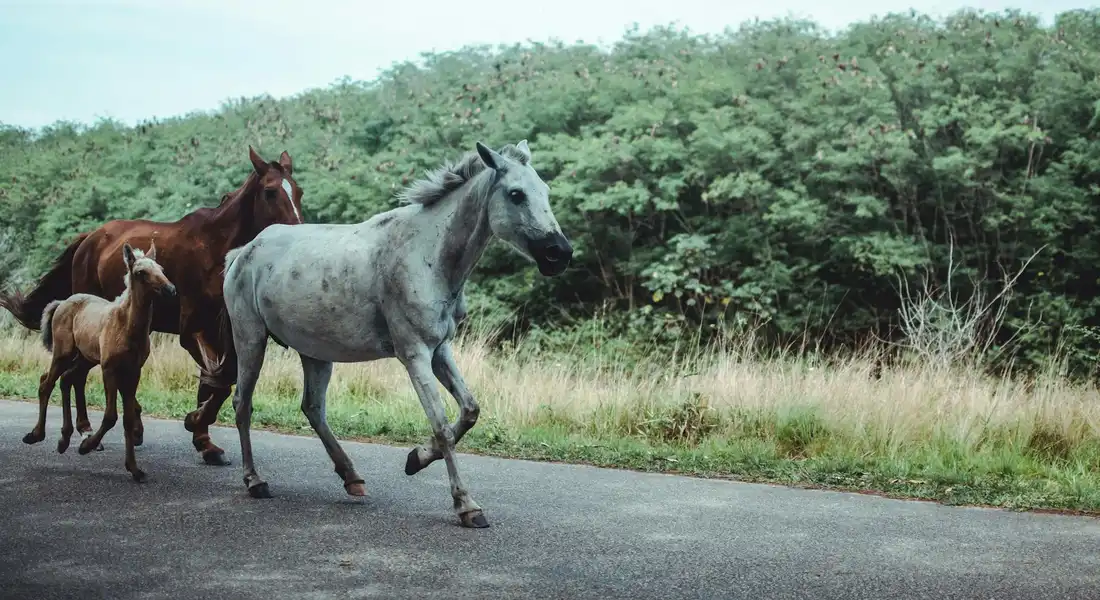
Heart rate and breathing are your internal dashboard, but the horse’s physical state tells the whole story. A sharp eye and a pair of hands are your best tools for this daily check-in.
This hands-on assessment turns routine care into a dialogue, letting your horse tell you exactly how they’re feeling after yesterday’s work.
The Hydration Check
Water is the foundation of every metabolic process, from muscle repair to temperature regulation. A dehydrated horse recovers poorly, no matter how light the work was.
Start with the classic pinch test: grab a fold of skin on the point of the shoulder, hold for a second, and release. Hydrated skin snaps back instantly. Skin that retracts slowly, or worse, tents up for several seconds, signals dehydration.
Next, lift the lip and check those gums. They should be a healthy pink and slick with moisture.
- Dry or tacky gums need immediate attention.
- Press a finger on the gum; the white spot should return to pink within two seconds (capillary refill time).
- Sunken eyes above the cheekbone are a late and serious sign.
- A dull, lackluster coat that doesn’t lie flat can also indicate a systemic fluid deficit.
I always listen to the water tank after a workout. The sound of Luna gulping deeply is more reassuring to me than any monitor.
Body Condition and Muscle Tone
Weight tells you about calories, but condition tells you about fitness. I use the Henneke Body Condition Score (a 1-to-9 scale) as my monthly guide, where a 5 is ideal.
A score of 5 means you can feel the ribs easily with light pressure but not see them prominently, with a smooth cover over the withers and a level back.
Muscle tone is the real story. Run your hands over the major muscle groups after a cool-down when they’re still warm.
- Feel the hindquarters, the gaskin, the shoulder, and the neck.
- You want a sense of firm, springy resilience, not soft, doughy flesh or hard, knotty tension.
- A fit horse has defined musculature; a soft horse has a smoother, rounder outline with less definition.
My old trail horse, Rusty, develops a rock-hard topline when he’s in peak condition, a clear difference from his softer winter feel.
Energy, Willingness, and Spotting Fatigue
A horse’s attitude is a crystal-clear window into their fatigue levels. The cheerful nicker at feeding time, the eager head toss when you bring the saddle-these are positive signs.
Watch for a bright, engaged expression and a willing walk to the mounting block; these are the hallmarks of a horse ready for work.
Fatigue or overtraining whispers before it shouts. You must learn its language.
- Prolonged, patchy sweating long after the work has ended.
- A stiff, stilted walk out of the stall the next morning.
- New or unusual resistance to leg aids or bending.
- A generally dull, “checked-out” attitude where there’s usually curiosity.
- Consistently finishing workouts with a higher resting heart rate than normal.
I remember a particularly long, hilly summer trail with Rusty. The next day, he just stood at the back of his stall, disinterested in his hay. That was fatigue talking, telling us both it was time for a quiet grazing day. Listening then prevents injury later.
Hands-On Assessment: A Simple Fitness Test You Can Do
Forget fancy gadgets. The best fitness gauge is often your hands, a stopwatch, and a quiet moment at the rail. I use this simple heart rate recovery test monthly on all my charges, from steady Rusty to high-strung Luna. It gives you a clear, objective snapshot of your horse’s cardiovascular health without any guesswork.
- This submaximal test is safe and repeatable, designed to measure effort and recovery, not to exhaust.
- You’ll need a stethoscope or the ability to feel the pulse under the jaw, a flat working area, and a cool, calm morning.
- Always listen to your horse more than the data: if they struggle to maintain the prescribed trot, break a sweat early, or their breathing becomes labored, abort the test entirely-overfacing an unfit horse is a fast track to strain and sourness.
Step-by-Step: The Submaximal Field Test
- Establish a true resting heart rate. Do this first thing in the morning before breakfast or turnout. Find the pulse behind the left elbow or under the jaw. Count the beats for 15 seconds and multiply by four. A true resting rate for a healthy horse is typically 28-44 beats per minute.
- Prescribe a controlled work period. After a 10-minute walk warm-up, ask for 10 minutes of steady, working trot. This isn’t a speed test. For a horse like Luna, I focus on a rhythmic, forward trot; for Pipin, it’s a brisk pony trot. The key is unwavering consistency.
- Measure immediate post-exercise heart rate. The instant you bring your horse back to a walk, get that heart rate within 15 seconds. This number shows the cardiovascular cost of the work.
- Measure heart rate after 2 minutes of walking cool-down. Keep walking on a loose rein, letting them stretch. Take another reading at the two-minute mark. This indicates initial recovery speed.
- Record the time for heart rate to return to near-resting. Continue walking and check the pulse every minute. Note how long it takes to get within 4-8 beats of that morning resting rate. This is your gold standard recovery time.
Interpreting Your Results
Raw numbers are less useful than the story they tell over time. I keep a simple notebook in my tack trunk for this. Watch for two key trends: a lower heart rate spike during exercise and a faster return to baseline, which together signal improving fitness.
- A very fit horse might recover in under 10 minutes. My trail-ready Rusty often does.
- A horse coming back from time off, like Luna after a rainy spell, may take 20 minutes or more. That’s your starting point, not a failure.
- Compare your horse to their own past performance, not to others. Pipin’s pony metabolism will always differ from a Thoroughbred’s.
- If recovery time plateaus or worsens with consistent training, it’s a red flag to check for underlying pain, tack fit, or respiratory issues.
What Dictates Recovery Time? Key Factors
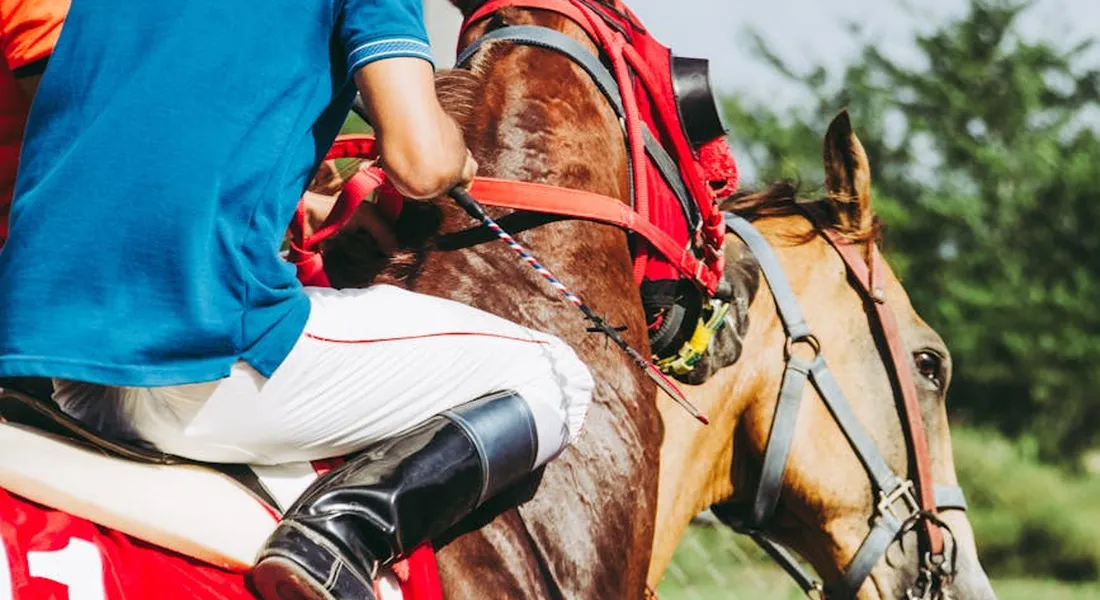
Recovery isn’t a one-size-fits-all timer that dings when your horse is ready. It’s a fluid process dictated by a cocktail of variables, from what you did yesterday to what you fed this morning. Think of recovery as your horse’s body filing reports, repairing micro-tears, and restocking supplies; some management teams are simply more efficient than others.
- Baseline Fitness: A conditioned athlete bounces back faster than a weekend warrior. This is the biggest variable.
- Workload Intensity & Duration: A two-hour hilly trail ride demands more than 30 minutes of flat arena work. The greater the physiological “debt,” the longer the payback period.
- Muscle Fiber Recruitment: Explosive work (like jumping or reining spins) uses fast-twitch fibers that generate more metabolic waste and take longer to repair than slow-twitch endurance fibers.
- Individual Conformation & Soundness: A horse with straight pasterns or a history of soreness might need more downtime after hard footing. You must listen to the body, not just the schedule.
- Mental Stress: A tense, anxious horse like Luna burns energy reserves quicker and may need longer mental decompression alongside physical rest.
- Quality of Cool-Down: A proper walk-out is non-negotiable. It clears lactate, reduces stiffness, and is the first critical step of recovery.
Fitness Level and Training Load
Fitness is your horse’s savings account for hard work. The richer the account, the less they borrow from their physiological reserves during exercise. My veteran trail horse, Rusty, recovers from a long ride in the time it takes for me to clean my tack, while Luna might need a full day of quiet turnout after a similar effort. Their baseline fitness dictates that difference.
Training load is simply the total stress of your work. It’s the combination of volume, intensity, and frequency. You must build this progressively. Suddenly asking for a heavy load is like maxing out a credit card-the interest (in soreness and fatigue) will be steep. Conditioning is about consistent, incremental deposits into that fitness account, which in turn buys you shorter recovery windows.
Age, Nutrition, and Environment
Age changes everything. My old pony, Pipin, might spend two days napping after a spirited lesson with a child, while a younger horse shakes it off overnight. Older joints and slower metabolic rates simply require more consideration. For seniors, prioritize muscle preservation with quality protein and allow extra time for tissue repair-it’s not laziness, it’s biology.
Nutrition is the raw material for repair. After work, replenishing electrolytes lost in sweat is critical, especially in summer. Muscle repair requires amino acids from protein, found in good-quality hay and balanced concentrates. A horse on a nutrient-poor diet is trying to rebuild a barn with half the lumber.
Never underestimate environment. A humid 95-degree day adds massive thermoregulatory stress, demanding longer recovery. A bitter cold snap forces the body to burn calories just to stay warm, leaving less energy for repair. Always adjust your expectations and care based on the weather; the work didn’t end when you unsaddled. The smell of liniment after a hot day or the sight of steam rising from a coat in the cold are your cues that recovery is an active process.
Building Fitness and Optimizing Recovery
Conditioning a horse isn’t about heroic efforts on a single Saturday; it’s the quiet, consistent work you do every Tuesday. The goal is to build resilience without breaking spirit. The most effective fitness plan pairs gradual physical asks with a staunch commitment to your horse’s daily rest and mental peace. In practice, you create a progressive conditioning plan for your horse—a roadmap of gradual work, recovery, and mental balance. This approach keeps training cohesive and steady. Listen to the soft snorts during a walk and the deep sighs after a good roll.
Smart Conditioning: Progression is Everything
Think of fitness like stacking bricks, not throwing up a whole wall. I learned this with Luna; too much too fast just made her anxious and tight. We use interval training, which is just a fancy term for balancing work with deliberate rest. After a trot set, we walk until her breath fully recovers. That rest period is when the real strengthening happens.
Variety protects both mind and body. Drilling circles in the arena is a fast track to sourness and strain. We mix it up: hill work for hindquarters, long straight trails for steady cardio, and even ground pole days for coordination. For Rusty, a trail veteran, a steep incline is his weight room. For Pipin, a trot through the hayfield with changes in direction keeps his clever brain engaged.
- Apply the 10% Rule: Increase workload (duration or intensity) no more than 10% per week.
- Follow Hard Days with Easy Days: A demanding jump school or fast workout should be followed by a hack day or complete rest.
- Quality Over Quantity: Twenty minutes of focused, balanced trot work is better than an hour of aimless, hollow shuffling.
The Non-Negotiable Cooldown
Sliding off and throwing your horse in a stall is like running a marathon and then sitting straight down in a car. The cooldown is when you help your horse’s body shift from exercise mode to repair mode. I never skip the long walk home, letting the rhythm of my own footsteps match Rusty’s.
A proper cooldown does the critical job of clearing metabolic waste from muscles. This helps prevent tying-up and that stiff, stilted feeling the next day. A proper way to cool down after exercise is to maintain a slow, steady walk. This gentle phase primes recovery and supports a calm, relaxed transition. You want to walk until your horse’s breathing is normal, his neck is relaxed, and his skin is dry or just barely damp. Check for uneven sweating, which can signal a tack pressure point.
- Active Walk: A minimum of 10-15 minutes of marching walk on a loose rein.
- Post-Ride Check: Feel legs for unusual heat or swelling as you untack.
- Gentle Stretches: Offer a carrot down by the chest and between the front legs to encourage a gentle neck stretch.
- Dry & Warm: Use a sweat scraper and cooler if it’s chilly. A damp horse chills fast.
Supporting Recovery with Turnout and Care
Recovery isn’t passive. The best thing you can do for a horse’s body and mind is provide daily, generous turnout. Movement is circulation. That low-grade wandering is nature’s best lymphatic massage. I structure even our busiest training days around Pipin’s turnout time because a restless, cooped-up pony is an injury waiting to happen.
After a hard workout, I might spend five minutes running my hands over Luna’s muscles, feeling for any knots or heat, which is as much for our bond as her tissue. A quiet hand-walk the next morning can work out minor stiffness better than staying stationary.
Never underestimate the recovery power of fresh water, quality forage, and simple rest. The deep, rhythmic chewing of hay is a stress-reliever, and the nutrients fuel repair. Sometimes, the most advanced training tool in your barn is a quiet paddock and the time to just be a horse.
Fitness Goals: Adjusting for Your Horse’s Job
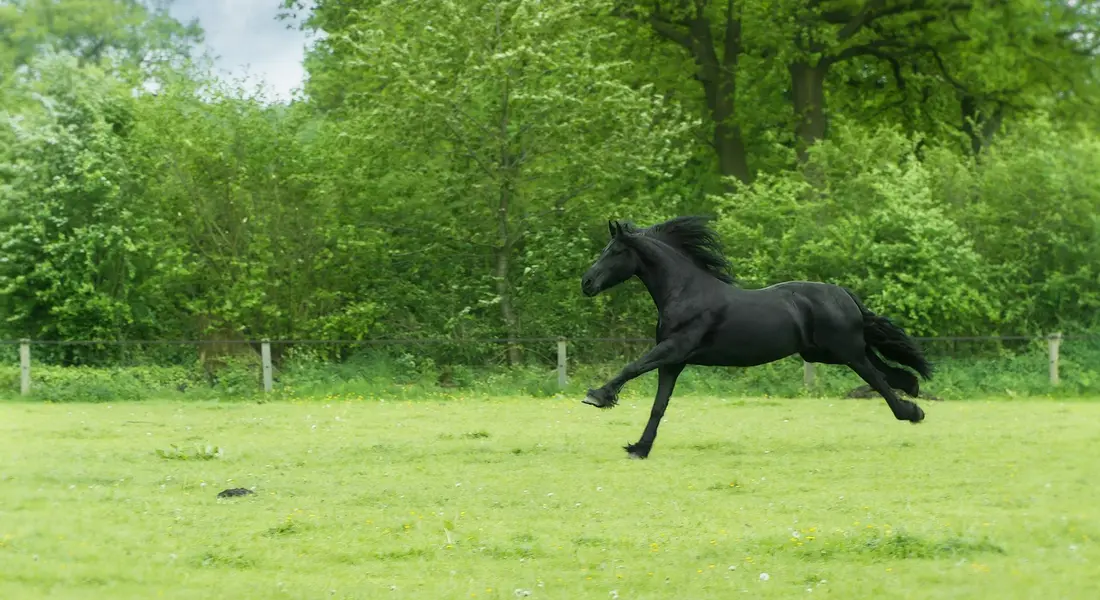
A pony cart, a three-hour trail, and a jump course demand different engines. Your horse’s primary job is the single biggest factor in designing their fitness plan, moving beyond a simple “baseline” of soundness.
- All horses need a foundation of cardiovascular health, strong tendons, and good muscling to carry a rider safely.
- The “how” you build that foundation changes dramatically. A draft cross and a race-bred Thoroughbred will get there on different paths.
- Recovery is part of the job description. An event horse needs different post-work care than a weekly lesson mount.
The Trail and Pleasure Horse
This is where I live with Rusty, my sorrel Quarter Horse. His fitness isn’t about a flashy trot extension; it’s about having the stamina and joint integrity to confidently carry me up a steep, rocky incline two hours from the trailer. For the trail horse, fitness means unwavering reliability and the ability to recover from long, varied terrain, not from a single explosive effort.
We build this with Long, Slow Distance (LSD) work. A two-hour walk with trot intervals is gold. The real secret weapon? Hill work. A steady, deliberate climb builds hindquarter strength and cardiovascular capacity like nothing else. Listen to their breathing-you want steady, deep breaths, not gasps. Feel for a consistent, willing rhythm in their stride, not a hurried scramble. The goal is a horse that finishes the ride as fresh as they started, with strong, cool legs the next morning.
The Arena Athlete
Now, my mare Luna, the dapple grey Thoroughbred, speaks this language. Whether it’s the collected engagement of dressage or the powerful thrust of a jump, arena sports demand peak muscle tone and cardiovascular fitness for intense, shorter efforts. Here, fitness is about precision, power on demand, and the anaerobic capacity to perform a clean test or a full course.
Beyond heart rate, watch for muscle development over the topline and hindquarters. Is your horse maintaining consistent contact and balance through a full workout? A useful advanced metric is observing stride length and cadence within a gait. Can your horse lengthen and shorten stride while maintaining rhythm and relaxation? This shows muscular control and cardiovascular efficiency. Endurance and stamina depend on several factors—cardiovascular fitness, muscular conditioning, nutrition, and recovery. Understanding these factors helps explain performance differences among horses. Recovery for the athlete means targeted cool-downs, like focused stretching and cool hosing, to manage the inflammation that comes with high-intensity work. It’s a different kind of tired than the trail horse’s-one of deep muscle fatigue, not just overall mileage.
FAQ: How to Measure Your Horse’s Fitness and Recovery Time
How often should I perform fitness assessments on my horse?
Perform daily checks of resting vital signs like heart and respiratory rates to catch any abrupt changes. For a formal evaluation, conduct a comprehensive fitness test, such as a submaximal field assessment, every 4-6 weeks during consistent training periods. Increase frequency during intense conditioning or after layoffs to safely monitor progress and adjust workloads.
What is a good heart rate recovery time after exercise?
A good recovery is marked by a rapid initial drop, often 20-40 BPM within the first two minutes after moderate exercise. Ideally, the heart rate should return to within 4-8 beats of the resting baseline within 10-15 minutes for a fit horse. Slower recovery consistently may signal overexertion, poor fitness, or potential health concerns needing veterinary input.
What is the role of nutrition in fitness and recovery?
Nutrition supplies critical nutrients for muscle repair and energy restoration post-exercise. Quality protein aids in rebuilding tissues, while electrolytes and fresh water replenish fluids lost through sweating to prevent dehydration. A diet balanced for your horse’s workload supports sustained fitness, enhances recovery speed, and overall well-being. When you do create a balanced diet for a performance horse, you tailor nutrition to workload and recovery. This approach supports performance gains and long-term health.
From the Barn Door
Use simple checks like heart rate and demeanor to map your horse’s progress after each ride. Nothing replaces the daily habit of feeling for that cool, dry skin and listening for calm, even breaths at the hitching post. Knowing how to take your horse’s vital signs is an essential part of this routine.
True fitness is a gift you give your horse through patience and observation, not something you force. The most important measurement isn’t on a stopwatch; it’s in the trust you build when you heed what your horse is telling you.
Further Reading & Sources
- Horse fitness plan: Bringing your horse back into work after a break
- Optimal Recovery after Exercise? Here’s What Cavalor Says
- Developing a fitness programme | The British Horse Society
- Fitness plans for your horse | 12-week Fitness Guide | Horse and Rider
At Horse and Hay, we are passionate about providing expert guidance on all aspects of horse care, from nutrition to wellness. Our team of equine specialists and veterinarians offer trusted advice on the best foods, supplements, and practices to keep your horse healthy and thriving. Whether you're a seasoned rider or new to equine care, we provide valuable insights into feeding, grooming, and overall well-being to ensure your horse lives its happiest, healthiest life.
Exercise