
Stall vs. Paddock Care: Smart Choices for Your Horse’s Well-being
Published on: July 4, 2026 | Last Updated: July 4, 2026
Written By: Henry Wellington
Hello fellow equestrians! Choosing where your horse spends its days isn’t just about convenience; it’s a decision that directly impacts their risk of colic, their joint health, and those puzzling behavioral issues that drain your patience and wallet.
Let’s cut through the confusion. This guide will walk you through the real-world adjustments you need to make, focusing on tailoring your feeding program to digestion and energy needs, building movement and mental enrichment into daily life, and conducting essential safety audits for fencing and footing.
My time managing barns and training sensitive souls like Luna has shown me that great care isn’t about picking a side, but understanding the needs behind each door and gate.
The Indoor World: Stall Care and Maintenance
Managing a stall is a hands-on commitment to your horse’s daily comfort. Your routine here directly impacts their respiratory health, hoof condition, and overall mood, so consistency is your best tool. I learned this early on with Luna, whose sensitive nature meant any ammonia smell from wet bedding would set off a coughing fit.
The Daily Non-Negotiables
- Mucking Out: Remove all manure and soiled bedding every day. I do this during morning feed time-the rhythmic scrape of the fork is a barn sunrise ritual.
- Wet Spot Removal: Dig out damp patches entirely; never just cover them. Wet footing invites thrush and bacteria. Rusty’s habit of parking in one corner means I’m always checking his favorite spot.
- Full Bedding Refreshes: Once a week, strip out the top layer and add fresh bedding. A deep, dry bed encourages your horse to lie down for proper rest.
Bedding Showdown: Shavings vs. Straw
| Type | Comfort & Health | Cost & Upkeep |
|---|---|---|
| Wood Shavings | Highly absorbent, low dust if kiln-dried. Cushions joints well. | Moderate cost. Easy to sift manure from, but composts slowly. |
| Straw | Traditional and warm, but can be dusty or moldy. Some horses may eat it. | Often cheaper. Lightweight, but mats down quickly and requires frequent changing. |
I opt for kiln-dried pine shavings for my herd-they offer the best airflow and keep Pipin from treating his bed like a snack bar.
Air, Light, and Dry Footing
Stall walls can trap damp air and ammonia fumes. Ensure constant ventilation, even in winter; a cracked window or vent near the roof line pulls stale air out. Use lighting on a timer to mimic natural daylight. The floor must stay dry; a moisture barrier like rubber mats or a gravel base under bedding prevents chilling damp from rising.
Deep Cleaning a Stall: Step-by-Step
- Move your horse to a safe, comfortable spot like a cross-tie with hay.
- Remove all bedding down to the floor. This is a workout, but it lets you inspect every inch.
- Scrub surfaces with a 50/50 vinegar-water mix. Let it dry completely-sunlight helps.
- Check for hazards like loose boards, sharp edges, or weak door latches.
- Add fresh bedding evenly, building to a depth of at least six inches for cushion.
A deeply cleaned stall smells like fresh wood and feels like a clean slate for your horse’s well-being.
Creating a Safe and Sane Stall Environment
Space is not a luxury. A too-small stall prevents natural movement and rest; aim for at least 12×12 feet for an average horse, but always go larger if you can. I gave Luna a 14×14 stall after noticing she was reluctant to lie down in tighter quarters.
Essential Safety Checks
- Walls and Doors: Run your hands over all surfaces weekly. Feel for splinters, loose nails, or protruding hardware.
- Fixtures: Ensure hay racks, water buckets, and ties are solidly anchored and placed to avoid head entanglement.
- Flooring: Look for uneven spots, holes, or slick areas that could cause a trip or fall.
This five-minute scan each Sunday has caught everything from a loose bolt to a chewed edge started by a bored Pipin.
Mental Stimulation to Curb Bad Habits
Boredom leads to weaving, cribbing, or stall walking. Slow-feed hay nets are my top solution; they turn a ten-minute meal into hours of mimic grazing. Other options include a secure salt lick, a sturdy ball with treats, or even a mirror if your horse is social. For Rusty, a net with small holes keeps his mind busy and his belly full longer.
The Outdoor Realm: Paddock Care and Management
Paddock life is about freedom, but it demands vigilant stewardship. Your role shifts from cleaner to land manager, focusing on prevention to keep your horse safe and the ground healthy. The thud of hooves on dry earth is a sound I work hard to maintain.
Daily Paddock Tasks
- Check Water Troughs: Scrub out algae, remove leaves, and ensure automatic waterers function. In freeze, break ice morning and night.
- Scan for Fence Damage: Walk the perimeter. Look for loose wires, broken posts, or sagging gates that could invite an escape.
- Pick Manure: Remove droppings daily to control parasites and prevent horses from avoiding grassy areas. I use a lightweight cart and find it oddly peaceful.
These daily walks are when I spot the little things, like where the deer jumped the fence or a new patch of mud starting.
The Never-Ending Mud Management
Mud is a hoof’s enemy, leading to soft soles, thrush, and lost shoes. These issues are among the most common horse stable paddock hazards. Good drainage is paramount; grade your paddock to slope away from shelters and gates, and add gravel or wood chips in high-traffic zones. Rotating horses between paddocks gives the ground time to dry and recover.
Elements of Safe Fencing
- Height: At least 4.5 feet tall for most horses, higher for athletic breeds like Luna.
- Visibility: Use white tape, painted boards, or electric rope so horses see it clearly.
- Secure Latches: Install horse-proof latches, and always use a backup clip or chain. I learned from Pipin to double-check every gate.
Visible, sturdy fencing acts as a gentle guide, not just a barrier, reducing panic and injury risk.
Pasture Rotation and Grazing Smarts
Overgrazing destroys grass and boosts parasites. Divide your pasture into smaller plots and rotate horses every two to three weeks, allowing grass to regrow to at least four inches. This approach is part of an ideal pasture rotation schedule that supports horse health. A purposeful plan helps maximize forage while reducing parasite exposure. Mow weeds and harrow manure piles on sunny days to break them up and expose larvae to sun and wind.
Paddock Health and Infrastructure
Outdoor horses need reliable shelter from weather extremes. A three-sided run-in shed, positioned with its back to the prevailing wind, offers essential refuge without trapping heat or moisture. Make sure it’s large enough for all herd mates to enter without conflict. This setup also supports building safe shelter that shades your horse on hot days, reducing heat stress. Well-placed shade keeps coats and eyes protected while the herd rests.
Water Sources That Work Year-Round
Horses drink more outdoors. Use heavy, tip-resistant troughs or install an automatic waterer with a heater for winter; check them daily for leaks or debris. I once found a frog in Rusty’s trough-a reminder to look inside, not just at the water level.
Parasite Control for Outdoor Living
Paddocks concentrate parasite eggs. Regular manure harrowing on dry, windy days helps break up piles and desiccate larvae, disrupting their life cycle. Work with your vet on a fecal egg count deworming schedule, and rotate grazing areas to further reduce exposure. This proactive approach keeps your horse healthy from the ground up.
Feeding and Hydration: Two Different Setups
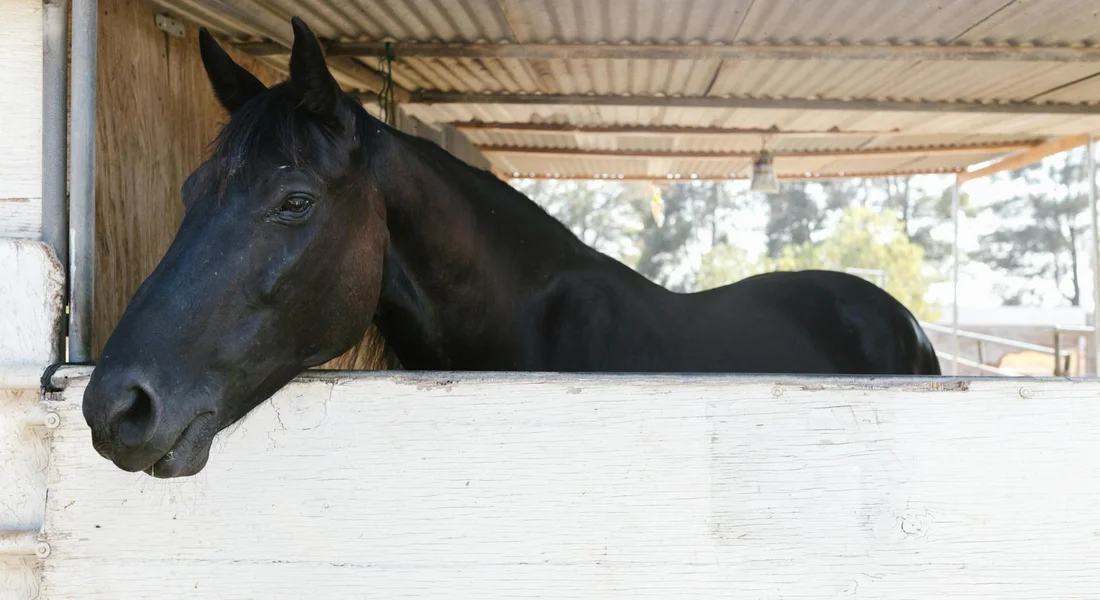
In a stall, feeding is a controlled ritual: you measure grain into a bowl and hang a hay net, hearing the satisfying rustle as your horse digs in. I’ve spent countless evenings filling Rusty’s rack, watching him methodically work through his timothy. Outside, it’s a wilder scene. Wind whips hay away, rain turns it soggy, and bossier horses guard the best piles. Stall feeding gives you precise control over diet, while paddock feeding requires you to outsmart the elements and herd dynamics.
To combat waste and stop horses from eating mud, I use multiple slow-feed nets hung on sturdy posts. Luna, who used to scatter her hay, now spends hours nudging the small holes, her rhythm as steady as a metronome. Placing hay in several nets off the ground mimics natural grazing, reduces waste, and keeps forage cleaner.
Group settings need strategy. When Pipin joined the herd, he’d chase others from the prime hay spot. The solution was simple: more piles, more space. Creating multiple, spaced-out feeding areas in a paddock minimizes bullying and ensures every horse, regardless of rank, gets their fair share.
Water Access in Any Weather
A stall bucket is straightforward-dump, scrub, refill, with the slosh of fresh water a familiar sound. Paddock waterers, like automatic troughs, demand more vigilance. I run my hand along our trough’s edge daily, feeling for cracks and scooping out leaves. While stall buckets offer simplicity, paddock systems need regular checks to ensure they haven’t clogged or failed.
Summer sun breeds algae in troughs; a splash of white vinegar helps. Winter brings the silent threat of ice. I rely on heated buckets in stalls and float a rubber ball in the outdoor trough to slow freezing. Preventing algae requires consistent cleaning, and beating ice means using heated options or tank de-icers, no matter where your water source is.
Movement, Hoof Health, and Ground Conditions
A horse in a stall isn’t moving much. Rusty will stiffen up if confined too long, so his schedule includes deliberate hand-walking or turnout in a sandy pen. Stalled horses require planned exercise every day to meet their basic movement needs and prevent stiffness.
Contrast that with a paddock, where horses roam constantly. This low-level movement keeps joints lubricated and circulation pumping. I see it in Luna’s sleek coat and strong, healthy hooves. Constant paddock movement naturally supports cardiovascular health and hoof integrity without any extra effort from you.
The ground underfoot tells a story. Deep mud is a thrush factory-I pick Pipin’s hooves with extra care after a storm. Hard, dry clay can lead to bruised soles, while sandy patches pose a colic risk if horses ingest too much. Linking paddock conditions directly to hoof care means you can target problems like thrush or abscesses before they take hold.
Tailoring Turnout and Exercise
Safe turnout starts with a quick but thorough routine. Here’s my checklist:
- Walk the fence line, looking for broken boards or loose wire.
- Check each hoof for stones, loose shoes, or cracks.
- Scan the ground for hidden hazards like old machinery parts.
- Ensure water sources are clean and functioning.
- Blanket appropriately, considering wind and moisture, not just temperature.
- Remove halters to prevent dangerous snagging.
A consistent pre-turnout checklist is your best defense against preventable accidents and injuries.
Fitness levels adapt to lifestyle. A horse like Pipin, living out 24/7, maintains a base level of endurance from constant wandering. A stalled horse, like Rusty coming off a rest period, needs a gradual fitness rebuild. Recognizing that paddock life builds a different kind of toughness than structured stall workouts helps you craft smarter, safer exercise plans.
Shelter, Safety Gear, and Essential Equipment
Your equipment list shifts dramatically based on whether you’re setting up a stall or a paddock. Getting this right is the foundation of daily safety.
Stall Essentials: A Contained Environment
In a stall, you control every element. Your goal is to create a safe, comfortable box. Start with a thick, interlocking rubber mat system over a level, well-drained base. This provides crucial cushioning and reduces bedding costs. Walls need smooth, durable kickboards-I’ve seen too many splintered boards from a playful side-kick. The stall door should have secure, horse-proof bolts, not just a latch a clever muzzle can slide. Lighting should be ample but protected behind sturdy, unbreakable covers.
A well-matted stall is kinder to joints and saves you money on shavings, but those mats must be non-slip and perfectly leveled to prevent tripping.
Paddock Essentials: A Managed Outdoor Space
For a paddock, your focus expands to the horizon line. You need durable, correctly installed fence posts set in concrete for corners and gates. Gate hardware must be robust and secured with anti-unlatching clips-Pipin has taught me that a standard latch is merely a suggestion. The most critical piece is a three-sided, roofed shelter. It must be positioned on high ground, with the open side away from prevailing winds and large enough for all herd members to use at once.
Your turnout blanket is your horse’s mobile shelter; a waterproof, breathable, and durably constructed rug is non-negotiable for wet or cold climates. A stable sheet, used indoors, is for dust and keeping a clipped horse clean, not for weather.
Fencing: The Most Critical Paddock Equipment
Fencing is where your paddock investment pays off in safety or fails catastrophically. Your choices directly impact your horse’s well-being. Sometimes, the problems aren’t apparent until you discover fencing fails or mistakes that could have been avoided.
- Safe Options:
- Properly built wooden plank: Smooth, thick boards nailed on the inside of sturdy posts.
- Polyvinyl or polymer rail: Flexible, visible, and low-maintenance.
- Mesh fencing (like V-mesh): Excellent visibility and give, but must be tightly stretched.
- Dangerous Options to Avoid:
- Barbed wire.
- Large square wire mesh (can trap a hoof).
- Poorly maintained electric tape or wire (can sag and tangle).
- Thin, splintery boards or posts with protruding nails.
Your inspection routine is a weekly sacrament. Walk your fence line. Run your hand along posts and rails feeling for splinters. Check for loose wires, staples, or nails. Lean into posts to test stability. Look for signs of chewing, rubbing, or leaning. Listen for the tell-tale buzz of a failing electric charger. This ritual is how you find the weak spot before your horse does.
I walk my paddocks with a hammer, a pouch of staples, and wire cutters every Saturday-finding and fixing a popped staple takes two minutes, treating a wire cut takes months.
Monitoring Health, Behavior, and Long-Term Costs
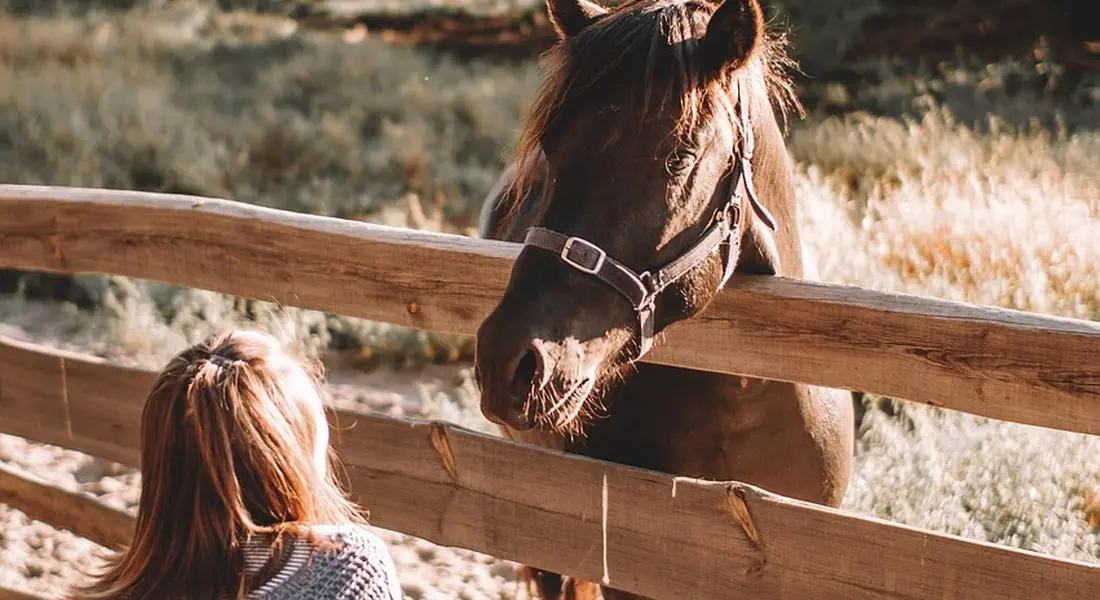
Where your horse lives changes how you read them and what you watch for. The environment itself becomes a diagnostic tool, whether it’s a safe and enriching environment or otherwise.
In a paddock, you spot lameness earlier. Watching Luna move freely on a long track, I can see a slight head bob or stiffness long before it’s evident in the short, straight lines of a barn aisle. The constant, gentle movement of turnout keeps joints fluid and digestion regular. In a stall, your monitoring becomes more intimate. You notice the subtleties: a single flake of hay left overnight, a change in the consistency of manure, a new rub mark on the wall. Stalled horses telegraph problems through quiet changes in habit.
Behaviorally, the difference is night and day. A paddock provides herd interaction, mental stimulation, and the simple freedom to choose-to walk, roll, or just stand with the breeze on their back. A stall, without meticulous management, risks isolation stress, weaving, cribbing, and a general tension you can feel in the air. When weighing stall boarding versus pasture boarding, take an honest look at your horses’ well-being. The goal is daily comfort, social connection, and manageable stress. Horses are meant to be with horses, under the sky.
FAQ: What Are the Key Differences in Caring for a Stall vs. a Paddock?
How does feeding differ between a stall and a paddock?
Stall feeding allows for precise control over diet with measured portions and minimal waste. Paddock feeding requires managing weather and herd dynamics, often using multiple hay nets to mimic grazing. This outdoor setup reduces bullying but demands strategic placement to keep forage clean and accessible. By choosing the right feeding method, you can optimize your horse’s digestion and behavior.
What are the key health monitoring differences?
In a paddock, health monitoring focuses on observing natural movement to spot lameness or stiffness early. Stall monitoring involves intimate checks for subtle changes in eating habits, manure consistency, or behavior. Each environment tailors vigilance to prevent issues like thrush indoors or injuries outdoors.
How does social interaction and mental stimulation differ?
Paddocks provide essential herd interaction and freedom, reducing stress and promoting natural behavior. Stalls risk isolation and boredom, requiring enrichment like slow-feed nets or toys to prevent habits like weaving. Mental well-being in stalls depends on intentional strategies to mimic outdoor stimulation.
A Stablekeeper’s Perspective
Your management routine must adapt to your horse’s housing, with stalls demanding diligent cleanliness and paddocks requiring robust fencing and shelter. No matter your setup, prioritize generous daily turnout-it is the non-negotiable cornerstone of physical health and mental peace for any horse. Integrating a healthy exercise turnout schedule helps maintain balanced conditioning. That cadence supports consistent movement and recovery for your horse.
Stay patient and observant, letting your horse’s demeanor and condition guide your choices. The best care comes from listening to them, not just following a schedule. If you’re curious what a seasonal horse-care routine looks like, this will be explored in the next steps. This keeps care flexible to changing needs.
Further Reading & Sources
- Paddock or stable? | The Horse Forum
- Designing the Perfect Horse Stall and Paddock System – JH HORSE STALL
- How To Decide Between a Stall, Pasture, or Both for Your Horse – My New Horse
- Pastures vs Stalls | Straightness Training
At Horse and Hay, we are passionate about providing expert guidance on all aspects of horse care, from nutrition to wellness. Our team of equine specialists and veterinarians offer trusted advice on the best foods, supplements, and practices to keep your horse healthy and thriving. Whether you're a seasoned rider or new to equine care, we provide valuable insights into feeding, grooming, and overall well-being to ensure your horse lives its happiest, healthiest life.
Stable Management