
What is a Saddlebred Horse? A Barn Manager’s Guide to This Versatile Breed
Published on: August 14, 2026 | Last Updated: August 14, 2026
Written By: Henry Wellington
Hello fellow equestrians, have you admired the Saddlebred’s flowing mane and proud carriage but worried if their spirited nature is too much for your stable? Maybe you’re weighing potential training challenges or vet costs against their undeniable elegance.
In this guide, I’ll walk you through the breed’s development as a true American classic, their distinctive physical and behavioral traits you can spot in the pasture, and real-world care priorities that support their well-being and performance.
My years of barn management and training, from gentle giants to clever ponies like Pipin, give me a grounded perspective on matching horses to their people.
Breed Basics: The American Saddlebred Defined
When you picture a show horse with a floating trot and a tail carried high like a flag, you’re likely thinking of the American Saddlebred. Bred for smooth, comfortable gaits and a willing mind, this is the ultimate “pegasus” of the show ring and a trustworthy partner on the trail. They were developed in the American South to be elegant yet durable, capable of carrying a plantation owner all day in absolute comfort. This history forged a horse that is uniquely versatile, blending athletic flash with a genuinely people-oriented personality.
I’ve found their intelligence to be a double-edged sword. A Saddlebred I worked with, who had a mind much like our barn’s clever pony Pipin, could learn a new task in three repetitions but would also invent new ways to open stall latches if bored. They thrive on consistent, thoughtful work and mental engagement. Neglecting their need for a job or variety is a fast track to developing stable vices, which is why I am a fierce advocate for maximum turnout time for this energetic breed. A pasture to roam is not a luxury for them; it’s a necessity for their mental well-being.
Today, they are famous for three-gaited and five-gaited competition, but their utility stretches far beyond. Their smooth, ground-covering walk makes them superb trail horses, and their calm demeanor suits therapeutic riding programs. That blend of stamina and temperament places them among the best horse breeds for riding trail use. They handle varied terrain with grace and respond well to light rein contact. You’re not just getting a horse; you’re getting a sensitive, trainable athlete that requires a rider with soft hands and a patient approach.
The Saddlebred Look: Conformation and Markings
The Hallmark Saddlebred Frame
You can spot a Saddlebred from a paddock away. Their conformation is built for action and eye-catching movement. The neck is long, elegantly arched, and set high on the shoulder, giving them a proud carriage. They have a short, strong back that powers their dramatic movement, with a croup that is level and long. The legs are straight and clean, with forelegs set well forward. This specific structure is what creates their famous “air time” and fluid motion, but it also demands correct riding to build the right muscles and protect their joints.
From a care perspective, this elegant build has practical implications. Their high neck set means blanket fit can be tricky-look for designs with generous shoulder gussets. That powerful, sloping shoulder also influences saddle fit; a tree that’s too narrow can pinch, while one that’s too wide will bridge. I always recommend a professional saddle fitter for any horse, but for a Saddlebred’s unique geometry, it’s non-negotiable. Seeing one move freely, without the restriction of poor-fitting tack, is the very definition of equine welfare in action.
Coat Colors and Common Markings
The American Saddlebred can come in virtually any equine color, which adds to their spectacular presence. You’ll see the full rainbow:
- Common Solids: Bay, chestnut, and black are widespread.
- Flashy Patterns: Gray, roan, palomino, and champagne are highly popular in the show ring.
- The Painted Look: Pinto patterns, both tobiano and overo, are fully recognized and create stunning, unique animals.
Markings are equally varied and often bold. A wide, white blaze on a dark face is a classic and striking look. High white stockings or full leg markings are common and emphasize the drama of their high-stepping action. While color is a beautiful bonus, never let it be the primary reason for your choice; temperament and structure must always come first. A grumpy horse with four white socks is still a grumpy horse.
Grooming is where these colors really shine. That sleek, fine coat responds brilliantly to regular currying and a balanced diet rich in omega fatty acids. The gleam on a healthy Saddlebred’s coat, whether it’s deep bay like Rusty or dappled grey like Luna, doesn’t come from magic potions-it comes from consistent care, quality nutrition, and good health from the inside out.
A History Forged in Utility: From Farm to Show Ring
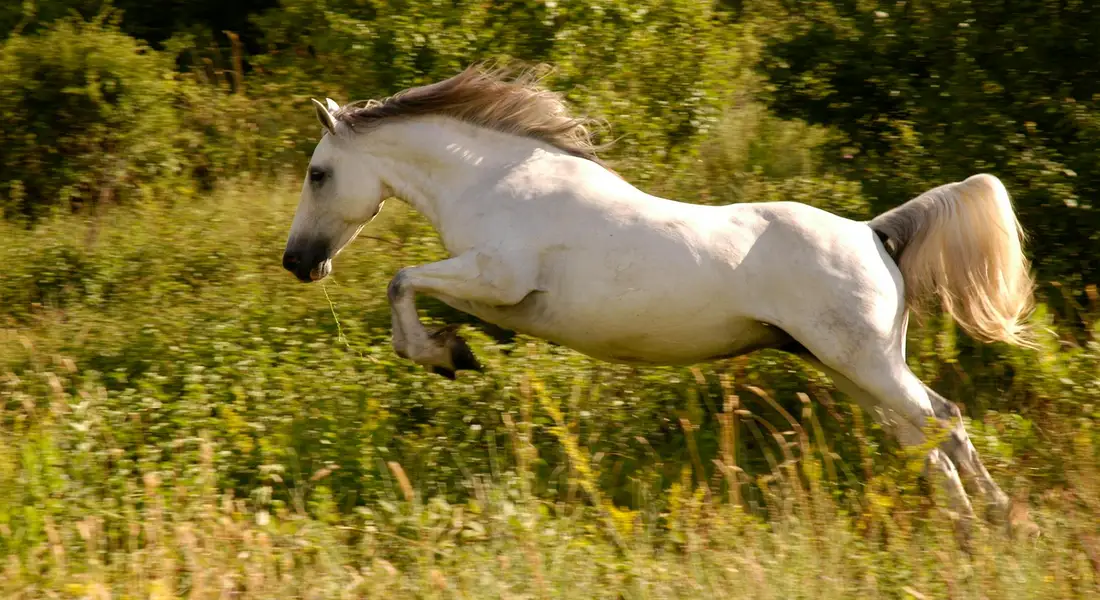
Picture this: a versatile horse clearing fields by day and carrying the family to church on Sunday. That was the original job description for the American Saddlebred. I’ve mucked stalls next to old-timers who remember when these horses were the tractors and SUVs of their time, bred for comfort, stamina, and a steady mind over rough terrain. Their evolution from farm help to show ring star is a testament to their adaptable intelligence and willing nature.
You can still see that work ethic in them today. I think of my reliable quarter horse, Rusty, when I see a Saddlebred’s steady focus. While Rusty hates puddles, early Saddlebreds had to forge through them, their strong, balanced build making them indispensable on rough Kentucky land. That foundational strength is why modern Saddlebreds can perform with such power and poise; it’s literally in their bones.
Transitioning to the show ring didn’t change their core. It just channeled that natural athleticism into a polished display. The smell of show ring liniment and the sound of precise hoofbeats on clay footing are a far cry from the smell of fresh-turned earth, but the heart of the horse is the same. Always advocate for that heart by ensuring show horses get ample turnout time to just be horses, something I prioritize for every animal in my care, from the sensitive Luna to cheeky Pipin.
The Saddlebred Gaits: Understanding the Rack and Slow Gait
Beyond the basic walk, trot, and canter, the Saddlebred offers two dazzling, smooth-as-butter gaits: the slow gait and the rack. The slow gait is a deliberate, four-beat dance with a distinct moment of suspension. Riding a good slow gait feels like sitting in a rocking chair that’s gliding effortlessly across the ground.
The rack, however, is the crowd-pleaser. It’s a fast, flashy, four-beat gait where each foot hits the ground independently. The first time I felt a true rack, it was like the horse was vibrating with purpose beneath me, all power and no bounce. This gait requires incredible coordination and conditioning from the horse, which is why ethical training is non-negotiable.
These aren’t tricks; they are amplified natural movements. Think of it like this: all horses can do a playful skip. The Saddlebred has been selectively bred to refine that energy into a regulated, breathtaking gait. Listening to the rhythmic thud of hooves in a perfect rack is a reminder of what focused breeding and gentle training can achieve.
Three-Gaited vs. Five-Gaited Horses
You’ll often hear Saddlebreds split into these two categories. It’s simpler than it sounds. A three-gaited horse is shown at the walk, trot, and canter. They’re often ridden in a flatter saddle and their mane is left long. Three-gaited competition highlights elegance, refinement, and that trademark high-stepping action at the trot.
Five-gaited horses perform all three basic gaits plus the slow gait and the rack. They carry a bigger saddle and have their manes roached (shaved off). Here’s a quick breakdown of gaited horses and how they move:
| Type | Gaits Performed | Key Visual Cues | Best For |
|---|---|---|---|
| Three-Gaited | Walk, Trot, Canter | Long mane, flatter saddle | Riders who love the classic, animated trot. |
| Five-Gaited | Walk, Trot, Canter, Slow Gait, Rack | Roached mane, larger show saddle | Riders seeking the ultimate smooth, fast ride. |
Choosing between them isn’t about better or worse, but about rhythm. I’ve found riders who click with the punchy energy of a five-gaited horse often have a background with forward types, like my thoroughbred Luna. Matching the horse’s natural talents to the rider’s goals is the cornerstone of good horsemanship.
Why Those High-Stepping Moves Matter
That brilliant action is more than just pretty. It’s a display of superior engagement and strength. To step that high and that cleanly, a horse must use its entire body correctly—from the powerful drive of its hindquarters to the flexible lift of its shoulders. Proper development of these gaits builds muscle like a gymnast, not a weightlifter, promoting long-term soundness.
But here’s my barn manager truth: that level of athleticism demands respect. It requires meticulous care. You cannot ask for this kind of performance without providing the foundation:
- Constant forage to fuel their metabolism and keep their gut happy.
- Thoughtful conditioning that builds stamina gradually, never rushing.
- Daily turnout to let them stretch and play on their own terms. A stalled horse is a stiff horse.
- Regular bodywork to check for tension, just like you’d massage a dancer’s legs.
All of these choices feed into the factors that determine a horse’s endurance and stamina. Understanding these factors helps tailor care and conditioning for sustainable performance.
I learned patience with my high-strung Luna, and that lesson applies tenfold here. Forcing a gait or using harsh methods to get more lift creates a stressed animal and a hollow performance. The best high-stepping move is the one a horse offers freely, from a place of health and trust, a principle that guides every interaction in my stable.
Caring for Your Saddlebred: A Barn Manager’s Perspective
Diet and Nutrition for an Energetic Partner
Fueling a Saddlebred is less about pure calories and more about clean, consistent energy. Their metabolism often runs hot, so I avoid high-sugar or high-starch feeds that can turn them fizzy. Think of it like giving a sprinter a steady drip of complex carbohydrates instead of a candy bar.
I base every diet on the best-quality hay I can find, aiming for that 1-2% of body weight rule. For my more active show horses, I’ll add a fat source like rice bran or a performance feed designed for easy keepers. A truly balanced approach helps sustain energy and supports recovery between workouts. In the next steps, we’ll explore how to create a balanced diet for a performance horse. The goal is a horse that is powered up for work but still sensible to handle on the ground, which always starts in the feed tub.
My sensitive mare, Luna, taught me the value of simplicity. A switch to a simpler ration balancer and more turnout made her more focused than any “hot” feed ever did.
Hoof Care and Leg Health
Those famous, flashy actions put unique demands on a Saddlebred’s limbs. They often have a straighter hock and pastern, which can transmit more concussion. Your farrier isn’t just a shoer; they’re your first-line defense in soundness.
A regular, consistent shoeing schedule is non-negotiable. I’ve found every 5-6 weeks works for most in work. We often use a slightly heavier shoe to encourage that natural, lofty stride and provide support.
- Daily leg inspections are a must. Feel for heat, swelling, or any bumps before and after work.
- Supportive bedding in stalls is key. I’m a fan of deep, clean shavings to cushion those legs during rest.
- After a hard workout, a cold hosing or standing in ice boots isn’t a luxury-it’s routine maintenance to keep inflammation down.
A sudden change in gait or a reluctance to move out can be the first sign of a foot or leg issue, so listen with your eyes.
Turnout and Exercise Needs
This is the hill I will die on: a sane Saddlebred is a turned-out Saddlebred. They are intelligent, social animals with energy to burn. Confining them 23 hours a day is a recipe for a nervous, difficult partner.
I aim for daily turnout, even if it’s just for a few hours of mental decompression. The ideal is a safe, spacious paddock or pasture with a calm buddy. They need to roll, graze, and just be a horse. The benefits of different turnout environments—pasture versus paddock—are distinct in terms of forage, space, and social interaction, which can influence their daily freedom and mood. That daily dose of freedom directly translates to a more willing and relaxed attitude under saddle.
When it comes to exercise, consistency beats marathon sessions. A daily routine of thoughtful groundwork, long-lining, or riding keeps their mind and body tuned. Skipping days often means you spend the next session reminding them of the basics.
Training and Working with a Saddlebred
The Saddle Seat Discipline
This is where the breed’s unique talents shine. Saddle Seat isn’t about the rider’s seat going deep into the saddle; it’s about showcasing the horse’s extreme, fluid motion. The rider sits slightly behind the motion to allow the front end to lift and soar.
The tack is specific: a flat-cutback saddle places you in the correct position, and long, draped reins ask for a high, collected headset. It’s a dance of subtle cues. Training for this requires immense patience to build the muscle and balance for that spectacular, effortless look-it should never be forced.
It’s a beautiful partnership of elegance and animation, where the horse appears to be floating on air.
Versatility Beyond the Show Ring
Don’t let the show ring fool you. That same intelligence and willingness makes them incredible all-around partners. I’ve seen Saddlebreds excel in disciplines that demand a cool head and a good mind.
- Trail Riding: With proper exposure, their alertness makes them superb trail horses. My old guy Rusty would much prefer a quiet forest path to the show ring any day.
- Dressage: Their natural collection and presence are a fantastic foundation. They can master the lower levels with beautiful expression.
- Driving: Their elegance and stamina make them natural candidates for harness work.
- Equitation & Hunt Seat: Many transition beautifully, offering a smooth, comfortable ride over fences.
The key is respecting their sensitivity and channeling their energy into positive, varied work. A bored Saddlebred will invent their own job, and you probably won’t like it (just ask my escape-artist pony, Pipin). Challenge their brain, and you’ll unlock a breathtakingly versatile friend.
Is a Saddlebred Horse the Right Fit for You?
A Saddlebred isn’t just another horse; it’s a partnership that demands a specific kind of conversation. Their intelligence and sensitivity mean they mirror your energy with startling accuracy. I learned this with my Thoroughbred, Luna-a similar mind in a different package. A frustrated tap of your finger becomes a dramatic flinch, while a calm, steady breath can unlock beautiful focus. You don’t just ride a Saddlebred; you engage in a continuous, subtle dialogue where you must be the steadier partner.
Weighing the Shine Against the Sweat
Let’s lay it out plainly. This breed offers incredible rewards but asks for specific commitments in return. It’s the difference between a horse that is simply ridden and a horse that is truly presented. Of course, it’s important to consider your own breed-specific questions before making a commitment.
| The Glow-Up | The Groundwork |
|---|---|
| Unmatched presence and show-stopping movement. | Requires consistent, skilled training to channel energy positively. |
| Brilliant, willing mind that loves to learn. | Can become bored or develop habits if under-stimulated. |
| Versatile across saddle seat, driving, dressage, and trail. | Often has a higher-maintenance fitness and grooming regimen. |
| Forms deep, person-oriented bonds with their handler. | Needs a confident, patient leader, not a passive passenger. |
Your Lifestyle Audit: Can You Provide What They Need?
Before falling for the elegant neck and high tail, take a hard look at your barn life. Their welfare hinges on these pillars.
- Turnout is Non-Negotiable: A Saddlebred in a stall 23 hours a day is a recipe for a neurotic athlete. They need daily movement, social interaction, and mental space to just be a horse. A secure paddock or pasture is a core wellness requirement, not a luxury.
- You Must Be Their Brain Trainer: If your idea of riding is the same quiet trail loop every day, consider a steadier breed. These horses thrive on variety: new patterns, obstacle work, or learning tricks. A bored Saddlebred will invent its own entertainment, and you might not like the show.
- The Budget for More Than Hay: Expect farrier work every 5-8 weeks to maintain those famously good feet. Tail care is an art form to prevent breakage. Show grooming supplies, potential shoeing, and high-quality feed to fuel their engine add up quickly.
- Access to Educated Help: Do you have a trainer or mentor familiar with gaited horses? Having guidance for fine-tuning their five gaits or managing their spirited mind is invaluable, especially for the first few years.
A Gentle Horsemanship Mandate
Their sensitivity is a gift, not a flaw. Heavy hands and harsh methods will shut a Saddlebred down or create a fearful, reactive animal. The most successful Saddlebred people I know use whisper-light cues and reward the smallest try with genuine praise. It’s about finesse, not force. Remember, they feel everything-from the fit of your saddle to the tension in your calves. Building trust through consistency and kindness is the only path to their best performance.
So, is the Saddlebred right for you? If you seek an intelligent, expressive partner for an active, engaged equestrian life and are ready to meet their physical and mental needs with a soft hand, then yes. But if you crave a low-maintenance, unflappable mount that requires less conversation, another wonderful breed might be your better match.
What is a Saddlebred Horse? FAQ
What are the defining characteristics of an American Saddlebred?
An American Saddlebred is fundamentally defined by its innate ability to perform smooth, four-beat ambling gaits beyond the standard walk, trot, and canter. This breed is characterized by a people-oriented temperament, high intelligence, and a versatile nature that excels in both the show ring and recreational riding. Their conformation-featuring a long, arched neck, short back, and high tail carriage-is specifically designed to facilitate their elegant and dramatic movement.
Why is the Saddlebred classified as a “gaited” horse?
The Saddlebred is classified as a gaited horse due to its natural predisposition for the slow gait and the rack, which are inherited, smooth, four-beat movements. These gaits provide exceptional comfort for the rider, a trait originally bred for plantation use. This genetic ability sets them apart from non-gaited breeds and is the cornerstone of their identity in the show world, where they are exhibited as either three-gaited or five-gaited horses. These differences also prompt questions about practicality: do different horse gaits actually work for riders in real-world settings? How consistent is performance across disciplines and riding styles?
What core temperament traits define the breed?
The core temperament of the Saddlebred is defined by a willing, sensitive, and intelligent nature that forms strong bonds with handlers. They are energetic and thrive on mental stimulation, requiring consistent engagement to prevent boredom. This combination of sensitivity and spirit necessitates a confident, patient, and knowledgeable handler to guide them successfully.
From the Saddlebred Stall
Remember, their famous animation comes from a mind that needs engagement and a body that requires consistent, compassionate conditioning. Prioritize ample daily turnout in a safe pasture; it is the cornerstone for managing their spirited nature and preventing stable vices.
Move forward with patience, letting their responses shape your training timeline. True horsemanship is found in the quiet moments of understanding, not just the bright lights of the show ring. Talk with your horse and listen to its signals; this is how you build better communication. That quiet dialogue becomes the backbone of every training step.
Further Reading & Sources
- American Saddlebred – Wikipedia
- Breed Profile: The American Saddlebred Horse
- Breed Information :: American Saddlebred Horse and Breeders Association
- The American Saddlebred Horse | Chastain Veterinary Medical Group
At Horse and Hay, we are passionate about providing expert guidance on all aspects of horse care, from nutrition to wellness. Our team of equine specialists and veterinarians offer trusted advice on the best foods, supplements, and practices to keep your horse healthy and thriving. Whether you're a seasoned rider or new to equine care, we provide valuable insights into feeding, grooming, and overall well-being to ensure your horse lives its happiest, healthiest life.
Choosing the Right Breed