
The Average Weight of a Horse: Your Key to Healthier Care and Riding
Hello fellow equestrians. Are you guessing your horse’s weight and hoping for the best? That gut feeling isn’t enough when a few hundred pounds off can mean under-dosed medication or a pinching saddle.
I’ve felt that same knot of worry in the barn aisle, knowing that an inaccurate number impacts everything from feed bills to my horse’s comfort. Getting this right is the foundation of good stewardship.
In this article, I’ll cut through the confusion and give you practical, barn-proven advice. We’ll cover:
- Why the search for a single “average” number is a wild goose chase and what to track instead.
- My go-to method for a reliable weight estimate using just a measuring tape and your eyes.
- How proper weight management directly affects turnout soundness, parasite control, and behavioral calm.
- Simple, daily habits to monitor condition so you catch changes before they become problems.
You can trust this guidance—it’s built on years of hands-on barn management and training, where I’ve learned that gentle horsemanship always starts with knowing your horse inside and out it’s understanding how horses learn through proper training and conditioning.
Why Horse Weight Matters in Daily Care
That number on a scale or weight tape is your secret weapon for daily stewardship. Guessing your horse’s weight is like baking a cake without measuring cups-you might get something edible, but it won’t be right for the recipe.
Precision matters most with anything that goes inside them. An accurate weight ensures dewormers and medications work effectively without under-dosing or creating a toxic overload. Feed amounts stop being a hopeful guess and start being a science.
This single data point ripples out to touch every part of your routine:
- Nutrition Planning: You match forage and grain to actual metabolic needs, not just a “full scoop.”
- Saddle Fit: A tree width for a 1,000-pound horse will bruise the back of a 1,300-pound horse, leading to resistance you might mistake for stubbornness.
- Early Illness Detection: Spotting a subtle 50-pound drop is your first alert for issues from tooth pain to Cushing’s disease.
I learned this through a mistake with my sensitive Thoroughbred, Luna. We eyeballed her for a bute dose at what we thought was 1,100 pounds, but a weight tape revealed a lean 1,025. That error meant we risked gut ulceration with too high a dose. Now, the rustle of the weight tape is a monthly sound in my barn, right after the thud of hooves on turnout.
The Numbers: Defining Average Weight Ranges
Ask for the average horse weight, and you’ll get a wide, comfortable meadow of an answer. For a typical adult light horse, think 900 to 1,200 pounds (400 to 550 kilograms).
That range exists because a “horse” can be a willowy Arabian or a barrel-chested Quarter Horse. Focus less on hitting a perfect number and more on knowing your individual animal’s healthy baseline.
In Pounds and Kilograms: A Quick Reference
For quick barn math, remember that 1,000 pounds is roughly 450 kilograms. I keep a conversion chart pinned by the feed room, smudged with dirt and horse slobber, so it’s always in sight.
Weight Categories: Light Horses, Heavy Horses, and Ponies
This table helps you slot your horse into a general bracket. See it as a starting gate, not a finish line-your horse’s build and breed will dictate where they fall within these spans.
| Category | Average Weight (lbs) | Average Weight (kg) | Common Examples |
|---|---|---|---|
| Light Horses | 900 – 1,400 | 400 – 635 | Thoroughbreds, Arabians, Quarter Horses like my Rusty |
| Heavy Horses (Drafts) | 1,600 – 2,200+ | 725 – 1,000+ | Clydesdales, Percherons, Shires |
| Ponies | 400 – 900 | 180 – 400 | Shetlands like Pipin, Welsh Ponies |
My food-motivated Shetland, Pipin, is a classic pony weight, but his personality is heavier than any draft. Feeding or medicating him as a “small horse” would ignore his unique pony metabolism and invite health trouble.
How Breed Dramatically Affects Body Weight
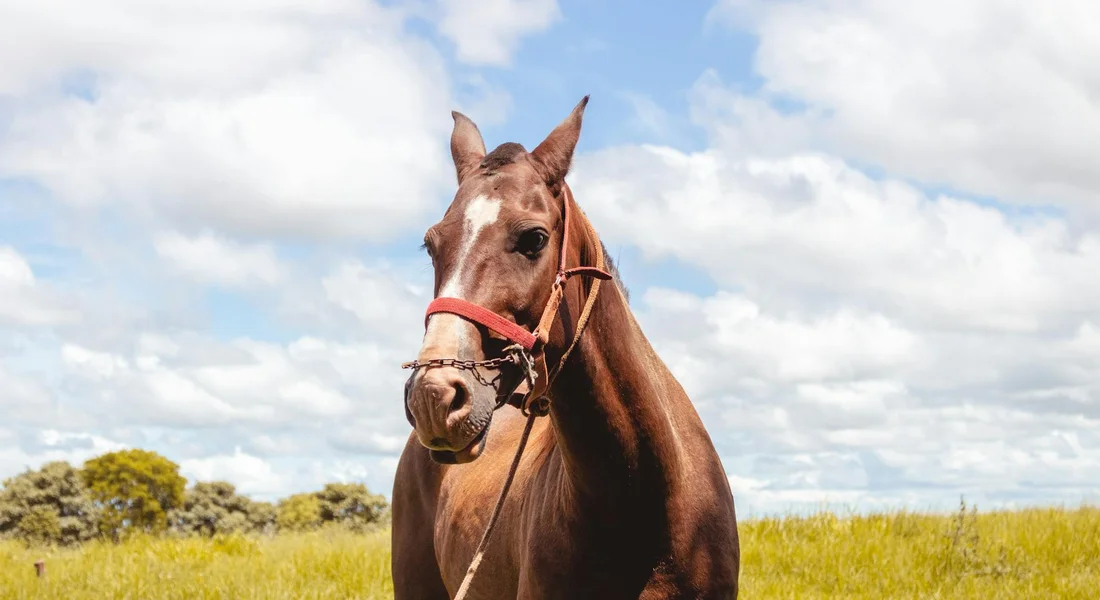
Asking for an average horse weight is like asking for the average height of a mammal-it spans from a Chihuahua to an elephant. Breed is the single biggest factor in determining a horse’s size and mass. A horse’s build and historical purpose-bred for speed, power, or endurance-are written right into its bones and musculature, and that directly translates to pounds on the scale. Understanding the average horse height, weight, and breed helps put these figures in context. Since breed largely dictates size, averages vary widely across horse populations.
You can feel this difference just leading horses from their paddocks. The solid, grounded pull of a stocky Quarter Horse feels entirely different from the lighter, more nervous energy of a lean Thoroughbred. Their weight tells the story of their job.
Common Light Horse Breeds and Their Weight
These are your typical riding and sport horses, built for agility and speed over sheer mass.
- Arabian: 800 to 1,000 lbs. Refined, dense, and tough as nails, they carry their weight in incredible stamina.
- Thoroughbred: 900 to 1,300 lbs. Built like a lean athlete, their weight is in long legs and a deep chest for oxygen. My Luna (a lanky 16-hand Thoroughbred) sits right at 1,100 lbs.
- Quarter Horse: 950 to 1,300 lbs. The quintessential stock horse. They are muscular and broad, carrying significant weight in their hindquarters and chest. My steady gelding Rusty is a textbook example at 1,150 lbs.
- American Paint Horse: Similar to Quarter Horses, averaging 950 to 1,300 lbs, sharing that stocky, powerful build.
Heavy Draft Breeds: The Weight Champions
These are the gentle giants, bred for farm work and pulling. Their weight is in their immense bone structure and heavy musculature.
- Clydesdale: 1,600 to 2,400 lbs. Famous for their feathered feet, they are tall and often leaner than other drafts.
- Percheron: 1,800 to 2,600 lbs. More compact and massively muscular, they are often pure powerhouses.
- Belgian: 1,800 to 2,400 lbs. Known for being exceptionally wide and strong, often topping the scales for pure mass.
Hearing a draft horse trot is a different experience-a deep, earth-shaking *thud* that resonates in your chest, a direct result of all that mass in motion.
Ponies: Small but Dense
Do not let their height fool you. Ponies are often stocky, thick-bodied, and surprisingly heavy for their size.
- Shetland Pony: 400 to 450 lbs. Our barn pony, Pipin, is a masterclass in dense packing. At just 10 hands, he feels like leading a solid barrel of cleverness and mischief.
- Welsh Pony: 500 to 800 lbs, depending on the section. They are sturdy and strong enough to carry small adults.
This density is why pony saddles need their own specific trees-a child’s saddle built for a light-boned horse will not fit a pony’s round, broad back.
Age, Growth, and Natural Weight Changes
A horse’s weight is not a static number throughout its life. Just like humans, they go through growth spurts, periods of maintenance, and the challenges of old age. Recognizing these natural phases helps you distinguish between healthy development and a weight problem. To support stable weight through all stages, focus on balanced nutrition and routine care. Healthy weight horse nutrition care tips can guide you in making smart feeding choices.
From Foal to Adult: The Growth Journey
A foal is born weighing about 10% of its dam’s weight. The growth is not linear; it comes in dramatic spurts.
- Birth to 3 Months: Rapid gain. They can nearly double their birth weight as they rely on milk.
- Weaning (4-6 months): A critical period. Weight may temporarily plateau or dip as they transition to hay and grain.
- Yearling to Two-Year-Old: The “teenage” phase. They get leggy and can look a bit ribby as they shoot up in height before filling out.
- Three to Five Years Old: Muscle development catches up to frame. This is when they truly start to look like an adult, reaching their mature weight.
You should feel a smooth, firm layer over the ribs on a growing young horse, not see sharp angles or a protruding belly.
Senior Horses: Weight Management in Later Years
Maintaining weight becomes the central challenge for older horses. Their digestive efficiency drops, teeth wear down, and arthritis can make moving to graze painful.
- Focus on Forage Quality: Offer softer, leafy hay. Soaking hay cubes or pellets creates a mush that’s easy to eat.
- Supplement Smartly: Senior feeds are designed to be highly digestible. Adding a fat source like vegetable oil can boost calories without bulk.
- Dental Care is Non-Negotiable: Biannual dental checks ensure they can properly chew and utilize every bite.
Subtle sex differences exist-stallions often have more cresty neck muscle, and some mares carry weight differently-but an individual’s conditioning, metabolism, and care always matter more than gender. A well-conditioned gelding can easily outweigh a lightly worked stallion, proving that management trumps biology.
Estimating Weight Without a Fancy Scale
Not every barn has a massive livestock scale tucked in the corner. Mine certainly doesn’t. For years, I’ve relied on two trustworthy, barn-tested methods: a simple weight tape and my own educated eye.
These tools together give you a solid working number and, more importantly, tell the story behind that number. Combining a weight tape measurement with a hands-on Body Condition Score is far more valuable than any single number from a scale.
Step-by-Step: Using a Weight Tape Accurately
That soft, flexible tape in the tack shop is your friend. It estimates weight by measuring the heart girth, the area just behind the elbow and over the withers. Consistency is everything.
- Position your horse on level ground, standing square. Get a helper if they’re fidgety.
- Locate the point just behind the elbow. Run the tape up, over the withers, and around to meet the other end.
- Keep the tape snug but not tight. It should lay flat against the coat without indenting the skin.
- Read the number where the tape meets the zero mark. Do this three times and take the average.
Remember, tapes are calibrated for an average build. For a very stocky horse like a draft cross, subtract about 50 lbs. For a lean, fine-boned Thoroughbred like my Luna, add about 50 lbs to the tape reading for a more accurate estimate.
The Eye Test: Body Condition Scoring Basics
Weight tells you “how much,” but Body Condition Scoring (BCS) tells you “what kind.” Is it firm muscle or soft fat? We use a 1 to 9 scale, where 1 is emaciated and 9 is obese. A score of 5 is ideal.
You need to look and feel six key areas: the neck, withers, shoulder, ribs, loin, and tailhead. Run your hands over them.
- At the ribs, you should be able to feel them easily with light pressure, but not see them starkly.
- Along the top of the loin, the back should feel flat, not creating a peaked ridge or a sunken gutter.
- The neck should blend smoothly into the shoulder without a heavy, cresty fat deposit.
I check BCS monthly on all our boarders. Feeling the change under your fingertips-a slight filling over the ribs, a softening at the tailhead-is how you catch subtle trends long before they become a visible problem.
Putting Weight Knowledge to Work for Your Horse

Knowing your horse’s approximate weight is useless if you don’t apply it. This number is the key to precise feeding, effective conditioning, and proactive health care. Pair this with a weight-management diet tailored to your horse to keep condition steady. A simple feeding plan—proper portions and forage choices—helps manage weight effectively.
Nutrition and Feeding: Calculating Hay and Grain
That golden rule of feeding 1-2% of body weight in roughage daily starts with your weight estimate. For a 1,200 lb horse, that’s 12 to 24 lbs of hay per day. A complete feeding guide dives into how workload, age, and hay quality can shift that daily amount. It explains exactly how much hay to feed your horse each day.
I start all our horses at 2% of their ideal weight in grass hay. Weigh your flakes using a simple bathroom scale; you’ll be shocked how much they can vary. Grain or concentrates should only be added if hay alone isn’t meeting energy needs for work. For Luna in light training, her diet is 90% hay. For retired Rusty, it’s 100%.
Conditioning and Exercise: Building Muscle, Not Just Weight
Seeing the scale number go up isn’t always good. We want the weight of muscle, not fat. Muscle builds from consistent, gradual work, not just more feed.
Monitor conditioning progress with a tape measure and photos, not just the weight tape. Measure the girth before and after a fitness program. A thicker, firmer top line over the loin and croup is a better sign of success than just a higher number on the weight tape. Pipin the pony teaches us that a round belly is often a sign of too much rich grass, not a strong core.
When Weight Loss or Gain Signals a Problem
Sudden, unexplained changes are a red flag. Muscle loss over the top line and hindquarters can look like weight loss but signal metabolic or pain issues.
- Consult your vet if you see rapid weight drop despite good feed, or if ribs become prominent quickly.
- Similarly, sudden puffiness or weight gain, especially with a dull coat and low energy, needs investigation.
- Chronic difficulty keeping weight on a horse eating well often points to dental issues, parasites, or malabsorption.
Your weekly hands-on check during grooming is your earliest warning system; you’ll feel a change long before you see it in the pasture. Trust that feeling. It has sent me to the phone to call the vet more than once, and it’s always been the right call.
FAQ: Understanding Horse Weight for Better Care
How does a horse’s height correlate with its average weight?
Height alone is not a perfect predictor, as build and breed significantly influence mass. A taller horse typically weighs more, but a sturdy 14-hand pony may outweigh a lean 15-hand horse due to body density. Always combine height measurements with hands-on body condition scoring for a true assessment of healthy weight.
What is the average weight-carrying capacity for a riding horse?
A widely accepted guideline is that a horse can safely carry 15-20% of its body weight, including rider and tack. For a 1,000-pound horse, this means a maximum load of 150-200 pounds total. Factors like conformation, fitness level, and workload must be considered to avoid strain or injury. Understanding how much weight a horse can carry is crucial for rider safety and horse welfare.
Why is it important to track my horse’s weight in kilograms as well as pounds?
Many veterinary medications and global equine health protocols use metric measurements for precise dosing. International competitions and breed standards often require weight data in kilograms. Maintaining accurate conversions ensures consistent care and facilitates communication with vets and equestrians worldwide.
Your Horse’s Weight in Your Hands
While averages give a useful starting point, your horse’s perfect weight depends on their individual frame, breed, and daily work. Consistently monitoring with a weight tape and body condition scoring is your most reliable tool for managing diet and spotting trouble.
Trust the process, adjust feed and exercise gently, and always put your horse’s well-being above any chart or number. Your partnership deepens when you learn to read the subtle signs in their posture, energy, and appetite, especially when trying to understand their body language.
Further Reading & Sources
- How Much Does a Horse Weigh? | PetMD
- How much does a horse weigh? – EQUISHOP Equestrian Shop
- Typical Body Weights | Equi-Analytical
- How Much Does a Horse Weigh | How Much Does a Average Horse Weigh
At Horse and Hay, we are passionate about providing expert guidance on all aspects of horse care, from nutrition to wellness. Our team of equine specialists and veterinarians offer trusted advice on the best foods, supplements, and practices to keep your horse healthy and thriving. Whether you're a seasoned rider or new to equine care, we provide valuable insights into feeding, grooming, and overall well-being to ensure your horse lives its happiest, healthiest life.
Health