
American Quarter Horse Uses: A Practical Guide to Their Versatility
Published on: August 27, 2026 | Last Updated: August 27, 2026
Written By: Henry Wellington
Hello fellow equestrians, choosing your next equine partner is a big decision, and you might be staring at a feed bill wondering if a certain breed can truly do it all. I’ve watched countless riders weigh the same concerns-will this horse fit my budget, my riding style, and my barn’s routine without constant behavioral fixes?
Today, we’ll saddle up and explore the real-world jobs that make the American Quarter Horse a cornerstone of stables across the country. You’ll get a clear breakdown of their historic role in ranch work and sprint racing. We’ll look at why they dominate western pleasure, reining, and trail classes. I’ll also share why their steady temperament makes them ideal for beginners and family riding. My advice comes from years of barn management and training Quarter Horses like my own steady trail companion, Rusty, who has taught me that true versatility starts with understanding a horse’s innate strengths.
The Ranch-Ready All-Rounder
Ask any old-time cowboy what the backbone of the outfit is, and they’ll point you straight to a sturdy Quarter Horse. I’ve spent more sunrises in the saddle moving cattle than I can count, and that low-key, dependable nature isn’t just nice-it’s necessary for long, gritty days. This breed’s famous “cow sense” isn’t a myth; it’s a tangible intelligence you can feel through the saddle. They lock onto a steer with a focus that’s almost conversational, reading the animal’s next move before it happens. This innate understanding takes pressure off the rider, allowing you to use lighter cues and build a true partnership with your horse.
Core Cattle Work Disciplines
On a working ranch, a good Quarter Horse is a multi-tool. They’re asked to switch jobs faster than you can swap out a bit. Here’s how their skills break down in practical terms:
- Cutting: This is where that cow sense shines brightest. The horse separates a single cow from the herd and mirrors its every dart and feint. It’s a game of explosive stops and chess-like strategy. A fit, mentally engaged horse loves this work.
- Team Penning & Sorting: Requires communication between horse, rider, and other teams. Your Quarter Horse needs to be responsive yet patient, holding a calm barrier while listening for your quiet leg cues to move left or right.
- Ranch Riding & Trail Work: The daily grind. This is where my old gelding, Rusty, earned his keep. It’s hours of walking, trotting, loping through rough country, checking fences, and moving cattle from one pasture to another. It demands a smooth gait, a sane mind, and feet that can handle anything.
- Roping: Whether heading or heeling, this requires a powerful burst to chase, then instant collection and balance to hold the rope taut. The horse must be unflappable when the rope snaps tight and the calf hits the end of it.
From Rodeo Arena to Home Pasture
The skills honed in the arena directly translate to practical ranch work. A horse trained in reining patterns has the collected stops and spins needed to turn a runaway heeler. A calf roping horse understands how to track a target and brace for impact. The key for any horse doing this work is fitness-both cardiovascular and muscular-to prevent injury from those sudden, intense movements. Even for the backyard rider with a few cattle, these foundational skills make everyday chores safer and more efficient. The respect and trust built through this kind of work create an unbeatable bond.
The Western Show Ring Superstar
Walk through the warm-up area at any AQHA show, and the air crackles with a different kind of energy. The smell of show sheen, the creak of premium leather, and the focused buzz of riders preparing. Here, the Quarter Horse’s athleticism is refined and showcased with precision and flair.
Thrilling Speed Events
While the ranch horse is all about controlled power, the speed event horse is about raw, channeled velocity. These disciplines highlight the breed’s incredible sprinting ability and courage.
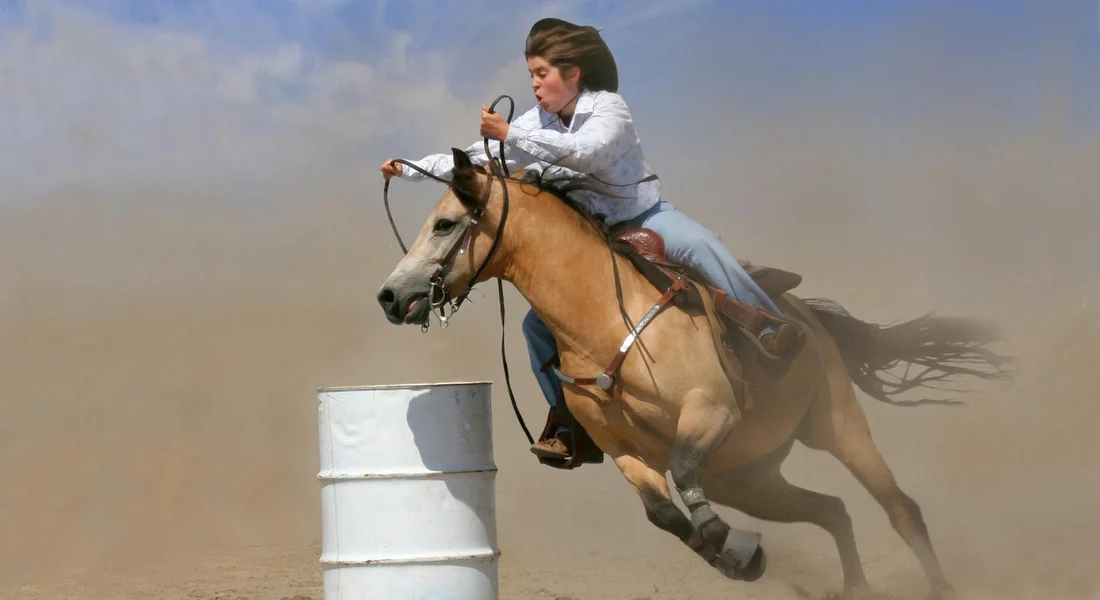
- Barrel Racing: A heartbeat of a pattern demanding a horse that can turn on a dime. They must be agile, trusting, and powerful off their hindquarters. I’ve schooled many a young horse around barrels, and the goal is always to build confidence, not fear. A rushed or forced horse will never be a consistent winner.
- Pole Bending: The ultimate test of serpentine agility and rhythm. It looks like pure speed, but it’s really about controlled bending and recovery between poles. A horse needs a supple back and a rider with good timing.
- Roping (in Arena): The timed version of the ranch work. Here, speed and flawless teamwork are everything. The horse must rate the calf perfectly and stop hard and square to give the roper the best shot.
Conditioning for these events is non-negotiable; think of them as equine sprinters requiring careful management of tendons, ligaments, and wind. Their minds need care, too. Unlike my sensitive Luna, a good speed horse often has a bombproof demeanor, but they still require thoughtful training that avoids creating a “runaway” mentality. It’s about harnessing that want-to-go, not just exploiting it.
The Trustworthy Trail & Family Partner
I’ve lost count of the miles I’ve put on Quarter Horses like Rusty, my sorrel partner, whose steady walk and unflappable nature turn a rocky path into a pleasant stroll. Their reputation as the go-to trail mount isn’t just hype; it’s built on a foundation of predictable behavior and physical durability that lets you focus on the scenery, not the “what-ifs.” A good trail horse prioritizes your confidence over its own curiosity, and that’s a Quarter Horse specialty. For families, this translates to a horse that can patiently tolerate a child’s fumbling grooming attempt one minute and carry a confident adult on a wooded ride the next.
Why They Excel with Beginners
Their minds are just as important as their muscles. Compared to a high-strung Thoroughbred like my Luna, a typical Quarter Horse has a quieter mental engine. This isn’t about intelligence-it’s about processing pressure differently. They tend to think first, react second. This forgiving nature gives a novice rider that crucial extra second to correct a clumsy cue without sparking a spin or a bolt. From the saddle, you feel a sense of willing partnership, not a tense negotiation.
Here’s what that looks like in daily care and riding:
- Steady Under Saddle: They generally accept new or awkward rider positions without surprise. I’ve seen Rusty sigh and stand like a statue when a young rider lost balance, whereas other breeds might sidestep.
- Clear Communication: Their responses to leg and rein aids are typically consistent and proportional, not overly sensitive or dull. This builds a beginner’s understanding of cause and effect in riding.
- Low Maintenance Temperament: In the barn, their calm demeanor makes routine care-like hoof picking or vet checks-safer and less stressful for everyone involved. They’re less likely to feed off a handler’s nervous energy.
Remember, a horse’s patience is fueled by its welfare. No amount of innate kindness can outweigh the frustration caused by inadequate turnout or social isolation. A Quarter Horse with regular herd time and movement is a far more reliable teacher than one stuck in a stall 23 hours a day.
Breed Traits That Make It Possible
That legendary reliability isn’t magic; it’s engineered. The Quarter Horse is built with a specific balance of power and agility that directly supports its roles. Think of them as the all-terrain vehicle of the horse world-not the fastest sportscar, but the one you trust to get you home comfortably over any ground. Their physique is a masterclass in functional design, from the slope of their shoulder to the set of their hocks.
Quarter Horse Size & Speed: The Practical Specs
Forget the extremes. Most Quarter Horses stand in that goldilocks zone of 14.3 to 16 hands, with a solid weight of 1,100 to 1,300 pounds. This compact, muscular build has real-world implications for their care and use.
Let’s break down what these specs mean for you:
- Center of Gravity: A lower, broader build provides inherent stability. This makes them less tippy-feeling for a novice rider and more surefooted on uneven trails compared to a taller, leggier horse.
- Muscle Mass & Metabolism: That powerful hindquarter is fueled for bursts of activity, not sustained distance. This means their dietary needs often lean toward quality forage over high-calorie grain, reducing the risk of metabolic issues when managed on good pasture or hay.
- The Famous “Quarter” Speed: Their explosive acceleration over short distances stems from powerful gaskins and short cannons. In practical terms, this power translates to quick, responsive maneuvers for working cattle or navigating tight trail spots, not just arena racing.
Tack fitting must respect this build. A wide, round barrel needs a properly shaped tree to avoid bridging. Their muscular neck requires a halter or bridle that doesn’t pinch at the poll. I spend extra time checking girth fit on my stockier horses, as their shape can change dramatically with muscle tone and seasons. Equally important is ensuring the tack is properly fit and adjusted to each horse. Properly fitted tack supports comfort and performance while protecting their build and longevity. Their hooves are typically sturdy and proportioned to carry their weight, but consistent, correct trimming is non-negotiable to maintain that soundness. It’s the daily care that honors their design and lets those breed traits truly shine.
Considering a Quarter Horse: Care & Compatibility
Choosing a horse is less about finding the “best” breed and more about discovering the right partner for your life. The Quarter Horse’s reputation can sometimes overshadow the individual horse standing in front of you. Their versatility is a blessing, but it demands we look beyond the label to see the specific athlete-or companion-we’re responsible for. Ultimately, the right horse should fit your experience level and lifestyle. Your goals, schedule, and preferred riding activities should guide the search, just as temperament and training history should.
Daily Care for the Versatile Athlete
Whether your Quarter Horse is a barrel-racing phenom or a steady trail companion like my Rusty, their basic needs are rooted in consistency. The “what” and “how much” simply shift with their job description. A performance horse’s care is a precise science, while a pleasure horse’s regimen is the art of maintaining steady health.
Fueling the Engine
I see too many good Quarter Horses carrying extra weight because we overestimate their calorie needs. Their efficient metabolism is a hallmark of the breed. For most in light to moderate work, a diet of quality grass hay, a ration balancer, and a salt block is complete. The sleek, powerful look comes from muscle, not fat. If you can’t easily feel their ribs, it’s time to reassess the feed cart, not add more grain. Weight management is best approached with a deliberate diet plan and regular body-condition checks. Fine-tuning portions and forage keeps them lean while preserving performance.
Movement is Non-Negotiable
This breed is built to work, and their mind needs that outlet. Daily turnout is my non-negotiable rule, even for the retired ones. A bored Quarter Horse will invent a job, often involving dismantling stall doors or perfecting escape artistry worthy of my pony, Pipin. Consistent, varied exercise-riding, ground work, or even hand-walking-is the best preventative for both behavioral and physical issues.
Hoof & Leg Vigilance
Those powerful hindquarters and solid legs are designed for explosive movement, but that also means they transmit significant force. A structured hoof care schedule with a farrier you trust is critical. I watch for any changes in stance or warmth in tendons after work. Catching a subtle filling early, before a limp appears, is the difference between a few days of cold hosing and a long veterinary rehab.
The Mental Connection
Don’t let their steady demeanor fool you; they are thinkers. Repetitive drilling without purpose will tune you out. Mix up your routine: a trail ride one day, pole work the next, followed by a long, relaxing groom. Their willingness is a gift; repay it with variety and clear, fair communication.
Finding Your Match: Beyond the Sale Ad
“Bombproof trail horse” and “youth show prospect” are both Quarter Horses, but they inhabit different worlds. The key to compatibility lies in ruthless honesty about your own lifestyle and skills.
Match Energy to Experience
- The Green Human + The Green Horse: Rarely a good mix, despite the tempting price. You’ll both be confused and potentially unsafe.
- The Novice/Returning Rider: Seek a confirmed “been there, done that” horse. Look for one who stands quietly for the farrier, loads reliably, and doesn’t spook at flapping banners. This is Rusty’s specialty-providing confidence.
- The Experienced Rider Seeking a Project: You have the skills to bring along a younger or greener horse. You understand the time investment and have the support network (trainer, farrier) to do it right.
Align with Your True Goals
Be honest about what you’ll actually do. Dreaming of reining patterns but only have access to a small riding ring? A horse bred for high-level cow work may grow frustrated. A horse suited for your actual facilities and weekly routine will be happier and safer than one suited for an aspirational fantasy.
The Pre-Purchase Reality Check
- Vet Check: Always. A good pre-purchase exam is worth every penny, not as a pass/fail, but as a roadmap of what you’re taking on.
- Try More Than Once: See the horse on a different day, in different weather. Ask to do mundane tasks like grooming and tacking up.
- Watch Them Leave: How do they interact with other horses in the pasture? How do they load in the trailer? These moments reveal true temperament.
Choosing a Quarter Horse, or any horse, is the first act of responsible ownership. When you match their needs with your ability to meet them, you build the foundation for a partnership that actually works, day after dusty, wonderful day. That partnership evolves into a strong bond and the trust you build with your horse. Nurture it through patient, consistent care and honest, clear communication.
FAQ: American Quarter Horse Uses and Care
What is the average cost of an American Quarter Horse?
The cost of an American Quarter Horse varies based on factors like age, training, and pedigree. For a solid pleasure or trail horse, prices typically range from $3,000 to $10,000. Show or breeding prospects can cost $20,000 or more, so always budget for purchase and ongoing care like feed and veterinary services.
What are the main pros and cons of owning an American Quarter Horse?
Pros include their versatility across disciplines, steady temperament ideal for beginners, and generally low-maintenance attitude in routine care. Cons may involve a tendency toward weight gain requiring careful diet management and a need for regular exercise to prevent boredom-related behaviors. Overall, they are dependable partners but demand attentive ownership to thrive.
Where can I find American Quarter Horses for sale near me?
Begin by searching reputable breeders, local horse auctions, and online platforms such as Equine.com or regional Facebook horse groups. Attending AQHA-sanctioned events or contacting local Quarter Horse associations can also connect you with responsible sellers. Always visit to assess the horse personally and schedule a pre-purchase veterinary exam for health verification. Alternatively, you might consider adoption from a reputable horse rescue—it’s a compassionate option alongside traditional buying. Whether you buy or adopt, prioritize a good match with the horse’s temperament, training, and health.
Parting Wisdom from the Paddock
Your Quarter Horse’s job should dictate their care, from the type of saddle you choose to how you manage their energy intake. No matter their discipline, a foundation of ample forage, consistent hoof care, and generous daily turnout is what keeps these athletes sound in mind and body. A healthy exercise turnout schedule for your horse supports consistent training without overtaxing their body. It also helps balance rest and work for long-term soundness.
Move forward with patience and a focus on gentle, clear communication. Your horse’s comfort and willingness are the truest measures of your horsemanship, so listen closely. Take time to talk with your horse and learn what they understand in return. This dialogue builds better communication over time.
Further Reading & Sources
- American Quarter Horse – Wikipedia
- What Is a Quarter Horse? – AQHA
- American Quarter Horse Breed Characteristics, Health & Nutrition Guide | Mad Barn
- American Quarter Horse | Western riding, Racing, Performance | Britannica
At Horse and Hay, we are passionate about providing expert guidance on all aspects of horse care, from nutrition to wellness. Our team of equine specialists and veterinarians offer trusted advice on the best foods, supplements, and practices to keep your horse healthy and thriving. Whether you're a seasoned rider or new to equine care, we provide valuable insights into feeding, grooming, and overall well-being to ensure your horse lives its happiest, healthiest life.
Choosing the Right Breed