
How to Buy or Adopt a Horse: A Practical Guide to Finding Your Right Partner
Published on: August 25, 2026 | Last Updated: August 25, 2026
Written By: Henry Wellington
Hello fellow horse lovers,
That dream of your own horse is exciting, but the fear of a costly vet bill or a dangerous behavioral mismatch can quickly cloud it. I’ve seen that worried look at countless barns-it’s a smart caution to have.
In this guide, I’ll cut through the overwhelm and show you how to make a clear-headed, heart-centered decision. We’ll cover:
- Evaluating a horse’s true health and soundness from the hooves up.
- Reading temperament and training to see if you’ll actually get along.
- Building a realistic budget that includes hay, feet, and the unexpected.
- Choosing between adoption and purchase based on your life and goals.
- Executing a foolproof trial and vet check so you can sign on the dotted line with peace.
I’ve managed barns and trained horses for years, matching everything from steady trail partners like my old gelding Rusty to sensitive souls like Luna, and I’m here to help you build a lasting partnership right from the start.
Before You Start: Assessing Your Readiness
Evaluating Your Riding Experience and Goals
Be brutally honest with yourself. I’ve seen too many pairings fail because a rider’s ambition outpaced their seat. Grab a notebook and answer these questions.
- How many hours a week do you actually ride, and what is your primary discipline?
- Can you post the trot without stirrups? Do you know how to give a proper release over a fence?
- When a horse spooks, does your body tighten or do you remember to breathe and soften your hands?
- Are you looking for a teacher, a finished partner, or a project to grow with?
Your answers direct you to the right horse. A sensitive thoroughbred like my Luna requires soft, confident hands. A novice with tight reins would make her anxious, and that’s unsafe for everyone. Matching a calm, forgiving temperament to a less experienced rider isn’t a compromise; it’s the foundation of a safe and joyful partnership. For years, Rusty has been the steady rock for green riders, because his “been there” attitude builds confidence.
Assessing Your Facilities and Time Commitment
Pasture and Stall Requirements
Your property needs a report card before a horse comes home. Walk your land with a critical eye. Is the grass abundant and free of toxic plants like ragwort or oleander? Every horse needs a dry, draft-free shelter from sun and storms. Fencing is non-negotiable: wooden board, vinyl, or tightly woven mesh are safe bets, while barbed wire is a hard no. This is especially true when considering which type of fencing is best for your horses. I learned this after Pipin, our clever escape artist, found a weak spot in an old fence line-twice. Your setup must prioritize secure turnout for their mental and physical health.
- Secure, visible fencing (minimum 4.5 feet high)
- At least one acre of pasture per horse, though more is always better
- A three-sided run-in shed or stable with good ventilation
- Reliable, clean water source that won’t freeze solid in winter
Daily Care Time Estimates
Horses thrive on routine. Whether you board or keep them at home, understand the time sink. Here’s a realistic breakdown of daily chores.
| Task | Home Care (Per Horse) | Full Board (Your Time) |
|---|---|---|
| Morning Feed & Check | 20-30 minutes | 5 minutes (visual check) |
| Turnout/Bring-In | 15 minutes | 0 minutes (usually included) |
| Evening Feed, Water, Stall | 30-45 minutes | 10 minutes (visiting) |
| Grooming & Tack Up | 20-30 minutes | 20-30 minutes |
Home care is a 7-days-a-week commitment, often totaling 1.5 to 2 hours daily before you even swing a leg over the saddle. Boarding buys you time, but you still need to visit for bonding and exercise. There are no days off from noticing if your horse is off his feed or has a fresh scrape.
Where to Look: Sources for Horses
Buying from Breeders
Consider a breeder if you need a specific bloodline for sport or a predictable temperament from a known lineage. A good breeder is a font of knowledge. They can tell you about the dam’s patience or the sire’s bone structure. You’re not just buying a horse; you’re investing in a curated history of health, conformation, and early handling. I’ve visited breeders where foals are halter-broken with kindness, setting them up for a lifetime of trust. Ask to see the facilities and meet the dam if possible-it tells you volumes about the environment your potential partner came from.
Adopting from Rescues and Programs
Adoption is a profound journey. Rescues are full of worthy horses, from straightforward pasture pets to talented rides needing a second chance. The process is designed for good matches: expect an application, reference checks, and a facility inspection. Rescue fees are far lower than purchase prices, and that investment usually includes vaccinations, deworming, and a veterinary check. Many groups offer post-adoption support, which is invaluable. My friend adopted a saddle-seat horse from a network; they provided coaching calls for months to ensure success. It’s essential to find and vet a reputable horse breeder or rescue before making such commitments.
BLM Mustang Adoption Programs
Adopting a wild mustang is a unique commitment to gentling a symbol of freedom. These horses are intelligent and hardy but require expert handling or a willingness to learn from the ground up. The adoption process involves bidding at an event or online, followed by a strict timeline for providing a sturdy, approved facility. You become their first teacher. It’s slow work-weeks of gaining trust before a halter even fits-but the bond forged is incredible. They are not blank slates; they are independent thinkers shaped by the range.
Purchasing from Private Sellers and Auctions
Private sales are common, but diligence is key. Always, always see the horse in person and ride it yourself. Ask for veterinary records and competition history. A reputable seller will have nothing to hide. If a story seems too perfect or the price is surprisingly low, listen to that gut feeling-it’s usually right. Auctions are high-risk. Horses are stressed, histories are vague, and vet checks are often pre-purchase only. I once watched a lovely gelding at auction shut down from overwhelm; it was impossible to gauge his true nature in that chaos. If you go, bring a seasoned trainer and be prepared for anything.
- Request a current prepurchase exam from your own vet.
- Ask why the horse is really being sold.
- Watch the horse be caught from the field, tacked up, and handled by its current owner.
- Check for digital hoof testers and flexion tests during the vetting.
The Money Talk: Budgeting for Purchase and Care
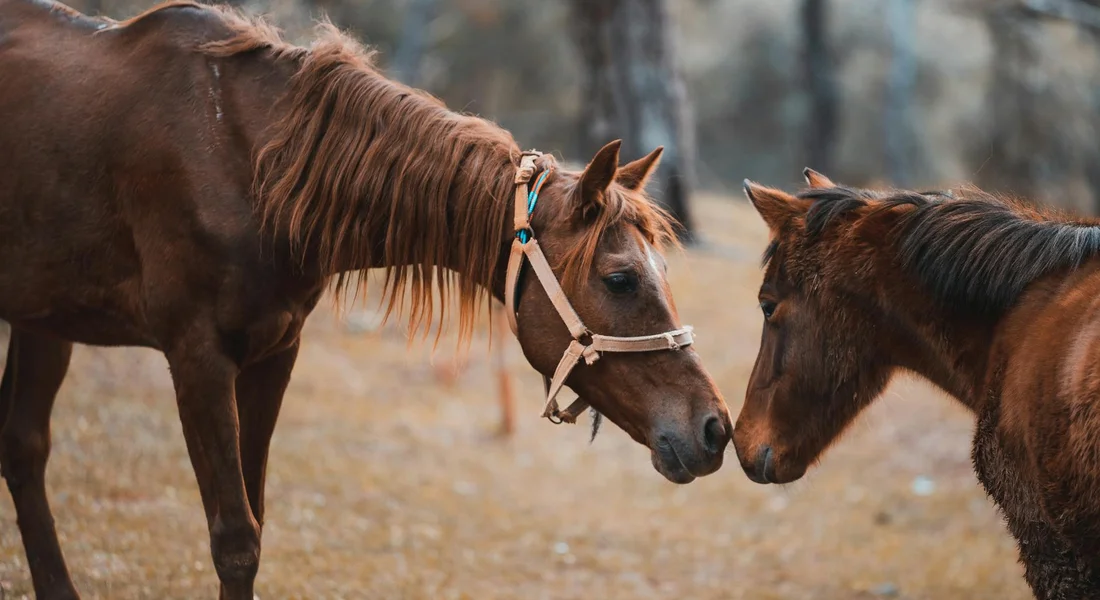
Upfront Acquisition Costs
Let’s get real about the initial hit to your wallet. The price tag on a horse is just the opening bid. I learned this the hard way when I brought Rusty home and forgot to factor in the cost of a proper health check and a sturdy new halter. You need to plan for all the one-time expenses that pop up before your horse even steps foot in its new home.
Purchase Price vs. Adoption Fees
Buying from a private seller or breeder has a different financial feel than adopting from a rescue. A purchase price is negotiable and varies wildly, while an adoption fee is usually a set donation. Adoption fees often represent a fantastic value, as they typically include current vaccinations, deworming, and sometimes even a hoof trim. Here’s a quick breakdown to show you the landscape. People commonly ask how much adopting a rescue horse costs versus purchasing one. The next steps will compare typical adoption fees versus purchase prices to help you budget.
| Item | Typical Purchase Range | Typical Adoption Fee Range | What’s Often Included |
|---|---|---|---|
| Acquisition Cost | $3,000 – $15,000+ | $500 – $1,500 | Purchase: Horse only. Adoption: Vet work, sometimes microchip. |
| Common Inclusions | Varies by seller | Coggins, vaccines, deworming | Rescues prioritize a healthy start for the horse. |
Beyond that sticker price, budget for these immediate one-time costs:
- Pre-Purchase Exam: A vet check is non-negotiable. This can run $300-$600 and is the best money you’ll ever spend.
- Transport: Hiring a professional shipper costs by the mile. A local move might be $200, but cross-country can soar over $1,500.
- Essential Tack & Gear: A saddle that fits, a bridle, grooming kits, and first-aid supplies. You can easily drop $1,000+ here if starting from scratch.
Ongoing Monthly Expenses
This is where the real commitment lives, in the monthly rhythm of bills that keep your partner healthy. If the purchase price makes you gulp, the monthly upkeep will demand your steady attention. Always, always budget a cushion for emergencies-that midnight colic call doesn’t care about your spreadsheet.
Boarding, Feed, and Veterinary Care
Break these costs down like you’re planning a household budget. The numbers I give are averages; your region and your horse’s needs will paint the real picture.
Boarding: This is usually your biggest line item. Full care at a nice barn can range from $400 to $800 monthly. Self-care is cheaper but means you’re doing all the mucking, feeding, and turn-out yourself. Knowing how much it costs to board a horse—whether you opt for full care, partial care, or self-care—helps you compare options and plan. Understanding the price tag is essential before you visit barns. I advocate for facilities that prioritize daily turnout-the sound of happy hooves thudding in a paddock is worth every penny for their mental health.
Feed & Hay: A horse eats 1.5-2% of its body weight daily in roughage. Good hay costs $8-$20 per bale, and you might go through several a week. Luna, my thoroughbred, requires a specialized grain mix to keep weight on, which adds another $80 a month to my feed bill.
Farrier: Hooves grow like our fingernails. A basic trim every 6-8 weeks costs $50-$80. Shoes? Double or triple that. Regular farrier work isn’t a luxury; it’s the foundation of soundness.
Veterinary Care & Preventatives: Budget for routine care. Deworming and vaccines might cost $200-$400 annually, broken down monthly. Set aside $50-$100 a month into a dedicated “vet fund” for those unexpected issues. Prevention is cheaper than treatment.
Meeting the Horse: Evaluation and Compatibility
Assessing Temperament and Personality
Look beyond the pretty face. You’re choosing a thousand-pound partner, so watch how they move and react in their world. Spend time just observing in the stall or pasture before you even think about riding. Does he pin his ears when others approach? Is she curious and soft-eyed, or tense and distant?
Here’s my step-by-step approach from years in the barn aisle:
- Observe on the Ground: Watch how the horse interacts with people and other horses. A good sign is a calm demeanor during grooming and tacking up.
- Handle the Basics: Pick up all four feet. Run your hands over their body. A horse that tolerates this patiently is telling you something good.
- The Trial Ride: If possible, ride the horse in its familiar environment first. Feel how they respond to your seat and leg-you want a conversation, not a argument. Notice if they spook at shadows or handle new objects with curiosity.
Considering Breed, Age, and Training Level
Be brutally honest about your own skill level. A fiery young thoroughbred isn’t a match for a first-time owner, and a dead-slow schoolmaster will bore an advanced rider. Age brings steadiness; a horse in its teens often has the patience and experience a novice needs. Training level is more important than breed stereotypes, but tendencies matter.
- Quarter Horses: Often reliable, calm, and versatile. Think of Rusty-steady on trails and sensible in new situations.
- Thoroughbreds: Energetic, sensitive, and can be hot. They thrive with consistent, gentle work and ample turnout.
- Draft Crosses: Generally gentle giants, but their size requires a confident handler.
- Shetland Ponies (like Pipin): Clever and strong-willed. They require firm, fair boundaries and are brilliant for teaching kids respect.
Matching Horse Discipline to Rider Goals
Your ambition should guide your choice. A horse is an athlete built for specific jobs. Mismatching here leads to frustration for both of you, and I’ve seen too many horses labeled “problematic” when they were just in the wrong career. Use this as a starting guide. Think of temperament as the bridge between horse personality and your riding style. When these align, your partnership tends to be smoother and more rewarding.
- Trail & Pleasure Riding: Seek a calm, sure-footed horse with miles of experience. A seasoned Quarter Horse or a sturdy Morgan is perfect.
- Dressage: Look for balanced conformation and a willing temperament. Older schoolmasters or breeds like Warmbloods are often trained for this.
- Jumping: You need athleticism and courage. A horse with some thoroughbred blood often has the scope and heart.
- Beginner/Child’s Horse: Priority one is safety. An older, bombproof horse that has “seen it all” is worth its weight in gold.
The Veterinary Check: Pre-Purchase Examination
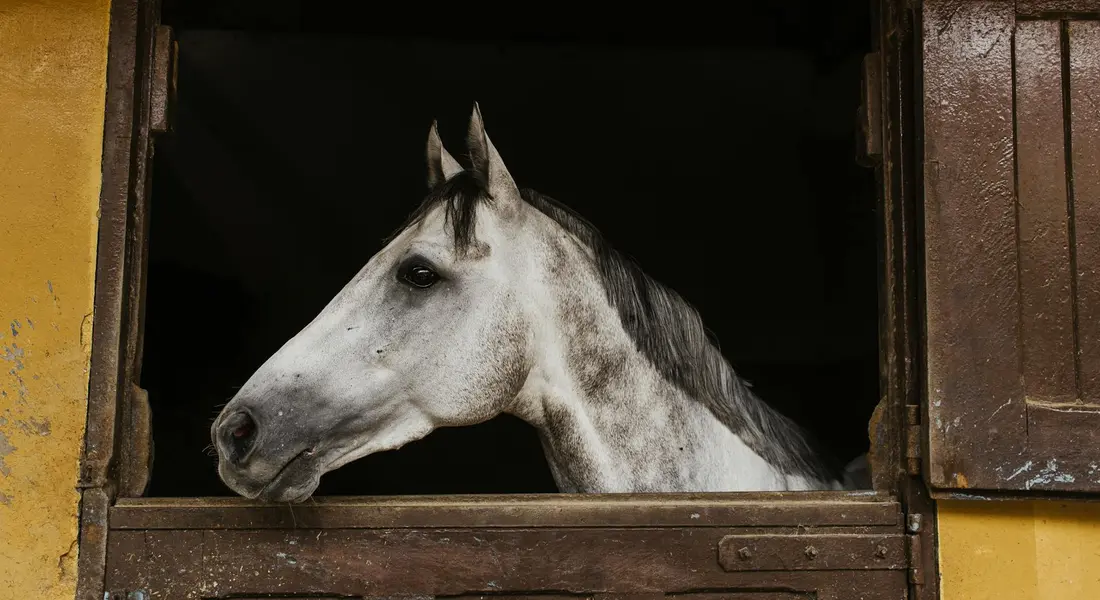
What is a Pre-Purchase Exam (PPE)?
Think of a pre-purchase exam as your horse’s job interview with a veterinarian. I’ve stood in many barn aisles, clipboard in hand, while a vet poked and prodded a potential new partner. The process starts with a deep dive into the horse’s health history-every cough, colic, and corticosteroid injection matters. You’re not just buying a horse; you’re inheriting its medical past, so this review sets the stage for everything else.
Next comes the hands-on evaluation. The vet will listen to the heart and lungs, run hands over the body for lumps or soreness, and check eyes and teeth. They’ll watch the horse move on a straight line and in circles, often on both hard ground and soft footing. A thorough PPE takes time, but skipping steps is like buying a car without test-driving it on a hill.
From my years managing a barn, I’ve seen vets find issues that sellers “forgot” to mention. One sweet gelding had a subtle gait asymmetry only visible on a left turn. Always use your own vet for the exam, not one recommended by the seller, to ensure an unbiased opinion.
Key Health and Soundness Checks
The vet’s eyes and hands are your best tools here. They’ll focus on three key areas: legs and feet, mouth, and eyes. Each area tells a unique story about the horse’s comfort and future usability.
- Lameness: The vet looks for uneven steps, head bobbing, or shortened strides. They might do flexion tests, holding a joint bent then watching the horse trot off.
- Dental Health: Sharp points on teeth can cause pain and weight loss. The vet will check for hooks, waves, and missing teeth that affect chewing.
- Vision: A simple hand wave test checks for blindness, but the vet also looks for cloudiness or scars on the cornea.
Common red flags include heat or swelling in a tendon, deep cracks in the hoof wall, or a history of laminitis. Remember, no horse is perfect, but knowing the flaws helps you plan for management and costs.
Lameness Evaluation and History Review
Lameness exams are a dance of observation and provocation. The vet starts with the horse standing square, looking for muscle asymmetry or standing camped out. Then, they’ll ask for a walk and trot on a firm, flat surface. The sound of four equal beats is what you want to hear; any hesitation or hitch means a closer look.
Next, the vet might perform flexion tests, stressing joints to reveal hidden pain. They’ll watch the horse move on soft ground, which can highlight foot soreness. I recall a time with a prospective eventer; she trotted sound on asphalt but showed stiffness on the gravel driveway.
Reviewing past medical paperwork is non-negotiable. Ask for all records: vet bills, farrier notes, and competition histories. A clean bill of health today means little if the horse had a bowed tendon two years ago that required six months of stall rest. Cross-reference dates and treatments. If the seller hesitates, consider it a bright red flag waving in your face.
Sealing the Deal: Paperwork and Logistics
Understanding Paperwork and History
Paperwork is the boring but critical backbone of horse ownership. Neglecting it can lead to costly disputes or even legal trouble down the road, especially when it comes to buying or selling a horse. Essential documents include:
- A detailed bill of sale with the horse’s description, price, and seller’s warranty.
- Registration papers if the horse is purebred, transferred into your name.
- Complete medical records, especially vaccination and deworming history.
- Any existing lease or lien agreements.
To verify history, call the previous vet or farrier listed on the records. A five-minute phone call can confirm that the shiny coat you see is from good care, not just a recent bath. I once bought a horse whose papers showed regular dental floats, but a call to the equine dentist revealed the last visit was three years prior.
Arranging Transport for Your Equine
Moving a horse is stressful for everyone involved. Hiring a professional transporter is worth every penny. Look for companies with good reviews, proof of insurance, and modern, safe trailers. Ask if they provide water and hay during stops, and how often they check on the horses.
Prepare your horse for travel with this checklist:
- Wrap legs with shipping boots or bandages for protection.
- Attach a leather breakaway halter with a luggage tag listing your contact info.
- Do not feed a large grain meal before travel; offer hay instead.
- Pack familiar items like a favorite blanket to reduce anxiety.
When Pipin moved to our barn, he traveled with a mesh hay net and a buddy. The driver texted photo updates, which eased my mind immensely. Turnout time immediately after arrival helps them stretch and settle into new surroundings, which I always advocate for as part of gentle horsemanship.
Considering Equine Insurance Options
Insurance is your financial safety net. The two main types are mortality and major medical. Mortality insurance covers the horse’s agreed value if it dies from accident or illness. Major medical covers veterinary costs for surgeries, colic, or injuries. Think of major medical as catastrophic coverage for bills that could otherwise empty your savings account. Wondering if you need major medical insurance for horses? It’s a common question for owners balancing care with cost.
Factors to consider include the horse’s age, value, and your riding discipline. A young, expensive competition horse might need full coverage, while an older trail companion might only require mortality. Read the fine print on exclusions, like pre-existing conditions. From my experience, insuring Rusty for major medical gave me peace of mind when he needed emergency colic surgery.
Bringing Your Horse Home: Setup and Transition
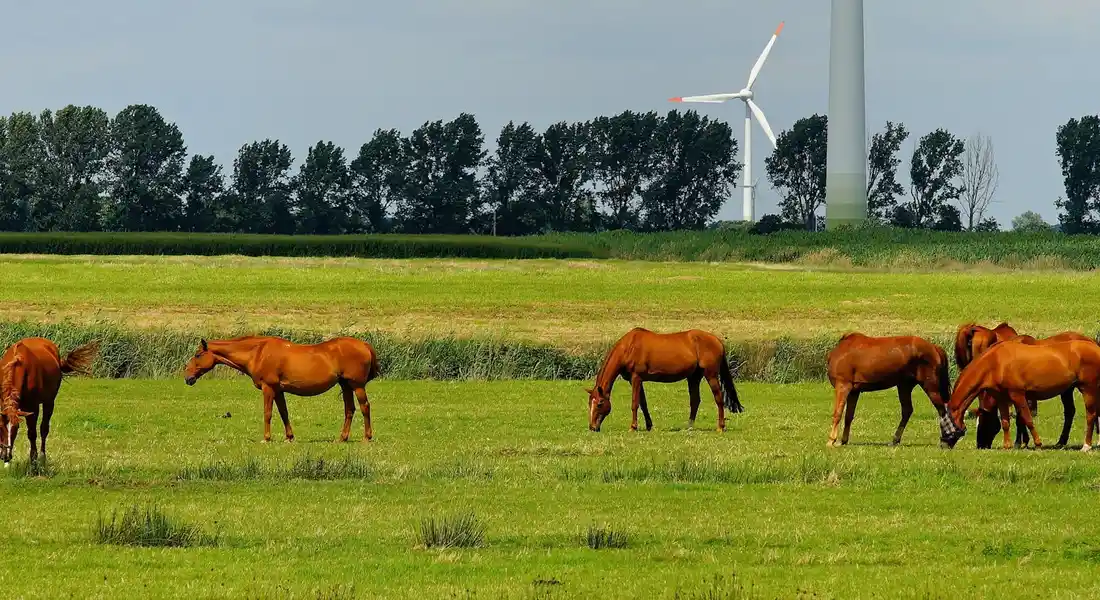
Preparing Your Pasture and Stable
The Pre-Arrival Safety Sweep
Walk your property like a detective before your horse arrives. I spend a morning doing this every time a new boarder comes in, and it saved us when Luna first arrived, spooking at a flapping piece of wire I’d missed. A quiet, secure environment is the first gift you give your new horse, letting them know they are safe. Use this checklist to leave nothing to chance.
- Inspect Every Inch of Fencing. Push on posts, wiggle boards, and check for loose nails or sharp edges. Listen for the hollow sound of rotten wood. Electric tape should be tight and vibrant; a faded, sagging line won’t command respect from a curious soul like Pipin.
- Secure Stall Latches and Doors. Test every bolt, slide every door. Look for gaps a clever pony could nose open. The thud of a well-fitted door is a satisfying sound of security.
- Check for Stable Hazards. Sweep cobwebs, ensure lights are caged, and store tools away. Feel for splinters on walls and check that water buckets are heavy rubber, not easily tipped plastic.
- Audit Water Sources Thoroughly. Taste the water yourself-strange minerals can upset a gut. Automatic waterers must click on easily and drain cleanly. Always have a backup bucket filled with fresh water.
- Test the Footing in Paddocks. After a rain, walk the area. Look for hidden holes or slippery spots. Your horse shouldn’t discover the only muddy sinkhole on their first day.
The First Days: Introducing Feed and Routine
Slow and Steady Wins the Race
Abrupt changes are the fast track to colic or stress. When Rusty came to me, we kept him on his old hay for a full week while slowly mixing in ours. Patience in these first days builds trust and prevents digestive disasters. Your goal is invisible leadership, not force.
Start with the basics. Feed the same hay they arrived with for at least 3-4 days. Then, over a week, gradually blend in your local hay. If grain is needed, introduce it in handful-sized increments. Watch manure like a hawk; any change in consistency is your first alert.
Herd introductions need a plan. Use a neighboring paddock first so they can meet over a fence. I let Luna and Rusty sniff through the rails for a full day before a shared turnout. Always introduce horses in a large, open space where either can retreat, never in a small pen. This approach also applies when introducing a new horse into an established herd—begin with neutral space and gradual, supervised interactions. Watch for pinned ears, kicks, or relentless chasing-these mean more separation time is needed. Monitor closely and give both the new horse and the established group time to adjust.
Monitor their entire being. Check for quiet breathing, relaxed lips, and a willingness to doze. A horse that stands tense at the fence all day is calling for help. Keep a routine: feed, turnout, and handling at consistent times. This predictability soothes an anxious mind and can help manage separation anxiety in your horse.
Tack and Equipment for Rider Safety
Fit is Everything: No Guessing Allowed
Ill-fitting tack causes pain, rebellion, and danger. I’ve seen a sensitive Thoroughbred like Luna bolt from a pinching girth. Your saddle must fit the horse’s unique shape, not the other way around. Start with these essentials and always buy for comfort, not color.
- A Well-Fitted Saddle: The pommel should clear the withers by two fingers. No rocking or bridging. Check for even sweat patterns after a short ride.
- A Simple, Adjustable Bridle: The bit should just crease the lips, not pull them tight. Browbands shouldn’t pinch, and throatlatches need room for a fist.
- A Comfortable Girth: Measure behind the elbows. Leather or soft neoprene often chafes less. Always check for dirt or folds before tightening.
- Protective Boots or Wraps: For riding or turnout, these guard tendons. They should be snug but not restrictive, with fasteners secure.
- A Strong, Clean Halter and Lead: Ensure the halter fits so you can slip two fingers under the noseband. Frayed ropes get replaced immediately.
Conformation dictates choice. A high-withered horse needs a forward-cut girth. A mutton-withered, broad-backed fellow like Rusty needs a wider tree. When in doubt, hire a professional saddle fitter-it’s the best safety investment you’ll make. Listen to your horse; head-tossing or back-hollowing are cries of discomfort, not disobedience.
FAQ: How to Buy or Adopt a Horse
Where can I find an “adopt a horse near me” tracker?
Many large national rescue organizations have online searchable databases that act as adoption trackers, allowing you to filter adoptable horses by your zip code or state. You can also find localized listings by searching for “[Your State] Horse Rescue” or joining regional equine adoption Facebook groups. These resources aggregate listings from various shelters and private fosters, making it easier to find horses in your area.
Is it really possible to adopt a horse for free?
While some individuals may rehome a horse at no cost due to personal circumstances, extreme caution is advised as “free” horses can sometimes come with significant undisclosed health or behavioral issues. Reputable rescue organizations charge an adoption fee to cover the costs of veterinary care, rehabilitation, and to ensure the adopter is financially committed. Always conduct a thorough veterinary pre-purchase exam, regardless of the acquisition price, to understand the full picture. Remember, there’s often a true cost to a “free” horse—it’s a financial reality check that every prospective owner should acknowledge.
What is special about the “adopt a horse Ocala” scene?
Ocala, Florida, is a major hub for the equine industry, which includes a vibrant network of breed-specific and discipline-focused adoption and rehoming programs. The high concentration of horse farms means there are often well-trained sport horses, retirees, or off-track Thoroughbreds available for adoption through local rescues and specialized networks. These programs can be excellent for riders seeking a horse with a known performance background or specific training.
A Final Nuzzle of Advice
Whether buying or adopting, let honesty about your experience and the horse’s needs guide your choice. A comprehensive veterinary exam is non-negotiable-it protects both your future and the horse’s welfare.
Bringing a horse home is the first step in a conversation that never really ends. The best partnerships are built on the quiet moments of listening, from adjusting their feed to respecting their need for turnout and quiet time.
Further Reading & Sources
- How to adopt or buy a horse | Humane World for Animals
- Programs: Wild Horse and Burro: Adoptions and Sales | Bureau of Land Management
- Programs: Wild Horse and Burro: Adoption and Sales: How to Adopt or Purchase | Bureau of Land Management
- My Right Horse
At Horse and Hay, we are passionate about providing expert guidance on all aspects of horse care, from nutrition to wellness. Our team of equine specialists and veterinarians offer trusted advice on the best foods, supplements, and practices to keep your horse healthy and thriving. Whether you're a seasoned rider or new to equine care, we provide valuable insights into feeding, grooming, and overall well-being to ensure your horse lives its happiest, healthiest life.
Choosing the Right Breed