
What Are Arabian Horses Known and Bred For? A Clear Guide for Curious Owners
Published on: August 28, 2026 | Last Updated: August 28, 2026
Written By: Henry Wellington
Hello from the barn aisle. If you’ve been captivated by an Arabian’s elegant silhouette but heard whispers about their “hot” temperament, you’re likely wrestling with a real question: is this breed’s famed spirit a beautiful asset or a handling challenge? That caution is smart-matching a horse’s innate traits to your lifestyle is the bedrock of a good partnership and prevents frustration on both ends of the lead rope.
Let’s saddle up and get practical. I’ll help you move beyond the myth to the everyday reality. This guide will give you the grounded details on the ancient Bedouin breeding that hardwired their legendary stamina and mental toughness, how their distinct physical build influences movement and health, the truth about their intelligent, sensitive nature and what it means for training, and the specific modern jobs, from endurance to halter, where they truly shine.
My insights are forged from years of daily care for all types, from my steady eddy Rusty to the finely-tuned Luna, always prioritizing a horse’s mental peace through plenty of turnout and patient, observant handling.
The Enduring Legacy: Desert Heritage and Hardiness
Those ancient Bedouin breeders weren’t just creating a pretty face; they were engineering survival. This deep history isn’t just a trivia fact-it directly shapes how you care for an Arabian in your barn today. Their past as cherished desert companions means modern Arabians often arrive with a built-in warranty for hardiness that can make a barn manager’s life a bit easier.
Centuries of scarcity forged some remarkable survival traits you’ll come to appreciate:
- Extreme heat tolerance, thanks to an efficient cooling system.
- A general hardiness that laughs at weather swings.
- Legendary sure-footedness, a gift from navigating uneven desert terrain.
- Often lower-maintenance needs compared to some finer-boned or more nervous breeds.
This desert heritage fine-tuned their metabolism for endurance. Think of it like a fuel-efficient engine: they are designed to extract maximum nutrition from minimal feed and convert it into sustained stamina, not just short bursts of speed. I’ve watched my high-strung Thoroughbred, Luna, burn calories just worrying about a plastic bag, while an Arabian on the same acreage would be calmly conserving energy.
Desert Adaptations in the Modern Barn
So, what does this mean for daily care? You’re often dealing with a “good doer” who uses feed efficiently, so you must monitor their weight closely to prevent cresty necks. Their resilience is a gift, but never mistake it for invincibility-they still require consistent, quality care.
That famous thin skin and fine coat, perfect for dissipating heat, demand your attention in temperate climates. They can feel a fly land a mile away and may need blanketing in cold, wet weather much sooner than my stocky Quarter Horse, Rusty. Always run your hand over their coat; if they shiver at your touch, it’s time for a sheet.
Anatomy of Elegance: Physical Traits and Distinctive Looks
The Arabian’s beauty is a blueprint of function. The dished face and refined head house large, expressive eyes that provide wide-angle vision, while the flaring nostrils are built for maximizing air intake in dry desert climates. Every curve of that iconic profile served a purpose long before it served a ribbon.
Beyond the head, look for a compact, light frame that carries itself with a floating trot and a high tail carriage that seems to wave a banner of pride. Their overall build is one of balanced elegance, not bulk.
- Average Height: 14.1 to 15.1 hands high.
- Average Weight: 800 to 1,000 pounds.
How Their Build Affects Care and Tack
That short back and refined structure make saddle fitting a non-negotiable mission. A tree that’s too long will dig into their loins. I learned this the hard way trying a saddle fitted for Rusty on a similar-sized Arabian-it was a painful lesson in pressure points for the horse. Always, always use a qualified saddle fitter who understands Arabian conformation.
Their delicate head requires slender, well-shaped bridle pieces to avoid pinching, and that sure-footedness often comes from naturally strong, dense hoof walls. However, don’t get complacent with hoof care; regular trimming by a knowledgeable farrier is still essential to maintain that legendary soundness.
Mind and Manners: Temperament, Intelligence, and Trainability
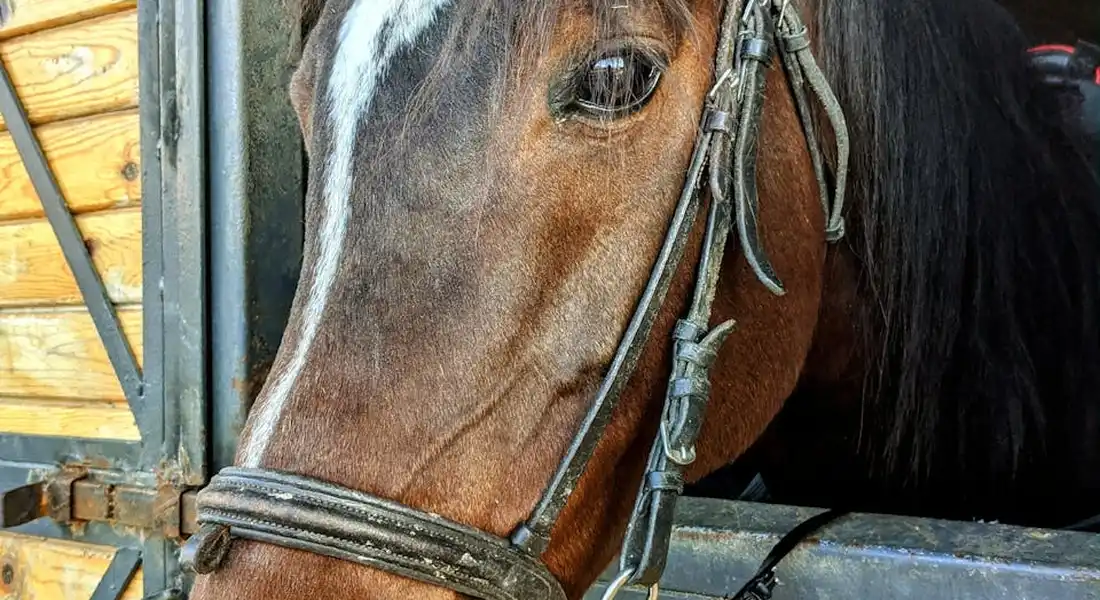
Arabian horses possess a classic temperament that blends sharp sensitivity with deep intelligence, unwavering loyalty, and raw courage. Labeling them simply “hot” misses the nuance; their reactivity is a refined awareness of their environment, making them brilliant partners when understood.
They demand gentle, patient horsemanship and training that is consistent and fair. I learned this through a clever bay gelding who would shut down at the first hint of pressure, but would try his heart out for a handler who asked quietly and praised loudly. Rushing or forcing creates resistance, while calm persistence builds unshakeable trust.
Their strong bonding tendency defines their social world. This loyalty means they often prefer a single, trusted human companion and can form intense friendships in the herd, which is why I always advocate for plenty of turnout time with a compatible buddy. Isolating an Arabian is a fast track to anxiety and behavioral issues.
Working With Their Intelligence, Not Against It
Their minds are quick and need constructive outlets. Use their natural food motivation and learning speed to your advantage with positive reinforcement.
- Start with micro-sessions. Teach them to touch a target stick for a treat, keeping lessons under five minutes to hold their focus.
- Be crystal clear. Reward the exact moment they offer the right behavior, like standing square or softening their head.
- Shape behaviors gradually. If you want a solid trailer load, reward each step toward the ramp, not just the final result.
Boredom is the real enemy of a smart horse. For mental enrichment in the stall or paddock, try a slow-feed hay net, a sturdy ball they can nudge, or simply hiding carrot pieces in a traffic cone. Changing their turnout scenery regularly also keeps their brain engaged. There are 15 enrichment ideas to keep your horse mentally stimulated.
Bred for Purpose: Versatility in Performance and Work
While their beauty is legendary, every curve of the Arabian is bred for function. Their paramount discipline is endurance and distance riding. Centuries in the desert forged a unique metabolism and a skeletal structure that provides legendary stamina and agility over punishing terrain.
Their versatility stretches far beyond long trails. You will find them excelling in:
- The show ring, where their expressive movement and distinctive profile command attention.
- Trail riding, using their sure-footedness and agility to navigate rocky paths and tight turns.
- Dressage, leveraging their innate balance and grace to perform intricate maneuvers.
- Even as gentle therapy horses, where their sensitivity and connection shine.
Compare their athleticism to other breeds. Where a stocky Quarter Horse powers through a maneuver, an Arabian flows around it with a lighter, more economical use of energy, making them brilliant for long days in the saddle.
Supporting the Endurance Athlete
Conditioning an Arabian for stamina is a slow, mindful process that prioritizes long-term soundness. Always monitor recovery; after exercise, a fit horse’s pulse and respiration should normalize within 15-20 minutes.
Build their foundation safely with these steps:
- Begin with long, slow distance work at a walk, building tendon and ligament strength over weeks, not days.
- Gradually introduce controlled trot intervals on varied, forgiving footing like soft trails or sand.
- Incorporate gentle hill work to develop cardiovascular strength without excessive joint stress.
Nutritional support is key for sustained energy. The foundation for any endurance work is abundant, high-quality forage like grass hay or pasture, which provides a steady release of energy. For rides over an hour, supplement with electrolytes in their water or feed to replenish what is lost in sweat, and always offer access to salt.
Daily Care for the Arabian Horse: Health, Diet, and Exercise
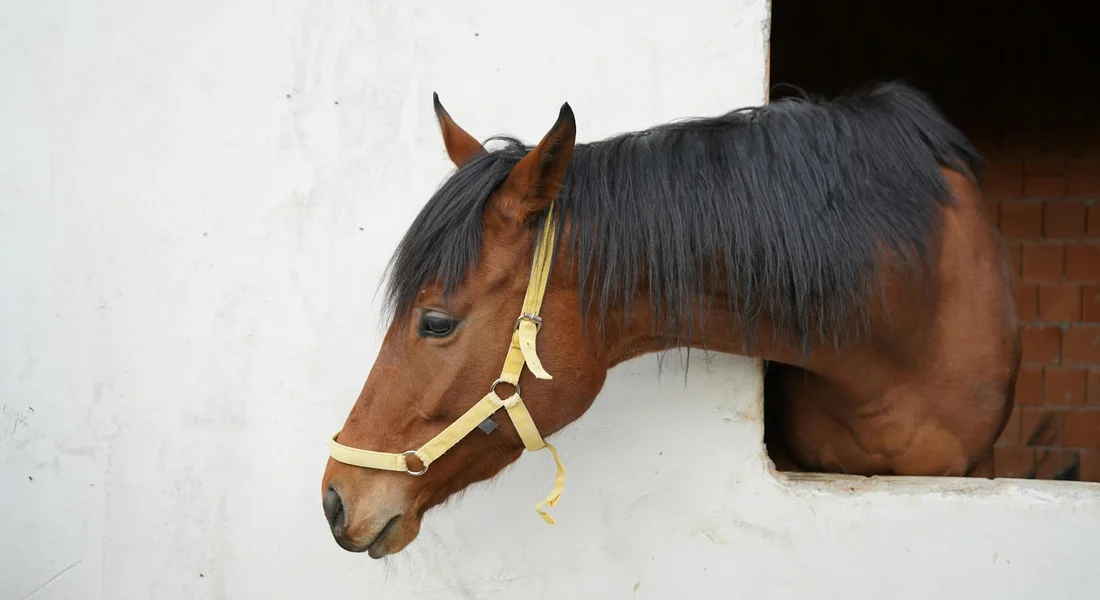
Arabian horses are often easy keepers, a trait I’ve appreciated during many years managing barns. Focus their diet on excellent-quality hay or pasture, adding grain only if their workload demands extra calories; their efficient metabolism does best with simple, forage-based nutrition (especially for breeds like Arabians). A rich grain meal can quickly lead to a fizzy attitude or unwanted weight gain.
Maximize their turnout time-this is non-negotiable. These horses are built for movement and social herd life, so 24/7 pasture or hours of daily free movement is the gold standard for their mental peace and physical soundness. To support that balance, a healthy exercise turnout schedule for horses is essential. It helps set turnout duration and rest periods for optimal conditioning. I’ve watched stalled Arabians pace, while those with room to roam keep their bright, willing natures.
Your daily care checklist is straightforward but powerful for prevention:
- Grooming: A thorough once-over to check for cuts, heat, or changes in coat.
- Hoof Pick: Clean all four feet daily to prevent thrush and catch early signs of lameness.
- Water Check: Refresh buckets twice daily, ensuring clean, ample supply-scrub them weekly to stop slime.
- Body Condition Scoring: Feel along their ribs and backbone weekly; aim for a smooth cover where ribs are felt but not seen.
Common Health Considerations
Arabians are generally robust, but breed-aware care is smart. Schedule regular vet checks to monitor for genetic predispositions, like certain neurological conditions, which responsible breeders will discuss openly. Proactive care beats reactive worry every time.
Their thin, fine skin is beautiful but less insulating. In cold, driving rain or bitter wind, a well-fitted, waterproof blanket provides real comfort, but in dry, mild cold, their own coat is often sufficient-over-blanketing causes sweat and chills. Let the horse’s reaction be your guide; shivering or a sweaty back tells you what they need. See our quick guide on when to blanket your horse for temperature care. It covers weather, coat, and activity cues to help you decide.
Step-by-Step: The Arabian Grooming Session
- Begin with a gentle rubber curry in circles. This lifts dirt, stimulates the skin, and lets your hands find any new bumps, swellings, or spots of tenderness, especially around the girth and shoulders.
- Switch to a soft brush for the face. Use light strokes around the delicate muzzle and eyes, respecting their sensitive nature; this patience builds immense trust with these perceptive horses.
- Give the tail special care. Spray a silicone-free detangler and use your fingers to work out knots from the top down, preserving the iconic, fine texture without breaking precious hairs.
- Conclude by wiping the nostrils and eye corners with a damp, soft cloth. This removes dust and tear stains, leaving them comfortable and turning a chore into a quiet, bonding ritual.
Considering an Arabian? Practical Advice for Potential Owners
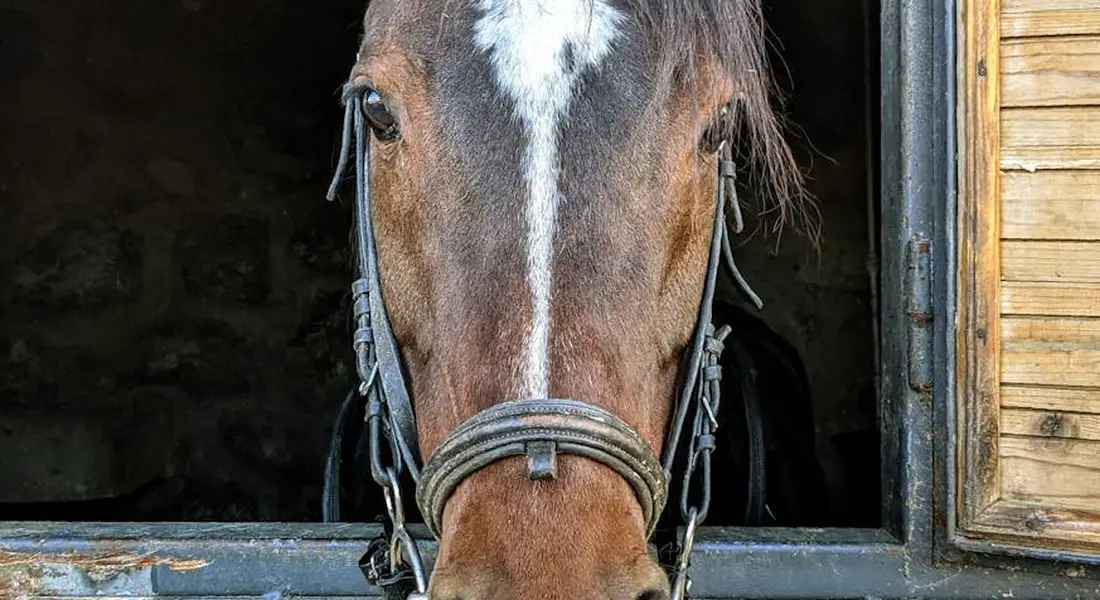
Honestly assess your daily life before getting captivated by that expressive face. Are you prepared for a sensitive, intelligent partner that needs consistent engagement and views you as a herd companion, not just a rider? These horses wither without mental connection and activity.
For a novice, an Arabian can be a challenging first horse. I strongly advocate for seeking a mentor or considering an older, schoolmaster Arabian gelding, as their reactivity demands a handler with quiet confidence and soft hands. Experience, or guided learning, is a safety net for both of you.
When evaluating a specific horse, ask these key questions. Dig into their complete health history, training philosophy used, daily turnout routine, and how they handle vet and farrier visits; the answers paint a true picture of their needs and temperament. These questions are especially important when considering breed-specific traits.
Budgeting Beyond the Purchase Price
Plan for the ongoing costs of stewardship. Budget for quality forage, regular farrier care every 6-8 weeks, annual vaccines, dental floats, and consider medical insurance-their hardy nature may reduce feed bills, but never skip preventative care. The cost of comfort is non-negotiable.
The greater investment is your time. Building a relationship through daily grooming, thoughtful groundwork, and simply sharing space is the core of gentle horsemanship and what forges a truly willing partnership with an Arabian. This bond, built on trust, is where the real magic happens.
FAQ: What Are Arabian Horses Known and Bred For?
What are the main strains of Arabian horses, and how do they originate?
The primary strains include Egyptian, Polish, and Crabbet lines, each developed through distinct historical breeding programs. Egyptian strains often descend from horses collected by Middle Eastern royalty, focusing on preserving classic desert traits and purity. Polish strains originated from selective breeding of desert imports in Europe, emphasizing athleticism, while Crabbet strains were established in England for versatility and soundness.
Do different Arabian strains have distinct temperaments or care requirements?
While all Arabians share high intelligence and sensitivity, strains may show nuanced temperament differences; for instance, Egyptian lines can be more refined and reactive, requiring gentle handling. Basic care needs like diet and hoof maintenance are consistent, but knowing a horse’s strain can inform tailored training that aligns with their bred-in strengths. Always evaluate each horse individually, as upbringing and environment significantly shape temperament beyond strain generalizations. Considering a temperament guide that links horse personality to riding style can help tailor training and riding plans. This practical approach aligns goals with how the horse naturally responds.
How do the physical traits of Arabian horses vary between strains?
Physical distinctions among strains often involve head shape, bone density, and overall conformation; Egyptian Arabians typically exhibit a deeply dished face and finer bone structure. Polish strains tend to have stronger, more muscular builds suited for performance sports, while Crabbet lines balance elegance with sturdiness for endurance and show. These variations highlight how selective breeding has adapted the Arabian’s iconic traits for specific roles without compromising their core desert heritage.
Your Arabian Horse Care Promise
From my years in the stable, I’ve found Arabians do best with routines that channel their intelligence and energy into positive outlets. Daily turnout with equine friends is the cornerstone of their care, satisfying their social nature and preventing boredom-related issues.
Move forward with patience and a focus on safety in all your handling. The truest horsemanship starts by quietly observing and respecting the signals your horse gives you every day. Handling a horse with care is essential for building trust and ensuring safety.
Further Reading & Sources
- Arabian horse – Wikipedia
- Meet the World’s Oldest Horse Breed: the Arabian Horse
- Arabian Horse Breed Characteristics, Health & Nutrition Guide | Mad Barn
- 6 Different Types Of Arabian Horses (With Pictures) – Wild Jolie
At Horse and Hay, we are passionate about providing expert guidance on all aspects of horse care, from nutrition to wellness. Our team of equine specialists and veterinarians offer trusted advice on the best foods, supplements, and practices to keep your horse healthy and thriving. Whether you're a seasoned rider or new to equine care, we provide valuable insights into feeding, grooming, and overall well-being to ensure your horse lives its happiest, healthiest life.
Popular Breeds