
Can Horses Eat Roses and Daisies? Flower Garden Safety for Curious Grazers
Hello from the barn aisle. If you’ve ever watched your horse crane its neck toward a blooming flower bed, that sharp jolt of concern is completely valid. What seems like a harmless nibble can quickly turn into a costly vet visit or a very sick animal.
Let’s cut through the worry with clear, practical advice. In this guide, I’ll break down exactly what you need to know to keep your horse safe around ornamental plants. We will cover:
- The specific risks of roses, daisies, and other common garden varieties.
- How to spot the subtle early signs of plant poisoning before it becomes an emergency.
- Simple, physical barriers and landscape tricks that actually work to deter inquisitive muzzles.
- Safe and satisfying forage alternatives to keep your horse happily busy.
I’ve spent years as a barn manager and trainer, pulling everything from rose petals to unknown weeds from the mouths of clever equines like my curious pony, Pipin.
Do Horses Naturally Browse on Flowers and Garden Plants?
Stand by any pasture fence and you’ll see it: that curious stretch of the neck towards a bright patch of color. Horses are innate browsers, and their desire to sample novel plants is hardwired into their behavior, not just a sign of boredom. I’ve watched Rusty, my reliable Quarter Horse, meticulously strip leaves from a low-hanging branch while ignoring his hay, a clear reminder that grass alone doesn’t always satisfy their foraging instinct. It’s just one of those things horses do, like nibbling on bark or soil for minerals.
This behavior stems from their evolutionary need to seek a variety of nutrients. A horse tasting your daisies might be instinctively checking for mineral content or medicinal properties, not just being mischievous. My cheeky Shetland, Pipin, has taught me this firsthand; his great escape into the herb garden was a masterclass in selective tasting, though I don’t recommend his methods.
Several factors make your flowerbed a target. Here are the main ones:
- Sensory Exploration: New smells and textures are incredibly enticing to a horse’s highly developed senses.
- Forage Monotony: Even with good hay, a lack of plant diversity can drive them to seek out different flavors.
- Management Gaps: Limited turnout or long hours in a bare paddock directly encourage this exploratory chewing.
Promoting natural browsing in a safe way is key to equine welfare. I’ve found that providing approved, horse-safe branches like willow or apple in their turnout satisfies that browsing urge and keeps them away from my roses. It’s a simple stable hack that makes a world of difference for their mental well-being.
Roses Unveiled: Thorns, Petals, and Equine Health Risks
The real danger of a rose isn’t in its chemistry, but in its architecture. Those thorns can cause deep, dirty punctures that are hard to clean and prone to nasty infections, especially in areas like the coronet band or mouth. I’ve spent a rainy afternoon treating a puncture on Luna’s delicate leg from a stray cane, a vivid lesson in why garden debris has no place in a paddock.
As for eating them, a horse would have to consume a large volume of petals or leaves to face real toxic risk. The primary concern with ingestion is physical-thorns scratching the esophagus or intestines-or digestive upset from a sudden, unusual fibrous load. A sensitive horse, like many Thoroughbreds, might show mild colic signs after a floral feast. However, for actual toxic plants, it’s important to know which foods are truly harmful to horses.
Separating Myth from Fact: Rose Toxicity Explained
Let’s clear the air: roses are not a deadly poison, but calling them “safe” is an oversimplification that ignores real risks. The Rosa genus itself is considered low-toxicity, but the myth of complete safety overlooks the compounded dangers of cultivated plants. Garden roses are often sprayed with systemic pesticides that linger in the tissues, making them far more dangerous than any wild variety.
Here is the breakdown to guide your decisions:
- Myth: If it’s not toxic, it’s fine for them to eat. Fact: Even non-toxic plants can cause impaction or choke if eaten hastily or in quantity, particularly by a greedy pony like Pipin.
- Myth: Thorns are just a superficial worry. Fact: A thorn embedded near a joint or tendon sheath can lead to debilitating lameness and require veterinary intervention.
- Myth: Wild roses are the same as garden ones. Fact: Cultivated hybrids may have different chemical profiles, and their care (fertilizers, sprays) makes them a completely different risk category.
To manage these risks practically, incorporate these steps into your routine:
- Perimeter Patrol: Walk your fence lines weekly to identify and remove any climbing or wandering rose plants.
- Pruning Protocol: Never dump rose clippings in or near a pasture; thorns dry out and remain hazardous for years.
- Injury Inspection: Make checking for small punctures part of your daily grooming, especially after windstorms that can blow debris into the field.
Gentle horsemanship means respecting both their instincts and the hazards of our human landscapes. By focusing on the tangible risks of thorns and contaminants, rather than just toxicity charts, you create a genuinely safer space for your horse to simply be a horse. My years in the barn have shown me that the most common dangers are often the most physical ones.
Daisies in the Paddock: A Closer Look at Toxicity
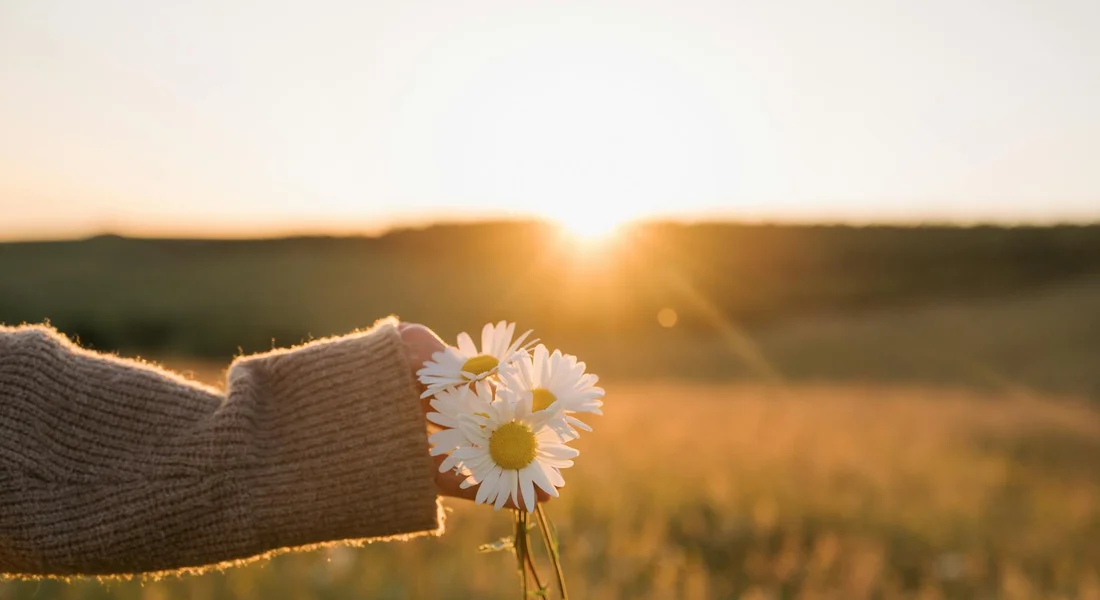
That innocent patch of white and yellow in your field isn’t always friendly. Most common daisies, like the oxeye or shasta, contain mild toxins called sesquiterpene lactones. These compounds taste bitter and can irritate a horse’s mouth and gut. I’ve spent hours watching Pipin, our Shetland, cleverly navigate around daisy clusters only to munch them when his favorite grass was short. A few bites might just cause a sour stomach, but consistent grazing on daisies can lead to cumulative digestive upset and colic.
Think of it like this: a horse eating daisies is similar to us eating a food we’re mildly intolerant to. The real trouble starts when it’s their only option. The plant’s leaves and flowers pack the strongest punch. Your best defense is a thick, healthy stand of pasture grass that out-competes these weedy invaders.
Rainy springs always bring a flush of daisies in our lower paddock. I make a weekly walk to pull them, gloves on, feeling the damp soil. It’s a chore, but it beats a vet bill. Horses with ample turnout and good forage will usually avoid daisies, but boredom or hunger can override that natural caution.
Recognizing Plant Poisoning: Critical Symptoms for Horse Owners
Poisoning rarely looks dramatic at first. It whispers before it shouts. You become a detective, noticing the small things: a half-eaten flake of hay, a longer nap than usual, a subtle change in the way your horse stands. Early detection hinges on you knowing your horse’s normal rhythms better than anyone else.
Watch for these signs, which can appear alone or together:
- Gut Trouble: Drooling, pawing, repeatedly lying down and getting up, loss of appetite, or sudden diarrhea. Rusty, my Quarter Horse, once gave me a scare with unexpected colic after sampling an unfamiliar weed.
- Neurological Clues: Stumbling, muscle tremors, a dazed or overly anxious expression, or head pressing against a wall. Luna’s sensitive nature means she often shows stress first through tight, twitchy movements.
- Physical Changes: Swelling of the lips, tongue, or face. Redness or blisters inside the mouth. An unusually fast or slow heartbeat.
- General Malaise: Sudden weakness, depression, or labored breathing. These signal the body is under serious strain.
The timing of symptoms is a tricky beast. Some plants cause a reaction within hours, while others build up slowly over days, masking the direct cause. This is why daily observation is your most powerful tool.
What to Do Next: Immediate Action Steps
If you see symptoms or catch your horse mid-bite on a suspect plant, your actions in the next ten minutes are critical. Breathe. Move with purpose. Your priority is to stop further ingestion and get professional help on the line immediately.
- Securely remove your horse from the area. Lead them to a clean stall or bare paddock. Ensure no more of the plant is within reach.
- Grab a sample. Using gloves, collect a good specimen of the plant-include leaves, stem, and flower if possible. Seal it in a bag for your vet to identify.
- Call your veterinarian without delay. Tell them exactly what you saw, the symptoms, and describe the plant. Keep your phone’s vet number handy in the barn aisle.
- Perform a quick check. Assess gum color (should be pink), capillary refill time (press on gums; color should return in 1-2 seconds), and respiratory rate. This info is gold for your vet.
- Follow veterinary instructions only. Do not try home remedies or force fluids. Horses cannot vomit, so never attempt to induce it.
- Keep your horse calm and still. Limit movement, especially if they are uncoordinated. Speak in a low, reassuring voice. Your steady presence matters.
After an incident, I always do a full pasture audit. Walking your fences with a weed identification guide turns a reactive panic into proactive, gentle horsemanship. It’s the simplest stable hack for long-term peace of mind. That same approach helps you identify and manage common horse pasture weeds. It naturally leads to practical weed management you can act on next.
Safe Blooms and Forage: Horse-Friendly Garden Additions
Creating a beautiful space you can both enjoy is entirely possible. I plant a “snacker’s buffer” along my paddock fence line with sturdy, non-toxic choices. The key is selecting plants that can withstand an investigative nibble and bounce back.
Focus on hardy, non-toxic herbs and flowers that serve a dual purpose, offering sensory enrichment or even mild health benefits. My go-to list includes oregano and thyme (safe herbs for equine diets), as well as lavender and peppermint.
- Marigolds (Calendula officinalis): These are my barnyard heroes. Their bright flowers are edible, and I often dry the petals. Rusty will curiously lip at them fresh from the plant.
- Nasturtiums: Entirely edible, peppery, and they trail along the ground, making them less tempting as a primary target. They add a pop of color without the worry.
- Sunflowers: Plant them *outside* the fence. Let the stalks grow tall and the heads bow over. Horses can safely nibble the occasional fallen petal or leaf without gorging on the seed head.
- Roses (Thornless Varieties): Yes, roses! The petals themselves are safe. The danger is solely in the thorns. I have a few thornless climbers on a secure trellis well away from where a bored Pipin might reach.
Herbs like peppermint, lavender, and chamomile can be planted in raised beds or sturdy containers. The smell alone is calming, and if they grab a mouthful, it’s just a tasty treat, not a toxin. I remember Luna always lingering by the lavender bush after a workout, her nostrils fluttering as she decompressed.
Building a Safe Zone: Practical Flower Garden Security Tips
Your garden’s layout is your first and best defense. It’s not just about keeping plants out of mouths; it’s about managing your horse’s curiosity and your own peace of mind.
Strategic Landscaping for Equine Safety
Think like a horse. A bored horse, like my clever Pipin, sees your flowerbed as a puzzle to be solved. Design the puzzle to be unsolvable.
A double-barrier system is foolproof: a primary, visible fence for the horse, and a secondary, decorative barrier for the plants. I use this around my prized shrubs.
- The Outer Wall: This is your paddock or pasture fencing. Keep it strong, visible, and free of overhanging branches from toxic trees like red maple or yew.
- The Inner Moat: Create a no-go zone. A gravel or stone path, at least two feet wide, between your main fence and any garden bed. Horses hate the unstable footing and will generally avoid it.
- The Fortress: For individual plants or small beds inside a paddock, use sturdy, welded wire panels formed into cylinders and staked deeply into the ground. It lets light and rain in but keeps mouths out.
Always plant the safest options closest to where your horses roam. Position more delicate or “look but don’t touch” plants closer to your home or in fully enclosed raised beds, where horse traffic is zero. Your back porch pots are for the foxgloves and lilies; the paddock border is for the marigolds and sunflowers. This simple zoning saves so much worry.
Finally, audit your space regularly. Walk your fence lines after a storm. Check for broken branches from landscape plants. A single wilted oleander leaf blown into a paddock is a genuine emergency. Your vigilance is the final, and most important, layer of security in any garden plan.
FAQ: Can Horses Eat Roses and Daisies? Flower Garden Safety
Do horses eat flowers in California?
Yes, horses in California may nibble on flowers if accessible, driven by natural browsing instincts. The state’s diverse climate supports various plants, some of which can be toxic to equines. Always identify local vegetation and use barriers to prevent ingestion, consulting a vet for region-specific advice. This is especially important when horses might eat different types of weeds in the pasture.
Do horses eat flowers in the winter?
In winter, horses might turn to flowers when pasture grass is limited or covered by snow. Cold weather or winter conditions can also limit their natural foraging. Dormant or remaining blooms can still harbor toxins, posing a risk if consumed. Ensure ample hay supply and provide safe browsing options like willow branches to reduce curiosity.
Do horses eat flowers in the UK?
Horses in the UK can eat flowers, particularly in gardens or unmanaged paddocks where ornamental plants grow. Many common UK flowers, such as foxgloves and lilies, are highly poisonous to horses. Implement secure fencing and regular weed control to minimize exposure and prioritize safety. Owners can refer to a safe toxic plants horses complete identification guide to quickly recognize hazardous ornamentals. Using this alongside fencing and weed control can further reduce exposure and help prioritize safety.
Wisdom from the Weeds
Always identify the plants in your pasture and paddock borders, as many common garden varieties can cause discomfort or illness. The safest policy is to assume flowers are not food and use robust fencing to create a clear, physical boundary between your horse and ornamental gardens (especially those containing questionable plants).
Good horsekeeping is about proactive management, not panic. Your horse’s daily demeanor is your most reliable gauge; a content animal with plenty of turnout is far less interested in testing the flower beds. This underscores the importance of appropriate turnout in horse care.
Further Reading & Sources
- Are roses, specifically Knock Out roses, any danger when planted in a horse pasture? | Extension Horses
- Will horses eat climbing rose bushes and trumpet vines if they have plenty of grass for grazing? | Extension Horses
- 10 Most Poisonous Plants for Horses
- Calling all gardener-equestrians – Around The Farm – Chronicle Forums
At Horse and Hay, we are passionate about providing expert guidance on all aspects of horse care, from nutrition to wellness. Our team of equine specialists and veterinarians offer trusted advice on the best foods, supplements, and practices to keep your horse healthy and thriving. Whether you're a seasoned rider or new to equine care, we provide valuable insights into feeding, grooming, and overall well-being to ensure your horse lives its happiest, healthiest life.
Health