
Signs Your Horse is Overworked or Needs More Exercise: A Practical Guide
Published on: September 15, 2026 | Last Updated: September 15, 2026
Written By: Henry Wellington
Hello fellow equestrians, does your horse seem dull on the trail one day and explosive in the arena the next? That confusing swing between lethargy and outbursts isn’t just frustrating-it’s your horse speaking up, and missing the message can lead to injury, behavioral nightmares, and hefty vet bills.
I’ll help you translate. In this article, we’ll break down the clear signals, covering: the subtle behavioral red flags in the barn and under saddle, unmistakable physical signs of fatigue or unused energy, and actionable steps to create a balanced, sustainable routine that prioritizes your horse’s mental and physical health.
I’ve spent years in the barn managing the care for sensitive souls like Luna and clever ponies like Pipin, learning that the difference between a thriving horse and a struggling one often comes down to reading these everyday cues.
Physical Signs Your Horse is Pushed Too Hard
Your horse’s body keeps an honest diary of their workload. Learn to read it.
Breathing and Heart Rate Tell the Truth
A hard workout means heavy breathing. Trouble starts when it doesn’t recover. After a five-minute rest, breaths should be slow and deep, not rapid or shallow.
Listen for a fluttering sigh, not a heaving gasp. Feel for the pulse under their jaw. I’ve clocked Luna’s pulse a hundred times; it should drop steadily after work. If it stays elevated for more than ten minutes post-ride, your horse is telling you the effort was too much.
Struggling to catch their breath long after cooling out is a major red flag that their cardiovascular system is overstressed.
Muscles and Movement Don’t Lie
Muscle fatigue feels like stiffness, not strength. Watch for a shortened stride behind or a general lack of impulsion. Your normally forward horse might feel like they’re dragging anchors.
Run your hands over their large muscle groups-hindquarters, back, shoulders. Heat and a hard, cramped feel signal overload. A healthy tired muscle should be warm and yielding, not rock-hard or twitchy.
Persistent muscle trembling, especially in the flanks or hindquarters, is the body screaming for you to stop.
I check Rusty’s back for soreness by watching him walk away from me. A stiff, stilted gait often points to a sore topline from overuse.
The Hoof and Leg Check
Legs are the shock absorbers. Overwork makes them fail. Check for these signs every time you untack:
- Fill or Swelling: Puffy tendons or “stocked up” legs that weren’t there before work. Morning swelling that doesn’t dissipate with movement.
- Abnormal Heat: A hot spot in a tendon or joint is an inflammatory alarm bell.
- Increased Pulse in the Lower Leg: Feel for a strong thrum in the digital pulses behind the fetlock. A consistent, bounding pulse here can indicate pain or laminitis.
- Footsoreness: A reluctance to move on hard ground, or a pronounced “ouchy” step. Watch for worn tread patterns on shoes or hoof walls that suggest improper landing.
Any one of these signs warrants an immediate day off and a closer inspection; together, they demand a vet call.
Behavioral Changes: When Your Horse is Saying “Enough”
Horses are not machines. Mental fatigue often shouts before physical breakdown whispers.
Resistance Under Saddle
This isn’t naughtiness. It’s communication. Listen for it.
- Balking or Planting: A horse that simply stops and refuses to move forward is often overwhelmed.
- Excessive Tail Swishing (when not from flies): A sign of irritation, pain, or frustration with the task.
- Head Tossing or Rooting at the Bit: New evasion tactics are a cry for reassessment.
- A “Shut Down” Attitude: More concerning than rebellion. The horse goes through the motions with a dull eye, showing learned helplessness.
A sudden change in behavior under saddle is your first and best clue that something in the program needs to change. Luna once started tossing her head in canter transitions. It wasn’t defiance; she had a sore back from ill-fitting saddle pads we fixed immediately.
Mental Burnout in the Barn
The discontent follows them back to the stall.
A normally cheerful horse like Pipin might turn his tail to the door. A good eater might leave grain. You might see the development of new stable vices: weaving, cribbing, or stall-walking.
Lack of interest in their environment or herd mates is a profound sign of mental fatigue.
Compare the bright, curious nicker when you arrive to a dull, disinterested glance. That spark is what we work to preserve. I gauge burnout by treat motivation. If Rusty, a notorious cookie hound, refuses an apple, I know his world needs more pasture time and less pressure.
How to Gauge Your Horse’s Fitness and Workload
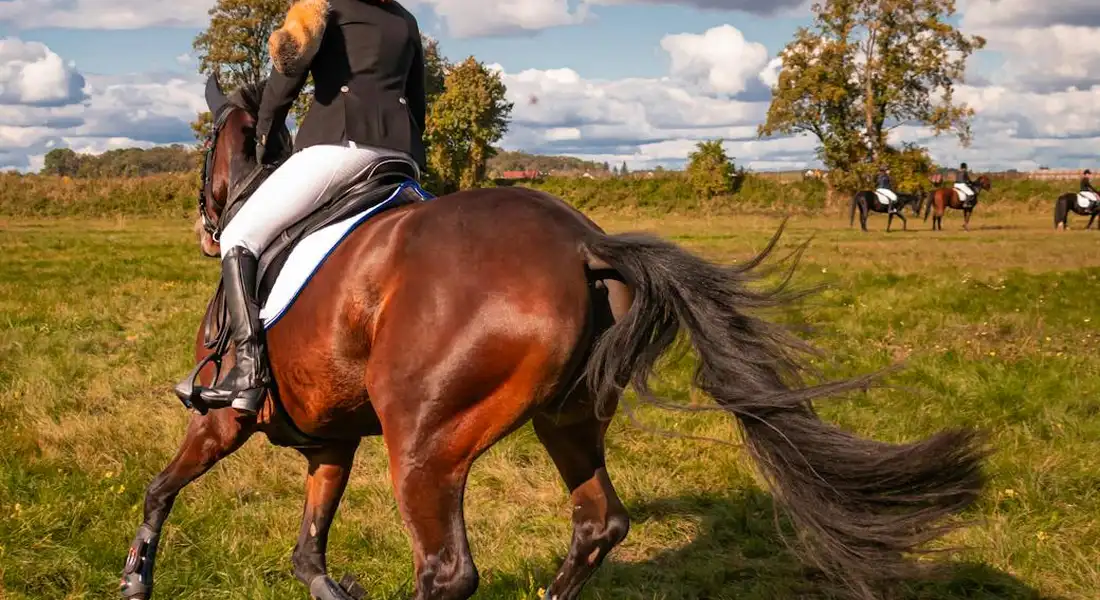
Finding that sweet spot between a good workout and overdoing it is more art than science. It demands you become a student of your own horse. I spend my days observing the subtle shifts in Rusty’s willingness or the extra edge in Luna’s energy, and it’s taught me that gauging fitness is a daily conversation, not a weekly report card.
Step-by-Step Fitness Evaluation
Before you even think about increasing jumps or trail miles, stop and assess. Do this every few weeks, maybe on a quiet Sunday morning when the barn is calm.
- Check Recovery Rate. After a standard workout, count your horse’s breaths per minute at the walk, immediately after trotting, and again two minutes later. A fit horse will drop back to near-resting rate quickly. If they’re still huffing after five minutes of walking, the work was too hard.
- Assess Muscle Tone. Run your hands over the hindquarters, back, and shoulder. You want firm but springy muscle, like a ripe avocado. Hard, board-like muscles often signal tension from overwork, while a soft, “jiggly” top-line screams a lack of conditioning.
- Monitor Morning Pulse and Respiration. Know your horse’s normal resting vitals. A spike in their morning resting pulse before work can indicate they haven’t recovered from the previous day.
- Observe the Walk-Out. The first few strides out of the stall are telling. A horse that steps out briskly is generally feeling good. Stiffness, short strides, or a reluctant shuffle need your attention.
I keep a simple notebook in my tack room; a few notes on recovery rate and attitude after each ride reveals patterns no memory can hold.
Auditing Your Weekly Routine
Now, lay your week out on paper. Be brutally honest. Variety isn’t just the spice of life-it’s the cornerstone of a sane, sound horse.
- Count the Minutes. How much of your horse’s week is spent in active work versus passive turnout? A horse in light work should have at least 3-4 days of full turnout, if not daily.
- Vary the Terrain and Gait. If every session is a flat arena drill, you’re asking for both mental burnout and physical strain on the same muscle groups. A long walk on a gentle slope builds fitness without pounding joints.
- Schedule Real Rest Days. Rest does not mean a day in a 12×12 stall. It means freedom. A rest day is 24 hours of turnout with buddies, where movement is their choice. This is when tissues repair and minds reset.
- Listen to the Feedback. Did Luna spook at the same flowerpot she usually ignores? That’s fatigue talking. Did Rusty refuse a simple log he’s jumped a hundred times? That’s not stubbornness; it’s a body saying “no more.”
An unbalanced routine is a fast track to sourness or injury, so audit it with the cold eye of a barn manager, not the hopeful heart of a rider.
The Other Extreme: Clues Your Horse Needs More Movement
While overwork is a real danger, our modern management often errs in the opposite direction. We stall for safety, we limit turnout to keep them clean, and we create athletes with pent-up energy and underused minds. A horse with excess fuel and no good outlet is a ticking clock. This is exactly the kind of pattern we challenge when debunking 9 popular horse training rules that actually hurt your progress.
Body Condition and Restlessness
Sometimes the need for more exercise is written on their body and in their behavior.
- Persistent “Hay Belly” on a Lean Frame. If your horse has a ribby neck and prominent withers but a distended belly, it’s often a sign of poor core muscle tone from inactivity, not just parasites or poor feed. They lack the fitness to hold their trunk properly.
- Pacing, Weaving, or Stall-Walking. This is nervous energy with nowhere to go. It’s the equine equivalent of pacing a room. Increased, purposeful movement is the only cure, not a bigger stall.
- Explosiveness Under Saddle. The horse that bolts, spooks violently, or can’t stand still for mounting isn’t always “bad.” Often, they are simply overflowing with unused energy and their brain has short-circuited.
- Difficulty Maintaining a Steady Gait. An under-exercised horse may constantly break gait or have a hurried, tense trot because they are physically uncomfortable standing still in their own skin.
Performance Readiness
You can’t ask for collection, engagement, or stamina if the basic engine isn’t tuned. More targeted exercise builds the capacity for performance.
- They Tire Quickly. If your horse is dripping sweat and exhausted after 20 minutes of light work, their cardiovascular system is unfit. They need slow, steady conditioning to build wind.
- They Struggle with Basic Balance. A horse that falls in on circles or trips often needs stronger stabilizing muscles. Hill work and pole exercises at a walk build these without stress.
- They Lack “Push” from Behind. True impulsion comes from a powerful engine. If your leg just makes them go faster instead of more powerfully, you need to build hindquarter strength through transitions and gentle slopes.
- Their Attention Span is Short. Mental fitness comes from physical tiredness. A properly exercised horse is a focused partner. A fresh, underworked horse is thinking about everything but you.
Remember Pipin, our clever Shetland? His most mischievous escapes always happened after days confined to a paddock. His brain needed a job, and when he wasn’t given one, he invented his own.
Building a Balanced Exercise Plan to Prevent Problems
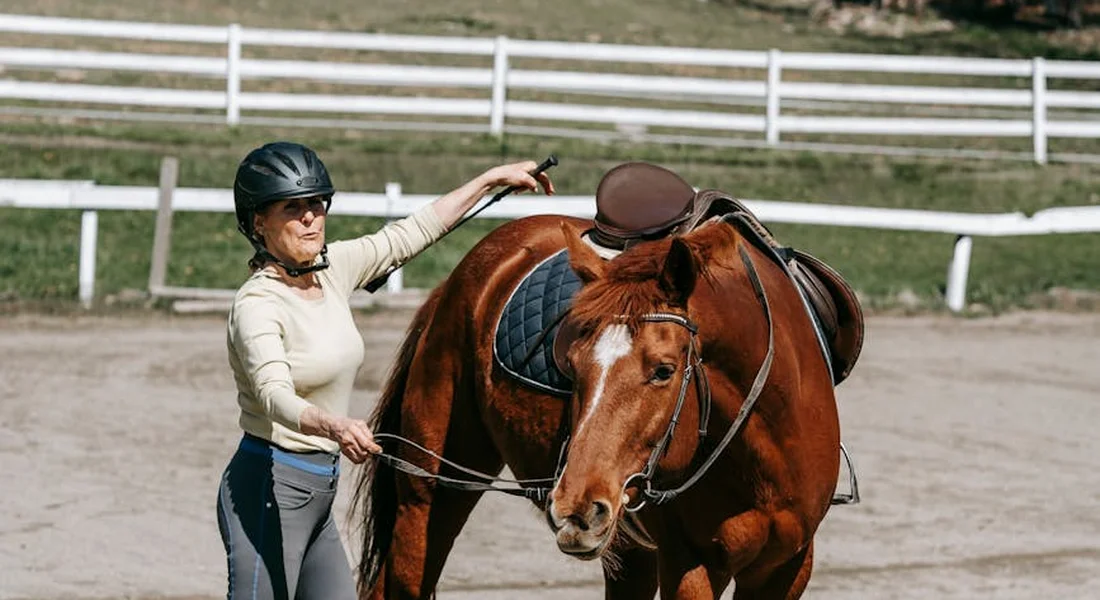
Principles of Safe Conditioning
Think of conditioning like building a stone wall-each session lays another stone, and rushing will make it tumble. Always increase workload gradually, aiming for no more than a 10% jump in time or intensity per week to let tendons and ligaments strengthen safely. I learned this with Luna; her thoroughbred spark meant short, focused sessions three days a week built stamina without frying her nerves.
Variety is your best tool to prevent both boredom and strain. Mix up your week with trail rides, arena work, and straight turnout so muscles develop evenly and minds stay engaged. A balanced plan isn’t just about riding; it includes groundwork and liberty time.
- Start every session with a 10-minute walk on a loose rein to warm up cold muscles.
- Incorporate hills or poles once a week for natural strength building, but keep it simple.
- Schedule mandatory rest days-true fitness is built during recovery, not just work.
- Tailor intensity to age and breed; Pipin’s clever pony mind needs puzzles, not mileage.
Reading the Subtle Cues
Your horse talks with his body, not his voice. Watch for the small tells during work: a slight head tilt, a hesitation at a usually easy fence, or a change in the rhythm of his breath. Rusty, my steady eddy, once started veering subtly from puddles on dry trails-it wasn’t fear, it was stifle soreness whispering before it shouted. This awareness helps you spot early signs of illness or injury in your horse. When you tune into these cues, you’re better prepared to seek care quickly.
Listen to the quality of movement under you. A hollow back, pinned ears during grooming, or a reluctant step into the trot are all red flags that today’s plan needs to pivot to a hack or hand-walk.
- Eye expression: A soft, blinking eye shows contentment; a hard, wide eye can signal stress or pain.
- Tail carriage: A clamped tail often means discomfort, while a loosely swinging tail usually signals relaxation.
- Interest level: A sudden lack of curiosity about treats or surroundings can indicate fatigue or malaise.
- Footfall sound: Listen for a change from a crisp “thud-thud” to a dragging scuff.
Aftercare and Long-Term Management for Optimal Health
Post-Workout Recovery Essentials
Cooling down is non-negotiable-I never put a horse away sweaty. Walk until his breathing is normal and his neck is cool to the touch, using the time to feel for any heat or swelling in his legs. This is the proper way to cool down a horse after exercise. It helps prevent injuries and promotes safe recovery. The post-ride ritual is as important as the ride itself.
Hydration and electrolyte balance are key, especially in summer. Offer a wet mash or ensure access to fresh, clean water immediately after work to replenish what was lost. I always keep a salt block in Rusty’s stall for him to lick as needed.
- Untack and do a thorough grooming; your hands will find lumps or sore spots the eye might miss.
- Use liniments or cool water hoses on legs only if there’s heat, not as a daily routine.
- Provide a quiet, draft-free space to stand or encourage gentle wandering in a paddock.
- Check digital pulses the evening after a hard workout to catch any brewing inflammation early.
Supporting Fitness with Diet and Environment
Feed for the work being done, not the work you dream of. Most pleasure horses thrive on good-quality hay or pasture, with grain added only if they struggle to maintain weight. Grain is often overfed, but Luna gets a scoop of low-starch feed, and Pipin stays round on hay alone—every metabolism is unique.
Environment is your silent training partner. Maximize turnout time on safe footing; movement during rest days keeps joints fluid and minds peaceful, preventing stocking up and stall vices. The sound of contented munching and the sight of a rolling horse are the best signs your management is working. By learning how to create a safe, enriching environment for your horse, you set the stage for lasting wellbeing. Simple steps to build that environment can be incorporated into daily care.
- Forage first: Ensure they consume 1.5-2% of their body weight in roughage daily to support gut health.
- Consider joint supplements like glucosamine for older athletes like Rusty, but discuss with your vet.
- Provide shelter from elements, but avoid confining stalls for more than a few hours at a time.
- Use slow-feed hay nets to mimic natural grazing patterns and reduce boredom.
FAQ: Signs Your Horse is Overworked or Needs More Exercise
What are the signs of mental burnout or sourness in a horse?
Mental burnout often manifests as a loss of interest in training, social interactions, or treats they once enjoyed. The horse may develop new stable vices like cribbing or weaving, or show a “shut down” attitude with dull eyes and minimal responsiveness. Chronic sourness can lead to avoidance behaviors during handling and a general lack of enthusiasm for work or turnout. For a deeper look at why these patterns occur, the understanding horse behavior psychology complete guide can offer a thorough overview. It ties emotional states to observable behaviors and provides practical steps to recognize early signs and address burnout in horses.
How does a horse’s appetite change with overwork or under-exercise?
Overwork can suppress appetite due to fatigue or stress, leading to reduced grain or hay intake and potential weight loss. Under-exercise may cause boredom-related overeating or “hay belly,” but it can also result in picky eating from pent-up energy. Monitoring daily consumption and body condition helps adjust exercise routines to maintain optimal health and digestion.
What changes in performance or willingness to work should I look for?
Watch for reluctance to move forward, such as balking or planting, which signals fatigue or discomfort. Performance may decline with inconsistent gaits, refusal of familiar obstacles, or a lack of impulsion and engagement during exercises. A horse needing more exercise might show explosiveness or restlessness, while an overworked horse could exhibit early fatigue or a drop in coordination. These cues tie into the ‘good horse, tired horse’ idea and the debunking of 5 turnout myths. The next section will include an implicit link to a concise guide on this topic.
Ride Safe
The simplest tool you have is your own daily observation; track your horse’s recovery rates, sweat patterns, and willingness under saddle. Adjusting their workload is a continuous conversation, not a one-time decision.
True partnership is built on respecting the feedback your horse gives you, whether it’s a sigh of contentment or a swish of irritation. Their well-being is the ultimate measure of your horsemanship. That invites a closer look at the alpha myth in the context of a modern horse leadership partnership. Understanding that myth can help you cultivate leadership rooted in trust and clear communication.
Further Reading & Sources
- Signs That a Horse is Overworked – Pro Equine Grooms
- Signs That a Horse is Overworked: Recognizing Red Flags for Equine Hea
- Fit for purpose: Signs of overwork | Horse and Rider
- Dangers of Overtraining – Horse Illustrated
At Horse and Hay, we are passionate about providing expert guidance on all aspects of horse care, from nutrition to wellness. Our team of equine specialists and veterinarians offer trusted advice on the best foods, supplements, and practices to keep your horse healthy and thriving. Whether you're a seasoned rider or new to equine care, we provide valuable insights into feeding, grooming, and overall well-being to ensure your horse lives its happiest, healthiest life.
Exercise