
Debunking 9 Popular Horse Training Rules That Actually Hurt Your Progress
Hello fellow equestrians. Have you ever followed a common training “rule” only to find your horse more confused, resistant, or simply shutting down? That sinking feeling when progress stalls or new behavioral issues pop up is a real worry, costing you time, trust, and sometimes even vet bills.
In this article, I’ll strip away the harmful myths and replace them with practical, horse-friendly methods. We’ll tackle key solutions like why the “alpha” concept breaks partnership, how instant punishment kills curiosity, the problem with using more pressure for respect, and why skipping turnout sabotages training.
My advice comes from over a decade in the barn as a manager and trainer, learning from every horse from steady Rusty to sensitive Luna-always with an eye on their comfort and your shared success.
Why Chasing the “Alpha” Title Undermines Your Horse
The Flawed Idea of Dominance
That whole “you must be the alpha” theory? It’s borrowed from flawed wolf studies and doesn’t translate to horses. Horses are prey animals built for partnership, not for rigid pack hierarchies. Treating your horse like a subordinate to be dominated creates a nervous animal waiting for the next conflict, not a willing partner. I learned this the hard way with Luna; my early attempts to “show her who’s boss” over a spooky corner just taught her to distrust my hands and my intentions.
Think about it in their terms. In a herd, leadership is often fluid and based on confidence, not aggression. True leadership with a horse means they follow you because they feel safe, not because they are afraid. It’s the difference between the respectful pause of a herdmate and the frantic flee from a predator. That means becoming the calm assertive leader your anxious horse needs. Practice steady, predictable cues to invite trust instead of fear.
Here’s what chasing dominance actually costs you:
- It shuts down your horse’s ability to think and learn, triggering a flight-or-freeze response.
- It damages trust, making every training session a potential battle.
- It ignores the horse’s individual personality-what scares Luna, Pipin might find hilariously interesting.
Letting Your Horse “Win” Builds Trust
This sounds counterintuitive, but giving your horse a choice is a powerful trust-builder. It doesn’t mean letting them bolt or be rude. It means strategically allowing them to communicate. When you listen to their “no” and work with it, you transform a potential fight into a conversation. Build a strong bond by earning their trust through patient listening, and your partnership will deepen over time. Trust grows when you honor their signals and respond with calm consistency. The thud of hooves stopping calmly at a puddle is a question, not a defiance.
My old trail partner, Rusty, hates deep puddles. Forcing him through taught him to dread trailheads. Letting him pause, sniff, and then choose to walk around a smaller puddle? That built his confidence. Small, negotiated “wins” for your horse prove you are a fair and predictable leader. The smell of damp earth became a curiosity, not a threat.
Practical ways to let your horse “win”:
- Ask for two steps back, then immediately release all pressure and let them stand still.
- If they’re nervous about an object, let them turn their head away after a brave sniff instead of forcing prolonged contact.
- On a trail, occasionally let them pick the fork in the path for a few strides before gently guiding back.
Punishment and Pressure: Misusing the Tools of Communication
Why Punishment Fails as a Primary Method
Punishment is about inflicting discomfort after an unwanted behavior, hoping to stop it. With horses, this usually backfires. Horses live in the moment; by the time you punish, they’ve likely forgotten what they did and just learn that you are scary and unpredictable. I’ve seen a horse spook at a bag, get yanked in the mouth, and then become head-shy, never connecting the bag to the pain.
Their memory associates the punishment with the context-you, the saddle, the arena. Punishment breeds confusion and resentment, not understanding or respect. That creak of leather shouldn’t signal impending correction, but consistent, clear communication.
Consider the food-motivated Pipin. If he nips for a treat and gets smacked seconds later, he doesn’t learn “no nipping.” He learns “human hands near my face are dangerous.” The unwanted behavior often just goes underground, popping out when you least expect it.
The Critical Role of Release
Pressure is not a bad thing-it’s how we communicate. But pressure is meaningless without the release. The release of pressure is the reward. Your timing on the release teaches everything; it’s the “yes!” that marks the correct behavior. It’s the instant softening of your seat when your horse transitions down to a walk.
This isn’t permissiveness; it’s precise teaching. Applying steady, gentle pressure and then releasing at the slightest try teaches your horse to seek the comfort of that release by cooperating. It turns training into a puzzle they want to solve. I use this with grooming sensitive Luna; the moment she stands still for the itchy spots, I stop brushing and give her a scratch she loves.
Master the release with these steps:
- Apply light, consistent pressure (e.g., leg aid, lead rope cue).
- Watch for any attempt, even a shift of weight or a slight yielding.
- The instant you see that try, release all pressure completely.
- Pair the release with a moment of peace-let them stand and process. The smell of fresh hay and a calm breath are powerful reinforcers.
Interpreting Behavior: Is it Stubbornness or Something Else?
Debunking “Lazy” and “Stubborn” Labels
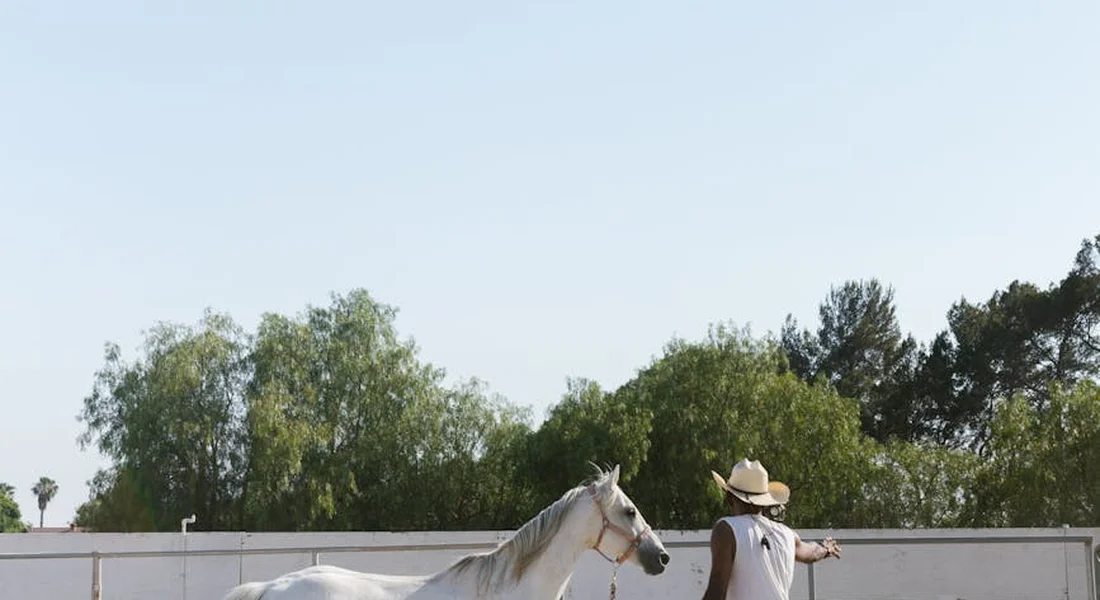
Calling a horse “lazy” or “stubborn” is a quick way to end a conversation that your horse is desperately trying to start. I’ve seen it too many times: a rider kicks on, the horse doesn’t move forward with pep, and the label gets slapped on. What looks like defiance is almost always a symptom of something else-pain, confusion, or sheer physical inability. My old reliable Rusty would plant his feet at a puddle, which some called stubborn; turns out, he had a deep-seated fear of slipping after a bad experience years before.
Horses are not wired for spite. Their behavior is direct feedback on their world. A “lazy” horse might be in discomfort from a poorly fitting saddle or simply lacking the cardiovascular fitness for the task. Scrapping these labels forces you to become a detective, looking for the root cause instead of battling the symptom. If you notice signs your horse is overworked—exhaustion after moderate work, reluctance to move, or slow recovery—it’s a cue to adjust the conditioning plan, not push harder. A careful, progressive exercise approach can restore fitness and prevent burnout. Check your tack fit, review their diet and turnout schedule, and consider if your ask is clear. Often, the solution is management, not more discipline.
Here’s a simple checklist I run through when a horse seems resistant:
- Is there a source of pain? (Back, teeth, feet)
- Is the horse physically capable of what I’m asking?
- Have I trained the response clearly, or am I assuming they know?
- Is the horse bored, fatigued, or mentally checked out?
Working through this list takes minutes but can save months of frustration and repair a relationship. It shifts the focus from making the horse obey to understanding why they can’t.
Addressing Fear, Not Ignoring It
Fear is not disobedience. It’s a survival instinct. When Luna spooks at a flapping tarp, her thoroughbred brain is screaming “predator,” not “I refuse.” Pushing through that fear with force teaches one thing: that you are not a safe partner. True training progress happens when you address the fear, not when you punish the reaction. I spend hours letting horses just look at scary objects from a distance, with the smell of hay in the air and no pressure to approach.
The process is slow, quiet, and profoundly effective. Start by identifying the threshold-the distance where your horse notices the object but isn’t panicking. Reward any calmness or curiosity. Your goal is to build a history of positive experiences around the scary thing, not to achieve bravado in one session. This might mean a week of just walking past a new jump standard before you even think about adding a pole.
Forcing a frightened horse creates a ticking time bomb of tension. Safety, for both of you, depends on recognizing fear signs early: the white ring around the eye, the locked neck, the held breath. When you see them, back up a step in your training. Make the task easier until the horse can think again. This isn’t coddling; it’s skilled horsemanship that prevents accidents and builds genuine confidence.
The Dangerous Rush for Quick Results
Biomechanics and the Need for Foundation
A horse’s body is not built for shortcuts. Asking for collection before building a strong topline, or expecting a tight turn without proper conditioning, is like asking someone to run a marathon without training. Rushed training ignores basic equine biomechanics and often leads to subtle, career-ending injuries. I’ve seen horses develop asymmetries and sour attitudes because their foundational strength wasn’t there to support the ask.
Foundation work is boring but non-negotiable. It means weeks of straight-line work, transitions, and gentle lateral movements at the walk. This slow build allows for the development of the deep stabilizing muscles that protect joints and carry a rider efficiently. Maximize your horse’s turnout time-the thud of hooves on grass as they move freely is the best foundation builder there is.
Think of it as a pyramid. The base is:
- Balanced, pain-free movement on the ground.
- Acceptance of the saddle and rider’s weight.
- Steady rhythm and relaxation at all three gaits.
Skip any of these steps, and the entire structure of your training becomes unstable and prone to collapse. Every time I’ve tried to rush, with a young horse or a retraining project, I’ve had to go back and spend double the time fixing the problems I created.
Patience as a Practical Skill
Patience is not passive waiting; it’s an active training strategy. It’s the skill of reading tiny cues and adjusting your plan in real time. Practical patience means ending a session on a good note, even if it’s a small one, rather than drilling for perfection. With Pipin, the clever Shetland, I learned that three minutes of focused, positive work yielded better results than thirty minutes of repetition that led to evasion.
This skill involves setting microscopic goals. Today, we stand calmly at the mounting block. Tomorrow, we take one step after mounting. Celebrating these small wins builds a horse’s confidence and your own timing, creating momentum that accelerates progress more than any forced session ever could. It requires you to value the process over the calendar.
Implement patience daily with routines that allow for horse-time. Groom thoroughly, noticing every muscle twitch and skin shift. Hand-walk on a loose line, letting them look around. These quiet moments of connection are where trust is cemented, making the high-stakes training moments far smoother and safer. The day you stop watching the clock is the day you and your horse truly start to communicate.
Moving Beyond “Breaking” to Building a Bond
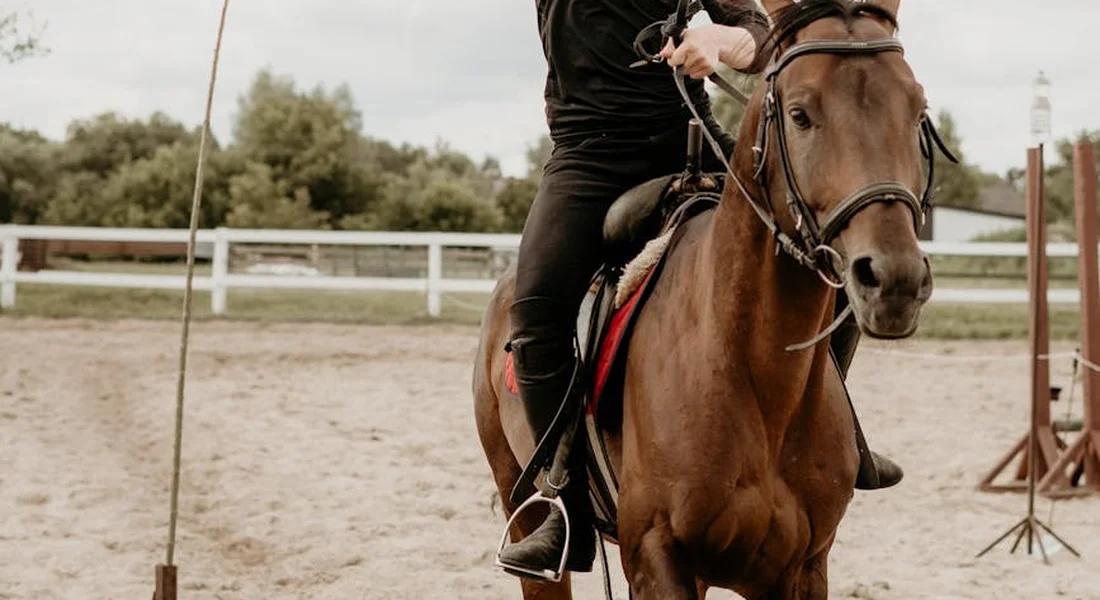
I remember the first time I heard an old-timer say we needed to “break” a young horse. The word sat wrong with me, like a poorly fitted saddle. My experience with Luna, my sensitive Thoroughbred, taught me that force creates fear, not partnership. True training isn’t about domination; it’s a conversation where both you and the horse get to speak. The goal is a willing animal, not a subdued one.
Think of it like this: “breaking” suggests something is finished. But a horse’s education is never done. Every grooming session, every trail ride, is a chance to strengthen your connection. A simple, step-by-step grooming routine can deepen that bond. Focus on building a bond first, and the “training” becomes a natural extension of that trust. I spend as much time just hanging out at the pasture gate with Rusty as I do in the arena.
The Problem with a “One-Size-Fits-All” Approach
If I used the same method on all three of my horses, I’d have a disaster. Luna would panic, Rusty would tune me out, and Pipin would probably figure out how to sell my tack online. Horses have personalities as distinct as their colors, and your training must reflect that. A rigid rulebook fails to account for the individual mind in front of you.
Consider their needs:
- For the sensitive type (like Luna): Loud corrections shatter their confidence. Soft voice, gradual exposure, and shorter sessions work wonders.
- For the steady Eddy (like Rusty): He values clarity and consistency. He needs fair rules, not constant coddling.
- For the clever pony (like Pipin): Repetition bores him. Keep his brain engaged with puzzles and variety, turning work into a game.
The old rule of “just make them do it” ignores basic equine psychology. Your timeline should adapt to the horse’s readiness, not the other way around. Pushing a nervous horse through a fear today often means rebuilding from square one tomorrow. To go deeper, the understanding horse behavior psychology complete guide offers practical insights. It helps you read signals, triggers, and learning styles to guide kinder training decisions.
Reward-Based Training and Lasting Trust
I keep a pocket full of carrot pieces not as a bribe, but as a punctuation mark. When Luna offers a soft response to a gentle lead rope cue, that “click” of a crunch rewards the exact behavior I want. Reward-based training marks the right answer clearly for the horse, making the desired behavior more likely to repeat. It’s how Pipin learned to stand tied without weaving-each calm moment earned a nibble.
Rewards aren’t just about treats. They can be:
- A release of pressure the instant the horse tries.
- Scratching that itchy spot on the withers.
- Simple verbal praise and a rest break.
This approach builds a bank account of trust. When I need to ask for something hard, like loading into a trailer, my horses know I’m not a threat. They learn that cooperating with you is the most rewarding option available. It turns training from a battle of wills into a shared project, where the sound of a happy munch is the best progress report you can get.
Frequently Asked Questions: Debunking Horse Training ‘Rules’ That Hurt Progress
What is the ‘alpha’ or ‘dominance’ theory in horse training, and why is it harmful?
The ‘alpha’ theory incorrectly applies rigid pack hierarchy concepts from wolves to horses, who are prey animals built for cooperative relationships. Insisting on dominance creates fear and conflict, shutting down a horse’s ability to learn and damaging essential trust. True leadership with horses is earned through consistency and safety, not through force or intimidation. It aligns with the alpha myth understanding modern horse leadership partnership, a framework that emphasizes collaboration and trust over dominance. This perspective invites a shift from forcing performance to cultivating a shared partnership built on safety.
Why is using punishment as a primary training method counterproductive?
Punishment focuses on inflicting discomfort after unwanted behavior, which horses often cannot connect to their actions, leading to confusion and anxiety. It teaches horses to avoid the trainer or context rather than understand what is desired, potentially creating new behavioral problems, especially when compounded by common training errors made by beginners.
Why is the ‘one-size-fits-all’ approach to horse training problematic?
Horses possess distinct personalities, past experiences, and physical capabilities, making a uniform training method ineffective and often stressful. This approach can ignore individual needs, such as a sensitive horse requiring patience or a clever one needing mental engagement, stalling progress and risking resistance. Understanding how horses learn helps in adapting methods to each horse, fostering better learning, preventing issues, and deepening the partnership based on mutual understanding.
Trust the Process, Listen to Your Horse
Toss out the rigid schedules and generic advice in favor of methods that fit your horse’s unique personality and physical needs. Real progress is measured in your horse’s relaxed sighs and willing tries, not in crossing days off a calendar.
Safe, patient horsemanship builds a bond that no shortcut can match. The best trainer in the barn is the one who knows when to pause and hear what their horse is saying.
Further Reading & Sources
- Different Horse Training Techniques: Try It, You’ll Like It
- r/Equestrian on Reddit: What’s up with these weird ideas surrounding horse training?
- Horse-training techniques that may defy the principles of learning theory and compromise welfare – ScienceDirect
- Horse Training Standards – Ed Dabney
At Horse and Hay, we are passionate about providing expert guidance on all aspects of horse care, from nutrition to wellness. Our team of equine specialists and veterinarians offer trusted advice on the best foods, supplements, and practices to keep your horse healthy and thriving. Whether you're a seasoned rider or new to equine care, we provide valuable insights into feeding, grooming, and overall well-being to ensure your horse lives its happiest, healthiest life.
Behavior