
Can Horses Eat Corn Husks and Stalks? Your Practical Corn Product Safety Guide
Published on: September 23, 2026 | Last Updated: September 23, 2026
Written By: Henry Wellington
Hello fellow equestrians! You’re eyeing those leftover corn husks and wondering if they’re a safe snack for your horse, but a niggling worry about vet bills or a colic episode holds you back. That instinct is spot-on-what seems like harmless scrap can quickly become a digestive hazard.
We will walk through the specifics so you can make informed choices. This guide covers:
- The straightforward truth about nutritional value and major risks
- Step-by-step preparation to minimize choking and blockage dangers
- Safe, welfare-focused alternatives when corn products are not the answer
My years in the barn as a manager and trainer have taught me that a horse’s diet is the foundation of its health and happiness.
Corn Husks and Stalks: The Basic Safety Verdict
Can Horses Eat Corn Husks?
The short answer is no, I don’t recommend it. Corn husks are those dry, papery leaves wrapped around the ear. While not poisonous, they’re a hassle for a horse’s gut. Their stringy, fibrous texture doesn’t break down easily. I remember cleaning stalls after Halloween, finding husks from decorations that Pipin, our cheeky pony, had dragged in. He’d chew them into a soggy, tangled mess that looked like a recipe for trouble. Feeding corn husks is an unnecessary gamble with your horse’s digestive comfort. Their lack of nutritional value just isn’t worth the risk.
Can Horses Eat Corn Stalks?
This is a firmer no. Corn stalks are the tough, woody stems left in the field after harvest. They’re essentially equine toothpicks that can splinter. A horse’s digestive system isn’t built to process such lignin-heavy, coarse material. Think of corn stalks as nature’s broom handle-they’re for support, not for snacking. I’ve walked pastures where leftover stalks poked up, and I always make a point to remove them. The satisfying thud of tossing them on the burn pile is better than the sound of a colicky horse.
Key Difference Between Husks and Stalks
Knowing the difference helps you assess the danger in your paddock or feed.
- Corn Husks: These are the leaf-like wrappers. They are thinner, more pliable when fresh, but become brittle and stringy when dry. They can form dense wads in the mouth or gut.
- Corn Stalks: These are the main structural stems. They are thick, fibrous, and incredibly dense. Stalks pose a higher impaction risk due to their sheer volume and indigestibility.
The stalk is the greater physical threat, while the husk is a master of deceptive, tangled mischief.
Understanding the Real Risks: Colic, Choke, and Toxicity
Choking Risk from Dry, Stringy Fibers
Choke happens when a bolus of food blocks the esophagus. Dry corn husks are prime suspects. They can swell with saliva, clumping into a stubborn plug. Horses like Luna, who tend to bolt their food, are especially vulnerable. If you see your horse coughing, stretching its neck, or drooling excessively after encountering corn debris, choke is your first concern. Prevent this by keeping harvest leftovers out of reach and soaking any fibrous treats you do give.
Colic Risk from Impaction and Digestive Upset
Even if swallowed, husks and stalks can cause a traffic jam downstream. Their poor digestibility can lead to impaction colic-a hard, dry mass blocking the intestines. It’s a slow, painful process. Monitor manure closely; small, dry droppings or a lack of them can be an early warning sign. I keep a close eye on Rusty after any pasture change, knowing his reliable gut is still susceptible. Ensuring plenty of fresh water and turnout for movement is your best defense against this.
The Silent Threat: Mold, Mycotoxins, and Spoilage
This risk often goes unseen. Corn plants left in damp conditions grow mold, which produces harmful mycotoxins. A whiff of that musty, sweet-sour smell from old stalks is a red flag. Mycotoxins can suppress the immune system and cause neurological issues, long before you see visible mold. I am militant about checking hay and field leftovers after a rainy fall. Your nose is a powerful tool-use it.
- Inspect: Look for grayish dust or clumps on husks or stalk joints.
- Sniff: Reject anything with a dank, off odor.
- When in doubt, throw it out: Never risk feeding questionable forage.
Are Any Parts of the Corn Plant Toxic?
The corn plant itself isn’t inherently toxic like some weeds. The grain (corn kernels) is commonly fed in controlled amounts. The danger lies in the physical form and potential contamination, not in a natural poison. However, stressed corn plants, like those after a frost or drought, can accumulate higher levels of nitrates, which are toxic. The stalk typically holds the highest nitrate concentration. If you didn’t grow it yourself under ideal conditions, assume it’s a vehicle for risk, not nutrition. Stick to known, tested feeds and your horse will thank you with good health and steady digestion. For broader safety, a complete identification guide to safe and toxic plants for horses is a handy reference. It helps you spot hazards beyond corn and keep pastures and feeds safer.
Nutritional Reality: What Are You Actually Feeding?
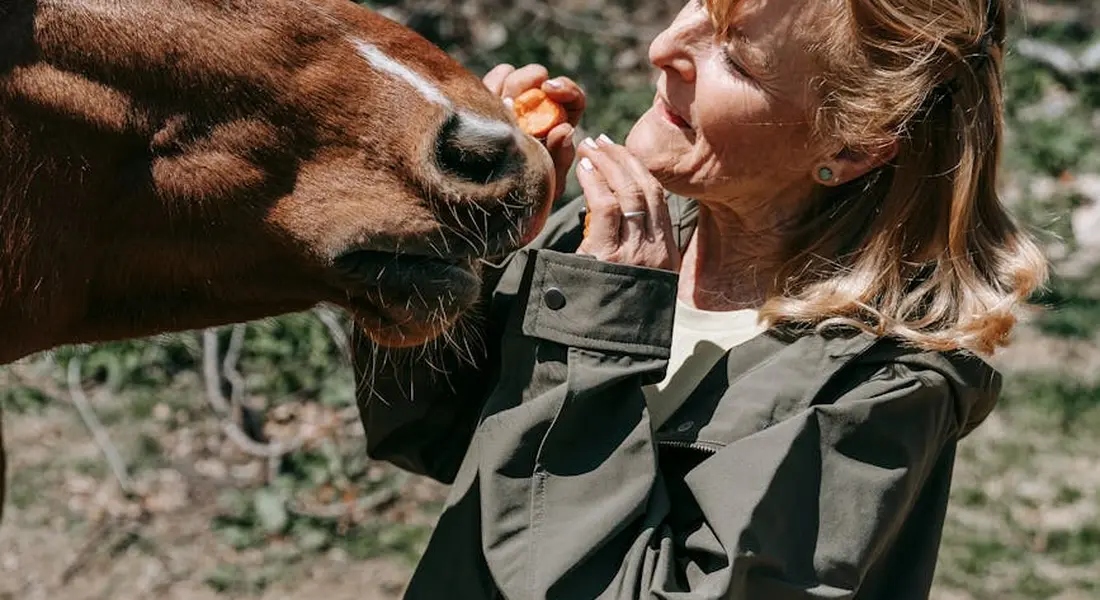
Let’s look past the novelty and see what’s actually in these garden leftovers. I’ve spent plenty of afternoons sorting through feed deliveries and comparing hay analyses, and the reality is often simpler than we think.
Fiber Content and Digestibility
Corn husks and stalks are, at their core, fibrous plant material. They are primarily a source of structural carbohydrates-think of them as the woody scaffolding of the plant. The fiber in husks is somewhat similar to the stemmy parts of mid-quality grass hay, but it can be tougher.
Stalks are even more lignified, meaning they have a higher lignin content. Lignin is what makes wood hard; it’s indigestible. While a horse’s hindgut microbes are amazing, they struggle to break down high-lignin fiber efficiently. Feeding large amounts of stalk can lead to undigested fiber passing through, offering little nutritional benefit and potentially causing impaction if the horse isn’t drinking enough water.
Husks are the more digestible of the two, but they still fall short of good hay. I think of them as a fibrous “filler” rather than a nutrient-dense feed. My old reliable, Rusty, might chew on a husk for a good ten minutes, but it’s more about the occupation than the nutrition.
Caloric and Nutrient Value
Do not confuse these with the corn kernel itself. The grain is packed with starch and calories; the husk and stalk are not. They are very low in calories, protein, vitamins, and minerals. You cannot replace any meaningful portion of your horse’s balanced diet with corn byproducts, especially when considering the essential components of a healthy horse diet.
If your horse is an easy keeper like Pipin the pony, the low-calorie nature is a point in their favor as a treat or boredom breaker. For a hard-working or thin horse like Luna can be, they provide almost no useful energy. Relying on husks or stalks for nutrition is like expecting a person to thrive on a diet of celery sticks and lettuce cores-it’s bulk without the building blocks. Your horse’s primary nutrition must always come from quality forage and a designed feed program.
If You Choose to Feed: Safe Preparation and Guidelines
If, after all this, you decide to offer a bit as a novelty, doing it safely is non-negotiable. My barn rule is: when in doubt, throw it out. A colic surgery costs more than all the free corn stalks in the county.
Step-by-Step: Preparing Corn Husks Safely
- Source Wisely: Use only husks from corn you know is unsprayed with pesticides or herbicides. Roadside stand corn is a gamble.
- Inspect & Separate: Peel back each husk layer. Look for any signs of gray or black mold, which is a hard “no.” Ensure every single strand of silks (the fine hairs) is removed, as they can form indigestible wads.
- Wash Thoroughly: Rinse them in clean water to remove dirt, bugs, or any residual chemicals. A quick dunk in a muck bucket doesn’t count.
- Serve Fresh & Limited: Offer one or two clean, fresh husks by hand. Never toss a whole pile into the stall where they can be gulped down.
Step-by-Step: Preparing Corn Stalks Safely
- The Golden Rule: Stalks must be fresh and green, never dry, brittle, or harvested from a dead stand. The snap of a dry stalk is a warning sound.
- Chop It Up: Using clean loppers or a sharp knife, cut the stalk into short, manageable lengths-no more than 6-8 inches. This prevents a horse from trying to swallow a long, dangerous piece.
- Core Check: Every single piece must be hollow. Split a piece open to check. The pithy, spongy interior of a fresh stalk is what’s safest. Discard any woody, solid sections.
- Supervise: This isn’t set-it-and-forget-it feed. Give one piece and watch how your horse manages it. Some will chew carefully, others will try to inhale it.
How Much Is Too Much? Feeding Quantities
This is not a feed. It is, at best, an occasional enrichment item. Think of it like giving a child a piece of sugar-free gum, not a meal. From an equine nutrition basics perspective, feeding for health and performance starts with balanced forage. Enrichment should not replace a proper diet.
- For Husks: One or two husks, 2-3 times a week maximum.
- For Stalks: One or two short, freshly cut pieces, once a week.
The moment it becomes a regular part of their diet, you are flirting with digestive upset and nutrient dilution. I learned this with Luna; even a small digestive change can make her sensitive. Always ensure your horse has constant access to clean, fresh water when eating any extra fiber to help it move through their system. Monitor their manure for any signs of dryness or undigested pieces. When the treat stops being fun and starts being a chore to manage, it’s okay to just skip it. Good hay is always the better choice. There are 11 common horse feeding myths that can harm your pet. Understanding them helps you make safer, more informed feeding choices.
Smart Forage Alternatives: Safer Choices for Your Horse
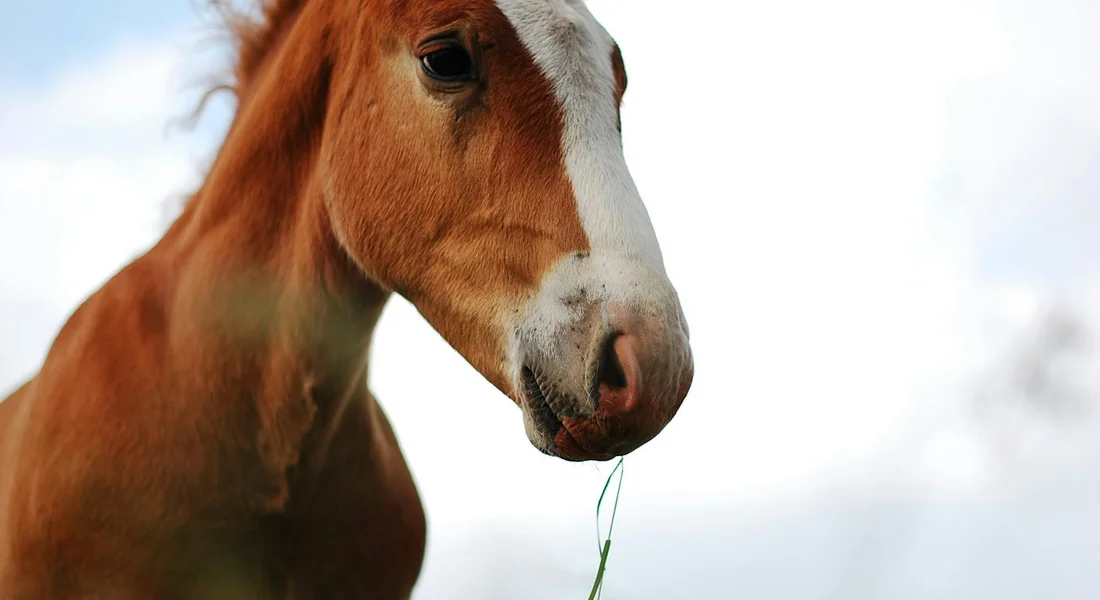
Since corn stalks and husks are a gamble, let’s talk about the sure bets. Your hay loft and feed room are full of safer, more reliable options to fill that forage void. Consistency is the cornerstone of equine digestive health, and that starts with predictable, high-fiber roughage. When it comes to hay, a complete comparison of the types reveals what’s best for each horse. I keep my crew-Rusty, Luna, and the ever-mischievous Pipin-on a steady foundation of these.
Top Safe and Nutritious Roughage Options
When you need to bulk up a meal or provide a satisfying chew, these are my go-to choices. They mimic natural grazing without the hidden risks of field waste.
- Grass Hay (Timothy, Orchard, Bermuda): The gold standard for most horses. It’s lower in sugar and protein than alfalfa, making it a superb belly-filler for easy keepers and leisure horses. I watch Luna’s energy on this; it keeps her sensible without the fireworks.
- Beet Pulp: A brilliant, low-sugar soluble fiber source. Always soak it thoroughly into a soft, mashy consistency. It’s my secret weapon for adding calories and hydration without spooking the metabolic system. Rusty gets a soaked scoop in winter to keep weight on.
- Hay Cubes or Pellets: Soaked into a mash, these are excellent for seniors with dental issues or for stretching limited hay supplies. They reduce waste and ensure every bite is consumed. Just soak until they fully break apart-no one wants a choke.
- Haylage or Grass Silage: A fermented, higher-moisture forage option, often wrapped in plastic. It must be fed with care, as it spoils quickly once opened, but it can be a dust-free alternative for horses with respiratory sensitivities.
When to Simply Stick with Proven Hay
Innovation is fun, but sometimes the old ways are best. Hay is not just feed; it’s a behavioral and physiological necessity. The simple act of chewing long-stem hay produces saliva, which buffers stomach acid and protects against ulcers. Here’s when to double down on the classic.
- For the Senior Citizen: Older horses like Pipin, with his slightly worn teeth, need the long fibers of hay to keep their gut motility working. Chopped hay or a well-soaked cube mash can supplement, but long-stem hay should remain the backbone.
- For the Metabolic Horse: If you’re managing insulin resistance or PPID (Cushing’s), you need to know the exact sugar and starch content of everything going in the mouth. A tested, appropriate grass hay is your safest, most controllable baseline.
- During Any Feed Transition: Changing hay types or introducing a new forage alternative? Do it over 7-10 days. Your horse’s microbial gut population needs time to adjust; rushing this is asking for a colic episode. I mix the new with the old, handful by handful.
- As a Behavioral Anchor: Horses are designed to graze for 16+ hours a day. A slow-feed net full of hay replicates this, reducing stall vices and boredom. It’s not just nutrition; it’s therapy.
FAQ: Can Horses Eat Corn Husks and Stalks?
Can moldy corn husks harm horses?
Yes, moldy corn husks pose a significant health risk due to mycotoxin production. These toxins can suppress the immune system and lead to neurological problems in horses. Always discard any husks with a musty smell or visible mold to avoid these dangers.
What parts of the corn plant are toxic to horses?
While the corn plant is not naturally poisonous, stalks can accumulate toxic nitrates under stress from frost or drought. The main hazards stem from physical indigestibility and potential contamination like mold. Focus on the risks of impaction and choke rather than inherent toxicity.
Is corn silage safe for horses?
Corn silage can be safe if it is properly fermented and free from spoilage or mold. Improperly made silage may contain harmful bacteria or toxins that endanger equine health. Introduce it slowly in small amounts and watch for any digestive upset.
Final Thoughts from the Stable
Your horse’s main diet should always be premium hay or pasture, with treats like a few clean corn husks offered only as rare snacks. Never feed the tough, chopped stalks, as they pose a serious risk of intestinal blockage and colic, especially when compared to [whole corn on the cob](https://horseandhay.com/can-horses-eat-corn-on-the-cob-whole-corn-safety-guide) which can also be risky if not fed properly.
When in doubt about any new food, choose the safer, simpler option and skip it. Trusting your gut and observing your horse’s reaction is the cornerstone of good, preventative care – especially when it comes to human foods for horses.
Further Reading & Sources
- Q&A: Feeding Ear Corn and Corn Stalks to Horses – Kentucky Equine Research
- Can Horses Eat Corn? Risks and Benefits.
- Can Horses Eat Corn Husks and Cobs? – Horsezz
- Can Horses Eat Corn Husks? Vet Reviewed Health & Nutrition Guidelines | PangoVet
At Horse and Hay, we are passionate about providing expert guidance on all aspects of horse care, from nutrition to wellness. Our team of equine specialists and veterinarians offer trusted advice on the best foods, supplements, and practices to keep your horse healthy and thriving. Whether you're a seasoned rider or new to equine care, we provide valuable insights into feeding, grooming, and overall well-being to ensure your horse lives its happiest, healthiest life.
Nutrition