
Tack and Equipment Costs: Your Guide to Initial Investment and Smart Ongoing Upkeep
Hello fellow equestrians! That first glance at a saddle price tag can empty your pockets faster than a determined pony at a grain bin. Worse, using worn or ill-fitting gear often leads to subtle lameness, behavioral issues, and vet bills that make the initial cost seem small.
Let’s build a practical spending plan that prioritizes your horse’s comfort and your budget. In this guide, I’ll provide a clear path through the financial pasture by covering:
- A realistic breakdown of upfront tack costs, separating true essentials from barn luxuries.
- How to forecast and save for routine replacements before your leather cracks or your girth chafes.
- Proactive care routines that dramatically extend your equipment’s life, saving you money and safeguarding your horse.
My advice comes from years of barn management and training, where I’ve learned to listen to the stories told by a horse’s stride and the wear on a bridle.
The Sticker Shock: Breaking Down Initial Tack Procurement
Opening that first tack shop catalogue or walking into the store can make your heart race faster than a green horse on a windy day. The prices add up quickly. I remember outfitting my first project horse, a gangly Thoroughbred yearling, and nearly falling over when I tallied the receipt. Breathe. We’ll sort it out. Knowing what you really need will help.
Essential Saddlery Shopping List
Think of this as your core riding kit. You can’t ride safely without it, but you can be smart about where you invest. A well-fitting, safe saddle is non-negotiable. For my sensitive Luna, a poorly fitting saddle meant a hollow back and a tense ride for us both. Budget more for the saddle and bridle, as these are the foundation of your communication and your horse’s comfort.
- Saddle, Pad, and Girth: A new, quality all-purpose or trail saddle runs $800-$3,000+. The synthetic option for my reliable Rusty cost $1,200 initially and lasted years. Don’t forget the contour pad ($40-$150) and a durable girth ($50-$200).
- Bridle and Bit: A basic leather bridle is $100-$300. The bit itself is a separate cost ($25-$150). Start simple; a mild eggbutt snaffle is often a perfect first choice.
- Helmet and Boots: Your safety is not a line item to cheap out on. A certified helmet ($80-$300) and proper boots with a heel are mandatory. Full stop.
- Stirrup Leathers & Irons: Often sold with the saddle, but budget $100-$300 if purchased separately. Safety stirrups are worth their weight in gold for peace of mind.
Beyond the Saddle: Necessary Care Equipment
This is the “barn aisle arsenal” that keeps your horse clean, healthy, and comfortable. I keep this gear in a heavy-duty tote by each stall. Buying robust, easy-to-clean tools from the start saves money and frustration over countless grooming sessions. These items are among the essential grooming tools for horses. Understanding which tools truly qualify helps you build a focused kit.
- Grooming Kit: Rubber curry ($10), stiff dandy brush ($15), soft body brush ($20), hoof pick ($5), mane/tail comb ($8). A sweat scraper and shedding blade are seasonal lifesavers.
- First Aid Basics: A dedicated bucket with vet wrap, antiseptic, gauze, and a digital thermometer. Expect to spend $100-$150 to stock it properly. You will use it.
- Blanketing: Start with one good, waterproof turnout rug. Prices range from $100 for a basic model to over $500 for high-tech materials. Know your climate.
- Hoof Care: A stiff brush for cleaning hoof dressings and a small container of thrush treatment. Pippin, our escape artist, was prone to thrush from sneaking into the muddy paddock; catching it early saved us vet bills.
From Leather to Linen: Lifespans and Replacement Cycles
Leather ages like a fine wine, while some items have the lifespan of a mayfly. Knowing the difference lets you plan your budget and avoid nasty surprises. Listen to the gear-the creak of new leather softening, the faint smell of mildew on a neglected pad.
The Long Haul: Durable Items with Longer Lifespans
These are your foundation pieces. With proper care, they should last for many years, becoming trusty friends covered in honorable scratches and dirt.
- Well-Maintained Leather Saddles & Bridles: A quality leather saddle, cleaned and conditioned regularly and stored properly, can last 15-25 years or more. The same goes for bridles. I still have the first show bridle I ever bought.
- Metal Hardware: Bits, stirrup irons, and buckles, if kept clean and free of rust, are virtually indefinite. Check for stress cracks annually.
- Rubber Grooming Tools: A good rubber curry or massage mitt seems to last forever, surviving countless baths and muddy coats.
- Heavy-Duty Buckets & Tubs: Thick rubber feed tubs and durable water buckets are a one-time purchase barring a freak accident (we’ve all had one).
The Frequent Flyers: Items Needing Regular Replacement
These items wear out through constant use, exposure to sweat, and the simple reality of barn life. Factor their replacement into your annual stable budget.
- Saddle Pads & Girths: Even the best pads lose loft and absorb sweat over time. Plan to replace a heavily used pad every 1-3 years. Girths, especially those touching sweaty skin, may need replacement every 2-4 years.
- Helmets: This is critical. Replace your helmet every 5 years from the manufacture date, or immediately after any impact, even if no damage is visible. The protective materials degrade.
- Blankets & Sheets: Turnout blankets take a brutal beating from weather, fences, and rolling. A repaired blanket is fine, but a waterproof shell typically fails after 3-5 seasons of hard use.
- Bell Boots & Polo Wraps: Protective boots are consumables. Rubber bell boots crack, Velcro loses its grip, and polo wraps get thin and stained. Replace as needed for safety, often every season or two.
- Fly Spray Bottles & First Aid Supplies: These are annual consumables. Check expiry dates on medications and restock used items at the start of each season.
The Hidden Bills: Maintenance, Repairs, and Wear-and-Tear
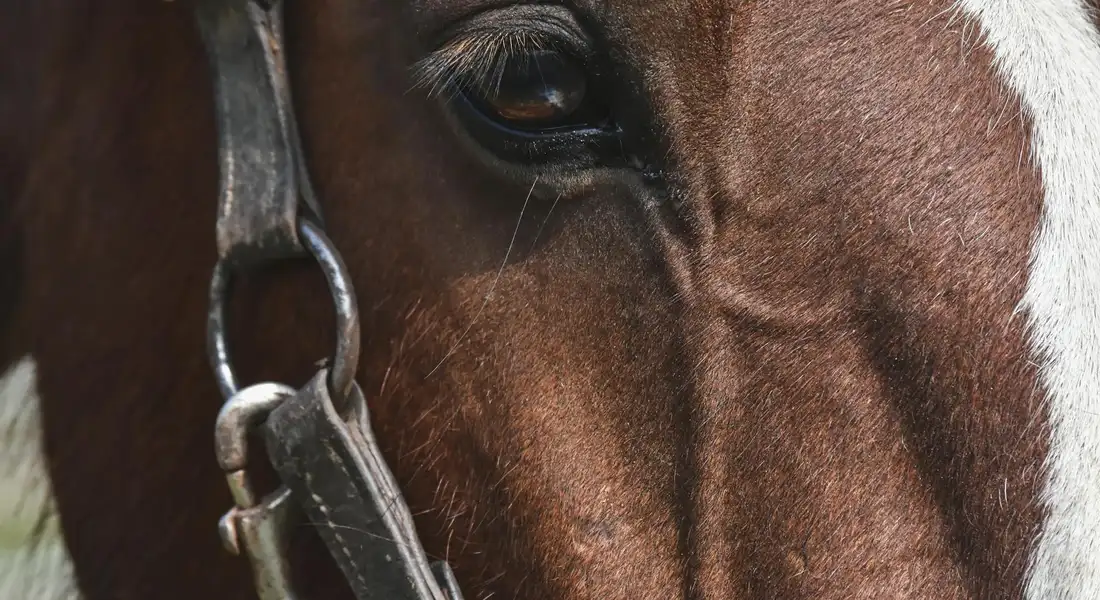
That new saddle smell fades, but the responsibility of care does not. I think of tack like a trusted truck; you change the oil regularly to avoid a blown engine on a backroad. Ignoring small maintenance tasks guarantees larger, costlier failures, often at the worst possible moment. Your budget must account for this ongoing stewardship.
Weekly Wipe-Downs and Yearly Overhauls
Every Saturday morning with my coffee, I wipe down Luna’s bridle. It’s a ritual. The leather feels cool and supple under my rag, telling me about our last sweaty ride. This isn’t just cleaning; it’s a diagnostic scan. A consistent weekly wipe-down catches cracked stitching or stiff leather before they become ride-ending emergencies.
Your weekly drill needs just a few items:
- A damp, clean cloth for removing sweat and dirt.
- A dedicated leather conditioner (I prefer a non-greasy formula for grip).
- A stiff brush for wool saddle pads.
- Your eyes and hands, checking every stitch and buckle.
The yearly overhaul is different. It’s the deep dive. I take a day each spring to disassemble everything. I pull the liners from helmets, fully oil saddle billets, and check every metal ring for wear. This annual ceremony is when you find the hidden threats, like a nearly worn-through stirrup leather or a rusting bit cheekpiece. For Pipin, our escape artist, I always find his halter has been rubbed thin from his favorite stall corner.
When to Call the Pro: Saddle Maker and Tack Shop Repairs
You can fix a loose buckle or condition dry leather. Some things demand an expert. The saddle’s tree-its internal frame-is the hill I will die on. If you even suspect a twist or break, like after a rough fall, stop using it. A compromised tree can cause permanent back damage, creating a sour horse that bucks or resists. Only a qualified saddle fitter or maker can assess it.
Here’s my rule of thumb for calling in reinforcements:
- Stitching: Any major seam, especially on girths, stirrup leathers, or bridle crowns, must be professionally re-stitched. My home job won’t hold when Rusty decides to spook at a puddle.
- Tree Work: Absolute professional domain. No exceptions.
- Specialized Gear: Repairs to rubber reins, molded bits, or high-tech synthetic saddles often need specific tools and adhesives your tack box lacks.
- Major Leather Reconstruction: Replacing a torn knee roll or a full panel is a craft, not a chore.
Building a relationship with a local saddler saves money and stress. They know your gear’s history. A good pro will tell you if a repair is cost-effective or if you’re throwing good money after bad.
When to Say Goodbye: Signs Your Tack Needs Replacing
Leather isn’t immortal, and synthetics fatigue. Sentiment is fine for photos, not for pressure points. Holding onto unsafe tack is a disservice to your horse. The most economical purchase is often the replacement that prevents a vet bill, especially when considering the care required for synthetic versus leather equipment.
The Feel Test: What Your Horse is Telling You
Your horse is the ultimate review panel. They vote with their body. A new head toss, pinned ears during girthing, or a reluctance to move forward can all be tack protests. I learned this with Luna; her sudden resistance to canter transitions traced back to a saddle pad that had compacted unevenly. Your horse’s behavior is the first and most reliable sign that equipment has failed. If this change isn’t explained by gear, you might want to check for lameness. In the next steps, you’ll learn how to tell if your horse is lame and what to do next.
Combine their feedback with these physical checks:
- Leather that won’t hold conditioner and feels brittle or cracked deep into the fiber is dried out beyond salvation.
- Metal that shows deep grooves or sharp edges, particularly on bits or buckles, will cut or bruise.
- Stitching that is frayed, discolored, or has lost its tension is a thread away from snapping.
- Synthetic materials that are hardened, peeled, or lost their elasticity are no longer performing their safety function.
Run your hands over every inch. Feel for thin spots, hard lumps, or uneven wear. Listen for tell-tale creaks that signal dry rivets or failing structure. If your gear fails the feel test, it’s time for an honorable retirement, not another patch job.
Smart Spending: Budgeting for Ongoing Replacement Costs
Viewing tack as a one-time purchase is like buying a car and never changing the oil. The real financial savvy comes from planning for the inevitable replacements. This isn’t about fear; it’s about smart, predictable budgeting that prevents panic spending.
Building Your Annual Tack Replacement Budget
Start by auditing your current kit. I do this every spring, laying everything out on a clean tarp. Feel the leather, inspect the stitching, check the hardware. Then, I build my budget in three tiers.
- Tier 1: Non-Negotiable Safety & Wear Items. This is your annual baseline fund. Budget for one new helmet (every 5 years or after any impact), a hoof pick, and your regular supply of leather cleaner/conditioner. Saddle pads and girths in heavy rotation last 1-3 years.
- Tier 2: The “Inspection-Dependent” Fund. This covers items that *might* need replacing based on your audit. Bridle reins and stirrup leathers see constant stress. Bits can wear or develop rough spots. Expect to replace these every 2-4 years with regular use.
- Tier 3: The “Dream & Upgrade” Slush Fund. This is for when a core item, like your saddle, finally needs a major overhaul or replacement, or you want to invest in a higher-quality piece. Setting aside a small amount monthly makes this a goal, not a crisis.
| Category | Typical Replacement Cycle | Annual Budget Tip |
|---|---|---|
| Helmet | 5 years or after a fall | Set aside 20% of the helmet’s cost each year. |
| Saddle Pad (Performance) | 1-3 years | Price divided by expected lifespan = yearly cost. |
| Leather Reins/Stirrup Leathers | 2-4 years | Inspect stitching monthly for early warning. |
| Bit | 3-5 years (with care) | Annual check for grooves, sharp edges, or corrosion. |
| Girth (Neoprene/Web) | 2-5 years | Watch for stretched elastic, frayed seams. |
Savings Without Sacrifice: Practical Stable Hacks
Being frugal isn’t about buying cheap gear; it’s about maximizing what you own. My barn motto is “clean, repair, repurpose.”
A quick wipe-down of bit and leather after every ride prevents corrosive sweat build-up that eats through material. Ten minutes of care post-ride can add years to your tack’s life, saving you hundreds in premature replacements. I keep a spray bottle of water and a soft rag right by the crossties. For regular cleaning, make sure to check out these tips on maintaining horse tack and blankets.
- Learn Basic Leather Repair. A saddle soap, conditioner, and a good leather needle/thread kit can fix torn billet guards or re-attach a keepers. For synthetic, a heavy-duty nylon thread and sailmaker’s needle are barn gold.
- Rotate Your Stock. Use two saddle pads, alternating them to allow each to fully dry and bounce back. This prevents matting and extends the life of both.
- Repurpose with Purpose. A worn-out rope halter becomes a handy hay net tie. An old, clean saddle pad makes excellent knee or hock padding for shipping. Get creative before you toss.
Factors That Speed Up or Slow Down Wear and Tear
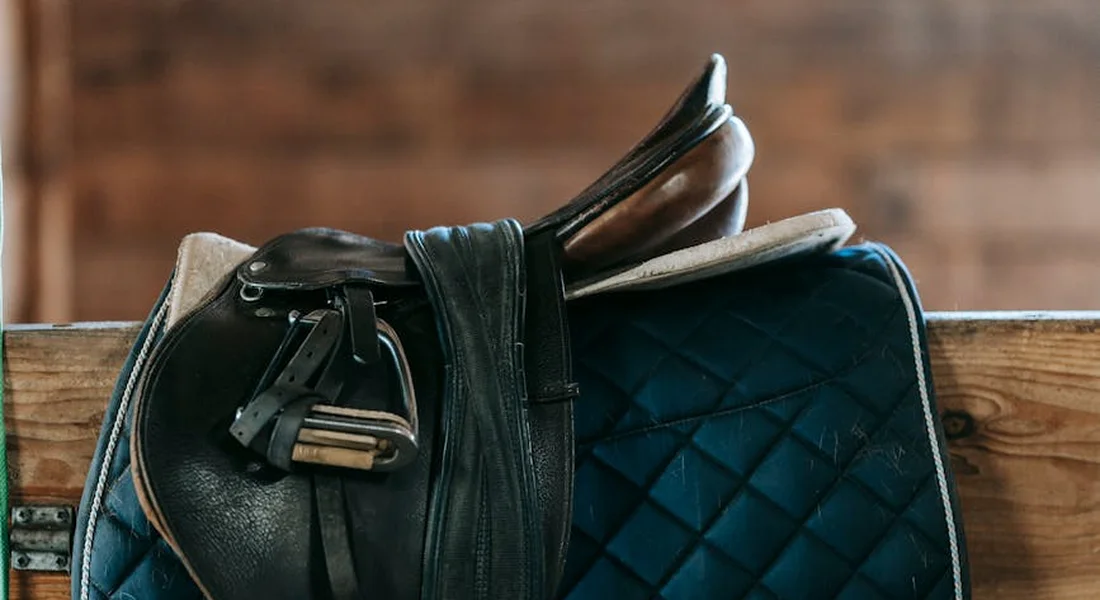
Two riders can buy the same bridle, and one will need a new one in three years while the other’s lasts a decade. The difference isn’t magic; it’s management and mileage.
Usage, Storage, and Environment
Think about the difference between a highway commuter car and a weekend joyride vehicle. A lesson program saddle used 5 times daily will wear out exponentially faster than a private owner’s. Acclimate your replacement timeline to your actual riding frequency and discipline-a barrel racer’s tack faces different stresses than a dressage rider’s.
- Storage is Everything. Tack left in a hot, humid tack room or a freezing cold trailer will rot, mildew, and crack. A simple, climate-controlled space is the best investment you can make.
- The Cleaning Conundrum. Hosing off a muddy saddle pad is good, but detergent residue breaks down fibers. Using harsh soap on leather strips its natural oils. Use products made for the specific material.
- Environmental Assaults. Constant sun bleaches and brittles. Dust dries out leather. I keep a light cotton cover over my saddle when it’s not in use, a simple barrier that makes a world of difference.
The Horse Factor: Conformation and Personality
Your horse is not a passive mannequin. Their very shape and spirit dictate how equipment wears.
Luna, my sensitive Thoroughbred, has a fine head and a tendency to toss it. Her bridle needs supple, lightweight leather that fits her delicate profile to avoid rubs, and the crownpiece stitching gets checked often. Pipin the pony, our cheeky escape artist, is why we use breakaway leather halters-they’re a designed sacrifice for safety. A horse’s individual way of moving, sweating, and even playing in the field directly impacts how long their gear will last. Understanding horse anatomy—jaw, poll, and neck musculature—helps explain why proper tack fit matters.
- Conformation: A wide-backed horse may put more torque on a girth billet. A high-withered horse can create uneven sweat patterns that degrade a saddle pad faster in one spot.
- Sweat Chemistry: Some horses have more acidic sweat that tarnishes hardware and degrades leather faster, requiring more immediate post-ride cleaning.
- Barn Behavior: The horse who rubs his face on the fence post after every ride will need browband replacements long before the polite one who stands quietly. Know your animal’s habits and plan accordingly.
Tack and Equipment Costs: Frequently Asked Questions
Are there any warranties or guarantees that affect replacement costs?
Warranties vary significantly by manufacturer and often cover material or workmanship defects, not normal wear and tear. A strong guarantee on a saddle tree or boot seam can delay replacement costs but rarely eliminates them forever. Always read the fine print, as these policies typically require proper care and often exclude items subjected to daily riding stress.
Are there any seasonal variations in replacement needs?
Yes, seasonal changes directly impact the wear rate on specific equipment. Heavy winter turnout blankets and waterproof sheets face their highest stress from harsh weather and pasture wear during colder, wetter months. Conversely, fly masks, light sheets, and sweat-wicking saddle pads see intensified use and frequent washing during hot summer months, accelerating their replacement timeline.
What is the total annual cost for replacing tack and equipment?
There is no single annual cost, as it depends entirely on your inventory’s age, quality, and how actively you ride. A realistic budget involves calculating the replacement cost of consumable items like pads and helmets, spread over their expected lifespan. For most recreational owners, setting aside $200-$500 annually for combined upkeep and phased replacements builds a responsible, stress-free fund.
A Sustainable Tack Strategy
View your initial tack purchase as a long-term investment in safety, not just an expense. Proactively budgeting for wear items like reins, girths, and stirrup leathers transforms sudden costs into expected, manageable line items. Plus, it complements understanding how much essential horse equipment and tack cost.
True horsemanship is found in the daily check of stitching and the quiet observation of your horse’s comfort. That soft nicker or easy movement is your best signal that your care—and your budget—are on the right track. It’s part of daily checking for signs of a healthy horse.
Further Reading & Sources
- How much does horse tack cost? (English + Western) – Horse Rookie
- Horse Tack, Equipment, & Supplies Online | StateLineTack
- How Much Does It Cost To Own a Horse? – Farm House Tack
- How Much does horse tack cost? Ranges and Considerations – Jeffers
At Horse and Hay, we are passionate about providing expert guidance on all aspects of horse care, from nutrition to wellness. Our team of equine specialists and veterinarians offer trusted advice on the best foods, supplements, and practices to keep your horse healthy and thriving. Whether you're a seasoned rider or new to equine care, we provide valuable insights into feeding, grooming, and overall well-being to ensure your horse lives its happiest, healthiest life.
Equipment