
Do Coyotes and Bears Attack Horses? A Practical Safety Guide
Hello fellow equestrians. That sudden chill when you hear a howl at dusk or spot a large track in the mud isn’t just imagination-it’s the real fear for your horse’s safety. The worry over a potential attack is heavy, mixing visions of emergency vet calls with the heartbreak of a harmed friend.
This guide cuts through the anxiety with clear, barn-tested strategies. I will cover how to realistically evaluate the threat level in your area, affordable ways to fortify fences and nighttime enclosures, the simple daily habits that deter curious predators, and the exact steps to take if a coyote or bear is sighted.
My advice comes from years of barn management and training, where protecting horses like my steady gelding Rusty from woodland threats was part of the daily chore routine.
Understanding the Actual Predator Threat
Let’s tackle that knot in your stomach directly. The thought of a predator harming your horse is a primal fear, but understanding the real risk helps you sleep better. Think of coyotes as opportunistic thieves-they’re looking for an easy meal, not a fight. Bears are more like powerful scavengers; they’re driven by hunger and curiosity, not a desire to hunt your horse. The biggest threats are not to your healthy adult horse, but to the vulnerable: foals, injured animals, or horses alone in the dark. Risk spikes when natural food is scarce, pushing wildlife closer to our barns. This fits into a broader look at natural predators of horses. It’s all part of a complete guide you can reference for safety and prevention.
Assess your specific situation. I walk my fence lines weekly, listening for the distant yip of coyotes and noting where the tree line meets the pasture. Here’s a quick list to gauge your local threat level:
- Your region: Are you in open ranchland, forested mountains, or suburban edges?
- Your herd: Do you have foals, older horses, or any animal with limited mobility?
- Your setup: Is turnout at night? How secure are your fences and feed rooms?
- Seasonal patterns: Is it spring fawn season or late fall when berries are gone?
Coyotes: Assessing the Nuisance Factor
A healthy, full-grown horse is a formidable creature, not a coyote’s preferred dinner. Their main danger is as a nuisance that can spook a herd into a fence. The real risk is to a foal, a sick horse, or a solitary animal in a poorly fenced area at dusk. I’ve watched our coyote pair skirt the treeline at twilight for years; they’re interested in mice, not my 1,200-pound Quarter Horse. Rusty might flick an ear, but Luna’s thoroughbred nerves jangle at their howls, reminding me that the stress they cause can be as real as any bite.
When Do Coyotes Pose a Real Danger?
Predation is a last, desperate resort for a coyote. True danger emerges under specific, high-pressure conditions. Keep a sharp eye during these times:
- Birthing season: New foals are incredibly vulnerable for their first few weeks.
- Drought or deep snow: When rodents and rabbits vanish, options shrink.
- Poor visibility: Fog, heavy rain, or darkness aids their approach.
- Isolation: A horse separated from the herd loses its best defense.
Bears: Unlikely but Potentially Catastrophic
While a bear attack on an adult horse is rare, the outcome can be devastating. Most encounters are about food, not predation. Black bears, common in many wooded areas, are typically shy but can be drawn by scent. Brown bears are far more powerful and unpredictable. A bear usually wants your grain bag, not your gelding, but a defensive encounter at a feed bin or a curious investigation can turn tragic in seconds. Their sheer power means even a swat can cause fatal injury.
Seasonal Patterns and Food Attraction
Bear activity revolves around their stomachs. In spring, they emerge hungry from dens. In fall, they enter hyperphagia, eating constantly to fatten up for winter. This drives them to seek calories wherever they can find them. Your first and most critical job is to make your barn a food-free zone for bears. That means airtight metal bins for grain, never leaving sweet feed out, and managing compost piles far from stalls.
I learned this after a tense week where a black bear raided a neighbor’s open trash. The smell of molasses-based feed is a powerful lure. Now, our grain is locked in a heavy bin, and Pipin’s pony pellets are never left in his bucket overnight.
Recognizing the Signs of a Wildlife Encounter
After a restless night with strange noises, don’t panic. Go detective. Walk the pasture at first light with a cup of coffee and a keen eye. The signs are often subtle but telling. Doing so helps you spot early signs of illness or injury in your horse. A careful, proactive eye can catch trouble before it worsens. A quiet, methodical inspection can tell you more than any game camera. Look for two categories of clues: on your horse and in their environment.
Physical Evidence on Your Horse
Check every horse calmly at morning feed. Run your hands over their legs, barrel, and hindquarters. Look for:
- Bite marks: Coyote bites are small, puncture-like, often on the lower legs or heels. Bear bites are much larger and crush tissue.
- Claw rakes: Parallel scrapes or deep cuts, indicative of a bear’s swat.
- Defensive wounds: Mud or hair on the front knees from a sudden, scrambling stop.
- Behavioral signs: Unexplained, extreme spookiness, or herd agitation that lingers. Luna, for instance, will stay wide-eyed and snorty for hours if something truly frightened her overnight.
Environmental Clues in the Pasture
The land tells a story. Look down and look around.
- Tracks: Coyote prints are small, dog-like, with claw marks. Bear tracks show five toes and a large pad.
- Scat: Coyote scat often contains hair and bone fragments. Bear scat is larger and may show berry seeds or grain hulls if they’ve been at your feed.
- Fence line clues: Tufts of coarse, guard hair snagged on a wire or post.
- Disturbances: Overturned water tubs, dug-up earth near fence posts, or broken branches at a certain height.
If you find something, document it safely with photos from a distance before disturbing the area. This helps wildlife authorities assess the situation without you getting too close. The thud of hooves moving nervously behind you is your cue to stay alert and give the animals space—it’s just one of those natural horse instincts kicking in.
Building Your First Line of Defense: Fencing and Barriers
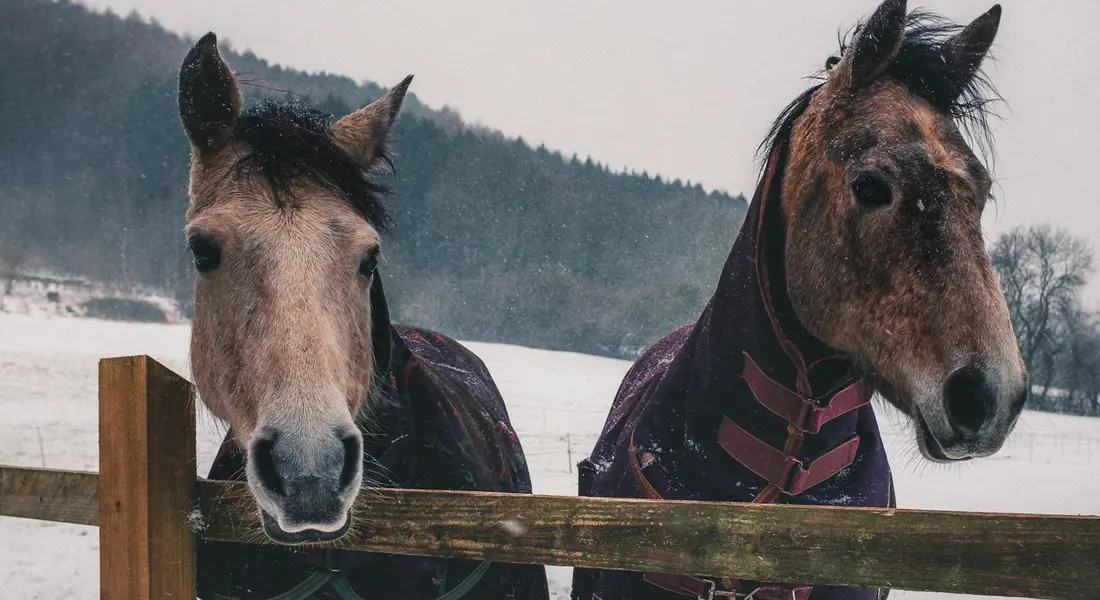
Think of your farm’s perimeter not as a boundary, but as a conversation with the wild. Your fencing tells coyotes and bears exactly how welcome they are. I learned this the hard way years ago when a determined coyote figured out the weak spot in a client’s picturesque but flimsy rail fence. A physical barrier is your most reliable, non-confrontational way to keep curious noses and hungry paws away from your herd. Let’s talk about making that barrier speak with authority.
Choosing and Maintaining Effective Fencing
That classic three-board oak fence might look perfect in a catalog, but it’s little more than a suggestion to a climbing bear or a determined canine. The gaps between boards are open invitations. For perimeter defense, I’ve switched almost entirely to two key systems: tightly woven wire mesh for a solid wall, and properly configured electric fencing for a psychological barrier. Woven wire is durable and provides a visual block, but it’s more expensive and can be damaged by leaning horses. Electric fencing is affordable and highly effective when installed correctly, playing on a predator’s learned caution. For horses, proper installation and ongoing maintenance keep the line safe and functional. Regular checks on voltage, height, and grounding are part of responsible horse fencing. Your monthly fence check is as vital as checking your horse’s water; skip it, and you’re gambling with safety.
- Walk the entire line, looking for sagging wires, broken insulators, or vegetation that could short the charge.
- Test the voltage at the furthest point from the charger with a quality fence tester-aim for at least 4,000 volts for predator deterrence.
- Check all gate handles and latches for rust or weakness, and ensure self-closing mechanisms actually work.
- Trim back any tree branches or bushes within three feet of the fence line to eliminate bridges or hiding spots.
The Critical Role of Electric Fencing
Electric fencing doesn’t hurt predators; it gives them a memorable reason to leave. The key is a strong, consistent jolt. I run a minimum of five strands for perimeter lines, spaced to deter both low-slung coyotes and reaching bears: one at 8 inches, another at 18 inches, and the top three between 24 and 48 inches high. Use a high-output energizer designed for long distances and keep the wire taut-that hum means business. Test your fence’s charge every single week without fail; a dead wire is worse than no wire at all because it creates a false sense of security, especially when it comes to horse fencing. My pony Pipin, the escape artist, taught me that lesson after he learned to lean on a ‘hot’ wire that had gone cold overnight.
Securing Shelters and Night Enclosures
A secure barn is a fortress when the sun goes down. I’ve seen a panicked horse kick through a rotten stall door, and I’ve found paw prints outside a loose latch. Start with doors: solid wood or metal, with hinges on the inside to prevent tampering. Use slide bolts or predator-proof latches that require opposable thumbs to open-raccoons are clever, but they can’t work a double-action bolt. Lighting is your silent sentry. Motion-activated lights around entrances and alleys startle nocturnal visitors and let you see what’s happening without flooding the paddocks with stress-inducing glare all night. The sudden click and blaze of light when I approach the feed room has spooked more than just me; it tells everything in the woods that this area is actively monitored.
Daily Management and Deterrent Practices
Protection isn’t just about hardware; it’s about habit. Your daily routine builds a layer of safety that predators find confusing and unwelcoming. It’s the difference between a free buffet and a well-guarded kitchen. After years of managing a barn near wooded conservation land, I’ve found consistency in these practices keeps the peace. Think of your farm not as isolated from nature, but as a managed part of it where you set the rules through calm, predictable actions.
Removing Wildlife Attractants
A clean farm is a quiet farm. Wildlife follows its nose, and the smells of grain, ripe fruit, or rotting compost are powerful lures. I store all sweet feed and pellets in galvanized metal bins with tight lids-the gnaw marks on an old plastic trash can were a sobering lesson. After the apple tree drops its fruit, I make a nightly sweep to collect the windfalls; bears remember food sources for years. Manage compost piles far from pens and turn them regularly. Simply keeping your grain room sealed and your aisles swept of stray hay does more to discourage casual visitors than any scarecrow. Luna’s sensitive nose would twitch at the faintest scent of raccoon, reminding me that if she can smell them, they can smell her dinner.
Strategic Supervision and Herd Management
There is safety in numbers, and predators know it. A lone horse in a back forty is a target; a herd is a defensive unit with multiple sets of ears, eyes, and hooves. I always bring my guys in from distant pastures before dusk, especially the more vulnerable ones. Horses are social animals and do best with companions within stable herd dynamics. Strong herd bonds help them read signals and stay calmer. Rusty, my steady Quarter Horse, acts as a sentinel for the more flighty Luna when they’re out together. Make your last pasture check of the day a slow, observant walk, listening for unusual silence or alarm calls from birds that can signal a predator’s presence. If you must leave a horse out overnight, ensure it’s with at least one calm buddy and in a smaller, well-fenced paddock close to lights and activity.
Using Scare Devices and Alarms
Non-lethal deterrents work by exploiting a predator’s neophobia-the fear of new things. The trick is to keep them guessing. A radio tuned to a talk station left on in the barn can mask sounds and present a human presence. Reflective tape fluttering in fences creates disorienting flashes. Motion-activated sprinklers are brilliant for gardens and around water troughs. You must rotate these tactics every few weeks, as a coyote that hears the same static for a month will soon learn it’s meaningless noise. I used a combination of flashing LED lights and a portable radio for a while near our compost area, and the sudden changes in routine kept the foxes curious but distant. It’s about managing their comfort, not declaring war.
Emergency Response: If an Attack Occurs

Finding your horse after a predator encounter is a heart-stopping moment. Your actions in the next few minutes are critical. Stay calm and methodical to keep everyone safe and get your horse the help they need without delay. I’ve had my share of midnight barn checks with a racing heart, listening for anything out of place, and this protocol is what I rely on.
Step-by-Step Immediate Actions
- Secure Your Own Safety First. Do not run toward the scene if you see or hear a predator. A coyote or bear defending a meal is extremely dangerous. Back away slowly and give them a wide berth.
- Calm and Contain Your Horse. Once the coast is clear, approach your horse slowly with a soothing voice. Lead them to a secure stall or small paddock where they feel safe. Keep your movements predictable to avoid spooking them further.
- Call Your Veterinarian Immediately. Explain it was a predator attack. This triggers specific concerns about deep puncture wounds and potential rabies exposure. Do not attempt to clean deep wounds yourself; you might push bacteria deeper.
- Document Everything for Authorities. Take photos of the scene, any tracks, and the horse’s injuries. Contact your local wildlife agency or sheriff’s department to file a report. This helps track predator activity and protects your neighbors.
Post-Attack Veterinary Care and Monitoring
Your vet will focus on three things: fixing the damage, preventing disease, and managing shock. Expect a thorough flush of all wounds, a tetanus booster, and likely a course of antibiotics to combat infection from predatory bacteria. The smell of antiseptic and the soft nicker of a horse in pain is a sound I know too well, especially when providing ongoing veterinary care for horses.
Your job at home begins when the vet leaves. Monitor the wound site for heat, swelling, or pus. Change bandages as directed. Watch your horse’s behavior even more closely than their physical wounds; a previously bold horse like Pipin can become jumpy, while a sensitive soul like Luna might shut down. This steady at-home care also supports recovery from injury or surgery when you follow your vet’s rehab plan. Staying attuned to behavior and comfort helps you spot progress or setbacks early. Allow them extra turnout with a calm buddy for reassurance, as movement and companionship are powerful healers.
Long-Term Coexistence with Wildlife
We share this land with wildlife, and our goal is smart deterrence, not eradication. Creating a safe space for your herd is about making your property less inviting than the wild areas around it. It’s about respecting the bear’s need for water and the coyote’s hunger, while firmly drawing a boundary at your fence line.
Humane Deterrence and Habitat Modification
Think like a predator. A brush pile near a fence is perfect cover for a coyote to lie in wait. Keep a clean perimeter by mowing and removing brush at least 30 feet from all fences, making predators feel exposed. Secure all grain bins and compost piles far from the barn. If you have a pond or creek, consider fencing it so horses can drink but bears aren’t drawn to a swimming hole right in your pasture.
Talk to your fellow boarders and neighbors. A community that reports sightings to wildlife agencies creates a valuable map of predator movement, helping everyone stay alert. I once coordinated with three nearby farms after a bear sighting, and we all adjusted our evening check times for safety.
Safety Gear for You and Your Herd
Your personal safety kit is non-negotiable for dusk or dawn checks. Carry a high-lumen flashlight to scan pastures and identify glowing eyes at a distance, a can of bear spray worn on your hip for immediate defense, and a fully charged phone. The goal is to see a potential threat long before it sees you, and to have a way to deter it without a confrontation. For your herd, a simple bell on a pasture mate can sometimes disrupt a predator’s stealthy approach.
FAQ: Do Coyotes and Bears Attack Horses? (Safety Guide)
Do coyotes attack horses?
Yes, but such attacks on healthy adult horses are extremely rare. Coyotes pose a real threat primarily to vulnerable animals like foals, sick individuals, or isolated horses. The main danger is often the panic and injury they can cause by spooking an entire herd.
Will coyotes attack horses at night?
Coyotes, being nocturnal, are more active and bold under cover of darkness. This does increase the risk of an encounter, as darkness aids their stealthy approach to investigate or target a vulnerable animal. Ensuring horses are in secure, well-lit night enclosures is a key preventative measure discussed in the guide.
Are horses a common target for coyotes?
No, horses are not a preferred or common target for coyotes. These predators are opportunistic and typically seek much smaller prey like rodents and rabbits. A healthy, full-grown horse’s size and defensive capabilities make it an unappealing and risky prospect for a coyote.
Building a Routine for Peace of Mind
Your best defense layers secure, visible fencing with diligent barn hygiene to avoid inviting trouble. Establishing a non-negotiable habit of bringing your herd into a stout shelter at dusk dramatically reduces the chance of a dangerous encounter. Adding a sturdy, shaded shelter provides your horses with a safe, predictable space to regroup at dusk. Building that shelter with safety in mind supports shade for your horse and smoother evening handling.
Your horse’s snort or pinned ears are valuable data—pay attention to what they’re telling you about their surroundings. Good stewardship is a daily practice of observation and proactive care that keeps your partner feeling safe. This is essential for understanding horse behavior and psychology.
Further Reading & Sources
- Protecting Your Horse Property from Wildlife Predators – The Horse
- Coyotes & Horses: Should I Worry About Attacks? – Horse Rookie
- Protecting Horses Against Coyote and Night Predator Attacks | Nite Guard
- Coyotes and horses. Should I be worried? | The Horse Forum
At Horse and Hay, we are passionate about providing expert guidance on all aspects of horse care, from nutrition to wellness. Our team of equine specialists and veterinarians offer trusted advice on the best foods, supplements, and practices to keep your horse healthy and thriving. Whether you're a seasoned rider or new to equine care, we provide valuable insights into feeding, grooming, and overall well-being to ensure your horse lives its happiest, healthiest life.
Behavior