
How to Build and Install Horse Fencing: A Complete Guide
Published on: February 2, 2026 | Last Updated: February 2, 2026
Written By: Henry Wellington
Hello fellow equestrians! Does the thought of your horse catching a leg on a loose staple or testing a weak rail keep you up at night? I’ve felt that same chill, watching the rain beat down on a fence line I wasn’t sure would hold.
This guide will fix that. We’ll cover the entire process, breaking it into manageable steps you can trust. You’ll get clear advice on:
- Selecting durable, safe materials that match your horse’s personality and your land.
- Planning a layout that encourages movement and safe herd dynamics.
- Setting posts correctly so they stand firm through seasons of mud and freeze.
- Installing rails or wire with proper tension to prevent sagging or dangerous snaps.
- Adding critical visibility markers to stop high-spirited charges before they start.
I’ve built and maintained miles of fencing over my years as a barn manager, crafting secure spaces for every type, from Luna’s thoroughbred sensitivity to Pipin’s pony ingenuity.
Why Your Horse’s Fence is More Than a Boundary
Think of your pasture fence not as a wall, but as the first line of defense in your horse’s daily well-being. I’ve watched Luna spook at a plastic bag and Pipin scheme his next great escape; a good fence is what lets me sleep at night. That means more than wires and posts—it means shaping a safe, enriching environment for your horse. When the space supports calm, predictable movement, you and your horse can focus on training, grazing, and enrichment without constant worry. A proper fence does more than contain-it protects, defines safe movement, and reduces stress for both horse and human.
That rhythmic thud of hooves during turnout is the sound of equine happiness, and the right fencing makes that possible. A visible, sturdy barrier teaches horses where their world ends, preventing the frantic pacing and fence-walking I’ve seen in poorly defined spaces. Your fence choice directly impacts your horse’s mental health by creating a secure environment where they can truly relax—be it a traditional fence or an electric one.
From personal blunders, I learned the hard way that a fence is also a training tool. A safe fence line means you can work with a young or nervous horse in the open without constant containment struggle. Investing in the right fence is a cornerstone of gentle horsemanship, allowing for freedom while minimizing risk of injury. To translate that into practice, start with gradual exposure at a safe distance when introducing a horse to a new fence, and reward calm behavior. This steady, stepwise approach helps them accept the fence without unnecessary stress.
Choosing Your Fence Material: A Side-by-Side Comparison
Picking fencing isn’t about finding the prettiest option, but the safest partner for your horse’s habits and your budget. Let’s break down the common choices, from the classic wood rail to modern electric tape. We’ll explore the best types of fencing for horses, pros and cons to help you weigh safety and practicality. That way, you can compare options with clarity before deciding. Your final decision should balance visibility, durability, maintenance, and, above all, the safety of your specific herd.
Wooden Rail Fencing: The Classic Pasture Look
Nothing beats the smell of fresh-cut pine and the crisp look of painted rails. Wood is traditional for a reason-it’s highly visible and provides a solid physical barrier. For a steady horse like Rusty, wooden fencing offers a clear, “no-go” zone that he respects without testing.
But wood demands commitment. It can splinter, rot, and horses will chew it. You’ll be replacing boards and resetting posts every few years. Always use rounded edges or board caps to prevent dangerous splinters that can cause deep chest and leg wounds.
- Best For: Permanent pastures, owners who don’t mind annual maintenance, and areas where a traditional aesthetic is desired.
- Watch Out: Use hardwoods or treated pine to resist chewing; avoid sharp corners or loose nails.
Vinyl Fencing: The Low-Maintenance Contender
Vinyl fencing mimics wood but swaps the upkeep for a higher upfront cost. It won’t rot, splinter, or need painting, which is a blessing for busy barns. Its smooth surface is gentler on a horse’s hide if they rub against it, and most types are highly visible.
In cold climates, vinyl can become brittle and crack on impact. I’ve seen a section shatter when a playful colt ran into it. Ensure you buy equine-specific, heavy-duty vinyl designed to withstand impact and UV damage without becoming dangerously fragile.
- Best For: Owners seeking a “set it and forget it” solution, or those in areas with high moisture that rots wood quickly.
- Watch Out: Quality varies wildly; cheap vinyl is a safety hazard. Invest in thick, reinforced rails.
Electric Fencing: The Flexible and Forgiving Option
Electric fencing is the ultimate teacher. It provides a psychological barrier rather than a physical one, which can be safer for high-energy horses. The soft “pop” and momentary sting teach respect without causing real harm. This is my go-to for creating temporary paddocks or for sensitive horses like Luna, as it gives on impact, reducing the risk of serious injury compared to other hazards like rattlesnake bites.
It requires consistent monitoring. A fallen branch or overgrown grass can drain the charge. Always use wide, tape-style electric fencing for better visibility, never thin wire, which horses cannot see and can become entangled in.
- Use a powerful, reliable energizer.
- Maintain a clear vegetation-free zone under the tape.
- Train horses to the fence with flags before turning the power on.
Wire and Mesh Fencing: What to Use (And What to Avoid)
This category requires extreme caution. Standard farm field fencing or barbed wire has no place in a horse pasture. Barbed wire is designed to injure and can cause horrific, tearing wounds that require extensive veterinary care. I’ve helped rehabilitate a horse tangled in it; the experience is a stark warning.
Safer options include woven wire mesh with small, square openings (no larger than 2″ x 4″) or high-tensile smooth wire. If you use wire mesh, the top must be capped with a board or rail to prevent horses from reaching over and getting caught.
- Safe to Use: Heavy-gauge, non-climb horse mesh with a top rail. High-tensile smooth wire, kept very tight and used with a visible electric strand.
- Always Avoid: Barbed wire, chicken wire, or any fencing with large, V-shaped openings that can trap a hoof.
| Material | Key Advantage | Biggest Drawback | Ideal Horse |
|---|---|---|---|
| Wooden Rail | High visibility, solid barrier | High maintenance, can splinter | Calm, established herd |
| Vinyl | Very low maintenance | High cost; can crack in cold | All types, with quality purchase |
| Electric | Flexible, forgiving on impact | Requires daily checks | Trainable, energetic, or temporary groups |
| Wire Mesh | Secure, no hoof traps | Must have top rail for safety | Ponies or horses prone to pushing boundaries |
Planning and Designing Your Paddock Layout
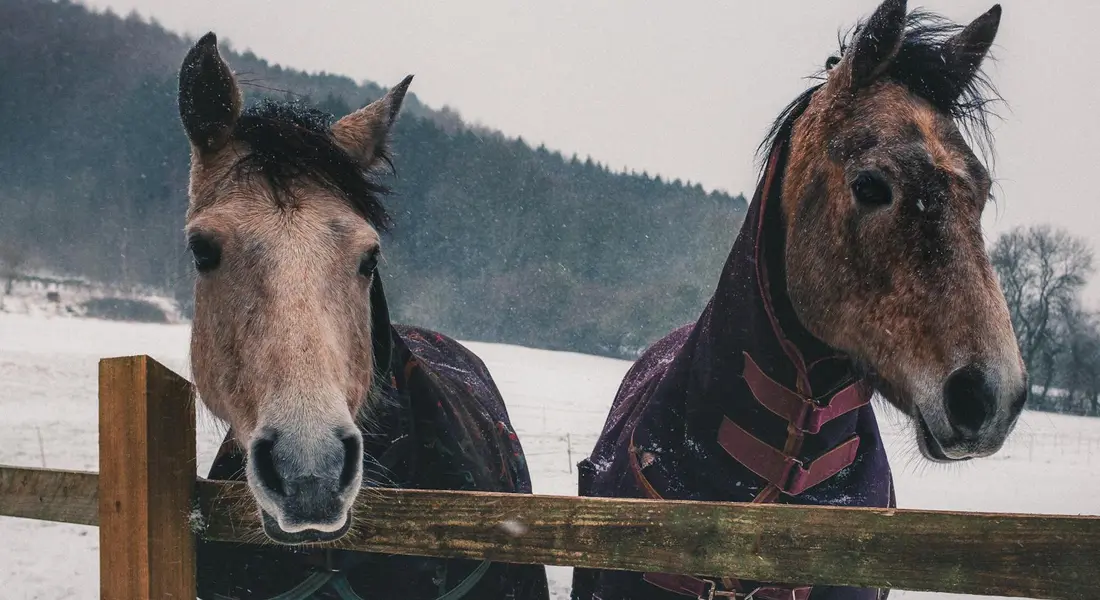
Good fencing starts with a smart plan. Think about how your horses move, graze, and interact. I sketch my layouts in a battered notebook, accounting for shade, water access, and the roll of the land. A well-designed paddock prevents bored horses from inventing trouble and encourages peaceful herd dynamics. This ties into designing a safe, effective horse pasture. In the next steps, we’ll cover practical design and safety considerations.
Post Selection, Spacing, and Bracing Basics
Your posts are the skeleton of the fence. For perimeter lines, I always use durable wooden posts or driven steel T-posts. The spacing depends on your rail material. For wooden boards, space posts 8 to 10 feet apart. For electric tape or wire, you can stretch it to 12 or 15 feet. Closer spacing creates a stronger, safer barrier for horses who lean or play rough, like Luna when she’s feeling fresh.
Bracing isn’t optional-it’s your fence’s insurance policy. Every corner and gate end needs a solid H-brace or diagonal brace. I learned this after a storm loosened an unbraced corner post; Rusty spent a tense hour wandering the driveway before we coaxed him back with apples. Use robust lumber and galvanized steel braces to handle constant tension.
- Post Types: Treated wood for corners, steel T-posts for line posts.
- Spacing Rule: Tighter spacing for board fences, wider for flexible electric.
- Bracing Must-Have: Install H-braces at all corners and where gates attach.
Gate Installation: The High-Traffic Zone
Gates see the most action and wear. Install them on level ground in a spot that makes bringing horses in or moving equipment easy. A width of 12 to 16 feet is practical for tractors and nervous horses moving together. I use heavy-duty tubular steel gates with adjustable hinges. Always hang the gate so it opens inward, away from the pasture, to prevent clever ponies like Pipin from lifting it off its hinges.
The latch mechanism is critical. Choose a horse-proof latch that you can operate with one hand while holding a lead rope. I’ve had to rewire more than one quick-release latch that Pipin learned to slide open with his teeth. Secure all hardware with lock washers or nuts to stop screws from vibrating loose over time.
The Step-by-Step Fence Installation Process
Take your time here. Rushing leads to wobbly posts and future headaches. I lay out all my tools-post hole digger, level, staples, wire stretcher-before I start, with a thermos of coffee close by. The goal is a fence that feels solid when a horse bumps it, giving them confidence and keeping them safe.
Step 1: Laying Out Your Lines and Setting Posts
Use string lines and stakes to mark your fence line clearly. For corner posts, dig holes about one-third the length of the post plus 6 inches for gravel drainage. For line posts, a manual post driver for T-posts is faster than digging. Setting posts plumb and at a consistent height is non-negotiable; a leaning post weakens the entire line. Backfill holes with soil, tamping it down firmly every few inches to eliminate air pockets.
- Mark your perimeter with string and stakes.
- Dig corner post holes deep (2.5 to 3 feet for a 8-foot post).
- Set posts, check for plumb with a level, and backfill tightly.
- Drive in line posts along the string guide.
Step 2: Attaching Rails and Installing the Barrier
Whether you’re using wooden boards, PVC, or electric tape, start at a corner. Pull rails taut but not drum-tight; they need to flex slightly. Space rails appropriately-for boards, I keep the bottom rail 18 inches off the ground to prevent legs from getting trapped. Use galvanized staples or screws, and never face nail points outward where they can snag skin or hide a sharp edge. For electric fencing, ensure insulators are properly seated on posts before threading the tape.
I always do a “lean test” as I go, applying pressure to mimic a horse pushing against it. If it gives too easily, add a line post or tighten the bracing. The satisfying thud of a solid rail meeting a post means you’re on the right track.
Step 3: Installing the Energizer for Electric Fences
The energizer, or charger, is the heart of an electric fence. Mount it in a dry, ventilated location away from the paddock, like on a barn wall. Drive a dedicated grounding rod at least 10 feet from the energizer and other ground sources. A poorly grounded system is useless; you need at least three feet of rod in damp soil for a reliable circuit. Run the hot wire from the energizer to the fence, using insulated lead-out wire for any buried sections.
Test the voltage with a fence tester-you want a consistent 3000-5000 volts to teach respect without being harsh. I check mine weekly, as overgrown grass touching the wire can drain power. Remember, an electric fence is a psychological barrier, not a physical one, so it must be consistently “hot” to keep curious noses like Luna’s safe and back from the tape.
Ongoing Fence Maintenance and Safety Checks
Think of your fence like a trusted pair of boots-it needs regular cleaning and a keen eye for wear to keep doing its job. A quiet fence is a safe fence, and the moment you stop listening for its creaks and groans is when trouble starts.
The Non-Negotiable Weekly Walk
Grab your gloves and walk the entire line every seven days. This isn’t just inspection; it’s bonding with your property. Your goal is to find problems before your horse does, because they absolutely will test every inch.
Look for these common issues on your route:
- Wood rails with new cracks or splinters, especially after weather changes.
- Loose, missing, or rusting fasteners that can tear skin or blankets.
- Electric tape or wire that has lost tension, sagging into a potential trap.
- Posts that have shifted or started leaning, a sure sign of softening ground.
- Gates that drag or have latches becoming sticky or loose.
I keep a bucket with basic tools by my back door. Fixing a wobbly post or a sprung latch immediately is the difference between a five-minute chore and a midnight emergency call.
Seasonal Tasks for Lasting Security
Each season demands a specific focus to stay ahead of damage.
Spring Thaw and Growth
Check for frost heaves that push posts up. Cut back spring weeds that can hide rot or short out electric lines. This is the time to reset any posts that winter loosened, ensuring a solid foundation for the year ahead.
Summer Sun and Storms
Inspect for UV damage on plastics and faded, brittle wood. After any heavy wind or rain, walk the line again. I learned this the hard way when a storm dropped a branch on Luna’s fence, and her thoroughbred nerves needed a full day to settle.
Fall Cleanup
Remove leaf litter and debris piled against wooden rails to prevent moisture rot. Test electric fence chargers with a meter, as falling foliage can drain their power. A clean fence line in fall prevents a rotten mess in spring.
Winter Vigilance
Look for ice damage or signs of chewing from bored horses. Snow can obscure broken rails or wire. Salt and moisture are a brutal combination, so pay extra attention to metal hardware and gate hinges during this season.
The “Hoof, Hide, and Height” Safety Audit
Every few months, audit your fence from your horse’s perspective. Get on your knees and look. Can a hoof get caught in a gap? Is there a sharp edge at hide level? A quick audit can show where to improve and help prevent common fencing injuries. Your fencing should contain, not injure, promoting the gentle horsemanship that comes from a secure environment.
My checklist includes:
- No openings wider than four inches to prevent hoof entrapment.
- Smooth, rounded tops on all rails and posts.
- Secure, capped ends on all wires and tapes.
- A clear, debris-free ground line to discourage pawing and digging.
Rusty’s old scar is a constant reminder; a single exposed nail head taught me to check every connection point twice.
Realistic Cost Estimates and DIY vs. Professional Help
Let’s talk numbers without sugarcoating it. Fencing is a major investment, but smart planning prevents budget blowouts. Skimping on materials or installation is a false economy that your horse’s legs will pay for later.
Material Costs: What You’ll Pay at the Yard
Prices swing based on location and quality, but here’s a realistic snapshot per linear foot for materials alone.
| Fence Type | Low-End Cost | High-End Cost | Best For |
|---|---|---|---|
| Pressure-Treated Wood Rail | $10 | $25 | Traditional looks, but needs staining and repair. |
| Vinyl/PVC | $18 | $40 | Low upkeep, though initial cost is high. |
| Electric Polytape | $3 | $8 | Temporary or interior paddocks, requires charger. |
| No-Climb Mesh Wire | $6 | $15 | Maximum safety for foals or anxious horses. |
Always add 15% to your material total for waste, breakage, and those “oops” moments during installation. For a simple 200-foot run, even basic wood can easily cross $2,000 before you dig the first hole.
DIY: The Sweat Equity Calculation
Taking the project on yourself saves labor costs but demands honest self-assessment.
You are a good DIY candidate if you have steady hands, patience, and a friend willing to wrestle posts for a weekend.
Your upfront savings must cover:
- Tool rental or purchase (post hole digger, level, saw).
- Your valuable time-a small paddock can take two able-bodied people a full week.
- Potential mistakes, like setting a post off-line or cutting rails too short.
I built my first small corral myself. The thud of setting those final posts myself was satisfying, but I also remember the blistering realization that my lines weren’t quite straight.
Hiring Professionals: When to Write the Check
There is no shame in calling a crew. In fact, for many situations, it’s the wisest choice for safety and longevity.
Bring in pros for steep hills, rocky soil, or long continuous runs where precision and speed are critical.
Their quote includes expertise your horse relies on:
- Proper post spacing and depth for your soil type.
- Perfect tension on wire or tape systems.
- Clean, secure connections that won’t fail under pressure.
- A finished product that often comes with a workmanship guarantee.
For Luna’s paddock, I hired out. Their crew installed in three days what would have taken me a month, and I sleep better knowing her high-strung nature is met with absolute barrier integrity.
The True Cost of Ownership
Look beyond the initial invoice. Factor in the long-term care each type demands.
- Wood needs staining or sealing every few years.
- Vinyl may need occasional washing and checking for brittle spots.
- Electric fences demand weekly charger checks and vegetation control.
- All fences require the ongoing maintenance checks we just discussed.
Choosing your fence is a commitment to a decade of care, so pick the material and method that matches your time, budget, and your horse’s personality. Pipin’s fencing, for instance, is a professional-grade mesh—his clever mind deserves no less than a fortress. Make sure to consider your horse’s breed and temperament when selecting a fence.
FAQ: How to Build and Install Horse Fencing
How can I find reliable professionals for horse fence installation in my area?
Start by asking for referrals from local equestrian communities, veterinarians, or farm supply stores. Search online for licensed and insured contractors with specific experience in equine fencing and safety standards. Always check reviews, request references, and inspect their previous installations to ensure quality and reliability.
What factors influence the total cost of installing horse fencing?
The primary factors include material type, fence length, terrain complexity, and labor costs if hiring professionals. Additional expenses can arise from gates, hardware, site preparation like grading or clearing, and regional price variations for supplies. Obtaining detailed quotes from multiple installers helps you understand cost breakdowns and avoid unexpected charges.
Are there special considerations for installing vinyl horse fencing?
Vinyl fencing requires careful post setting to maintain alignment and prevent warping, often using concrete for stability. Follow manufacturer specifications for rail spacing and use compatible, UV-resistant fasteners to avoid degradation. Account for thermal expansion and contraction by allowing slight movement in rails, and ensure smooth, secure connections to prevent sharp edges.
A Fence That Lasts (And Keeps Your Horse Safe)
Your fencing choice must prioritize safety over aesthetics, starting with a solid plan and the right, horse-specific materials. Your most important job isn’t the initial build, but the commitment to walk the line daily, catching a loose board or a single stray wire before your horse does. Even the best installation can fail if not maintained properly.
View your fence not as a barrier, but as a key part of your horse’s safe home, meant to work with their nature, not against it. The true test of your work is watching your horse move quietly alongside it, trusting their space is secure. As you plan a safe turnout area fencing layout, keep this harmony in mind. A thoughtful layout supports calm movement and secure space.
Further Reading & Sources
- Types of Horse Fencing: Cost Comparison Based on Materials
- Horse Fencing Installation
- Horse Fence – akfencing
- Horse Fencing – Horse Fencing
At Horse and Hay, we are passionate about providing expert guidance on all aspects of horse care, from nutrition to wellness. Our team of equine specialists and veterinarians offer trusted advice on the best foods, supplements, and practices to keep your horse healthy and thriving. Whether you're a seasoned rider or new to equine care, we provide valuable insights into feeding, grooming, and overall well-being to ensure your horse lives its happiest, healthiest life.
Equipment