
How to Create a Daily Horse Care Checklist
Published on: February 10, 2026 | Last Updated: February 10, 2026
Written By: Henry Wellington
Hello fellow equestrians. Juggling feed, turnout, and health checks can leave you wondering if you forgot something crucial. That nagging worry about a missed symptom or an empty water bucket is real, and I’ve seen how it can lead to preventable stress, behavioral issues, and yes, those staggering vet bills.
Let’s build a simple, effective daily routine that eliminates the guesswork. In this guide, I’ll show you how to craft a checklist that ensures nothing slips through the cracks, covering:
- Structuring fail-safe morning and evening routines around your horse’s natural rhythms.
- Performing the five-minute health scan that catches problems before they escalate.
- Balancing feed, forage, and water to support a healthy digestive system.
- Making hoof picking and grooming a non-negotiable bonding ritual.
- Guaranteeing adequate turnout and movement, because a stalled horse is often an unhappy horse.
Drawing from years of barn management and training everything from steady Rusty to sensitive Luna, I know a solid routine is the foundation of equine welfare.
Why Bother With a Daily Horse Care Checklist?
-
A checklist is your barn blueprint. It prevents missed tasks like refilling water or skipping hoof checks, turning a chaotic morning into a smooth, time-saving routine. Also, a first aid kit audit checklist—30 must-have items for your barn—helps you stay prepared. Pairing it with your daily checks keeps emergencies from catching you off guard.
-
I rely on mine for early problem spotting. With Luna, my sharp Thoroughbred, a checklist had me feeling her legs daily; I once caught a subtle heat in her tendon before she even went lame.
-
This routine reduces mental clutter. When tasks are on paper, you can relax into the rhythm of the barn-the smell of fresh hay and the soft thud of hooves on bedding become your focus, not your frazzle.
The Core Daily Tasks: Your Non-Negotiable Routine
Feed, Water, and Vital Signs: The Morning Health Scan
-
Follow a set order every morning. Water first, then hay, then grain, and finally any supplements-this sequence supports natural digestion and ensures hydration is prioritized.
I scrub Rusty’s bucket at dawn; hearing his deep, satisfied drink tells me all is well. Always offer forage before concentrates to keep that gut moving.
-
Learn to gauge vital signs quickly. Know your horse’s normal temperature, pulse, and respiration (TPR) by checking during quiet moments, like after they start eating. Having a baseline lets you quickly tell when a number isn’t right. It also clarifies what ‘normal’ looks like for your horse’s temperature, heart rate, and breathing.
Rusty’s normal pulse is 36; a faster beat prompts me to look deeper. Place your hand on the chest or under the jaw to feel the heartbeat, and watch the flank for breaths.
-
Make health observation a daily habit. Bright eyes, clean nostrils, and consistent manure are your quick, visual reports on well-being.
Dry manure balls once alerted me to Pipin’s sneaky water bucket boycott. A change in droppings is often the first and clearest sign of digestive upset.
Thorough Grooming and Hoof Picking: The Hands-On Check
-
Groom with a sequence from head to tail. Start with a curry comb in circles to loosen dirt, enjoying the rhythmic scritch-scritch against the coat.
Follow with a dandy brush, then a soft brush for shine. Detangle manes and tails gently to prevent breakage and build trust through touch.
-
Pick hooves every single day. Clean from heel to toe, clearing the frog and checking for packed stones or the black, smelly signs of thrush.
I cue Pipin with “pick up,” rewarding him for a calm lift. The feel of a clean, solid hoof wall in your palm is a daily reassurance of soundness.
-
Use grooming as a full-body health scan. Your hands will notice new lumps, heat in legs, or sensitive spots long before your eyes do.
Finding a small bump on Luna’s barrel during brushing led to an early vet call. This hands-on time is your best defense against silent issues.
Exercise, Pasture, and Tack Safety
-
Plan and log daily movement. Note turnout time, ridden work, or even hand-walking to ensure consistent exercise that matches your horse’s energy and needs. A healthy exercise turnout schedule for your horse helps balance activity and rest for long-term soundness.
Luna needs daily movement to stay sane; a brisk walk counts. Consistent turnout is a cornerstone of equine welfare and mental health.
-
Inspect pastures for hazards daily. Walk fence lines for breaks, holes, or toxic plants like ragwort, which can pop up overnight.
I once found a dangerous hole near Rusty’s favorite roll spot. A daily visual sweep prevents most pasture-related injuries.
-
Examine tack for wear before and after use. Check stitching on bridles and girths, look for cracked leather on saddles, and wipe off sweat and dirt to prolong gear life.
The creak of well-maintained leather is a sound of safety. Failing tack is a preventable accident waiting to happen.
-
Adapt to the seasons without fail. In winter, feel under blankets for dampness; in summer, apply fly spray and check masks for fit and function.
Daily fly control keeps horses from stomping themselves sore. Comfort today prevents problems tomorrow, especially when you manage flies and pests on your horse.
Stall and Bedding: The Evening Clean-Up
-
Clean stalls thoroughly each evening. Remove all wet and soiled bedding, then add fresh material to create a dry, level, and cushioning surface for resting.
I listen for the thud of clean shavings hitting the floor. A dry stall is a basic right, not a luxury, for any stabled horse. The floor you choose matters as much as the bedding, especially when weighing stall materials. A quick look at best flooring horse stall materials compared can guide your choices toward dryness and easy maintenance.
-
Link cleanliness directly to health. Ammonia from urine irritates airways, while damp bedding softens hooves and breeds thrush and bacteria.
Deep, dry bedding lets Pipin nest safely. Your horse’s respiratory and hoof health are directly tied to the quality of their bedding.
Making It Yours: How to Customize Your Checklist
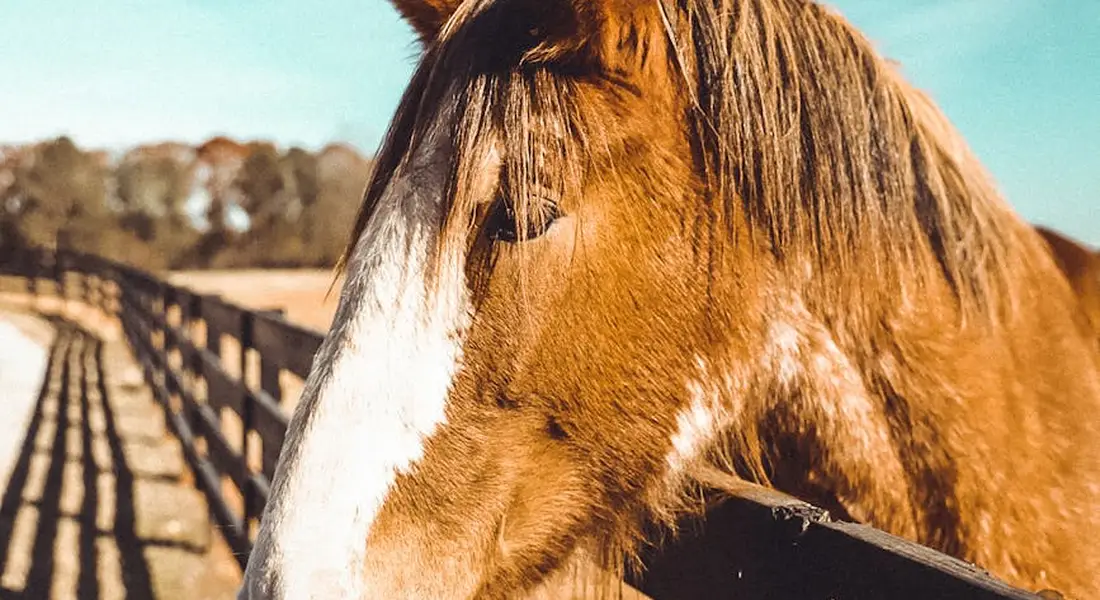
A checklist is a framework, not a prison. The magic happens when you mold it to fit the singular creature munching hay in front of you. My barn is proof: what works for stoic Rusty would send sensitive Luna into a tizzy and be utterly ignored by clever Pipin.
Start with the individual. My old trail partner, Rusty, gets his joint supplement checked off every morning without fail. His entry also includes “extra hoof pick check for trail gravel” and “verify slow-feeder net is intact,” because his love of snacks borders on obsessive. For Luna, the checklist is less about items and more about approach. A note like “quiet voice in cross-ties” and “allow extra grazing time before tacking up” prevents anxiety and builds trust.
Pipin, our resident food critic, has a diet sheet clipped right to his stall. His checklist reminds us to weigh his hay and double-latch his stall door. His section is short, but vital, because managing his intake is his primary healthcare.
Adjust for these key factors:
- Age: A senior like Rusty needs his blanket checked, teeth monitored, and quiet time. A growing youngster needs precise nutrition notes and consistent handling reminders.
- Workload: A horse in light work needs a basic grooming tick-box. A horse in training needs detailed notes on cool-down, leg care, and hydration.
- Health Issues: This could be a separate meds log or a simple “check for swelling” reminder. Be specific.
- Weather: In summer, add “fly spray application” and “check water tank algae.” In winter, add “break ice on trough” and “feel ears for warmth.”
The best checklist is a living document that grows and changes right alongside your horse. If Luna develops a new quirk or Rusty starts a new supplement, the list gets a pen mark. It’s a conversation with your horse’s needs, not a monologue.
Practical Organization: From Scribbles to System
You have your custom plan. Now, where do you put it so it doesn’t become another scrap of paper lost in the hay? I’ve tried every system, and the right one is simply the one you’ll actually use.
Let’s compare the classics. A whiteboard in the tack room is my personal go-to. It’s visual, you can’t lose it, and you can draw a quick smiley face when Pipin hasn’t escaped for a week. The act of wiping off a task is weirdly satisfying and gives everyone in the barn immediate, shared clarity. A simple notebook is portable and permanent, great for noting trends over time. Digital apps are fantastic for solo owners who want reminders on their phone, but can fail you when your hands are muddy or the Wi-Fi is down.
Structure your list in a way that matches your barn’s flow. A chronological list (AM, Midday, PM) is brilliant for a strict routine. A location-based list (Stall, Grooming Area, Pasture) prevents you from running back and forth forgetting things. My own list is a hybrid: AM chores by stall, then a separate “Evening Turn-In” list at the pasture gate.
Don’t start from a blank page if it overwhelms you. Search for a free, basic PDF stable management template online-it’s just a skeleton for you to flesh out with your horse’s specific details. The goal is never a perfect, laminated masterpiece. The goal is a smudged, practical tool that makes your day smoother and your horse’s care more consistent. Grab a clipboard, hang it somewhere obvious, and start ticking boxes. If you’re ready to extend this approach to your finances, try a free first horse ownership budget template to track costs alongside your care tasks.
Sticking With It: Overcoming Common Checklist Hurdles
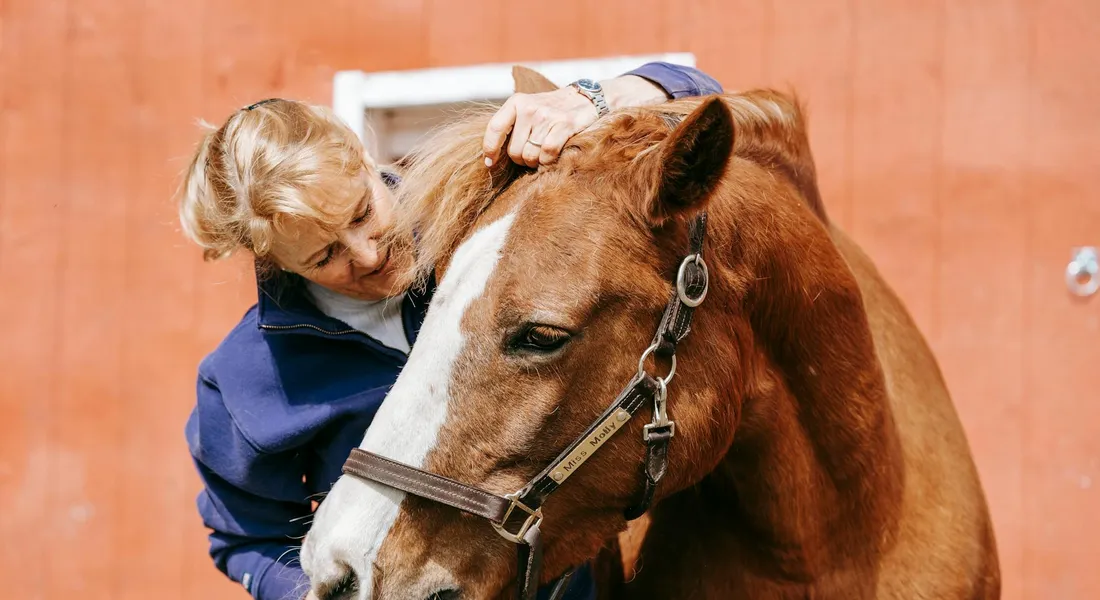
You have your list, but the barn is chaotic and your time is short. The real skill is making your checklist a non-negotiable part of your day, like putting on your boots.
Rushing is the first pitfall. When you speed, you see only the horse, not the details. I once groomed Luna so fast I missed a warm tendon, a lesson in the cost of haste.
Skipping “small” tasks feels harmless. Forgetting to scrub a water bucket or scan a fence line seems trivial. But these chores prevent colic and escaped ponies-ask Pipin, who views a loose bolt as a personal invitation.
Checklist fatigue makes the routine feel like a drag. The spark fades. Combat this by pairing a task with a sensory joy, like the crisp sound of fresh hay being shaken into a net.
Set a loud alarm on your phone for midday checks. That obnoxious ring pulls you back from errands and reminds you to watch your horses move in the sun.
Keep your list where you cannot ignore it. Tape it to the grain bin or make it your phone’s lock screen. Visibility breeds consistency, and your horse relies on that rhythm.
Start a buddy system with another boarder. A quick text like “did you check the main gate?” builds accountability and turns a solitary chore into shared stewardship.
My own wake-up call came on a frigid January day. I was behind schedule and gave the water buckets a glance, assuming the heaters were running. That evening, Rusty met me with a dry muzzle; his bucket had a solid ice cap because the cord was loose. The guilt was a sharper teacher than any checklist.
See It in Action: A Sample Checklist for a Day at the Barn
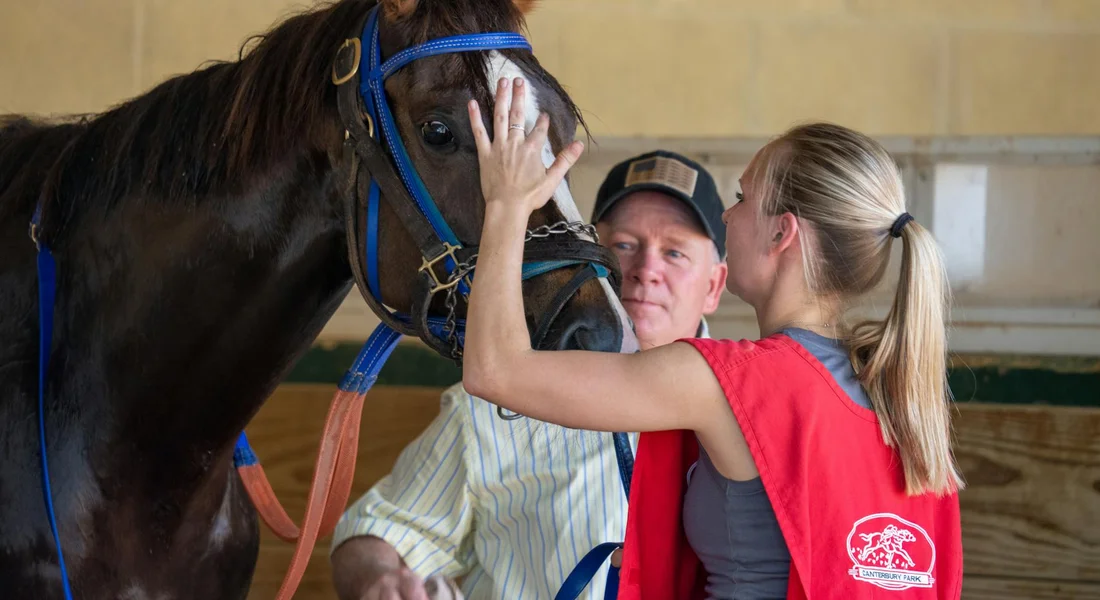
Morning (7 AM)
- Refill every water source to the top, listening for the clean splash of fresh water.
- Offer flake hay to each horse; for Luna, I spread it on the ground to mimic grazing and slow her gobbling.
- Feed measured grain, mixing in Luna’s prescribed calming supplement with her breakfast.
- Pick all four hooves clean, probing for packed gravel or that distinctive smell of thrush.
- A quick brush-over with a dandy brush to lift dirt and check for overnight nicks or swelling.
Midday (12 PM)
- Walk the pasture perimeter, looking for broken rails, holes, or unfamiliar plants.
- Adjust each fly mask; Luna will rub hers off if it’s twisted, and Pipin will try to eat his.
- Observe the horses at turnout for ten minutes. Watch for stiff movement or reluctance to move with the herd.
Evening (5 PM)
- Full grooming: curry to bring up mud, body brush for a shine, and a clean hoof pick.
- Inspect all tack after your ride. Feel for worn stitching on leather and check the bit for food residue.
- Muck the stall entirely, removing all wet patches to prevent ammonia smell.
- Top up bedding with fresh shavings until you hear that satisfying, fluffy thud.
- Final water and hay check, ensuring enough roughage to last through the quiet night.
FAQ: How to Create a Daily Horse Care Checklist
How can a daily horse care checklist improve barn efficiency?
A daily checklist eliminates guesswork by providing a clear sequence for all essential tasks, from feeding to health scans. This structure prevents oversights like missed water refills or skipped hoof checks, saving valuable time during busy barn hours. On aging horses, a daily senior horse wellness checklist—10 things to monitor for healthy old age—helps you spot changes early. It complements this routine and reinforces proactive care. Consistent use fosters a reliable routine that enhances both horse welfare and your peace of mind.
Is it better to use a pre-made PDF checklist or create my own?
Starting with a free PDF template from a trusted equine site gives you a professional foundation without the initial effort of drafting from scratch. Customizing this template by adding your horse’s specific needs, like supplements or exercise notes, ensures it perfectly fits your unique situation. This hybrid approach leverages expert structure while making the checklist truly your own. Be sure to tailor it especially if you’re preparing for your first horse.
Are there any trusted sources for free daily horse care checklists?
Many reputable sources, such as university agricultural extensions, equine veterinary websites, and established horse care organizations, offer free downloadable checklists. These resources are typically based on expert guidelines and cover core daily responsibilities. Always verify the source’s credibility to ensure the checklist promotes safe and modern equine management practices, especially for critical tasks like veterinary visits for new horse owners.
The Checklist Is Your Foundation
A daily checklist turns good intentions into consistent action, protecting your horse’s health and your peace of mind. The most powerful tool in your barn isn’t a fancy brush or supplement; it’s the simple, unwavering routine you build together. A quick daily health check helps you notice subtle signs early. A concise daily check guide can show you exactly what to look for.
Stay patient with yourself as this new habit becomes second nature. Your horse’s feedback-a bright eye, a relaxed sigh, or a concerned nicker-will always be the most important item on any list.
Further Reading & Sources
- Common Mistakes Horse Owners Make and How to Avoid Them | Recovery Systems
- Daily Horse Care Checklist: What Your Boarding Facility Should Offer
- Basic Horse Care Guide for Beginners [Daily Checklist] | Mad Barn
- Daily Horse Care Made Simple (Quick-Print Checklist) – Horse Rookie
At Horse and Hay, we are passionate about providing expert guidance on all aspects of horse care, from nutrition to wellness. Our team of equine specialists and veterinarians offer trusted advice on the best foods, supplements, and practices to keep your horse healthy and thriving. Whether you're a seasoned rider or new to equine care, we provide valuable insights into feeding, grooming, and overall well-being to ensure your horse lives its happiest, healthiest life.
Stable Management