
Common Medical Treatments for Horses: A Caretaker’s Guide
Hello fellow stable hands. Finding a new lump on your gelding or watching your mare refuse her grain triggers that all-too-familiar knot in your stomach. The worry over their pain, the scramble for the vet’s number, and the dread of a complicated diagnosis are burdens every horse owner carries.
My goal is to turn that panic into a practical plan. We’ll cover the most frequent medical scenarios you’ll face at the barn, breaking down what happens, why it works, and how you can help. This includes: effective wound care and infection control, emergency response for colic, managing lameness and joint therapies, and the critical rhythm of vaccines and dental work.
I’m speaking from the tack room floor, after years of managing barns and training horses like my own sensitive Thoroughbred, Luna, where prioritizing proactive care and gentle handling is everything.
Routine Preventatives: Vaccinations and Parasite Control
Core Vaccinations for Every Horse
The smell of alcohol wipes and the quiet rustle of vaccine vials is a familiar soundtrack in my barn office. I’ve done this for Rusty, Luna, and Pipin more times than I can count. Sticking to a core vaccine schedule isn’t just a recommendation; it’s a fundamental pillar of responsible ownership that protects the entire herd from silent threats. These diseases don’t send a warning letter before they strike.
Your vet will set the exact timeline, but here are the universal must-haves:
- Tetanus: An annual shot for every horse, no exceptions. The bacteria lives in soil, and any wound, even a tiny puncture from a rusty nail, can be a gateway. I give this to steady Rusty and sensitive Luna alike-it’s that critical.
- Eastern/Western Equine Encephalitis (EEE/WEE): Mosquito-borne and often fatal. This is a strict annual vaccination given before mosquito season kicks in. I schedule ours when the first buzzing pests appear in the shed row.
- Rabies: This yearly vaccine protects your horse from a fatal virus and safeguards you. Many boarding facilities rightly require it, and I never question that rule.
- West Nile Virus: Another annual defense against mosquitoes. Its necessity can depend on your geographic region, but in most areas, it’s considered essential.
Initial vaccinations for young horses or new rescues often involve a series of shots. Keeping a detailed health journal in your tack trunk-with dates, brands, and injection sites-turns good care into great, traceable care. This is especially important when following the essential horse vaccinations schedule.
Strategic Deworming Programs
Forget the old calendar-based method of deworming every eight weeks. Modern parasite control is smarter and kinder to your horse’s system. The cornerstone of a modern program is the fecal egg count test, a simple check that reveals exactly which parasites are present and in what numbers. This lets you target treatment precisely, avoiding unnecessary medication and slowing drug resistance.
I collect samples from my three twice a year. Pipin, our wily Shetland, often has surprisingly low counts, while Luna sometimes needs a more tailored approach.
- Common Anthelmintic Classes: These include ivermectin, moxidectin, fenbendazole, and pyrantel pamoate. Each class targets different parasitic worms.
- Intelligent Rotation: Rotation is still key, but it’s data-driven. Use fecal results to choose your drug. If a test shows a high strongyle burden, you might use fenbendazole. Rotating dewormers based on test results, rather than the month, is the single best way to preserve their effectiveness for the long haul.
- Precision Dosing: Always dose by accurate weight, using a weight tape. Under-dosing is a fast track to creating superbugs in your pasture.
Pair your deworming strategy with daily manure picking and pasture rotation. A clean paddock is the most powerful, and most natural, dewormer you will ever use.
Medications for Pain and Inflammation
Everyday Anti-Inflammatories and Pain Relievers
When a horse is sore, the first line of defense is often a non-steroidal anti-inflammatory drug (NSAID). These are staples in the veterinary kit. NSAIDs work by blocking the enzymes that cause inflammation, fever, and pain, offering crucial comfort during injury recovery or flare-ups. I’ve used them under veterinary direction for post-ride soreness or when Luna has tweaked a tendon.
They are powerful tools, not casual supplements. Here are the most common ones you’ll encounter:
- Phenylbutazone (“Bute”): The classic for musculoskeletal pain-think arthritis, lameness, or post-surgery. It’s effective but can be harsh on the stomach lining with prolonged use. Never adjust the dose or duration without your vet; the line between relief and ulcer risk is thinner than you think.
- Flunixin Meglumine (“Banamine”): Excellent for visceral pain, like colic, and for reducing high fever. It’s my go-to for emergency kits, as it can provide critical comfort while waiting for the vet to arrive.
- Firocoxib (Equioxx): A newer, more selective NSAID that’s gentler on the digestive tract. It’s fantastic for long-term management of osteoarthritis in older pasture pals.
All require a prescription. Administering these without a diagnosis can mask a serious condition like a fracture or ligament tear, leading to a much worse outcome. Your vet’s exam is the essential first step.
Targeted Injections: Corticosteroids and Joint Therapies
When broad-spectrum NSAIDs aren’t enough, or the problem is isolated to a joint, targeted injections enter the scene. Corticosteroids are potent anti-inflammatories used for specific joints, tendon sheaths, or even severe allergic skin reactions. They can calm inflammation for months, letting a horse move comfortably again.
I’ve seen this with Rusty when he had a inflamed coffin joint; a precise injection gave him back his easy trail gait.
- Common Uses: Vets use these for osteoarthritis, synovitis, or allergic hives. It’s not a cure, but a powerful management tactic.
- Beyond Steroids – Joint Therapies: Other injectables include hyaluronic acid for joint lubrication and polysulfated glycosaminoglycans for cartilage support. These are popular for maintaining mobility in active and senior horses.
These procedures are done under strict sterile conditions by your veterinarian. The ultimate goal of any pain management is to restore a horse’s ability to simply be a horse-to walk out to the pasture with the herd and graze without a wince. Combined with ample turnout and controlled exercise, these treatments can make a profound difference.
Wound Care and Skin Treatment Protocols
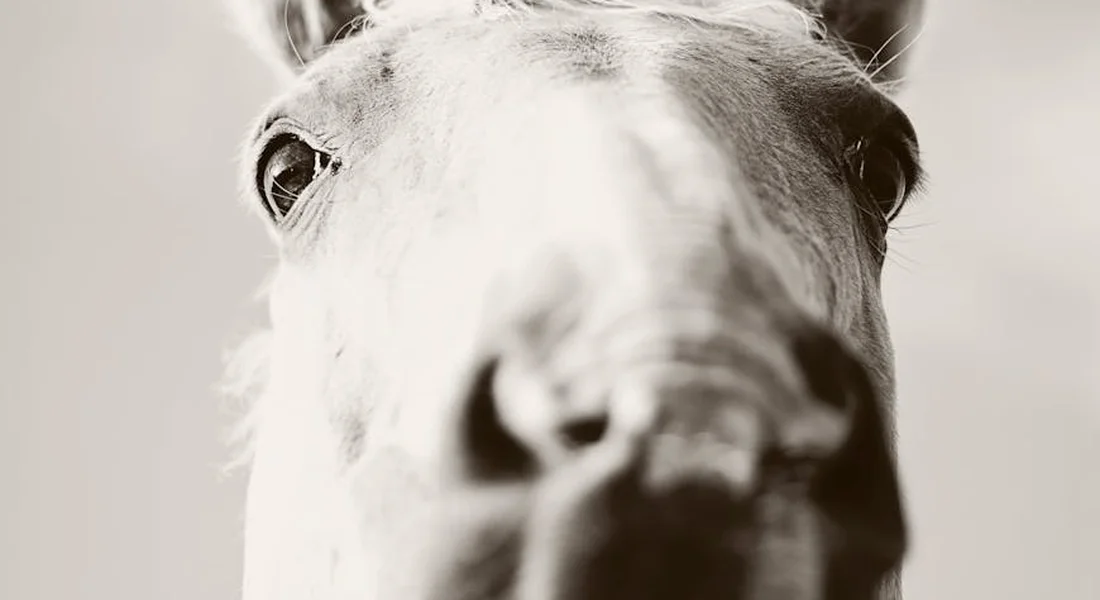
Seeing your horse with a fresh cut is a heart-sinking moment, but a calm, methodical approach makes all the difference. Your first job is to stop the bleeding with direct pressure using a clean towel, while someone calls the vet for anything more than a superficial scratch. I’ve patched up Rusty more times than I can count after his trail adventures, and a well-stocked first aid kit is your best friend.
Step-by-Step Wound Management
For minor wounds you can handle yourself, follow these steps to prevent infection and promote healing. Always wear gloves to protect both you and your horse from contaminants.
- Restrain and Assess: Safely secure your horse. Look for embedded debris, depth, and location. A wound over a joint needs immediate vet attention.
- Clean Gently: Flush liberally with a sterile saline solution or clean, cool water. I avoid harsh antiseptics like iodine on open tissue; they can delay healing. Dilute chlorhexidine is my go-to for the initial clean.
- Debride if Necessary: Carefully trim away any dangling dead skin or hair with clean, sharp scissors. This isn’t a beauty contest-you’re removing material where bacteria can hide.
- Apply Topical Antibiotic: A thin layer of a triple-antibiotic ointment creates a protective barrier. For proud flesh-prone areas, your vet might recommend a specialized cream.
- Bandage or Leave Open: Bandage wounds on limbs to control swelling and keep clean. Leave some body wounds open to air if they’re clean and not in a dirt-collecting spot. Suturing is for your vet to decide, usually within the first 6-8 hours.
Change bandages daily, watching for heat or swelling. If you see red streaks or smell a foul odor, that’s your signal for a vet re-check, pronto.
Battling Common Skin Conditions
Skin issues often stem from moisture, friction, or immune response. More turnout time in a clean, dry environment is a powerful preventative. Luna’s fine coat is a magnet for rain rot if she’s stuck in a damp stall, so I’m militant about her staying dry.
For rain rot (dermatophilosis), gently loosen scabs with a medicated shampoo containing chlorhexidine or benzoyl peroxide. Let the lather sit for 10 minutes before rinsing. Repeat every few days until resolved.
Scratches (pastern dermatitis) requires keeping the area dry. Clip the hair, wash with an antifungal/antibacterial scrub, and apply a drying ointment like zinc oxide. For stubborn fungal infections like ringworm, an antifungal shampoo is key. Wash all grooming tools and blankets to prevent spread.
Environmental management is half the battle: ensure clean, dry bedding, avoid muddy paddocks, and groom regularly to distribute natural oils.
Digestive System Crisis Management
The gut is a horse’s engine, and when it sputters, action must be swift. Constant forage, plenty of turnout, and a consistent routine are the bedrock of digestive health, but sometimes crises still occur. The quiet thud of a horse lying down repeatedly is a sound that chills any barn manager’s blood.
Colic Treatment: From Mild to Surgical
Colic isn’t a single disease; it’s a symptom of abdominal pain. Your immediate response is critical. Recognize a colic emergency early and respond quickly. Your prompt action can save a horse’s life. At the first sign-looking at the flank, lying down and getting up, rolling, lack of gut sounds-pull all food and call your vet. Do not allow the horse to roll violently.
- Pain Relief: Your vet will administer analgesics like flunixin meglumine (Banamine) to ease pain and allow examination.
- Passing a Nasogastric Tube: This lets the vet check for reflux and administer mineral oil or electrolytes to help move a blockage.
- IV Fluids: For dehydration and to help restore gut motility, intravenous fluids are often necessary.
- Surgical Intervention: If pain persists or a twisted gut is suspected, surgery is the only option. Time is tissue; delaying can be fatal.
Walk the horse only if it is calm and the vet advises it; never force a distressed animal to move. Post-colic care involves a slow reintroduction to feed and careful monitoring.
Managing Gastric Ulcers
Ulcers are rampant in performance horses and even in gentle souls like Pipin during stressful changes. Treatment combines medication with lifestyle overhaul for lasting results. The common protocol starts with a veterinary diagnosis via gastroscopy. Prevention is key, especially in high-strung equine athletes.
Omeprazole is the gold-standard medication, suppressing acid production to allow healing. It’s given daily, often for a month. Sucralfate may be added; it coats ulcerated spots like a protective bandage.
Medication alone isn’t enough. Feed adjustments are non-negotiable: provide free-choice hay or grass before grain meals, and ensure constant access to forage. Reduce stall time, increase turnout with buddies, and keep work schedules as predictable as possible. I’ve seen a nervous Thoroughbred like Luna transform with just these simple, gentle changes.
Dental and Hoof Health Procedures
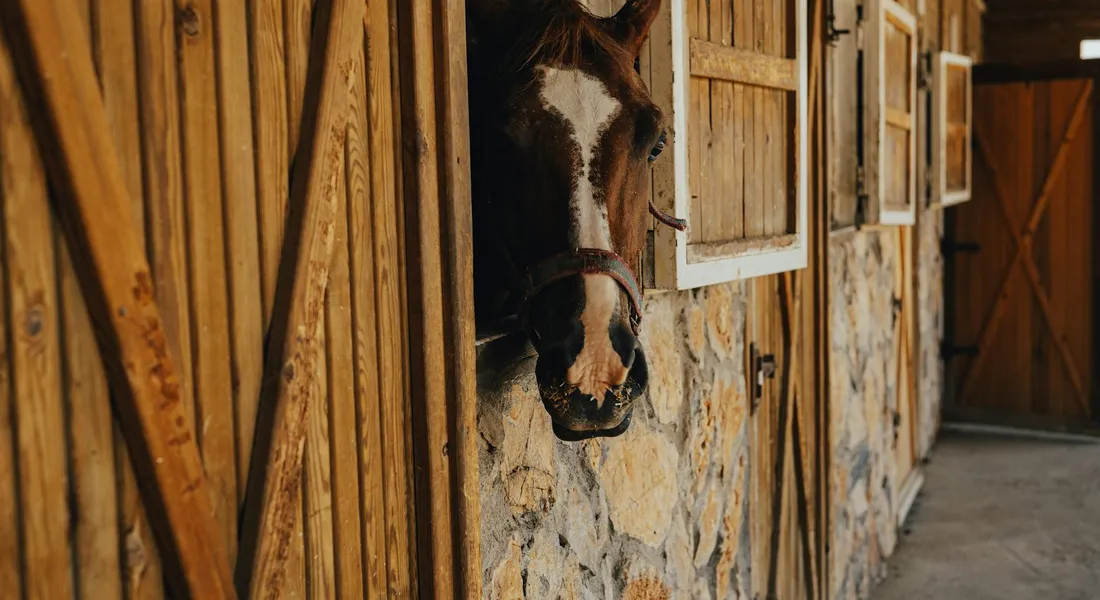
Dental Floats and Oral Care
You know that quiet grinding sound when your horse chews? If it turns into a head-tossing mess at meal time, sharp points on his molars might be the culprit. A dental float is simply filing those sharp edges down. Your vet sedates your horse for safety-imagine trying to hold a powerful cheeky pony like Pipin still for a detailed tooth filing! With a speculum holding the mouth open, the vet uses a long-handled file or a motorized float to smooth the surfaces. Sedation keeps the procedure stress-free for your horse and allows the vet to do a thorough, precise job without a struggle.
I learned the hard way with old Rusty; he started dropping wads of half-chewed hay, called quidding, and his weight dipped despite good feed. A routine float fixed it. His teeth wear unevenly as he ages, just like ours. Annual checks catch problems early, preventing painful ulcers in the cheeks and ensuring your horse can properly grind food to absorb every nutrient.
- Schedule a dental exam every 6 to 12 months.
- Watch for signs: quidding, weight loss, bad breath, or head tilting while eating.
- Sedation is standard and safe, allowing for a complete oral inspection.
Addressing Founder and Laminitis
Laminitis is a fiery, painful inflammation of the soft tissues connecting the hoof wall to the coffin bone. It often starts with too much rich spring grass or a metabolic upset. The first line of defense is anti-inflammatory drugs like phenylbutazone to douse that internal fire and manage pain. Immediate hoof support is critical; I’ve used soft pads or specially packed boots to ease pressure on the sole while the vet diagnoses the rotation.
Diet control is non-negotiable. This means strict removal from pasture onto a dry lot, and offering soaked hay to leach out sugars. I managed a mild founder case with a pony by keeping him on a deep bed of shavings and measuring his hay with a kitchen scale. Long-term management revolves around balancing pain relief with corrective trimming or shoeing to support the healing hoof structure.
The goal is always to get them comfortable and moving again. Gentle turnout in a small, soft paddock as they recover can prevent stiffening, but only after the acute phase passes. Every minute of gentle movement aids circulation.
Advanced Care: Diagnostics and Surgery
Diagnostic Tools: Radiography and Beyond
When Luna came up lame after a jump, the first step wasn’t guesswork-it was a digital X-ray. Radiography shows the bones, revealing fractures, arthritis, or changes in hoof balance. For soft tissue injuries like tendon tears, ultrasound is the eye inside, showing fibers in real-time. These tools take the mystery out of lameness, letting you target treatment instead of just hoping for the best.
The process is straightforward. Your vet will likely give a light sedative so your horse stands perfectly still for the clear image they need. I’ve held many a lead rope in the clinic, listening to the soft whir of the machine. Modern diagnostics mean we can catch a subtle ligament strain before it becomes a career-ending injury. It’s just one of the ways we can spot early signs of trouble when it matters most.
- X-rays: Best for bone issues, dental roots, and joint spaces.
- Ultrasound: Ideal for visualizing tendons, ligaments, and internal organs.
- Sedation ensures safety and clarity, preventing blurred images from movement.
Common Surgical Interventions
From emergency colic surgery to removing a bothersome tumor, equine surgery has come a long way. Colic surgery is the big one, where vets physically correct a twisted gut. Wound repair often involves debriding damaged tissue and stitching under general anesthesia for a clean heal. After any surgery, the aftercare protocol is your new religion: a course of antibiotics to fight infection and strict stall rest to prevent re-injury.
I’ve nursed horses through post-op recovery, and it’s all about quiet diligence. The smell of antiseptic, the soft thud of a hoof shifting in a deeply bedded stall-these are the signs of healing. Successful outcomes hinge on your meticulous care during those weeks of confinement and hand-walking. That naturally leads to the question of the initial and ongoing veterinary care a horse may need after surgery. Understanding these needs helps you plan ahead and spot issues early.
- Colic Surgery: Addresses intestinal blockages or torsions.
- Wound Repair: Cleans and closes severe lacerations.
- Tumor Removal: Excises growths like sarcoids for comfort and health.
- Aftercare: Involves administered antibiotics, pain management, and gradual return to movement.
Frequently Asked Questions About Common Medical Treatments for Horses
How are respiratory conditions in horses treated?
Respiratory conditions like heaves or equine asthma are first managed by improving air quality through dust-free bedding and turnout. Veterinarians may prescribe bronchodilators to open airways and corticosteroids to reduce inflammation in the lungs. In persistent cases, inhaled medications via masks or nebulizers offer targeted relief with fewer systemic side effects.
What is involved in treating a horse with equine metabolic syndrome or Cushing’s disease?
For equine metabolic syndrome, treatment centers on a low-sugar diet, weight loss, and increased exercise to manage insulin resistance. Cushing’s disease (PPID) typically requires daily medication like pergolide to regulate pituitary gland function and control symptoms. Both conditions demand regular veterinary check-ups to monitor hoof health, as laminitis is a common and serious complication.
What are the most frequent reasons a horse needs veterinary care?
Lameness from trauma, arthritis, or hoof problems is a primary reason, often necessitating pain relief and diagnostic imaging. Gastrointestinal emergencies, such as colic, frequently require urgent veterinary intervention for pain management and potential surgery. Routine health maintenance, including vaccinations, parasite control, and dental care, also drives regular vet visits to prevent illness.
Your Horse’s Health in Your Hands
Managing your horse’s medical needs starts with solid prevention and a watchful eye for the subtle shifts in appetite or demeanor. Your veterinarian is your best ally-always defer to their expertise and follow treatment plans to the letter, because consistency is the bedrock of recovery. For horses recovering from injury or surgery, targeted recovery support and careful monitoring can speed healing.
Bring patience and a gentle touch to every bandage change or medication dose. Your horse’s trust and their honest, nonverbal feedback are the ultimate guides to successful healing, especially after procedures like castration surgery.
Further Reading & Sources
- Equine therapy | Research Starters | EBSCO Research
- What Is Equine Medicine? | Ross Vet
- Home | Equine Medical LLC
- Equine Therapy: 7+ Ways To Heal With Horses | Sandstone Care
At Horse and Hay, we are passionate about providing expert guidance on all aspects of horse care, from nutrition to wellness. Our team of equine specialists and veterinarians offer trusted advice on the best foods, supplements, and practices to keep your horse healthy and thriving. Whether you're a seasoned rider or new to equine care, we provide valuable insights into feeding, grooming, and overall well-being to ensure your horse lives its happiest, healthiest life.
Health