
How to Lead and Steer Your Horse with Confidence and Calm
Hello fellow equestrians. Does leading your horse feel like a battle of wills, with you getting dragged or steering that results in confused circles? That tension isn’t just annoying-it undermines safety and chips away at the trust you’re trying to build.
Let’s fix that. I’ll share the same grounded techniques I use daily with my own herd, from steering Luna past spooky corners to convincing Pipin that following me is better than his next snack raid. This guide will walk you through the core skills for clear, safe communication from the ground up.
We will cover:
- The critical first step: ensuring your halter fits correctly to avoid discomfort and miscommunication.
- How your own body position and energy become your horse’s primary map for where to go.
- Practical drills for teaching a horse to lead politely without constant pressure on the rope.
- Translating those leading cues into smooth, precise steering for gates, trails, and tight spaces.
My advice is forged from years of barn management and training, solving these exact puzzles with every type of horse from reliable geldings to clever escape artists.
The Foundation: Why Good Leading and Steering is Non-Negotiable
Think of leading and steering as the grammar of horse language; if you don’t have the basics down, every conversation is a confusing, potentially dangerous mess. This isn’t just about moving from point A to point B-it’s the cornerstone of daily safety for both of you, in every single interaction, from the stall to the trailhead. A horse that barges, drags, or ignores directional cues on the ground will absolutely translate those behaviors under saddle. I learned this the hard way with Luna, my sensitive Thoroughbred, on a narrow wooded trail. A moment of lazy steering, a dropped shoulder from me, and she immediately took the invitation to swing her hindquarters toward a steep drop-off. That cold jolt of fear was all the reminder I needed that precise communication isn’t optional.
Respectful groundwork directly fuels equine welfare by reducing stress and confusion. A horse who understands and trusts your guidance is a calmer, more confident partner, whether you’re navigating a spooky tarp or a busy vet clinic aisle. It transforms chores from potential battles into peaceful, rhythmic routines. The simple act of leading well—with clear signals and mutual respect—reinforces that you are a safe, predictable leader. This trust makes everything else, from vet care to trail riding, infinitely smoother and kinder on your horse’s mind.
Your Toolkit for Success: Halter, Lead Rope, and Your Own Body
Choosing and Fitting Your Equipment
Your halter and lead are your primary physical connection, so their fit and function can’t be an afterthought. A poorly fitted halter can rub, pinch, or even come off, while a frayed lead is a ticking time bomb. Run your fingers under every strap; you should comfortably fit two fingers between the leather or nylon and your horse’s face, especially around the noseband and poll. Additionally, you’ll want to know how to put the halter on your horse and tie a quick-release knot for safer handling. This quick-release knot lets you release quickly if you need to adjust or untie. The buckle should sit high on the cheek, well away from the prominent cheekbone, to avoid pressure points.
When selecting a lead rope, material matters for grip and safety:
- Cotton or Poly-Blend Ropes: My personal favorite for daily use. They offer a kind, secure grip that doesn’t burn your hands if the horse pulls. They’re less likely to freeze in winter and feel softer against the horse’s chin.
- Nylon Ropes: Incredibly strong and durable, often used on cross-ties. The downside is they can be slippery when wet and cause severe rope burns. If you use nylon, wear gloves.
Make a habit of inspecting your gear every single time you pick it up. Look for hidden weaknesses by bending buckles back and examining stitching at stress points; a sudden break at the wrong moment is a preventable disaster. That faint cracking sound from old leather or the chalky feel of dry-rotted nylon is your warning sign to retire the piece immediately.
Your Stance and Space Management
Your body is your most important tool. The classic, safe position is shoulder-to-shoulder with your horse. You are the pilot, not the anchor. Stand by your horse’s neck, facing forward, so you can see the path ahead and communicate with the slightest turn of your torso. Leading from directly in front puts you in the kick zone and makes you a powerless drag if they decide to plant their feet.
Understand the space bubble. Your horse has one, and so do you. Maintain about an arm’s length of space between you and the horse’s shoulder to avoid being stepped on if they spook or sidestep. Teach them to respect your personal space by not allowing them to crowd you or use their head to push into you-a common trick from food-motivated ponies like my Pipin. By talking to your horse and tuning into their signals, you begin building better communication with them. It’s a gentle daily practice that helps you understand their cues instead of guessing.
Proper footwork keeps your toes safe:
- Walk with purpose, matching your horse’s stride rhythm.
- Keep your feet under you, avoiding crossing your legs or taking erratic, shuffling steps.
- If you need to stop, plant your feet and say “whoa” clearly before applying pressure to the lead. Your body stops first, then you ask the horse to match you.
Mastering the Language: Pressure, Release, and Body Cues
The Golden Rule of Pressure and Release
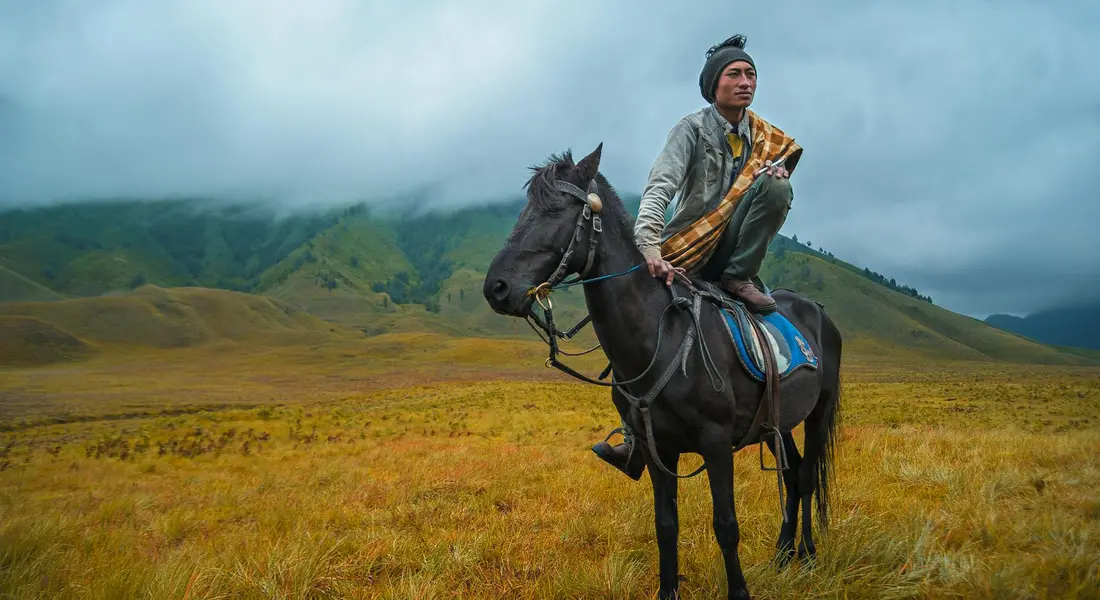
True communication with your horse isn’t about pulling or dragging. It’s a conversation built on pressure and its timely release. Picture your cue not as a light switch, but as a dimmer: you apply gentle pressure, gradually increase it if needed, and the moment your horse even thinks about responding, you release completely. This release is the “yes” that tells them they got it right. I learned this the hard way with Luna, my sensitive Thoroughbred; a heavy hand made her brace, but a soft, persistent ask followed by instant release built her trust.
Let’s break down how this works for asking a horse to back up, a fundamental skill for respect and safety.
- Stand facing your horse, about an arm’s length away, with a slack lead rope.
- Apply a light, steady pressure on the rope toward their chest. Don’t pull. Just create a firm, asking feel.
- If they don’t move, gently wiggle or rhythmically pulse the rope to reiterate your request. Increase pressure slowly, like turning up a dimmer.
- The second you feel any weight shift backward or see a foot lift, release all pressure immediately. Praise them. That micro-movement is the victory.
This method works because it respects the horse’s need for clarity and rewards the smallest effort, which encourages them to offer more next time.
Reading Your Horse’s Body Language
Your horse is talking to you with every flick of an ear and shift of weight. Learning this language tells you when they’re ready to listen or when you need to hit pause. A calm, engaged horse is a teachable horse. An anxious one needs reassurance before any lesson continues.
Ignoring these signals is like trying to have a conversation with someone who’s distracted or upset-you won’t get through, and you might create a bigger problem. Here’s what to look for:
Signs of a Calm, Listening Horse:
- Ears are softly turned toward you or relaxed to the sides.
- Head is at or below wither height, with a soft eye and relaxed jaw.
- Feet are still, or they move with deliberate, calm steps when asked.
- They might lick and chew, a sign of mental processing and relaxation.
Signs of Anxiety or Resistance:
- Ears are pinned flat back or wildly swiveling.
- Head is high, neck is tight, and you can see the whites of their eyes.
- Constant fidgeting, pawing, or trying to swing their hindquarters away.
- Holding their breath or snorting tensely.
With Pipin, my clever Shetland, I know to stop asking for a turn the moment he stiffens his neck and plants his feet. Pausing the lesson for a gentle scratch or a deep breath together does more for our progress than any amount of pushing would. Always advocate for their mental state; it’s the foundation of all good training.
Step-by-Step Groundwork: Teaching Essential Cues
The “Walk On” Cue
Teaching a polite “walk on” prevents you from ever having to drag a horse behind you. It’s about inviting movement, not demanding it. This approach pairs well with teaching your horse basic ground manners. You’ll see this foundation echoed in the next steps. Consistency from your very first ask builds a reliable partner for years of trails and barn chores. Here’s how to build it:
- With slack in the lead, apply light forward pressure on the rope. Think of pointing your energy where you want to go.
- Pair this with a clear verbal signal like a cluck or a steady “walk on.”
- The instant you feel them commit to that first forward step, release all pressure. The release is their reward.
- Practice from both the left and right sides to ensure your horse doesn’t become one-sided in his understanding.
Rusty, my Quarter Horse, used to plant himself at puddles until I made my release so immediate and rewarding that moving forward became his own idea.
The “Whoa” and Stop Cue
A solid “whoa” is a non-negotiable safety cue. It means stop, and stand quietly, until asked to move again. This cue starts with your own body. Your posture and energy are the first things your horse reads, long before they feel the rope. Follow these steps:
- As you prepare to stop, sit back slightly on your heels. Drop your energy and slow your breathing.
- Apply a steady, backward pressure on the lead rope. It’s a firm wall, not a jerk.
- Use a calm, low voice command like “whoa” or “easy.”
- The moment they come to a complete halt and relax, release the pressure. Let them stand for a moment of quiet praise.
Practicing this during every lead change, before you open a gate, or when they get quick teaches them that stopping is a safe and expected part of the job.
Turning and Backing Up with Control
Sharp, jerky turns pull a horse off balance and teach them to lean on the rope. For a smooth turn, you need to guide the front and motivate the back. To ask for a turn, use your lead hand to gently direct the horse’s nose in the direction you want to go, while your body position and a touch of your free hand near their side ask the hindquarters to follow.
For backing up with purpose, stand at their shoulder facing them. Apply rhythmic, pushing pressure with your fingertips to their chest muscle, not the bone. Pair this with your verbal “back” cue. Each time they step back, release the pressure. I use this chest cue daily with all the horses, especially for safely navigating tight spaces in the barn aisle-it keeps my toes safe and teaches them spatial awareness.
Keep all turns smooth and wide whenever possible. A horse that is pulled sharply off its feet becomes defensive. Gentle, balanced movements build a confident animal who trusts you to guide them without causing discomfort.
From the Ground to the Saddle: Translating Cues for Steering
Rein Aids as an Extension of the Lead Rope
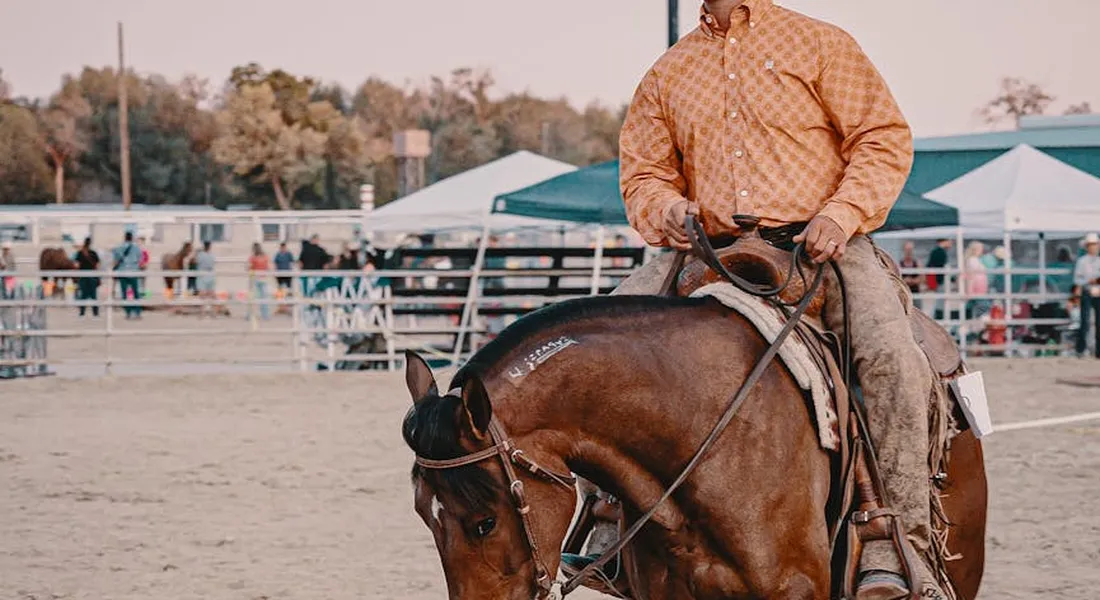
Think of your reins as a long, sophisticated lead rope you use from the saddle. That gentle pressure you apply on the ground to ask Rusty to turn left? It’s the same conversation under saddle. A direct rein, where you softly pull one rein toward your hip, turns the horse’s head and shoulders just like leading from the halter. An indirect rein, applying pressure against the neck without pulling back, asks for a bend or a shift of the hindquarters-it’s like using your body language on the ground to ask for space.
Neck reining, where a laid rein cues the horse to move away from the pressure, is for a finished horse who understands lateral movement. Plow or direct reining is for clearer, step-by-step communication, especially with green or sensitive horses like Luna. As you hold the reins and teach neck reining, you establish the hand position that links groundwork to the saddle. That steady touch turns groundwork into a confident, riding flow. Your goal is to make the saddle feel like a natural extension of the groundwork you’ve already mastered together.
Using Your Legs and Seat for Direction and Pace Control
Your legs aren’t just for staying on. A steady, rhythmic pressure applied just behind the girth asks the horse to engage its hind end and move forward or sideways. It’s a polite nudge, not a kick. Your seat is your ultimate communication tool; a deep, balanced seat that moves with the horse tells them “all is well, carry on,” while a stiff, perched seat broadcasts nervousness.
Common errors include constant kicking, which teaches a horse to ignore your legs, and gripping tightly with your knees, which makes you unstable. A calm, following seat is the foundation for a calm “walk on” cue, making your leg aids lighter and more effective. Remember how Pipin reads your energy from the ground? He reads it doubly from the saddle.
- Light calf pressure: asks for forward motion or bend.
- Stronger leg behind the girth: asks the hindquarters to step over.
- A still, absorbing seat: signals relaxation and steady pace.
- A braced, rigid seat: signals tension and often causes the horse to slow or resist.
Cultivating Calmness and Solving Common Problems
Building a Confident, Willing Partner
Confidence is built with predictability and reward. I use strategic treats-a single carrot cube after a good halt with Luna-to mark the exact behavior I want. Consistency is non-negotiable; use the same cue for the same action every single time. Patience isn’t just waiting; it’s reading your horse’s worry and slowing the lesson down.
I once spent a whole afternoon helping a spooky horse learn to walk past a flapping tarp. We started yards away, just standing and grazing, inching closer over time. Desensitization is about building trust through gradual exposure, not forcing a confrontation. That horse learned the tarp wasn’t a threat because he was allowed to investigate it on his own terms, with me as his calm anchor.
Fixing the Horse That Pulls, Lags, or Won’t Listen
First, always rule out pain. A sore back, ill-fitting tack, or dental issues can cause all these behaviors. Once health is cleared, address the habit. For the puller, practice sudden, polite stops and sharp turns when they lean into the pressure. This makes pulling unrewarding work.
For the laggard like a stubborn Pipin, a dressage whip becomes an extension of your arm. A light tap on the shoulder, paired with a clear vocal cue, reinforces your “walk on” aid without you needing to yank or get frustrated. Correct the behavior immediately when it happens, but always reward the slightest try to show them the right answer.
- For pulling: Stop firmly. Turn a small circle. Resume walking when the lead is slack.
- For lagging: Give a clear cue. Follow with a light tap on the shoulder if needed. Instantly release pressure when they step forward.
- For general disobedience: Go back to basic groundwork. Re-establish respect for your personal space and cues from the ground up.
Advanced Horsemanship: Fine-Tuning for Trust and Precision
Refining Boundaries and Softness
The difference between a horse you pull and a horse who offers to follow is the difference between work and partnership. Your goal is to communicate with whispers, not shouts. It starts with your lead rope becoming a feel-based conversation, not just a tether.
Ask for lighter responses by decreasing the pressure you use. If you normally give a firm tug to ask for ‘whoa,’ try just closing your fingers and exhaling. When they respond, instantly release. This rewards the slightest try. My mare Luna taught me this; a mere shift in my weight is now her cue to stop, because I rewarded her the first time she tried it.
The instant release of pressure is the only language your horse truly understands, and it’s the foundation for creating a soft, willing partner.
Introduce lateral movements while in-hand to build incredible steering control for under-saddle work. This isn’t just for show horses. Teaching your horse to yield his hindquarters or move his shoulders away from gentle pressure creates a body-aware animal.
- Shoulder Yield (Sidepass Prep): Stand at your horse’s shoulder, facing the same direction. Apply light pressure with your fingertips on his shoulder. The moment he shifts his weight or takes a step away, release. This teaches him to move his front end from a subtle cue.
- Hindquarter Yield: Stand at his shoulder, but look toward his hip. Press lightly on his side, just behind the girth area. Ask him to swing his hips away, crossing his hind legs. This disengages the power drive and is a fantastic control and respect exercise.
Practice these for just a few minutes during each leading session. You’ll feel him start to listen to the placement of your body, not just the pull of the rope.
Integrating Skills for Daily Horse Care
The true test of your leading skills isn’t in the calm arena-it’s when the vet’s needle comes out, the farrier’s rasp fires up, or the trailer looms. Every husbandry task is built on the same foundation of gentle, clear leadership you practice daily.
Think of your annual vet visit. A horse who knows how to stand quietly while being cued with light pressure, who yields his hindquarters politely to position for a shot, is a vet’s dream. I use the same ‘whoa’ and ‘stand’ cue for Rusty during shots as I do when grooming. The consistency tells him this is just another part of our routine, not an ambush.
Clear, patient leading turns potential panic into mere procedure, keeping everyone-especially your horse-safe from sudden moves and stress.
For the farrier, those in-hand lateral movements pay off massively. Asking your horse to ‘give’ his hoof and then shift his weight for the farrier’s comfort is a direct application. A horse who understands body pressure won’t lean on the farrier or panic if he feels off-balance.
Then there’s the trailer. Loading is 95% groundwork and 5% actual walking up the ramp. Use your established ‘walk on’ and ‘whoa’ cues. Practice stepping into dark spaces (like a shady stall doorway) together. Ask for a single step forward, then reward with rest. The trailer is just a noisy, metal version of a stall he already knows how to enter politely.
Every time you lead your horse to the field, handle his feet, or walk past a scary tarp, you are training for these bigger moments. Your calmness is his cue that the world is not frightening. Your gentle leadership in mundane tasks builds the trust bank you’ll withdraw from on high-stakes days, making them peaceful for both of you. Over time, these small steps help you build a strong bond and trust in your horse. That growing relationship makes navigating future challenges smoother for both of you.
FAQ: How to Lead and Steer Your Horse with Confidence and Calm
What does “lead and steel” refer to in advanced horse equipment?
In equestrian contexts, “lead and steel” often metaphorically emphasizes the strength and precision required in equipment like durable lead ropes and secure halters. High-quality materials, such as reinforced polymers or stainless-steel hardware, enhance safety by preventing breaks during pressure. Selecting gear designed for durability ensures clear communication and trust during leading and steering exercises.
How can “lead and steel optics” principles apply to horse steering?
“Lead and steel optics” highlights the importance of visual clarity and perception, where your body’s alignment and focus act as guiding signals for your horse. Maintaining consistent eye direction and poised posture helps your horse interpret intended paths, especially in complex environments like trails or gates. This approach reduces reliance on physical force, fostering a calmer, more attentive response through visual cues.
Why is “lead and steel” discussed on platforms like Reddit for horse care?
Online forums such as Reddit often feature “lead and steel” topics to debunk myths and share practical tips on equipment choices and techniques. Discussions may address common errors, like using inappropriate leads for sensitive horses, and emphasize evidence-based methods over shortcuts. Engaging in these communities can provide supplemental insights, but always cross-reference with professional guidance to ensure safe, effective practices.
Partners, Not Pullers
Mastering leading and steering boils down to developing a soft feel and giving clear, quiet cues with your hands, seat, and legs. Always remember that your release of pressure is the reward that teaches your horse the correct response.
This communication builds a true partnership where you guide, rather than force, your horse’s movement. Your most important job is to listen to what your horse is telling you through his posture and energy—that patience is the foundation of all good horsemanship. By learning to read his body language, you can tell when he’s happy, relaxed, and ready to work. These cues help you understand his mood and deepen trust between you.
Further Reading & Sources
- Leading a horse: teaching your horse to lead politely | Horse & Hound
- 6 Easy Steps to Lead A Horse – Wild Jolie
- Safe Horse Handling
- 3 Reasons Your Horse Should Lead Respectfully – Horse and Rider
At Horse and Hay, we are passionate about providing expert guidance on all aspects of horse care, from nutrition to wellness. Our team of equine specialists and veterinarians offer trusted advice on the best foods, supplements, and practices to keep your horse healthy and thriving. Whether you're a seasoned rider or new to equine care, we provide valuable insights into feeding, grooming, and overall well-being to ensure your horse lives its happiest, healthiest life.
Behavior