
Best Companion Animals for Horses: Solving Loneliness and Stress
Hello fellow equestrians. Is your horse weaving at the fence or losing interest in food? That empty feeling in the pasture isn’t just sad-it can spiral into costly vet visits for ulcers or colic and create unsafe, anxious behaviors.
Let’s find your horse a friend. I’ll walk you through the best non-equine buddies to bring calm back to your barn. Here are the key solutions we’ll explore:
- The surprising calming effect of a good goat
- How a donkey provides protection and companionship
- Low-drama options like sheep and llamas
- Budget-friendly barn birds for busy schedules
- My proven method for safe, stress-free introductions
I’ve spent years as a barn manager and trainer, carefully pairing everything from steady quarter horses to high-strung thoroughbreds with the perfect pasture mate.
Why a Lone Horse is a Lonely Horse
Horses are herd animals by instinct, and isolation chips away at their well-being. You might notice the obvious signs: frantic pacing, relentless weaving, or wood chewing that echoes through the barn. Pay equal attention to the quieter signals-a half-eaten flake of hay, a dull coat, or that tense silence where there should be a contented sigh. Those subtle signs often tell a deeper story; understanding horse behavior is key to recognizing when they are stressed or lonely.
Providing a companion isn’t just a luxury; it addresses core needs. The benefits are clear and measurable:
- Reduced anxiety: A steady presence lowers cortisol levels, turning nervous energy into relaxed grazing.
- Fewer stable vices: Boredom-fueled habits like cribbing and weaving often diminish or disappear entirely.
- Better turnout behavior: Horses with friends settle quickly, spending less time calling at the fence and more time with their heads down grazing.
I learned this firsthand with Luna, my sensitive Thoroughbred. Alone, she was a live wire-spooking at shadows, her meals often ignored. We introduced a veteran sheep named Maude. The first day, Luna circled and snorted. By the third, I found them sharing a hay pile, Luna’s neck arched over Maude’s back in a protective curve. The thud of Luna’s restless pacing was replaced by the steady crunch of two animals chewing, a sound that spelled peace.
What Makes a Good Pasture Pal? Key Traits to Look For
Choosing the right friend requires more than just grabbing another willing creature. You’re matching lifestyles. The right horse should match your experience level and lifestyle. Look for a companion that fits seamlessly into your horse’s world, starting with these four pillars.
- Similar dietary needs: Avoid complicated feeding schedules; a goat that needs grain can quickly become a pudgy paddock hazard.
- Non-predatory nature: Species like dogs or alpacas must be introduced with care to avoid triggering a flight response.
- Calm temperament: A grounded, steady demeanor is contagious and can soothe a nervous Nelly.
- Hardy health: Opt for animals with similar shelter needs and resistance to local weather and pests.
Contrast the options. Goats are classic low-maintenance pals, often happy with basic shelter and browsing weeds. Cattle, however, may require stronger fencing and separate mineral supplements. Your choice should lighten your chore load, not add another item to the checklist.
Matching energy levels is the final, critical step. A placid donkey can be a perfect anchor for a high-strung horse like Luna, while a fiery mini horse might be too much for a steady soul like Rusty. Think of it as curating a calm herd dynamic, where everyone’s rhythm finds a syncopated beat.
Animal Profiles: From Barn Cats to Guard Llamas
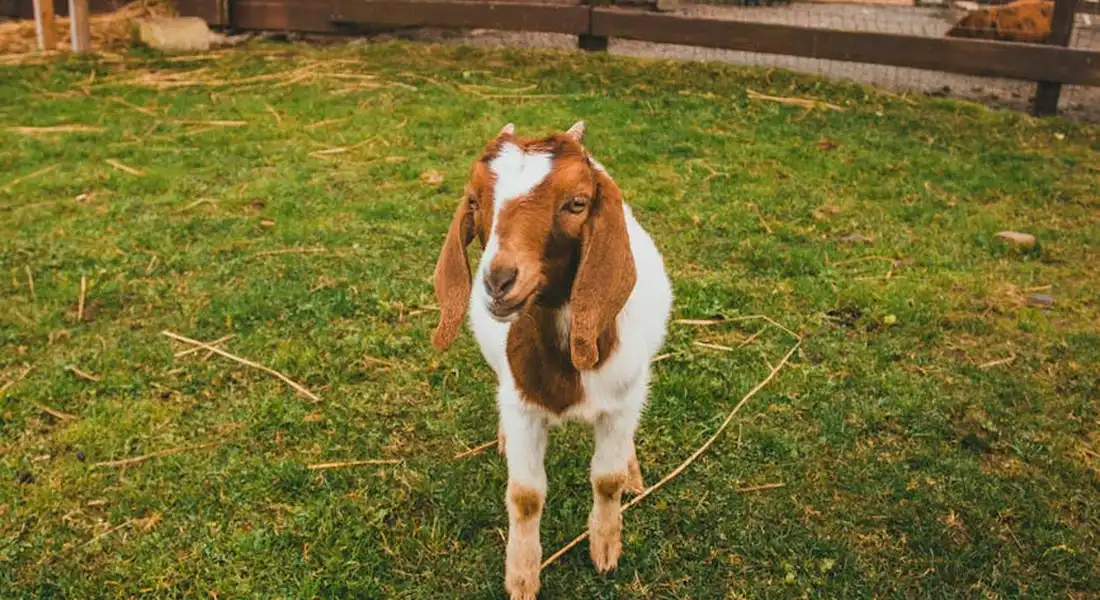
Choosing a buddy is about matching energy and purpose. A high-strung Thoroughbred might find peace with a stoic donkey, while a lazy trail horse might enjoy the antics of a goat. I’ve seen every pairing imaginable at my barn, and the right match makes all the difference.
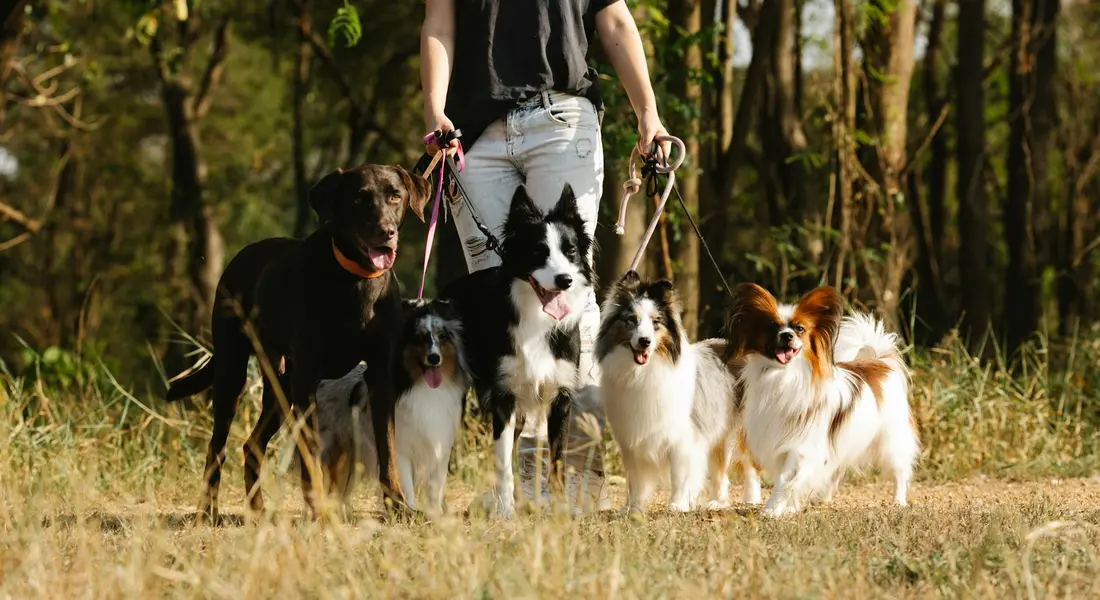
Dogs: The Riding Buddy
A good barn dog is a true partner. They trot alongside you on the trail and nap in the sun while you muck. But a poorly-suited dog is a genuine hazard.
- Breeds: Herding breeds like Border Collies or Australian Shepherds often have an innate sense for livestock movement. Calmer livestock guardian breeds, like Great Pyrenees, are naturals. My old farm mutt, a shepherd mix, knew to give Luna a wide, respectful berth.
- Essential Training: A bulletproof recall is non-negotiable. Your dog must ignore the instinct to chase a galloping horse or nip at heels, as this can cause a catastrophic wreck. Train them to be calm around hoof traffic and to settle on a mat while you work.
- Safe Space: Provide a raised bed or crate in a corner of the tack room, away from where horses are tied or cross-tied. A tired dog needs a place to retreat where it won’t be stepped on.
Cats: The Rodent Patrol
A barn cat’s value is measured in more than dead mice. Their quiet purring presence during late-night checks is a special kind of comfort.
- Their Role: They control mice and rats that spread disease and contaminate grain. They offer silent, low-pressure companionship from the rafters.
- Safety Notes: Keep cat food up high where only cats can reach. Ensure water buckets and feed tubs have secure lids so a curious cat doesn’t fall in and drown. Most horses ignore cats, but watch for a playful swat from a hoof.
Donkeys: The Vigilant Guardian
Donkeys don’t just bray; they assess. Their deep suspicion of canines makes them excellent protectors against coyotes, stray dogs, and foxes.
- Protective Instinct: They will often place themselves between a threat and their equine herd. That loud, alarming bray is a powerful deterrent.
- Dietary Notes: They thrive on the same grass hay as horses but require far less protein. Never feed a donkey grain or rich supplements formulated for horses, as this can lead to fatal founder.
- Introduction is Key: A donkey introduced poorly may see the horse as a threat. Use the step-by-step guide below. Some donkeys can become possessive and aggressive toward other animals or even people.
Goats: The Cheeky All-Rounder
Goats are clowns and consummate stress-relievers. They’ll make you laugh and can be a calming, playful influence for a lonely horse.
Top Goat Breeds for Equine Companionship
- Nigerian Dwarf Goats: Hardy, intelligent, and small enough to be less intimidating. They’re excellent jumpers but easier to handle than larger breeds.
- Pygmy Goats: Stout, playful, and incredibly sturdy. Their bold personalities can stand up to a curious horse’s investigation.
Your fencing must be goat-proof, which often means smaller squares than standard horse fencing, or they will find the weak spot and teach your horse bad habits, just like my pony Pipin would. When you compare the best types of fencing for horses, weigh the pros and cons of each option to help you decide what fits your setup. This keeps both goats and horses safe and secure.
Llamas & Alpacas: The Calm Sentinels
These serene animals offer a unique, quiet vigilance. They use their height to scan for trouble and will often hum or position themselves alertly.
- Their Presence: They are flock guardians by nature. Their calm, observant demeanor can rub off on an anxious horse. They rarely confront directly but will chase off intruders with alarming speed if needed.
- Specific Care: They require annual shearing, regular foot trimming, and a different parasite management plan than horses. Their nutritional needs differ, so they should not share concentrated feeds or minerals with the equines.
Sheep and Miniature Cattle: The Grazing Associates
These aren’t playmates; they’re pasture management partners. They graze different grasses and weeds than horses, promoting a healthier, more balanced field.
- Pasture Help: Sheep nibble close to the ground, while miniature cattle (like Dexters) browse broader-leaf plants. This diversifies grazing pressure and can help break parasite cycles.
- Critical Warning: Sheep cannot have access to horse minerals or feeds, as the high copper levels that are essential for horses are toxic and fatal to sheep. Separate feeders and mineral blocks are mandatory.
Poultry: The Scratch-and-Peck Crew
Chickens, ducks, and geese add life to a barnyard. Their constant scratching and pecking controls flies, ticks, and parasites in manure.
- Benefits: Excellent insect control, light companionship, and the bonus of fresh eggs. Ducks are particularly good at slug control.
- Setup for Success: The coop must be secure from predators. Introduce birds to horses gradually, as a panicked flurry of wings can spook even a steady mount like Rusty. Ensure feed is in covered containers to keep poultry out.
How to Introduce a New Companion: A Step-by-Step Guide
- Quarantine the newcomer for a minimum of two weeks in a separate airspace. This lets you monitor for illness, treat for parasites, and avoid exposing your entire herd to something new.
- Begin with safe, shared sensory contact. Use adjacent stalls or a sturdy fence line for turnout. Let them see, smell, and snort at each other without physical risk.
- For the first direct meeting, choose a large, open, and neutral area. Have a handler for each animal and ensure both have an easy escape route. Keep the session short and positive.
- Watch body language closely. Mutual grooming, relaxed ears, and shared space are green lights. Pinned ears, squealing, chasing, or kicking are red flags requiring more separation time.
- Always provide multiple piles of hay and several water sources far apart. This prevents guarding behavior and ensures the new, smaller animal can always access resources safely.
Managing a Mixed-Species Herd for Health and Happiness
Feeding Without Fights
Mealtime chaos is avoidable with a bit of strategy. Horses, goats, and sheep digest food differently, and eating the wrong feed can cause colic or founder.
- Create dedicated feeding zones for each species. I use wall-mounted buckets for horses and heavy, tip-proof bowls for smaller animals placed in separate corners.
- Follow a timed schedule, feeding the most dominant species first. In my barn, the horses eat their grain before any other creature gets a nibble.
My food-motivated goat, Jasper, once emptied Rusty’s grain bucket in seconds, teaching me to always feed Rusty behind a closed stall door. That simple habit prevents dietary disasters and keeps everyone’s belly happy. Feeding horses correctly is key, especially when sharing space with other animals.
Frequently Asked Questions About Companion Animals for Horses
What are the best non-equine companion animals for horses?
Goats and donkeys are top picks for their calming influence and compatibility with equine social needs. Sheep, llamas, and miniature cattle offer quiet companionship while aiding in pasture management. For low-drama options, poultry and barn cats provide pest control and gentle barnyard presence.
Which goat breeds are best suited as companions for horses?
Nigerian Dwarf Goats are highly recommended for their hardiness, small size, and intelligent, engaging nature. Pygmy Goats are another excellent choice due to their sturdy build and bold, playful personality. Both breeds can form strong bonds with horses and thrive in shared environments with proper care.
What key traits make a goat a good horse companion?
Goats possess a cheerful demeanor that can alleviate horse stress and boredom through playful interaction. They are generally low-maintenance, with similar basic shelter needs and an ability to browse weeds. Successful pairing requires goat-proof fencing and supervised introductions to ensure safety and mutual acceptance.
A Herd of Your Own Making
The best companion for your horse is one that suits their unique personality and your management setup, whether that’s a steady goat, a quiet sheep, or a calm miniature equine. The choice must always center on your horse’s comfort and safety, never just on human convenience or novelty.
Introduce any new buddy slowly and with careful supervision, watching your horse’s body language above all else. Their peace of mind is the true measure of a successful partnership, especially when you introduce young or rescue horses to new company.
Further Reading & Sources
- Best Companion Animals for Horses
- The Top 5 Non-human Companions for Your Horse | Equimed – Horse Health Matters
- Best Companion Animals For Horses
- The Perfect Paddock Pal: Companion Animals for Horses – My New Horse
At Horse and Hay, we are passionate about providing expert guidance on all aspects of horse care, from nutrition to wellness. Our team of equine specialists and veterinarians offer trusted advice on the best foods, supplements, and practices to keep your horse healthy and thriving. Whether you're a seasoned rider or new to equine care, we provide valuable insights into feeding, grooming, and overall well-being to ensure your horse lives its happiest, healthiest life.
Behavior