
Stop Your Horse from Eating Inappropriate Items: Practical Barn-Tested Solutions
Hello fellow equestrians. Spotting your horse gnawing on a lead rope or tasting the barn wood can send a chill right through you. That fear is smart-this habit risks colic, injury, and steep vet bills.
I’ve rushed across the aisle to stop Luna from mouthing a latch, the sharp click of her teeth on metal making my heart race. Solving this isn’t about scolding; it’s about digging into the “why” behind the behavior.
Let’s get straight to what works. I’ll guide you through:
- Identifying the root causes, from boredom to nutritional gaps
- Adjusting feed and forage to satisfy their natural grazing needs
- Securing your stable environment to remove common temptations
- Using patient, reward-based training to redirect their focus
I’ve spent years as a barn manager and trainer, steering everything from Rusty’s curiosity to Pipin’s escapades toward safer, healthier choices.
Understanding Equine Pica: Why Horses Eat Weird Stuff
That crunching sound behind you isn’t always a carrot. Sometimes, it’s your horse mouthing a fence board or tasting a rubber bucket rim. This behavior, called pica, is a sign, not a personality quirk. Your horse is communicating a need.
Common Causes Behind the Behavior
Ignoring the cause just treats a symptom. To solve it for good, you need to play detective in your own barn.
Boredom and Lack of Mental Stimulation
A stalled horse with nothing to do will find something to do, and you won’t like their choice. I’ve seen it with Pipin, our Shetland. A single day without his puzzle feeder or turnout buddy resulted in a perfectly chewed section of stall guard. Horses are intelligent foraging animals, and when we restrict that instinct, their creativity turns destructive.
- Insufficient turnout or movement.
- Long hours in a bare stall without slow-feed hay nets.
- Lack of social interaction with other equines.
- No environmental enrichment like safe toys or varied terrain.
Nutritional Deficiencies and Cravings
A horse seeking minerals from dirt or wood may have a diet that looks good on paper but fails in practice. Luna once went through a phase of licking a specific concrete post. A forage analysis revealed her hay was low in salt and trace minerals that year. Their body drives them to seek missing nutrients from the only sources they can find, even if those sources are dangerous or odd.
- Low-quality or mineral-imbalanced hay.
- Insufficient forage, leading to a hungry, empty gut.
- Lack of a plain white salt block available at all times.
- Specific cravings for phosphorus, copper, or zinc.
Stress and Environmental Factors
Stress-eating isn’t just a human habit. A nervous horse may chew wood or fabric as a coping mechanism, a bit like nail-biting. I watched a new boarder’s horse meticulously peel paint off a gate after a stressful trailer ride and herd introduction. Repetitive oral behaviors can release calming endorphins, temporarily soothing an anxious mind. These behaviors often reflect common horse fears and a skittish temperament. Learning to read and manage that anxiety is key to safer handling and trust-building.
- Herd hierarchy stress or social isolation.
- Inconsistent routines, causing insecurity.
- Lack of free-choice forage, triggering survival anxiety.
- Frustration from confinement or intense training.
The Hidden Dangers: What Happens When Horses Ingest the Wrong Things
The risk goes far beyond a damaged blanket. What starts as a chew can become a life-threatening blockage or a slow, toxic poisoning.
Immediate Physical Risks from Chewing and Swallowing
Imagine a splintered piece of wood catching in the delicate curves of the intestine, or a chunk of rubber halter creating a dam in the esophagus. The most acute danger is an obstruction, which can swiftly escalate from discomfort to a surgical emergency within hours.
- Choke: Foreign material blocks the esophagus. Symptoms include drooling, neck stretching, and feed draining from the nostrils. This is an immediate vet call.
- Colic: Material causes a physical blockage or irritation in the intestines. Signs include pawing, looking at the flank, rolling, and lack of manure.
- Mouth or Throat Lacerations: Sharp edges from plastic, metal, or wood can cut gums, tongue, or the throat.
- Toxic Reactions: Ingesting treated wood, certain paints, or poisonous plants mixed in bedding.
Long-Term Health Consequences
Some dangers accumulate silently. The slow wear of tooth enamel on a barn beam seems harmless until your horse struggles to chew hay years later. Chronic ingestion of non-food items can lead to systemic damage that isn’t obvious until it’s advanced and costly to manage.
My old mentor had a rescue horse that chewed cinder blocks. The sand and silica led to severe, irreversible tooth wear and recurrent sand colic that plagued the horse for life.
- Dental Damage: Abrasive materials wear down teeth faster than nature intended, leading to malocclusion, pain, and an inability to process food.
- Internal Abrasions & Impactions: Sand, dirt, or small wood particles can accumulate in the gut, causing inflammation, weight loss, and chronic colic.
- Heavy Metal Poisoning: Chewing on painted surfaces, old batteries, or certain alloys can lead to lead or zinc toxicity, damaging nerves and organs.
- Nutritional Malabsorption: A gut full of dirt and wood has less room for digestible nutrients, leading to a poor coat, low energy, and weight loss despite adequate feeding.
First, Rule Out the Medical: Essential Health Checks
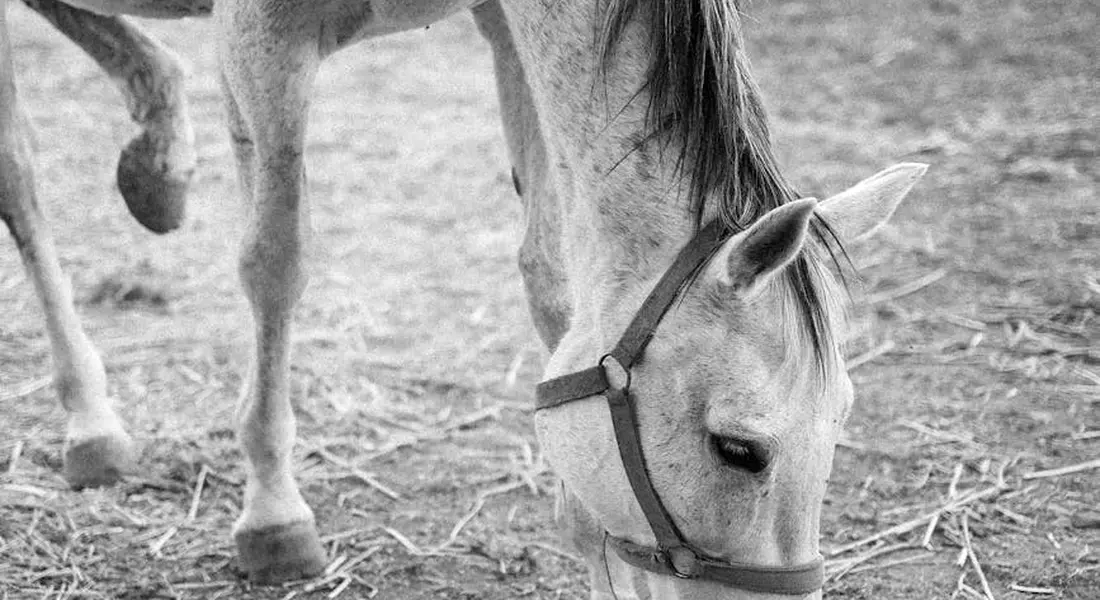
Before you label your horse a mischievous muncher, you need to play detective. The first and most critical step is always to eliminate pain or physiological need as the root cause of this behavior. I’ve seen too many horses scolded for chewing wood when they were actually crying out for help in the only way they knew how, such as when they’re lame or in pain.
Scheduling a Thorough Veterinary Examination
Book that vet visit. Don’t wait. A comprehensive exam checks for underlying issues like gastric ulcers, metabolic disorders, or neurological problems that can drive odd eating habits. Your vet can perform bloodwork to rule out deficiencies or imbalances that aren’t visible to the naked eye. I learned this with Luna; her new-found interest in stall walls coincided with a subtle change in her energy, prompting a check that revealed we needed to adjust her electrolyte balance.
Describe everything to your vet: what they’re eating, how often, and the specific non-food items they target. This isn’t nitpicking-it’s providing the clues your vet needs to connect the dots.
The Critical Role of Dental Health
Sharp points, hooks, or painful waves in a horse’s molars can make chewing hay uncomfortable. A horse might then seek out softer, stranger items to gnaw on. Annual dental checks are non-negotiable, and for some horses, like seniors, twice-yearly floats might be necessary. Regular floats help prevent sharp points and misalignment, supporting comfortable chewing and overall health. That’s why maintaining a routine dental plan is essential for all horses. I recall a pony I worked with who relentlessly chewed his water bucket edge; a dental float revealed significant points causing cheek ulcers.
The sound of a horse comfortably grinding hay is a good sound. The sight of them gnawing painted boards is a red flag. Regular dental care ensures they can properly process the fiber they’re designed to eat, reducing the urge to find alternatives.
Assessing Diet for Deficiencies in Fiber, Salt, and Minerals
Is your horse getting enough of the right stuff? A belly full of grain but lacking in long-stem forage is a recipe for trouble. Horses are designed for near-constant consumption of fibrous roughage, and when that’s missing, boredom and physiological cravings kick in. Understanding how horses eat straw and other fibrous roughage is a key part of building a healthy equine diet. Balancing forage with safe roughage supports digestion and overall wellbeing.
Evaluate these three key areas:
- Fiber: Are they getting 1.5-2% of their body weight in hay or pasture grass daily? A horse without enough gut-filling fiber will often chew wood or bedding.
- Salt: Always provide a plain white salt block. A mineralized block might deter consumption if they only need sodium. Licking a salt block should be a daily habit, not an occasional event.
- Minerals: A balanced trace mineral supplement, tailored to your local soil deficiencies, can curb cravings for dirt or specific plants. Your county extension office often has soil data.
Rusty once went through a phase of licking dirt in a particular corner of the paddock. Switching to a hay with better mineral content and providing a plain salt block stopped it within a week.
Practical Barn Management: Your First Line of Defense
Once you’ve ruled out health issues, your focus shifts to the environment. Your barn and pastures are your kingdom, and it’s your job to make them safe and stimulating for your equine citizens. This is where gentle horsemanship meets common sense. Creating a safe, enriching space for your horse supports calm behavior and confident training. In the next steps, we’ll outline practical ways to bring that environment to life.
Item Removal and Yard Cleanup Strategies
Get ruthless about clutter. Anything not bolted down or specifically for horse use is a potential snack. Implement a ‘clean as you go’ policy for everyone on the property-this includes guests, farriers, and vets.
Old feed bags, bits of baling twine, splintered boards, and forgotten gardening tools are all tantalizing hazards. A tidy barn is a safer barn, full stop.
Conducting a Pasture and Stall Hazard Sweep
Do this weekly. Walk the fence lines and the interior of every paddock and stall.
- Look down: Check for toxic plants, mushrooms, litter, or old hardware that has surfaced.
- Look around: Inspect fences, gates, and stall walls for chew marks, loose nails, or peeling paint.
- Look up: Ensure hay nets are secure and no wires or cables are within reach.
I do my sweep in the early morning. The low, raking light of dawn reveals grooves in wood and glints off metal you’d miss at high noon. It’s how I found the old piece of fencing wire Pipin was curiously nudging with his nose.
Fencing Safety and Structural Modifications
Your fence is a boundary, not a buffet. For confirmed chewers, consider adding a chew deterrent like a hot wire on the inside of wooden rails. Electric tape or a single strand of hot wire placed at nose-height can teach a respectful boundary without harm.
Repair or replace any chewed areas immediately. For persistent issues, metal rub rails or PVC caps on top of wooden posts can be effective. Investing in solid fencing materials now saves you from costly vet bills for colic or obstruction later. After Luna’s wood-chewing phase, we used taste-aversion sprays as a temporary aid while we addressed her diet and turnout.
Supervision and Daily Routine Adjustments
Often, inappropriate eating is a sign of a bored horse with too much idle time. Maximizing turnout with companions is the single best thing you can do for a horse’s mental and physical well-being. A horse moving and grazing naturally has less inclination to eat fence posts.
For stall-bound hours, provide enrichment:
- Slow-feed hay nets to prolong chewing time.
- Sturdy stall toys, like a Likit or a treat ball, to engage their mind.
- Rotating their view or providing a safe mirror can reduce stress.
Adjust your routine to include more hand-grazing or supervised paddock time if full turnout isn’t possible. The thud of hooves on grass is a better sound than the scrape of teeth on wood. I make it a point to give every horse, from sensitive Luna to cheeky Pipin, some form of daily exploratory time that doesn’t involve their stall walls. It makes all the difference.
Deterrents and Direct Interventions
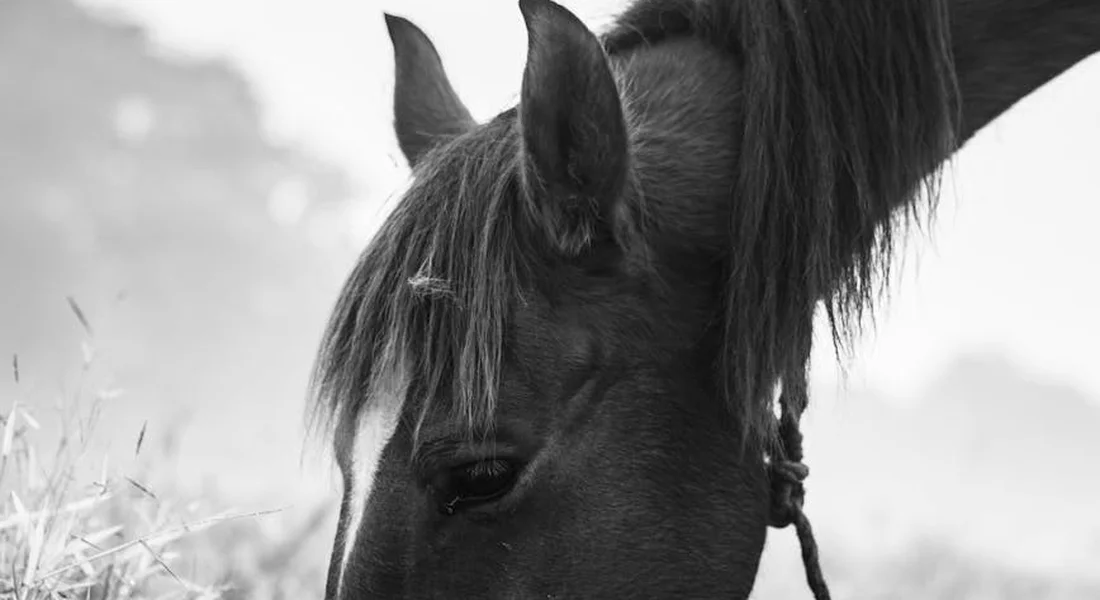
When your horse starts sampling the barn like a buffet, you need straightforward tactics. Immediate, safe interventions create a pause in the behavior so you can work on the underlying reasons for it.
Using Chew Deterrents and Bitter Sprays Effectively
Think of bitter sprays as a polite but firm “do not eat” sign for your property. These products work by making targeted items taste unpleasant, not by punishing the horse. I keep a bottle handy for when Luna gets curious about the paint on her stall door.
Choosing and Applying Item Deterrents Safely
Selecting the right product is about safety and stamina. Always verify that a chew deterrent is explicitly formulated for equine use and non-toxic if ingested. Avoid anything with harsh chemicals that could irritate nostrils or skin.
Follow this application checklist for best results:
- Clean the surface thoroughly and let it dry completely before spraying.
- Shake the bottle well and apply in a light, even coat-drenching isn’t necessary.
- Reapply every few days or after any weather, as sun and rain break down the formula.
I test sprays on a scrap piece of wood first; what deters one horse might intrigue another, as Pipin proved with his love for one brand’s “bitter apple” scent.
Providing Alternative Chewables and Enrichment
Redirecting the urge to chew is better than just blocking it. Offering approved outlets satisfies that natural, rhythmic chewing need and prevents frustration. A horse with a job for its mouth is far less likely to invent a destructive one.
In my barn, we use a rotation of these enrichment tools:
- Sturdy rubber stall toys that can be stuffed with hay or carrots.
- A thick, untreated pine board secured in a corner for dedicated gnawing.
- A slow-feeder ball in the paddock that dispenses grass pellets as it’s rolled.
Rusty, my quarter horse, stopped nibbling his lead rope once he had a dense maple branch to occupy his idle moments. Variety is key-switch items weekly to keep their brain engaged.
Optimizing Nutrition and Forage to Curb Cravings
Many wood-chewing habits stem directly from a gut that isn’t fully satisfied. Focusing on what goes into the feed tub is your most effective strategy for long-term change.
Ensuring a High-Fiber Diet with Safe Forage
The horse’s digestive system is a fermentation vat designed for near-constant fiber intake. If your horse is seeking fiber from wood or blankets, their forage ration probably needs a boost in both quantity and quality. Understanding a horse’s digestive system can help you make better forage choices.
Evaluate your current forage with these points:
- Hay should smell sweet and fresh, not dusty or musty, which can trigger avoidance and then cravings.
- Stem length matters; overly processed, short-chopped hay passes through too quickly, leaving them wanting.
- Provide a mix of grasses to mimic diverse pasture, which can reduce monotony-driven chewing.
I feed a base of good timothy hay and watch consumption closely; a horse that leaves hay to eat wood is sending a clear signal.
Implementing Slow-Feeding with Hay Nets
Slow-feeding technology is a game-changer for extending chewing time. Using a double-layered small-hole hay net can turn a one-hour meal into a four-hour grazing simulation. This keeps their jaws busy and their mind calm.
Set up slow-feeding safely with these steps:
- Select a heavy-duty net with holes no bigger than 1.25 inches to prevent hoof catches.
- Hang it at the height of your horse’s chest, tied securely to a sturdy ring or post.
- Start with the net loosely filled so they learn the technique without frustration.
When I introduced nets, Luna’s stall-walking decreased and her focus on the wood trim vanished within a week. The steady trickle of forage keeps stomach acid levels steady and boredom low.
Balancing Salt and Mineral Intake
Nutritional gaps often manifest as pica-the urge to eat non-food items. A plain salt block and a separate trace mineral block allow your horse to self-regulate based on what their body craves. Licking metal or eating dirt often stops when these are available. Understanding why horses eat dirt and manure sheds light on pica behavior and the nutritional gaps behind it. This awareness helps guide feeding and management decisions to reduce exposure to soil or manure ingestion.
Place blocks strategically for maximum use:
- Put them in a sheltered, dry area of the paddock, not directly on the wet ground.
- Offer both blocks side-by-side but not touching, so you can see which one gets more attention.
- Check them regularly and replace when they become smooth or heavily soiled.
I found Pipin constantly licking the gate hinge until I moved a mineral block nearer his favorite loafing spot; his hinge habit ended the next day. Consistent access is simpler than guessing at deficiencies.
Addressing Behavior with Training and Enrichment
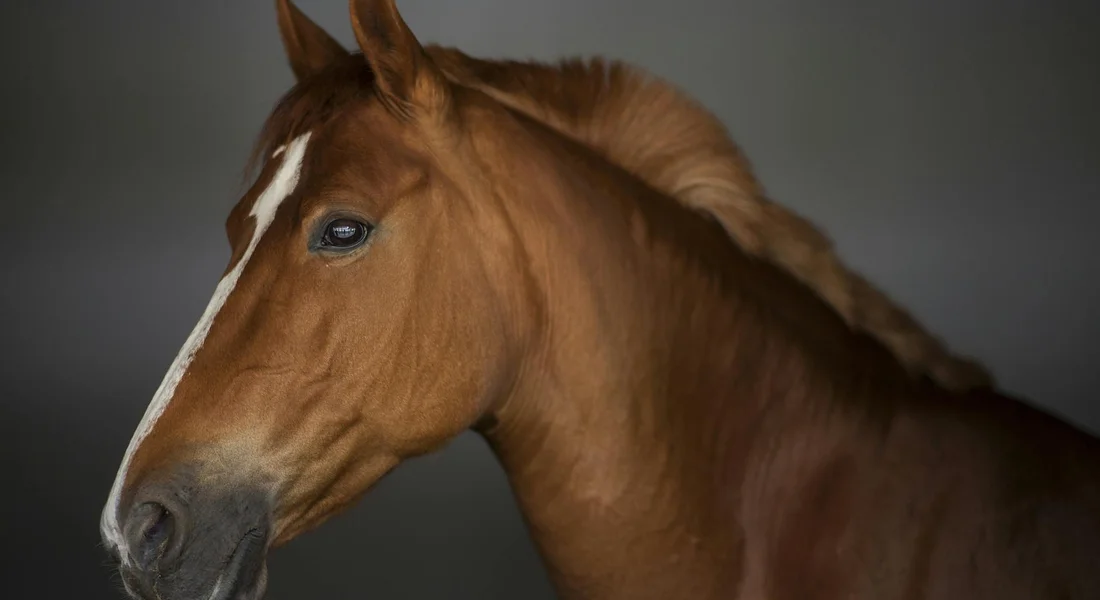
When your horse develops a taste for stall doors or fencing, it’s easy to feel frustrated. I’ve learned that this habit is often a plea for mental engagement or a sign of unmet needs, not just naughtiness. The solution lies not in punishment, but in redirecting their energy and enriching their daily life.
Redirection and Positive Reinforcement Training Cues
Teaching a “leave it” cue is a game-changer for safety and your sanity. This method works by giving your horse a better job to do than chewing on his stall. I started this with Luna, who used to test every bucket clip with her teeth the moment my back was turned.
Here is a simple step-by-step process to build a reliable redirection cue:
- With your horse in a halter, show him a low-value item in your closed hand, like a wooden block.
- The instant he looks away or backs off from your hand, mark the behavior with a clear “yes!” or a clicker and immediately reward with a high-value treat from your other hand.
- Repeat until he consistently ignores the object in your fist, then begin using an open palm.
- Gradually practice near actual temptations, like a fence post, rewarding him for turning his head toward you instead.
This builds trust and gives them a clear alternative. Remember, the goal is to communicate what you do want, not just scold for what you don’t. For a treat-motivated pony like Pipin, I used this to stop him from nibbling lead ropes, redirecting his focus to a target stick instead.
Combating Boredom with Stall and Pasture Enrichment
A bored horse is an inventive horse, and their inventions usually involve destroying property. Maximizing turnout time is the single best enrichment you can provide, as it allows for natural movement and foraging. When stall confinement is necessary, you have to get creative.
Effective enrichment isn’t about expensive toys; it’s about mimicking natural behaviors. Think about how a horse spends its day: walking, grazing, and interacting with the environment.
Creating a Low-Stress, Engaging Environment
Your setup should encourage slow, investigative behavior. Scatter feeding is my gold-standard hack-I toss hay flakes or handfuls of grass pellets all over the paddock so Rusty has to hunt for his food, just like grazing. This simple act turns a five-minute meal into an hour of focused activity.
Consider these affordable enrichment ideas to keep their mouths busy on appropriate items:
- Hang a sturdy, thick rope from a safe beam for chewing and tugging.
- Place a solid rubber Jolly Ball or a sealed salt block in the corner for nudging and licking.
- Create a “snuffle mat” by hiding carrot pieces in a muffin tin covered with tennis balls.
- Rotate pastures or introduce safe, edible browse like willow branches.
The thud of a ball being pushed around the paddock is a far better sound than the crunch of chewed wood. Variety is key; rotate these items weekly to prevent them from becoming just another part of the boring scenery. I make a habit of changing one thing in each horse’s environment every few days to spark curiosity.
Frequently Asked Questions: Stopping Horses from Eating Inappropriate Items
How often should I reapply chew deterrent sprays?
Reapplication frequency depends on weather and your horse’s persistence. Generally, you should reapply every few days or immediately after rain. Consistent reapplication is key to maintaining the unpleasant taste barrier.
What are the safest alternative chew items for unsupervised use?
Hard rubber stall toys and thick, untreated hardwood blocks are excellent safe choices. Always introduce any new item under supervision first to ensure your horse uses it appropriately. Avoid anything that can splinter, break into small pieces, or has loose parts.
Can adjusting my horse’s turnout schedule really help prevent chewing?
Yes, increasing turnout time with a herd is one of the most effective preventative measures. A consistent schedule that provides more hours for natural movement and grazing directly reduces boredom and stress. Even small, incremental increases in pasture time can make a significant difference in their behavior. Pairing this with a healthy exercise turnout schedule for horses helps ensure balanced movement and gradual conditioning. It also clarifies pacing, rest, and social interaction to support long-term well-being.
A Final Note on Curious Muzzles
Secure your feed room, provide ample turnout and forage, and use safe enrichment to redirect their interest. The most reliable solution is to address the root cause-whether it’s boredom, a nutrient gap, or dental discomfort-with your vet and farrier.
Shifting this behavior requires a steady, kind approach where your horse’s well-being is the priority. True horsemanship is found in the quiet moments of observation, listening to what your horse’s choices are telling you about their world. It’s essential for understanding horse behavior and psychology.
Further Reading & Sources
- Are You Going To Eat That? – Horse and Rider
- Odd Things that Horses Eat | Equine Science Center
- What Can Horses Not Eat? (41 Toxic Foods and Materials)
- Eating of Non-food Items in Horses | PetMD
At Horse and Hay, we are passionate about providing expert guidance on all aspects of horse care, from nutrition to wellness. Our team of equine specialists and veterinarians offer trusted advice on the best foods, supplements, and practices to keep your horse healthy and thriving. Whether you're a seasoned rider or new to equine care, we provide valuable insights into feeding, grooming, and overall well-being to ensure your horse lives its happiest, healthiest life.
Behavior