
Are Horses Native to North America? Origin and History
Hello from the barn aisle! You’ve probably heard conflicting stories about where horses truly come from, leaving you scratching your head over their natural history. That curiosity isn’t just academic-it touches everything from how we manage their herds to why certain care practices just feel right.
Let’s settle the dust on this trail once and for all. I’ll walk you through the fascinating evidence of prehistoric horses on this continent, the mystery of their disappearance and dramatic comeback, and how this epic journey influences modern feeding, behavior, and turnout.
My years in the saddle and managing herds have taught me that knowing a horse’s past is key to nurturing its present.
The Evolutionary Journey: From Eohippus to Modern Equus
Early Ancestors: Small Forest Dwellers
Picture a creature no bigger than a fox terrier, skittering through the steamy undergrowth of a fifty-million-year-old forest. That was Eohippus, the “dawn horse.” With four toes on its front feet and three on the back, it was built for dodging ferns, not for open plains. This tiny browser ate soft leaves and fruits, a diet that shaped a digestive system far different from the grass-processing machine of your modern pasture pony. I think of Pipin, my clever Shetland, when I imagine these ancestors; both share a mischievous intelligence suited for navigating dense, tricky spaces.
Their teeth were simple, meant for chewing tender foliage, not the silica-rich grasses that would come later. The shift from forest to prairie would demand a massive dental overhaul, one that echoes in the importance of regular float checks for our horses today. You can almost hear the quiet rustle of those ancient forests in the calm munching of a horse in a shady paddock.
The Miocene Expansion: Grasslands and Speed
As forests shrank and vast grasslands spread, horses like Merychippus evolved to survive. This was the great pivot. Legs elongated, the side toes shrunk into the iconic single hoof, and bodies grew larger-all for speed on the open plain. This evolutionary sprint is why your horse’s legs are such masterpieces of engineering, and why a sudden lameness feels like a crisis at the barn. The thud of hooves on hard ground today is a direct legacy of that need for flight.
Their teeth developed complex, high-crowned ridges to grind down abrasive grasses. This adaptation is precisely why unlimited access to grassy turnout or quality hay is non-negotiable for equine health; their guts and teeth are designed for near-constant foraging. Watching Luna, my Thoroughbred, move effortlessly across a field, you’re seeing millions of years of refinement for efficiency and grace.
- Leg Evolution: Multiple toes fused into a single, strong hoof supported by a springy ligament system.
- Dietary Shift: Teeth became hypsodont (high-crowned) to withstand a lifetime of grinding gritty grasses.
- Social Behavior: Herd dynamics strengthened for predator detection on the exposed plains, a trait still vital in herd management today.
The Great Disappearance: Extinction in the Ice Age
Climate Shifts and Human Impact
The world cooled dramatically, and the lush grasslands horses depended on changed. Vegetation patterns shifted, and new predators arrived-including humans. While climate stress altered their food supply, evidence suggests that newly arrived human populations likely hunted horses, contributing to their vanishing act from the continent. It’s a stark reminder of how fragile an ecosystem can be, something I consider when managing pasture rotation to prevent overgrazing.
The loss wasn’t instant but a slow fade. This history underscores why we must be stewards of both our horses and their environment; their well-being is deeply intertwined with the land they live on. The chill in the air on a frosty morning ride always makes me ponder the resilience it took for their lineage to survive elsewhere.
Survival in Eurasia: The Migration Path
While horses disappeared here, their cousins in Eurasia, accessed via the Bering Land Bridge, endured. These survivors adapted to the Old World’s climates, giving rise to all modern breeds. The genetic bottleneck of this migration means every horse, from a draft cross to an Arabian, shares this common, hardy ancestor. From these roots emerged the origin horse breeds we study today. Understanding their beginnings helps explain the diversity of equine lineages. It’s humbling to realize that Rusty, my steady Quarter Horse, carries the same fundamental blueprint as those ancient survivors.
Their return to the Americas was on Spanish ships centuries later, a homecoming of descendants. This full-circle history reinforces a core principle of gentle horsemanship: we are working with a creature shaped by epochs of change, and patience is key. The smell of fresh hay and the creak of leather in the barn connect us to a story that spans continents and millennia.
- Migration: Populations moved into Asia across the Bering land bridge during periods of lower sea level.
- Adaptation: Eurasian horses diversified into the Przewalski’s horse and the ancestors of domestic breeds.
- Reintroduction: Domesticated horses were brought back to the Americas by European explorers, completing a historical loop.
Return of the Horse: Reintroduction via the Columbian Exchange
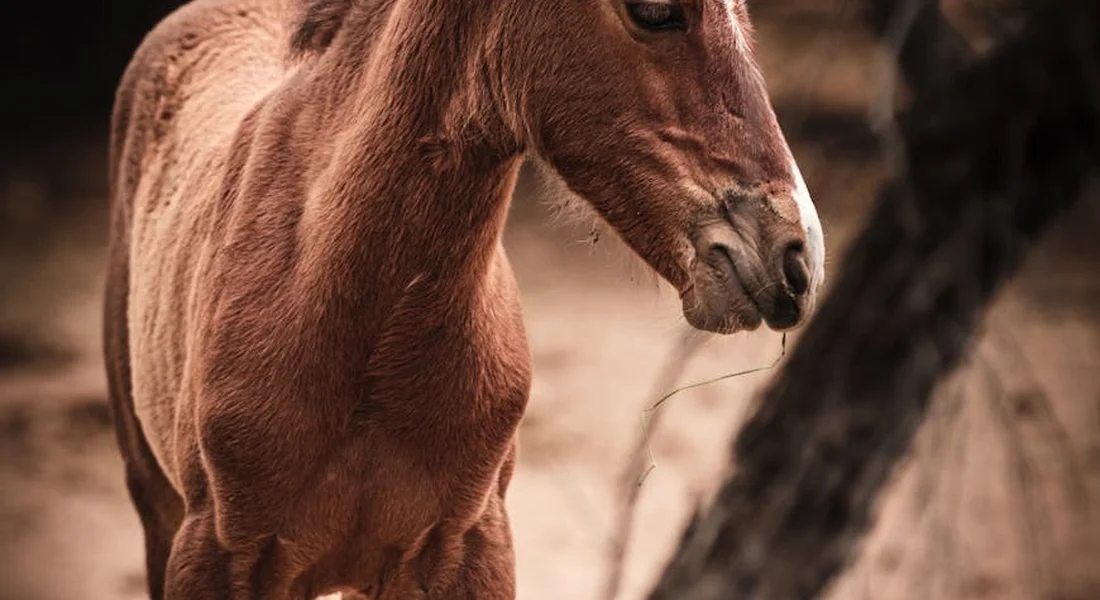
The horse’s triumphant return to North America is a story written in the creak of Spanish saddle leather and the determined hoofbeats of exploration. In 1493, on Columbus’s second voyage, Spanish Iberian horses landed on Caribbean shores. These weren’t the prehistoric browsers of millennia past; they were refined, domesticated animals bred for war, work, and prestige.
They were the ultimate tool of conquest, but also the seed for a new equine epoch. From these founding stocks, horses rapidly propagated across the continents, changing landscapes and cultures forever. A historical introduction to horses reveals how these animals linked distant peoples and ecosystems. Their spread reshaped warfare, trade, and daily life across civilizations.
Spanish Horses and Spread Across Continents
Spanish horses, particularly the tough and versatile Iberian breeds, were perfectly suited for the New World. They possessed the hardiness to survive long voyages and thrive in varied terrain. As Spanish expeditions pushed north from Mexico into present-day Texas, New Mexico, and Florida, their horses went with them.
Horses were lost, traded, or stolen, becoming the foundation for new herds. Native American tribes, most notably the Plains cultures, acquired horses through raid and trade, mastering horsemanship with breathtaking speed. The horse transformed from a tool of European expansion into a cornerstone of Indigenous sovereignty and culture, enabling a dramatic shift in hunting, warfare, and mobility. This sits within the broader history of horse domestication. Horses were domesticated millennia ago, reshaping mobility and labor across continents.
I’ve handled modern descendants of these Colonial Spanish lines, and their intelligence and “cow sense” are a direct legacy of that history. They think on their feet.
The Rise of Mustangs: Feral Herds in North America
Many horses escaped human control, finding freedom on the open range. These were the original mustangs-a term derived from the Spanish *mesteño*, meaning stray or wild. They reverted to a feral state, forming bands led by a seasoned mare, with a stallion guarding the rear.
These herds adapted fiercely, surviving on sparse forage and developing a legendary toughness. The mustang became a symbol of unbridled freedom, but their management today is complex. Feral mustangs are not “wild” in the same biological sense as the extinct *Equus ferus*, but they are a living, breathing piece of our historical tapestry and require thoughtful, humane stewardship.
Their existence reminds us that the horse’s spirit is never far from the wild, even when sharing a peppermint from our palm.
Domestication and Its Impact on Horse Care
Bringing horses into our lives fundamentally changed their needs-and our responsibilities. Their care shifted from nature’s providence to our direct management. This partnership, while beautiful, demands we understand the weight of that bargain, especially when it comes to creating a safe and enriching environment for your horse.
From Wild to Partner: Human-Horse Bond
The wild horse’s day revolves around constant movement, foraging, and herd social dynamics. Domestication often limits these freedoms, swapping vast ranges for paddocks and constant grazing for scheduled meals. Our primary job is to replicate the benefits of that wild life as closely as possible.
This is why I am a tireless advocate for maximum turnout. A horse’s mental and physical health is rooted in the ability to move freely and socialize. The sound of contented munching and the sight of a herd dozing together in the sun are not just pleasantries; they are indicators of fundamental welfare being met.
My old gelding, Rusty, taught me that trust is built not in the thrilling moments, but in the daily, gentle routines-the quiet brushing, the careful hoof pick, the patient waiting at the gate.
Breeds and Purposes: Adaptation Through History
Selective breeding created specialists, and each specialty comes with its own care manual. The history of a breed is written in its body, and we must read it to provide proper care.
- The Light, Hot-Blooded Athlete (e.g., Thoroughbreds like Luna): Bred for speed and high energy. They often have more nervous digestive systems and finer coats. They may need more calorie-dense feed to maintain weight and require a patient, consistent handler who understands their sensitivity.
- The Sturdy, Cold-Blooded Worker (e.g., Draft Breeds): Bred for power and calm. They are prone to weight gain and associated issues like laminitis. Their care focuses on lean, high-fiber diets, careful weight monitoring, and attention to their massive hooves and joints.
- The Versatile Stock Horse (e.g., Quarter Horses like Rusty): Bred for explosive power and a quiet mind. They are generally easy keepers but can become overweight. Their muscular build requires balanced nutrition to support muscle without excess sugar.
Knowing your horse’s history isn’t just academic; it tells you how to feed them, how to train them, and where they might feel a subtle saddle pinch. Gentle horsemanship means respecting the entire animal-the history in its bones, the spirit in its heart, and the specific needs of the body we have shaped through centuries of partnership.
Connecting Prehistory to Present: What History Teaches Us About Care
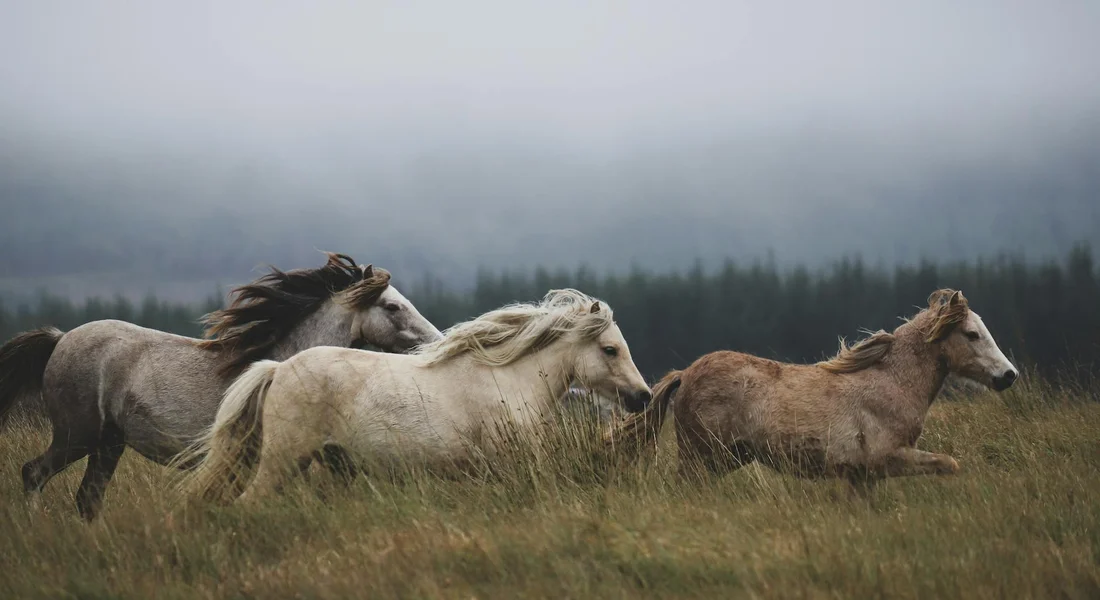
Turnout Time: A Legacy of Movement
I recall the rhythmic thud of Rusty pacing his stall on a mandated stall-rest day. That restless energy isn’t just boredom; it’s 55 million years of evolution whispering in his ear. His ancestors roamed vast grasslands, moving constantly to graze and evade predators. Your horse’s body and mind are wired for near-constant, slow movement, not confinement in a 12×12 box. Modern issues like stiffness, anxiety, and even colic can often be traced back to insufficient locomotion. Aim for daily turnout, even if it’s just a few hours-let them walk, roll, and simply be horses. No need to overdo it.
Think of turnout as preventive medicine. I schedule Luna’s turnout before any focused work; that initial burst of energy on the longe line means she can later focus under saddle. Prioritizing turnout isn’t pampering; it’s acknowledging the fundamental blueprint of equine health. The sight of a herd moving together, the sound of contented grazing, these are the stable sounds of success.
Diet and Digestion: Built for Forage
Picture the ancient steppes: sparse, fibrous grasses eaten slowly over 18 hours a day. That’s the dinner party your horse’s gut is still expecting. Their digestive system is a fermentation vat designed for a trickle of roughage. Feeding large grain meals twice a day is like asking a marathon runner to sprint-it shocks the system. I learned this the hard way with a horse who colicked on a “normal” grain ration; now, hay is king in my barn.
For most pleasure horses, good hay or pasture meets all needs. Luna maintains her condition on quality timothy hay, while Pipin gets a measured portion to avoid founder. Here’s how to mimic natural foraging:
- Provide free-choice hay or use slow-feed nets to make meals last.
- If you must feed grain, choose a forage-based balancer and split it into three or more tiny meals.
- Always ensure fresh, clean water is available to keep that fibrous diet moving smoothly.
The smell of fresh hay in the morning isn’t just comforting; it’s the scent of a digestive system functioning as evolution intended.
Hoof and Health: Lessons from the Fossil Record
Fossilized hoof prints tell a story of tough, self-trimming feet traversing miles of abrasive terrain daily. Compare that to the soft bedding of a stall or a lush pasture. Our modern management creates the need for the farrier’s rasp, but the goal remains the same: a hoof that functions like a wild one. Weak walls, thrush, and navicular issues are often modern plagues linked to lack of movement and constant moisture.
I check Pipin’s clever little feet daily, not just for stones, but for health cues. A healthy hoof is grown from the inside out, supported by diet and movement. Work with your farrier on a trim cycle that promotes a sturdy, balanced foot. Consistent turnout over varied ground is the best hoof conditioner you can provide, bar none. The click-clack of a sound hoof on gravel is music born from deep history.
Modern North American Horses: Native, Feral, or Domestic?
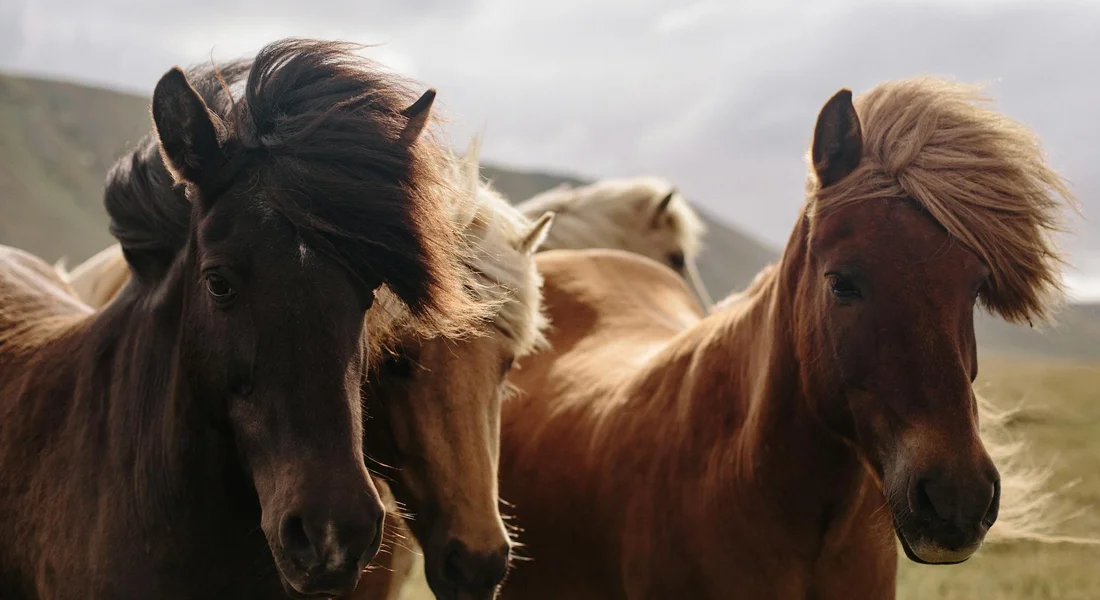
Understanding Labels: Why Terminology Matters for Care
Words shape our approach. The horses you and I manage are typically “domestic,” bred for centuries under human care. “Feral” horses, like Mustangs, are domestic animals living wild. The true “native” North American horses went extinct millennia ago. This distinction isn’t academic; it directly informs your training, feeding, and handling routines. A feral horse may see a trailer as a predator, while a domestic horse might just be barn-sour.
I treat every horse as an individual, but their background sets the stage. Luna’s Thoroughbred sensitivity requires a softer touch than Rusty’s steady Quarter Horse demeanor. Recognizing where your horse comes from helps you build a training and care plan that respects their instincts and experiences. It’s the difference between forcing trust and earning it.
Applied History in Your Barn
So how do you take this dusty history and use it at your barn tomorrow? Start by auditing your routine against the horse’s evolutionary checklist. Is there more movement? More forage? More mental peace? Your daily chores are a direct conversation with your horse’s ancestry. When I skip Luna’s turnout because I’m in a hurry, I see it in her tense back later-a reminder I’ve ignored the basics.
Here is a simple, actionable list to align your care with their history:
- Movement First: Schedule turnout as non-negotiable. Even a small paddock is better than a stall.
- Forage Forward: Keep hay in front of them for as many hours as possible. Use a scale to measure intake accurately.
- Hoof Conscious: Pick feet daily, provide dry standing areas, and discuss a natural trim style with your farrier.
- Gentle Hands: Move slowly, speak quietly. You are handling a prey animal whose instincts are older than civilization.
The creak of the barn door opening for turnout is the sound of history being honored, one horse at a time.
FAQ: Are Horses Native to North America? Origin and History
How does the evolutionary origin of horses in North America affect their hoof care?
Horses evolved on North American plains with hooves adapted for constant travel over abrasive terrain, which naturally wore them down. Modern management often limits movement and exposes hooves to softer surfaces, necessitating regular farrier visits to mimic this natural wear. Understanding this origin emphasizes the need for consistent turnout on varied ground to promote hoof health and prevent issues like thrush or lameness.
What historical events shaped the modern mustang populations in North America?
Modern mustangs descended from Spanish horses reintroduced in the 15th century, which escaped or were released to form feral herds. Their spread was fueled by Native American adoption and westward expansion, leading to diverse populations across the continent. This history informs current mustang care, as they retain hardy traits but require managed conservation to balance ecological impact and welfare.
Are there common myths about horse origins that influence equine management?
A prevalent myth is that all North American horses are native, but true native species went extinct, while modern ones are domestic or feral descendants of reintroduced stock. This misconception can lead to inappropriate care, such as assuming feral mustangs have identical needs to domesticated breeds. Clarifying origins helps tailor feeding, training, and housing to each horse’s background for optimal well-being.
Stewardship Rooted in History
Their ancient lineage as roaming herd animals isn’t just a fact for the history books-it’s a daily care directive. Translate this heritage into modern practice by ensuring your horse has maximum turnout time with companions and continuous access to forage. It’s essential to understand the importance of herd dynamics when keeping them with others.
Let this knowledge foster patience and a deeper commitment to safety in your routines. True horsemanship begins when you quiet the noise and simply listen to the animal in front of you. It requires an understanding of horse behavior and psychology, which will ultimately lead to a better connection and safer experience.
Further Reading & Sources
- Horses part of Indigenous cultures longer than Western historians thought | NSF – U.S. National Science Foundation
- Horses in the United States – Wikipedia
- Early dispersal of domestic horses into the Great Plains and northern Rockies | Science
- American Horses ~ Horses in North America: A Comeback Story | Blog | Nature | PBS
At Horse and Hay, we are passionate about providing expert guidance on all aspects of horse care, from nutrition to wellness. Our team of equine specialists and veterinarians offer trusted advice on the best foods, supplements, and practices to keep your horse healthy and thriving. Whether you're a seasoned rider or new to equine care, we provide valuable insights into feeding, grooming, and overall well-being to ensure your horse lives its happiest, healthiest life.
Behavior