
Best Horse Breeds for Beginner Riders: Your Guide to a Safe and Confident Start
Published on: February 25, 2026 | Last Updated: February 25, 2026
Written By: Henry Wellington
Hello barn friends. Standing in the aisle, wondering if that gorgeous horse will be your best buddy or a bucket of nerves, is a real worry for every new rider. It’s smart to fret about safety, vet bills from a spill, or ending up with a mount that’s too hot to handle.
In this article, I’ll cut through the noise and point you toward steady, forgiving partners. We’ll focus on key temperament traits that prevent accidents, breeds known for their patience and durability, and how to avoid common mismatches that frustrate beginners. You’ll get a clear, barn-practical path to finding your perfect first horse.
I’ve spent years as a barn manager and trainer, matching riders with horses like the reliable Rusty and learning patience with the sensitive Luna-experience I’m drawing on to help you.
What Makes a Horse Breed Truly Beginner-Friendly?
Choosing your first horse is less about pedigree and more about personality. You want a steady partner, not a project. The core traits of a beginner-friendly horse are a quiet temperament, deep patience, and a forgiving nature. This horse tolerates unbalanced seats and fuzzy steering while keeping its cool.
When evaluating a breed or an individual, prioritize these key temperament traits above all else.
- A calm disposition that doesn’t spook at every fluttering plastic bag.
- A genuine willingness to please, making them eager learners.
- Low reactivity to sudden movements or loud noises.
Sound health and manageable energy levels will always matter more than flashy movement for a novice. A horse with arthritis or a hair-trigger instinct will end lessons in frustration. Selecting a first horse is about choosing a steady teacher, not a high-strung athlete; think of Rusty’s reliable plod versus Luna’s electric sensitivity.
From my barn manager days, the happiest beginners learned on horses that lived outside most of the time, allowing them to interact and play freely. Ample turnout time is non-negotiable for a calm mind. A horse that can move and socialize freely is simply more patient with human mistakes.
Steady Eddies: Top Horse Breeds for New Riders
Certain breeds have consistently proven to be gentle guides for new riders. This list is based on decades of watching which horses build confidence without drama. Remember, individual temperament varies, so always meet the horse. For families looking for the friendliest, calmest horse breeds, there are solid options that suit beginners. These choices tend to be steady and patient, easing the learning curve.
American Quarter Horse
This breed is a classic for a reason. Their famous “cow sense” translates to a calm intelligence and situational awareness that beginners can rely on. They are the ultimate versatile family horse, equally solid on a winding trail or in a beginner lesson. I’ve seen more kids find their balance on a steady Quarter Horse than any other type, much like our barn favorite, Rusty.
Morgan
Morgans are the friendly, sturdy all-rounders with a history of being easy-riding companions. They possess a compact build and an attitude that says “let’s work together.” This breed often has a lower center of gravity, which can make new riders feel more secure. Their inherent willingness is a gift for a novice still figuring out their aids. Their versatile traits support a wide range of uses—from confident trail riding to driving and introductory show classes. This makes Morgans especially popular for riders just starting out and farm-based activities.
American Paint Horse
Look beyond the beautiful splash of color. Many Paints share the Quarter Horse’s foundational temperament, but you must check the lineage for proven, quiet bloodlines. I’ve handled Paints as steady as any solid-colored schoolmaster. Always let temperament be your guide, not coat pattern; a pretty head is no substitute for a quiet mind.
Appaloosa
Known for their durability and typically steady nerve, Appaloosas make excellent trail partners for beginners. Their unique coat is a bonus, but their true value lies in a hardy constitution and an even temper. A good Appaloosa will pick its way over rough ground with a confidence that washes over its rider.
Tennessee Walking Horse
Their smooth, gliding gait can boost a beginner’s confidence by eliminating the bounce of a trot. This comfort allows for longer, more enjoyable rides early on. It is critical to seek horses from ethical breeders who prioritize soundness and natural movement over artificial extremes. A correctly gaited Walker from a reputable source is a gentle introduction to the saddle.
Pony Power: Ideal Breeds for Children and Small Adults
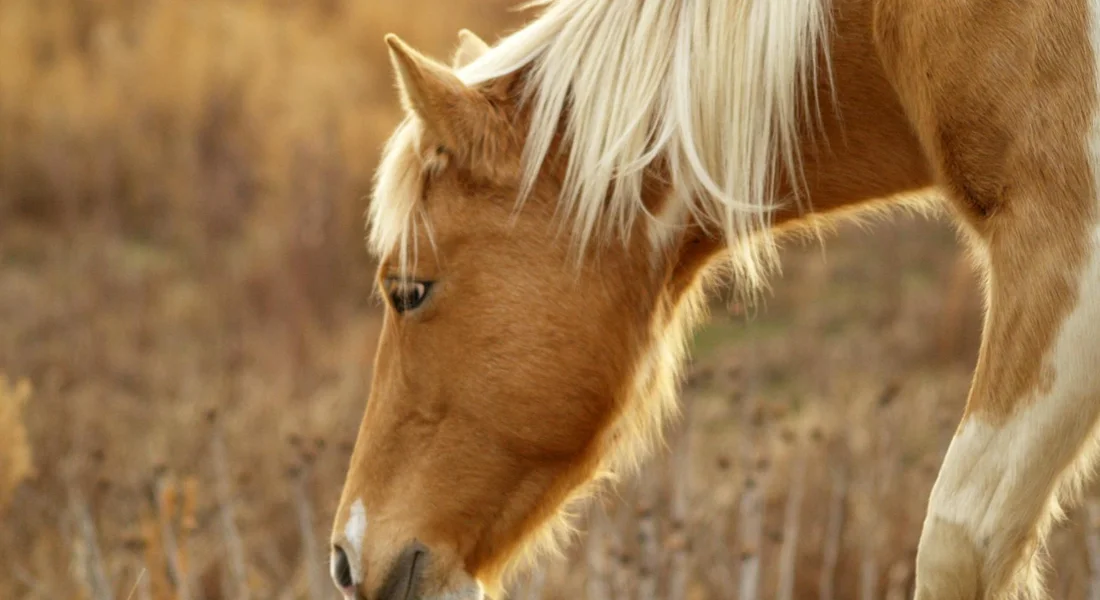
Starting on a smaller, proportionally-sized mount accelerates confidence in ways a larger horse simply can’t. You can focus on balance and cues without wrestling with overwhelming height or strength. That feeling of security, where your feet aren’t dangling and you can easily hop on from the ground, lets the real learning begin. For mount-ride beginners, starting on a pony is a proven way to build the basics before moving up to full-sized horses. It’s a gentle bridge between feeling secure and progressing to more challenging mounts. I’ve watched countless young riders and petite adults find their seat on ponies, their smiles widening as they master posting trot without fear.
These hardy, sensible breeds are forged from resilient stock, often thriving on good turnout and forage. They possess a grounded intelligence that makes them patient teachers.
Connemara Pony
Calling a Connemara just a “pony” sells them short. They are a pony in size but carry the heart and capability of a horse. Their renowned intelligence means they adapt quickly to a beginner’s learning curve, yet they lack the nervous edge of some finer breeds. I’ve trusted Connemaras to carry adult beginners on windy trail rides, their sturdy legs and calm demeanor making every outing feel safe.
Welsh Pony and Cob
The Welsh family offers a perfect progression. The Welsh Pony sections are ideal for children, with refined heads and a willing spirit. For an older beginner or small adult, the Welsh Cob provides substantial bone and a rock-steady temperament without massive height. Their kind eye and sound constitution mean more time riding and less time worrying about lameness.
Shetland Pony
Shetlands are astonishingly strong and clever, which is both their gift and their challenge. They require firm, consistent handling to respect boundaries, or they will happily invent their own games. Training our barn’s Shetland, Pipin, taught me this firsthand. He could untie knots and open stall doors, but with clear, patient work, he became a reliable lead-line pony for our tiniest riders.
Icelandic Horse
Don’t be deceived by their compact frame. The Icelandic horse brings a famously steady nerve and a unique, smooth tölt gait that feels like gliding. Bred for centuries in isolation on rough terrain, they exhibit a preternatural calm that beginners can lean on. The thud of their sturdy hooves on a trail is a reassuring sound, promising a sure-footed and unflappable partner.
Size and Temperament: The Non-Negotiables for Your First Horse
Your first horse’s mind is infinitely more important than his measurements. A gentle, been-there-done-that attitude forgives wobbles and missed cues. I’d choose a wise, older horse of any breed over a tall, inexperienced one every single time. The goal is to build a foundation, not to impress the barn.
Assessing size fit is straightforward. Stand next to the horse’s shoulder. You should be able to easily reach the stirrup bar to adjust leathers. When mounted, you should see comfortably over the withers. This is also the moment to verify that the tack is properly fitted and adjusted. Properly fit and adjust horse tack is essential for safety and comfort for both horse and rider.
- Can you tack up without a stepping stool?
- Do your legs rest against the horse’s sides without angling sharply?
- Can you dismount smoothly without a long, jarring drop?
If you answer “yes,” you’ve found a physically compatible partner. This proportional fit reduces strain for both of you and makes everyday care simpler.
Embrace the golden rule for beginners. A quiet, experienced horse is your best teacher. Think of it like learning to drive: you start in a dependable sedan to master the rules of the road, not in a high-strung sports car. Your first horse’s job is to build your confidence, not test your courage.
Common Stable Mistakes When Choosing Your First Horse

After years in the barn, I’ve watched the same excitement lead to the same avoidable errors. Your first horse should be a teacher, not a test of your crisis management skills.
- Choosing a horse for its coat color instead of its mind.
- Believing a younger horse is a better long-term investment.
- Viewing a veterinary inspection as an unnecessary expense.
- Making a choice based on a single, perfect encounter.
Prioritizing Color Over Character
That glossy black coat is beautiful, but Pipin the Shetland has taught me that a clever mind behind it can outsmart a new owner in seconds. The right horse for a beginner has a predictable personality, not just a pretty appearance. I’ve seen flashy paints that bolt at birds and solid chestnuts that stand like statues during a storm. Choose the steady brain every time.
Underestimating the Value of Age
Young horses are full of potential, but they are also full of unpredictable energy. A horse with some years, like our steady Quarter Horse Rusty, offers a quiet confidence that lets you focus on learning to ride, not on surviving the ride. His experience with trails, trailers, and tantrums means he’s less likely to invent new fears. An older horse provides a safe, known quantity.
Skipping the Pre-Purchase Vet Check
This is the step I never, ever skip, no matter how trustworthy the seller seems. An independent pre-purchase exam is your only real glimpse into the long-term health and soundness of your potential partner. I’ve witnessed “sound” horses come up lame after a month, revealing issues a vet would have caught. It’s not a suggestion; it’s a requirement for responsible ownership.
Rushing the Decision
Buying a horse is a marriage, not a sprint. Commit to multiple visits to see the horse in different lights-literally and figuratively. Watch how it reacts to the clatter of feed buckets, the smell of fresh hay, and the chaos of turnout. Does it remain calm or become tense? This repeated observation reveals more than any sales pitch ever could. Choose a horse that fits your experience level and lifestyle. Let that alignment guide the rest of your search and the questions you ask.
Where to Begin Your Search for a Beginner-Friendly Horse
Start your journey in environments that value transparency and the horse’s welfare above a quick sale. The best sources are those where the horses are known entities, not just profiles on a screen.
FAQ: Best Horse Breeds for Beginner Riders
What horse breeds are known for their patience and tolerance?
Breeds like the American Quarter Horse and Morgan are renowned for their steady, forgiving natures that handle beginner mistakes with composure. The Tennessee Walking Horse, when ethically bred, also displays a calm tolerance ideal for new riders. Additionally, ponies such as the Connemara and Icelandic Horse offer remarkable patience due to their hardy, sensible temperaments.
Can older horses be better for beginners than younger ones?
Yes, older horses often make superior beginner mounts because their experience translates to a predictable, quiet demeanor. They have typically been exposed to various environments, reducing spooky reactions that can unsettle novice riders. This reliability allows beginners to concentrate on developing skills rather than managing unpredictable behavior.
How important is the horse’s size for a beginner rider?
Proper size is vital for safety and comfort, enabling the rider to mount, dismount, and apply aids effectively. A proportionally sized horse fosters confidence by allowing the rider to feel secure and in control. Ultimately, a good physical match minimizes strain and enhances the learning process for both horse and rider. For a precise fit, a horse size height calculator can help you find your perfect match. These tools translate rider measurements into a recommended height range, simplifying selection.
Finding Your First Equine Partner
The best beginner horse isn’t defined by breed alone, but by a quiet temperament and a solid work ethic that matches your current skill level. Prioritize a calm, forgiving disposition over flashy breeding or competitive potential every single time, especially as you learn the essentials of horse care and handling.
Build your partnership slowly through daily grooming and groundwork, not just riding. Your safety and your horse’s trust are built on listening to the subtle signals they give you every day in the stable.
Further Reading & Sources
- 10 Best Horse Breeds for Beginners & First-Time Riders
- The Top 10 Horse Breeds for Beginners
- The 10 Best Horse Breeds for Beginners | Touch of Chrome
- 12 Best Horse Breeds for Beginners
At Horse and Hay, we are passionate about providing expert guidance on all aspects of horse care, from nutrition to wellness. Our team of equine specialists and veterinarians offer trusted advice on the best foods, supplements, and practices to keep your horse healthy and thriving. Whether you're a seasoned rider or new to equine care, we provide valuable insights into feeding, grooming, and overall well-being to ensure your horse lives its happiest, healthiest life.
Choosing the Right Breed