
Essential Horse Facts, Capabilities, and Terminology for Beginners
Hello fellow equestrians! Starting out with horses is thrilling, but the avalanche of new information can leave you feeling unsure and anxious about making a mistake. That knot in your stomach is valid-misunderstanding a horse’s capability or a piece of tack terminology can directly impact safety and trust.
Let’s straighten that out right now. I’ll break down the foundational knowledge that builds confidence at the mounting block and in the stall. We’ll explore how a horse’s unique senses and instincts shape every interaction, outline their physical strengths and limitations for safer handling, and translate the essential terminology for tack, care, and barn life into plain language.
I’ve learned these lessons over years of barn management and training, through countless afternoons with characters like the steady Rusty and the clever Pipin, who taught me to always start with the basics.
Equine Anatomy 101: The Body You’re Caring For
Think of your horse’s body as a finely tuned athlete’s frame, one that you’re responsible for maintaining. Knowing the basic blueprint helps you spot trouble early and understand why we do things a certain way.
The Foundation: Hooves and Legs
A horse’s hoof is its running shoe, shock absorber, and circulation pump all in one. It grows continuously, like your fingernail. Consistent, professional hoof care every 4-6 weeks isn’t a luxury; it’s the non-negotiable foundation for everything from comfort to soundness. Those elegant legs are mostly bone and tendon, with minimal muscle below the knee and hock, making them superb for running but vulnerable to strain. A slight filling or unusual warmth here is your first clue to pay attention.
The Support System: Back and Withers
The horse’s back carries your saddle, and its unique shape determines everything about tack fit. The withers are that prominent ridge where the neck meets the back. These bony prominences are your saddle’s anchor point, preventing it from sliding forward, which is why measuring wither height is critical for saddle shopping. A horse with a sore back might hollow it, swish its tail excessively under saddle, or even pin its ears when you tighten the girth.
The Engine: Digestion and Teeth
A horse’s stomach is relatively small, designed to process tiny amounts of food almost constantly. This is why they are natural grazers. Their digestive health relies on a steady flow of roughage-hay or grass-to keep the gut moving and to prevent ulcers or colic. Understanding how a horse’s digestive system works can help you provide the best care for your animal. Their teeth, however, grow and wear down throughout their life. Sharp points can form, causing pain while eating. The quiet click of a horse chewing should be rhythmic, not hesitant.
Key Physiological Facts to Remember
- Vision: Horses have nearly 360-degree monocular vision, but they have two small blind spots: directly behind them and just in front of their nose. Always speak when approaching their side.
- Skin: It is incredibly sensitive-they can feel a fly land. This sensitivity is why gentle grooming and proper blanket fit matter so much.
- The Withers Purpose: Beyond saddle fit, the withers are a key attachment point for ligaments that support the neck and chest. It’s a vital piece of biomechanics.
Identifying Your Horse: Coat, Markings, and Breed Temperament
Recognizing your horse as an individual starts with the basics of what you see and what lies beneath the surface. The color tells a story of genetics, but the breed and personal spirit tell the story of care.
Coat Colors and Markings: The Visual Vocabulary
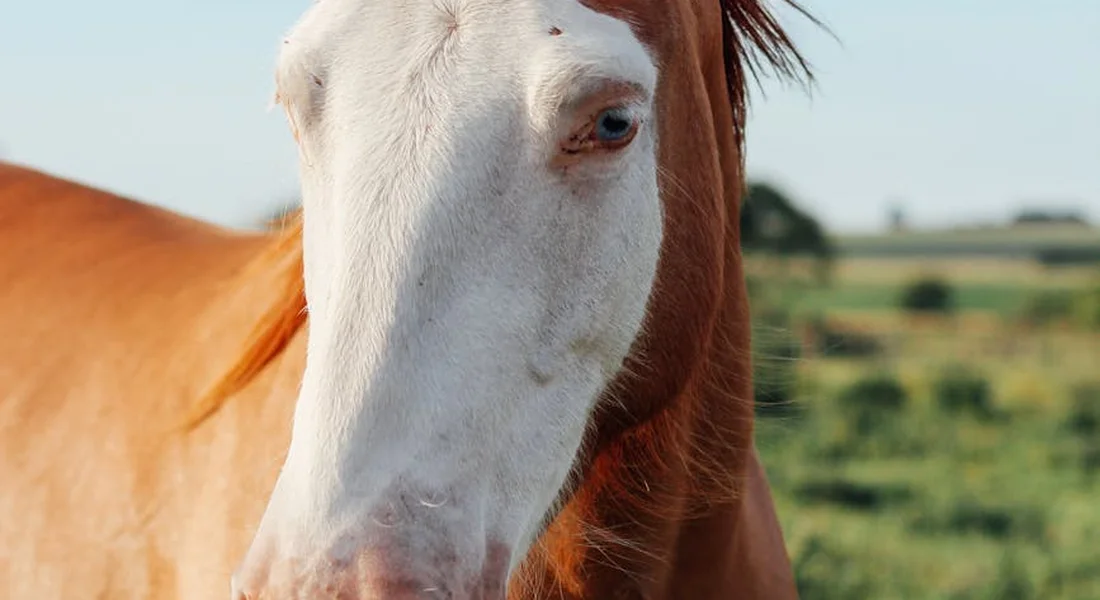
Base colors are your starting point. A bay has a brown body with black points (mane, tail, lower legs). A chestnut (or sorrel) ranges from reddish-gold to dark liver, with a same-colored mane and tail. A grey horse is born a darker color and lightens with age, often to pure white. Markings are like fingerprints. A star is on the forehead, a stripe runs down the face, and a sock (white hair) covers part of the lower leg. Identifying these coat colors helps you distinguish horses at a glance. The next steps will show how to identify more coat color variations.
Breed Tendencies and Individual Spirit
Breed gives you a general field guide to energy and history. American Quarter Horses, like my old reliable Rusty, are often steady, muscular “do-anything” partners bred for cow sense and a calm demeanor. Thoroughbreds, like my sensitive Luna, are leaner, built for speed and stamina, which often translates to a more reactive and high-energy personality. Arabians are known for their endurance, intelligence, and distinctive dished face, often forming intense bonds with their people.
Your care routine must adapt to the individual in front of you, not just the breed stereotype. Luna, my Thoroughbred, needs a slower, quieter approach to grooming and tacking than Rusty does. Where Rusty dozes through a hoof pick, Luna requires a steady hand and a murmured conversation. Pipin the Shetland, meanwhile, uses his cleverness to test every latch, demanding a habitat built for Houdini.
A Nod to Color Genetics
Coat color is a fascinating puzzle of dominant and recessive genes. In simple terms, think of it like a recipe passed from parents to foal. For example, the gene for grey is dominant-if one parent passes it on, the foal will eventually turn grey, masking its original “base” color. It’s a fun layer of biology that makes each horse a living work of art.
The Language of Horses: Key Terms for Age, Gender, and Gaits
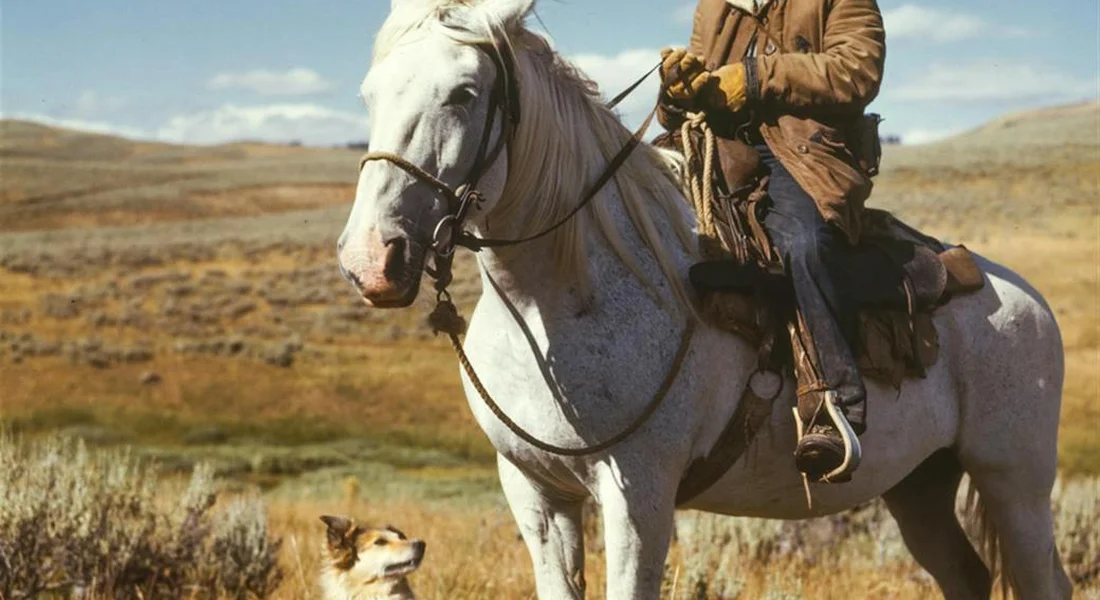
Age and Gender Vocabulary
Getting the terms right isn’t just barnyard etiquette; it tells you a lot about what a horse needs. A foal is a baby horse from birth up to one year old, and they require gentle handling and constant supervision, much like a toddler.
After their first birthday, they become a yearling, full of awkward growth and boundless energy that demands careful nutrition and training. I remember our yearling filly testing every fence-turnout time in a safe paddock was non-negotiable for her development.
An adult female is a mare. Mares like my sensitive Luna can be wonderfully intuitive, but their care sometimes needs to account for hormonal cycles that might affect mood or comfort. Always approach a mare with calm, predictable energy-it builds trust.
A castrated male is a gelding. Most geldings, like my steady Rusty, have even temperaments, making them reliable partners for beginners and a staple in many lesson programs.
An intact male is a stallion. Stallions are powerful and require experienced, confident handling due to their strong breeding instincts. For welfare and safety, stallions need dedicated management and are not typically recommended for novice owners. For those seeking a calmer, non-breeding companion, a gelding is often a safer choice for a first-time owner. A practical gelding vs stallion guide for non-breeders can help set realistic expectations.
- Foal: A baby horse under one year. Handle with patience, as early experiences shape their future.
- Yearling: A horse aged one to two years. Focus on socialization and foundational training.
- Mare: An adult female horse. Be observant and adaptable to her individual needs.
- Gelding: A castrated male horse. Often praised for their steady, dependable nature.
- Stallion: An intact male horse. Requires expert care and responsible management.
The Four Basic Gaits
Horses move in distinct patterns called gaits, each with a unique rhythm and feel. The walk is a slow, four-beat gait where each hoof hits the ground separately. It’s the foundation of all riding. You’ll feel a gentle, rolling sway in the saddle and hear a steady, relaxed clip-clop, clip-clop.
The trot is a two-beat, diagonal gait where the legs move in paired opposites. It’s brisk and bouncy. Beginners typically master the walk before learning to post-or rise and sit with the trot’s rhythm-to save their seat and the horse’s back. The sound is a crisp, even 1-2, 1-2.
Next comes the canter, a three-beat gait with a rocking-chair motion. It feels like a smooth, controlled leap. For a right-lead canter, the footfall is left hind, right hind and left fore together, then right fore. Teaching Luna to find a balanced canter took soft hands and a lot of praise for her effort.
The gallop is a four-beat, extended version of the canter and is the fastest gait. It’s a flat-out run where you’ll feel a powerful thrust and hear a rapid thunder of hooves. This gait is for experienced riders in controlled settings, not the beginner’s arena.
As a new rider, you’ll spend most of your time at the walk and trot. You can recognize the trot by its jarring bounce and the canter by its rocking, three-part rhythm that you can almost sing to. The first time I felt Pipin shift from a trot to a cheeky little canter, the change in rhythm was unmistakable-a sudden, smoother flow after the jostling two-beat.
- Walk: Four-beat, slow, and steady. The ideal gait for learning balance and building confidence.
- Trot: Two-beat, brisk, and bouncy. The first gait where you’ll learn to move with the horse.
- Canter: Three-beat, smooth, and rolling. Introduced after you’re secure at the trot.
- Gallop: Four-beat, fast, and powerful. Reserved for advanced work and requires plenty of space.
How Horses Perceive the World: Senses and Herd Behavior
Working with horses for years, I’ve learned they don’t think like us. Their actions are guided by ancient survival software. To partner with them safely, you need to see the world-and yourself-through their eyes, ears, and nose.
The Equine Sensory Suite
A horse’s vision is a panoramic, high-definition motion detector. Their eyes are on the sides of their head, giving them nearly 350-degree vision. The trade-off is two significant blind spots: directly behind their tail, and a cone-shaped area right in front of their nose that extends about four feet out. They also see the world more like a wide-angle lens, with depth perception only in a narrow band where both eyes overlap, right where they’re looking. There’s a common myth that horses can’t see what’s directly in front of them, but in reality they do have forward vision, though depth perception remains limited and relies on the small overlap between their eyes.
This is why a rustling plastic bag by the gate can cause a full-body spook-their peripheral vision excels at detecting potential predators. Always approach a horse from the side, near their shoulder, so they can see you without startling.
Their hearing is incredibly nuanced. Those expressive ears are parabolic dishes, each rotating independently to pinpoint the source and nature of every sound. The flick of an ear towards you means you have their attention; pinned flat back is a serious warning to back off. Sudden, sharp noises are perceived as threats, which is why quiet, steady talking is so soothing in the stall.
Their sense of smell is a primary social tool. The familiar scent of your jacket and the smell of grain are processed in entirely different parts of their brain. Let a new horse sniff your hand before you touch them-it’s a polite introduction in their language. They use smell to identify friends, detect fear in your sweat, and even assess the safety of their water and feed.
Reading the Herd: Body Language Basics
Horses are fluent in silent conversation. Watch a herd for five minutes and you’ll see a complex social network at work.
- Ears: Forward and alert = interested or focused. Pinned flat back = anger, aggression, or pain. One forward, one back = listening to you and something else simultaneously.
- Tail: A gentle swish flies. A stiff, rapid lash is a sign of significant irritation or discomfort.
- Head Height: A lowered, relaxed head with a soft eye and slack lower lip means contentment. A head held high with a tense neck signals alarm. A head snaking low with pinned ears is a prelude to biting or driving another horse away.
- Weight Shift: A horse turning its hindquarters toward you is often a warning-they are positioning their most powerful weapon.
My mare Luna speaks with her whole body. A sudden head lift and a held breath means she’s seen something dubious in the bushes. Recognizing that early lets me reassure her before she spins.
Safety Through Their Perspective
Your safety depends on respecting their perception. Never walk through their blind spots silently. When you must pass behind, keep a hand on their hindquarters and talk softly so they track you by sound. Move with calm, deliberate motions; erratic speed reads as predator behavior to their wired-in instincts. Be mindful of your own energy-they can smell adrenaline. Taking a deep, slow breath can calm both of you.
Foundational Communication: Groundwork & Lunging
Groundwork is simply having a conversation with your horse from the ground. It establishes you as a clear, trustworthy leader using pressure and release. It’s not about dominance, but dialogue.
Start with yielding the hindquarters. Apply light pressure to their side until they step their back end away, then instantly release. This teaches them to move their feet respectfully from a cue. This simple exercise builds the “push-button” responsiveness you want for every other task, from loading into a trailer to standing for the farrier.
Lunging, when done correctly, is not about running a horse in circles. It’s a moving conversation about gait transitions, voice commands, and personal space. I use it to let high-energy Luna mentally settle before a ride. The goal is a focused, attentive horse listening for your next quiet cue, not a frantic animal fleeing the lunge whip. Proper lunging develops fitness, reinforces vocal commands, and allows you to observe movement and attitude before you ever put a foot in the stirrup. This is the essence of lunge horse exercise training—a controlled, progressive method to build balance. It also helps you tailor sessions to each horse’s pace and temperament.
Essential Tack and Equipment: Saddles, Bridles, and Safety Gear
Basic Riding Tack
Think of tack as your horse’s working clothes and your interface for communication. Properly fitted tack prevents pain and allows your horse to move freely, turning a chore into a comfortable partnership. The core kit includes a saddle, bridle, bit, and girth, each with a specific job.
- Saddle: This is your seat and your horse’s load-bearer. It distributes your weight across the horse’s back, not just on the spine. English saddles are lighter for close contact, while Western saddles are sturdier with a horn for ranch work.
- Bridle: This is the headgear that holds the bit and the reins. It’s your primary steering and braking system, so it must fit without pinching the ears or rubbing the cheeks.
- Bit: This metal piece sits in the horse’s mouth, part of the bridle. It’s a pressure point for cues; a harsh hand on a soft bit can do more damage than a gentle hand on a stronger one.
- Girth: This wide strap cinches around the belly to hold the saddle on. A too-tight girth feels like a restrictive belt after a big meal, and a too-loose one is a safety hazard.
Checking fit is a daily ritual. Run your hand under all tack points-you should feel even pressure, not sharp pinches or gaping spaces. With the saddle, look for clear passage behind the shoulder blade; you should fit two to three fingers between the gullet and the withers. For the bridle, ensure you can slip two fingers under the browband and throatlatch. I remember fumbling with Luna’s bridle; her sensitive nature meant even a slightly tight noseband would make her toss her head in protest until we got it right.
Rider Safety Equipment
Your safety gear is not optional fashion-it’s your personal protective equipment. Investing in a certified helmet is the single most important decision you can make for your own well-being in the saddle. A head injury can happen at a walk if you take an unexpected dismount, as I did when Rusty sidestepped a puddle with more enthusiasm than I anticipated.
Your footwear is equally critical. Riding boots with a defined heel prevent your foot from sliding through the stirrup and getting caught, a scenario that can lead to a dangerous drag. Think of that heel as a vital stop block. Beyond the essentials, gear like gloves saves your palms from rein burn and improves your grip on a rainy day. A safety vest adds a layer of torso protection, especially valuable for cross-country riding or on green horses. Dress for the ride you hope to have, but prepare for the one you might get.
The Daily Care Routine: Feed, Water, Grooming, and Hoof Care
The rhythm of the barn is a comforting one. Your day starts with the crunch of grain in a bucket and ends with the soft thud of a clean bedding fork. This routine isn’t just chores; it’s your primary conversation with your horse.
The Non-Negotiable Daily Tasks
Every single day, rain or shine, your horse relies on you for three things: food, clean water, and a clean space. It’s that simple and that critical.
- Feed: Provide high-quality hay, roughly 1.5-2% of your horse’s body weight, split into multiple feedings. The smell of fresh hay in the morning is one of life’s simple pleasures. I measure Rusty’s flakes carefully-too much and he’d be rotund, too little and he’d let the whole barn know.
- Water: Clean, fresh water must always be available. Check and scrub buckets daily. A horse can survive weeks without food, but only days without water.
- Mucking: Remove manure and wet bedding from stalls or paddocks daily. This prevents ammonia burns on hooves, discourages flies, and is a basic act of respect. A clean stall is a healthy stall.
The Gift of Turnout
Confinement is a slow torture for a prey animal built to move. Daily turnout is not a luxury or a reward; it is as vital to your horse’s welfare as food and water. I’ve seen the difference in Luna, my Thoroughbred. A day without movement turns her anxiety up to eleven. Movement keeps their joints fluid, their digestion regular, and their minds sane. A horse that can be a horse is a happier, safer partner.
Your Professional Support Team
You are the manager, but you rely on two key experts.
- The Farrier: This artisan shapes and cares for your horse’s foundation. Most horses need a trim every 6-8 weeks to maintain proper hoof balance and prevent lameness. Some, depending on work or hoof quality, may need shoes. A good farrier is worth their weight in gold.
- The Veterinarian: Your vet is your partner in preventative care. They administer annual vaccines, perform dental floats (filing sharp points off teeth), and are your first call for illness or injury. Think of them as your horse’s primary care doctor.
Step-by-Step: Picking Hooves Safely
This is your most important daily health check. Do it before and after every ride.
- Position Yourself Safely: Stand at your horse’s shoulder, facing their tail. Run your hand down their leg. Say “hoof” clearly. Don’t squat directly in front or behind the hoof.
- Pick from Heel to Toe: Hold the hoof pick firmly. Start at the heel cleft (the “V” at the back) and gently dislodge debris, moving forward toward the toe. Always pick away from your body to avoid driving anything into your leg if the horse moves.
- Check the Frog: This is the soft, V-shaped structure in the middle of the sole. Clean around it gently-it’s sensitive! It should be firm and springy, not smelly or mushy.
- Inspect for Trouble: Look for lodged stones, cracks in the hoof wall, or any signs of heat, odor, or puncture wounds (like a black spot that could be a nail). This daily minute of attention can prevent a month of lameness.
Feel the solid weight of the hoof in your hand, notice the clean, hard sole. It’s a small act that speaks volumes about care. It’s how you say “I’ve got you” without uttering a word.
FAQ: Essential Horse Facts, Capabilities, and Terminology for Beginners
What is the average lifespan of a horse?
The average domestic horse lives between 25 and 30 years, though many can live well into their 30s with excellent care. Lifespan is influenced by breed, with some ponies and smaller breeds often living longer than larger draft breeds. Proper nutrition, routine veterinary care, and a suitable lifestyle are the greatest factors in ensuring a long, healthy life.
What are the core responsibilities of daily horse care?
Core daily responsibilities are providing constant access to clean, fresh water and supplying adequate roughage like hay or pasture. You must also muck out the stall or paddock to remove waste and provide a clean environment. Finally, a daily visual health check and grooming session are essential to monitor well-being and bond with your horse.
What is basic horse behavior and herd dynamics?
Horses are prey animals with a strong flight instinct, meaning their first response to a threat is often to run. They are highly social creatures that live in structured herds with clear hierarchies, which provide safety and companionship. Understanding their body language-like ear position, tail swishing, and head height-is key to interpreting their mood and intentions safely. For a deeper dive into the topic, the understanding horse behavior psychology complete guide offers practical context and examples. It helps connect the observed signals to underlying mental processes and safe responses.
Your Partnership Starts Here
Grasping basic terminology and natural horse behaviors gives you the keys to clear communication. Talking to your horse in a calm, consistent voice helps you understand them and build better communication. Use this foundation to advocate for your horse’s need for turnout, gentle handling, and a thoughtful routine.
Progress at your horse’s pace, prioritizing safety in every gesture and decision. The quiet nicker or soft eye will tell you more than any book ever could.
Further Reading & Sources
- Horse – Wikipedia
- 10 fun facts about horses – BC SPCA
- 53 Weird, Cool & Funny Horse Facts That’ll Blow Your Mind
- Horse Facts | Mammals | BBC Earth
At Horse and Hay, we are passionate about providing expert guidance on all aspects of horse care, from nutrition to wellness. Our team of equine specialists and veterinarians offer trusted advice on the best foods, supplements, and practices to keep your horse healthy and thriving. Whether you're a seasoned rider or new to equine care, we provide valuable insights into feeding, grooming, and overall well-being to ensure your horse lives its happiest, healthiest life.
Behavior