
Can Horses Eat Chocolate? No – And Your Guide to Common Toxic Foods
Published on: September 24, 2026 | Last Updated: September 24, 2026
Written By: Henry Wellington
Hello fellow barn friends. That quick shot of worry when your horse nudges your lunchbox or you find a wrapper in the paddock is completely valid. A single mistaken bite can lead to a costly emergency vet call and a very sick animal.
Let’s get straight to what you need to know. In this article, I’ll walk you through:
- Exactly why chocolate is poisonous to a horse’s unique digestion.
- Other common human foods that are deceptively dangerous in the stable.
- The critical symptoms of poisoning you must recognize early.
- The specific, calm steps to take if an accident happens.
I’ve managed barns and trained horses for years, steering everything from Pipin’s food-motivated escapades to Luna’s sensitive stomach, so I’ve learned how to spot and stop these dangers firsthand.
The Short and Sweet Answer: No, Horses Cannot Eat Chocolate
Let’s not sugarcoat it: you must never, ever feed chocolate to a horse. Not a piece, not a crumb. I know those big, soft eyes watching you unwrap a candy bar are persuasive, but this is one treat where you have to be the unwavering gatekeeper.
Just last week at our barn, a well-meaning visitor pulled a chocolate-covered granola bar from her pocket for Luna. I intercepted it so fast my boots skidded on the gravel. “I just wanted to be sweet to her,” she said. I handed her an apple from the tack room instead, explaining that what’s sweet to us can be a poison to them. That moment of gentle correction is part of the job.
Our digestive systems handle treats like chocolate just fine, but a horse’s metabolism is a different machine entirely. Their digestive system works differently than ours, processing certain toxins far more slowly and allowing harmful substances to build up to dangerous levels in their bloodstream. What is a minor indulgence for us becomes a major medical emergency for them.
Dark, Milk, or White: Which Chocolate Poses the Greatest Risk?
All chocolate is off-limits, but the danger level is tied directly to theobromine content. Think of it as a toxicity ladder.
| Chocolate Type | Theobromine Level (Approx. per oz) | Risk Level |
|---|---|---|
| Baker’s Dark / Cocoa Powder | ~130-450 mg | Extremely High |
| Dark Chocolate | ~130 mg | Very High |
| Milk Chocolate | ~44 mg | High |
| White Chocolate | ~0.25 mg | Moderate (but still unsafe) |
Baker’s chocolate and pure cocoa powder are the most concentrated threats. Even a small amount can be devastating. While white chocolate contains minimal theobromine, it’s packed with sugar, fat, and dairy-ingests that can easily trigger colic or laminitis in a horse. The rule is simple: no chocolate wrapper, regardless of color, belongs in the feed tub—especially when feeding any dairy products.
What’s in the Wrapper: Theobromine and Caffeine Toxicity
The danger lies in two natural compounds: theobromine and caffeine. Both are methylxanthines, powerful stimulants that a horse’s body cannot efficiently break down, making them particularly toxic for equines.
When a horse ingests them, these compounds cause a systemic overdrive. They force the heart to beat rapidly and erratically, overstimulate the central nervous system, and can cause severe muscle tremors. Imagine a sudden, violent electrical surge through your horse’s calm, steady system-that’s what you’re inviting with chocolate.
Theobromine is the primary culprit and lingers in their system for a painfully long time. This isn’t a brief sugar rush; it’s a prolonged assault on their cardiovascular and neurological stability. Even a few ounces of dark chocolate can push a thousand-pound animal into a state of dangerous distress.
Reading the Signs: Symptoms of Chocolate Poisoning
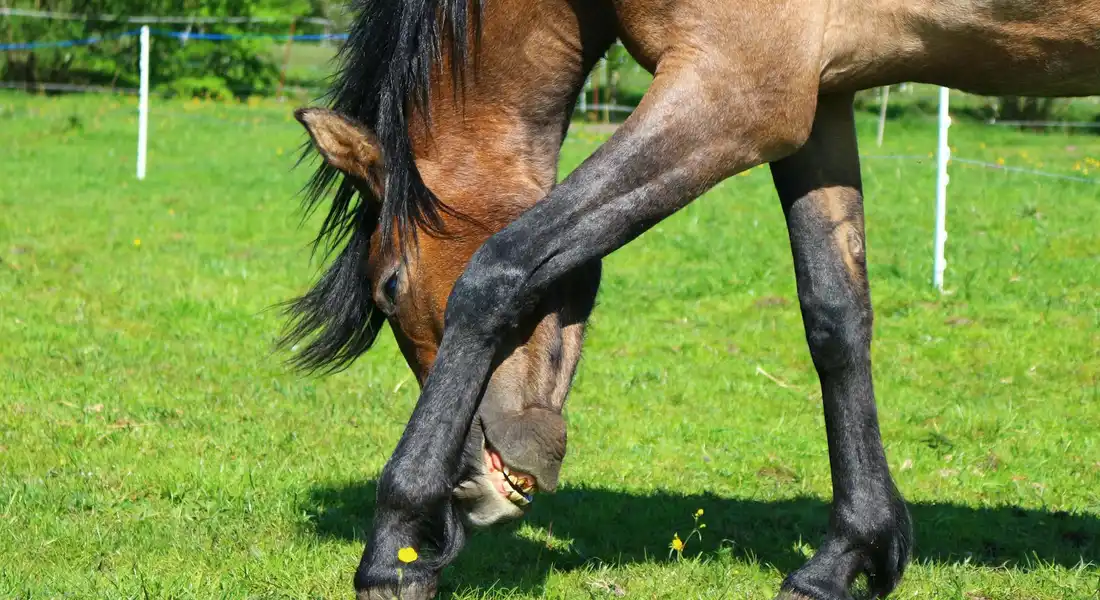
Spotting trouble early relies on knowing your horse’s normal behavior-the quiet contentment of Rusty after a good groom, or Luna’s focused energy during training. This same practice helps you spot early signs of illness or injury in your horse. By noting small changes in behavior, appetite, or movement, you can intervene sooner. Chocolate poisoning symptoms often start subtle but escalate with alarming speed, so your daily observation skills are your first line of defense. I remember the panic when a boarder’s dog left a chocolate granola bar in a stall; catching the early signs made all the difference.
- Early warnings include unusual restlessness, sweating on a cool day, and an elevated pulse you can feel under the jaw. Your horse might seem jittery, like they’ve had three cups of coffee, unable to settle even in their familiar stall.
- Escalating symptoms are severe: pronounced muscle tremors, colic signs like pawing or rolling, dangerous heart arrhythmias, and a real risk of seizures. This progression from uneasy to emergency can happen in a frighteningly short window.
- Never assume it will “pass.” Chocolate toxicity can rocket from mild discomfort to acute, life-threatening poisoning before you finish a phone call. Trust your gut; if something seems off, it probably is.
The Critical Timeline: When Symptoms Typically Appear
Time is a tricky factor with toxins. The clock starts ticking the moment the chocolate is swallowed. You cannot afford a wait-and-see approach with something this potent.
- Signs can manifest within one to three hours of ingestion. This is especially true for a sensitive, high-metabolism horse like a Thoroughbred. That leftover Halloween candy disappears quickly, and so does your safety margin.
- The horse’s individual metabolism and the amount consumed drastically narrow or widen this window. A large draft horse might process a tiny amount slower, while a pony like Pipin, with his cheeky appetite, could react violently to a smaller dose. More chocolate always means faster, worse symptoms.
- Do not wait for symptoms to call your veterinarian. If you suspect ingestion, make the call immediately. I learned this lesson with Pipin and some toxic plants; early vet intervention is what saves lives, not hopeful waiting.
How Much is Too Much? Understanding the Lethal Dose
Let’s talk hard numbers. Theobromine, the toxic compound in chocolate, accumulates in a horse’s system because they lack the enzyme to break it down efficiently. There is no nutritional benefit to chocolate, only risk. Your horse’s wellness is built on fresh hay and gentle care, not human treats.
- The toxic dose of theobromine is roughly 100 to 200 milligrams per kilogram of the horse’s body weight. For a 500kg (1100 lb) horse, that’s 50,000 to 100,000 mg. Since baking chocolate can contain over 400mg per gram, a frighteningly small amount becomes dangerous.
- Use relatable examples: a single 100-gram bar of dark chocolate could seriously harm a 250kg pony. Even a few squares of dark chocolate given as a “treat” can trigger a toxic reaction in a full-sized horse. It’s simply not worth the risk.
- There is no safe amount for deliberate feeding. Advocate for your horse’s welfare by keeping all chocolate products securely away from the barn. Their happiness comes from turnout time and your company, not from harmful sweets.
Emergency Protocol: What to Do If Your Horse Eats Chocolate

The smell of chocolate in the barn is a sure sign of trouble. I learned this when Rusty, ever the treat hound, once deftly lipped a whole chocolate muffin from a distracted guest’s pocket. Your immediate response sets the stage for your horse’s outcome, so push past the panic and move with purpose when trying to stop horses from eating inappropriate items.
- Secure the horse and remove any remaining chocolate or wrappers. Lead them to a quiet stall or pen to prevent further ingestion and to keep them calm for observation.
- Call your veterinarian immediately; describe the type and estimated amount ingested. Mention if it was baking chocolate, milk chocolate, or a candy bar-the cocoa concentration is critical.
- Follow vet instructions, which may include monitoring or emergency treatment protocol. Never try to induce vomiting or give medications without explicit veterinary direction.
- Contact a poison control center for equines if advised by your vet. They offer specialized, up-to-date toxicology advice that can guide your vet’s plan.
Time works against you as theobromine enters their system. I keep a notepad in my tack room to jot down incident details; it keeps my mind clear when seconds count.
Information to Have Ready for Your Vet Consultation
When your vet answers, a stream of clear facts is more helpful than a frantic story. Take a breath before you dial. Being prepared transforms you from a worried owner into a crucial part of the medical team. If you’re unsure when to call, a quick decision-making guide for horse vet calls can point you to the right steps in the moment.
- List key details: horse’s weight, chocolate type, approximate time of ingestion. For instance, Luna’s slender 1000-pound frame reacts more strongly than a heavier draft horse.
- Mention any symptoms you’ve already observed. Note even subtle signs like increased pawing, drooling, or a faster-than-normal pulse.
- Keep the packaging if possible for ingredient confirmation. This can reveal exact cocoa percentage or warn of other toxins like macadamia nuts or caffeine.
Building a Safe Menu: Other Toxic Human Foods to Ban
Chocolate is just the headline act in a long list of kitchen dangers. The goal is to make your feed room a no-go zone for these items. Prevention is always simpler and safer than emergency treatment after the fact.
- Onions and garlic: These can cause anemia by destroying red blood cells, damaging their oxygen-carrying capacity.
- Avocados: The persin toxin leads to fluid buildup around the heart and lungs, causing severe respiratory distress.
- Stone fruit pits: From cherries to apricots, these pits contain cyanide and pose a dual risk of toxicity and intestinal blockage.
The foundation of equine health isn’t found in novelty snacks. A diet built on quality forage-the smell of fresh hay, the sound of steady chewing-supports their digestive happiness and keeps toxic surprises at bay. My horses, from steady Rusty to clever Pipin, thrive on this simple, consistent approach. These basics sit at the core of equine nutrition, feeding for optimal health and performance. In the next steps, we’ll connect practical tips to this foundation.
Prevention Over Cure: Horse-Proofing Your Treat Routine
I learned the value of a locked cabinet after Pipin orchestrated a midnight raid on the grain room. Proactively managing treats isn’t about distrust; it’s about creating a safety net for moments when human attention wavers. A few simple habits forge a secure environment for every horse on the property.
- Lock up all human snacks in the feed room. Use a sturdy, latch-sealed container-my old tack trunk works perfectly-because a curious muzzle can open surprisingly complex mechanisms.
- Educate everyone at the barn, especially kids, about banned foods. Turn it into a barn rule: “People food stays with people,” and post a clear list next to the cross-ties.
- Keep a jar of approved treats, like carrot sticks, by the gate for visitors. This redirects the impulse to share and prevents a well-meaning pat from ending with a harmful snack.
Top 5 Safe and Simple Treat Alternatives
Horses like Rusty teach us that joy often comes from a crisp, cool carrot. Offering natural, forage-based snacks respects their digestive design and turns treat time into a healthy ritual. Your horse will adore these options without the gut upset.
- Carrot sticks or apple slices (remove seeds). They provide a satisfying crunch and are full of water, perfect for after a workout on a dusty trail.
- Commercial hay cubes or pellets. These are just compacted grass, making them a safe, slow-feed option that mimics grazing.
- Handful of plain oats. Scoop a bit from their regular ration for a familiar reward that won’t spike their energy like sugary treats can.
- Peppermints (sparingly, check for xylitol). Always inspect the label, as some sugar-free varieties contain this toxic sweetener-I buy only from trusted equine suppliers.
- Fresh watermelon rind (a summer favorite). Luna loves the cool, crisp texture, and it’s a fantastic way to add hydration on sweltering afternoons.
FAQ: Can Horses Eat Chocolate? Understanding Toxic Foods for Equines
Can horses eat chocolate?
No, horses must never consume chocolate in any form. Their metabolism cannot safely process the toxic compounds found in chocolate. Even a small amount poses a risk of poisoning and requires immediate veterinary attention.
What makes chocolate toxic to horses?
Chocolate is toxic due to theobromine and caffeine, which are stimulants called methylxanthines. Horses break down these substances very slowly, leading to dangerous accumulation in their system. This can cause severe effects like heart arrhythmias, muscle tremors, and neurological distress.
What should I do if my horse eats chocolate?
If ingestion occurs, quickly remove any leftover chocolate and move your horse to a safe, calm area. Call your veterinarian immediately to report the type and estimated amount eaten. Do not attempt home remedies and closely monitor for symptoms such as sweating or colic while awaiting professional guidance.
Trust Your Instincts, Not the Candy Aisle
Stick to proven, simple treats like carrots or commercial horse snacks, and rigorously avoid chocolate, caffeine, and other human indulgences. When in doubt, leave it out-your horse’s health is never worth the risk of an experiment. Avoid even small portions of chips or processed snacks, as they can upset a horse’s digestion or trigger metabolic issues. Processed human foods are not designed for equines and can lead to serious health problems.
The foundation of good care is watching and learning from your horse every single day. Their well-being is built on your consistent, informed choices more than any occasional treat. Regularly checking for signs of health is crucial in maintaining their well-being.
Further Reading & Sources
- Safe and Toxic Household Foods for Horses
- Foods Horses Should Avoid and Why – River Ranch Educational Charities
- 10 Plants and Chemicals That Are Toxic to Horses – The Horse
- Read Now: Food Horses Cannot Eat – Keep Your Equine Safe | Just Horse Riders
At Horse and Hay, we are passionate about providing expert guidance on all aspects of horse care, from nutrition to wellness. Our team of equine specialists and veterinarians offer trusted advice on the best foods, supplements, and practices to keep your horse healthy and thriving. Whether you're a seasoned rider or new to equine care, we provide valuable insights into feeding, grooming, and overall well-being to ensure your horse lives its happiest, healthiest life.
Nutrition