
Can Horses Eat Collard Greens and Mustard Greens? Your Safety Guide from the Stable
Published on: September 13, 2026 | Last Updated: September 13, 2026
Written By: Henry Wellington
Hello fellow equestrians! You’re probably holding a bunch of leafy greens, wondering if sharing your kitchen scraps is a healthy hack or a horrible mistake. That gut-check is wise-a sudden treat can upset a sensitive digestive system faster than a spook at a plastic bag.
Let’s settle this pasture puzzle together. In this guide, I’ll cover:
- The specific vitamins in these greens that can benefit your horse, and when they’re just empty crunch.
- The crucial difference between a safe snack and a toxic trouble, based on preparation and portion.
- My barn-tested method for introducing any new food without the digestive drama.
- Exactly what to watch for in your horse’s behavior and manure to prevent a colic crisis.
I’ve managed barns and balanced diets for over a decade, figuring out what keeps horses like my own steady Eddy, Rusty, thriving on more than just hay and goodwill.
Collard Greens and Mustard Greens: A Quick Safety Check
Yes, your horse can nibble on both collard greens and mustard greens, but think of them as occasional garnishes, not main courses. Fresh, washed greens offered in small amounts are the safe way to introduce these leafy vegetables. Moderation is your best friend here, as both greens contain natural compounds that require a cautious approach, especially when compared to turnip greens which some horses might be sensitive to.
| Green | Safety Level | Key Consideration | Preparation Note |
|---|---|---|---|
| Collard Greens | Generally Safe | Moderate oxalate content | Wash thoroughly, chop to prevent choking |
| Mustard Greens | Feed with Caution | Higher goitrogen content | Always wash, introduce in tiny amounts |
Potential concerns like oxalates and goitrogens mean these treats should never replace quality forage. Your horse’s diet should always be built on the foundation of good hay or pasture time.
Can Horses Eat Collard Greens?
Collard greens are generally safe for horses as an occasional, crunchy treat. The main thing to watch is their oxalate content, which can bind to calcium and interfere with absorption if fed in large, regular quantities. A few leaves once a week pose little risk for a healthy horse. I remember offering a bright green collard leaf to Rusty, my reliable Quarter Horse; he gave it a long, skeptical sniff that wrinkled his blaze before cautiously accepting it. His initial doubt mirrors our own-always introduce new foods slowly and observe, especially when feeding any new greens that might be potentially harmful.
Can Horses Eat Mustard Greens?
Mustard greens can also be fed, but with a bit more caution than collards. They often contain higher levels of compounds called goitrogens, which can affect thyroid function if consumed in excess over time. This doesn’t make them poisonous, but it does mean they should be a rare surprise in the feed bucket. Both collard and mustard greens are supplements to, not replacements for, the steady rhythm of hay and grass that keeps your horse’s gut happy and healthy. For a broader look at how other vegetables like lettuce and eggplant fit into a safe feeding plan, see a concise vegetable safety guide. It covers portions, timing, and cautions to keep your horse safe.
Weighing the Benefits Against the Risks
Feeding any new food is a balance between what it offers and what it might disrupt. Advocating for equine welfare means recognizing that even healthy treats must fit into a bigger picture of balanced nutrition and ample turnout time. In the realm of equine nutrition basics, feeding for optimal health and performance means aligning a horse’s diet with its energy and recovery needs. These principles guide your choices for your barn. Let’s break down the specifics so you can make an informed choice for your barn.
Nutritional Benefits for Equines
These leafy greens pack a punch of vitamins and minerals. Think of these nutrients as the building blocks for a shiny coat, strong bones, and a robust immune system. Here’s a quick look at what collard and mustard greens can offer:
- Vitamin A: Supports vision and skin health.
- Vitamin C: An antioxidant that aids in healing.
- Vitamin K: Essential for proper blood clotting.
- Calcium: Vital for bones and nerve function.
- Iron: Helps carry oxygen in the blood.
Collard greens typically have a slight edge in calcium, while mustard greens might offer more vitamin C. However, the oxalates in collards can limit how much of that calcium your horse actually uses, so don’t count on them as a primary source.
Understanding the Risks: Oxalates and Goitrogens
Oxalates are like little magnets that can latch onto calcium in your horse’s gut. This binding action can prevent calcium absorption and, in large amounts, lead to digestive irritation or nutrient deficiencies. Horses with kidney issues are particularly sensitive.
Goitrogens are substances that can interfere with thyroid hormone production. Imagine the thyroid as the body’s thermostat; goitrogens can temporarily fiddle with the settings, which is why consistent, large servings of mustard greens are a bad idea. For a healthy horse in work, a few leaves now and then are unlikely to cause trouble.
Can Leafy Greens Cause Colic?
Any sudden change in diet can upset the delicate balance of your horse’s digestive system. Introducing leafy greens too quickly is a common way to invite colic, as the microbial population in the cecum struggles to adapt. To help you spot other risky practices, consider the top 7 feeding mistakes that greatly increase your horse’s colic risk. To minimize this risk, follow these steps:
- Start with a single, washed leaf.
- Monitor your horse for any signs of gas or discomfort over the next 24 hours.
- Only increase the amount gradually if no issues arise, never exceeding a handful.
The sound of a horse contentedly chewing hay is the soundtrack of a healthy gut. Maintaining constant access to forage is your number one defense against colic, keeping everything moving smoothly no matter what treats you offer.
Your Step-by-Step Guide to Feeding Leafy Greens
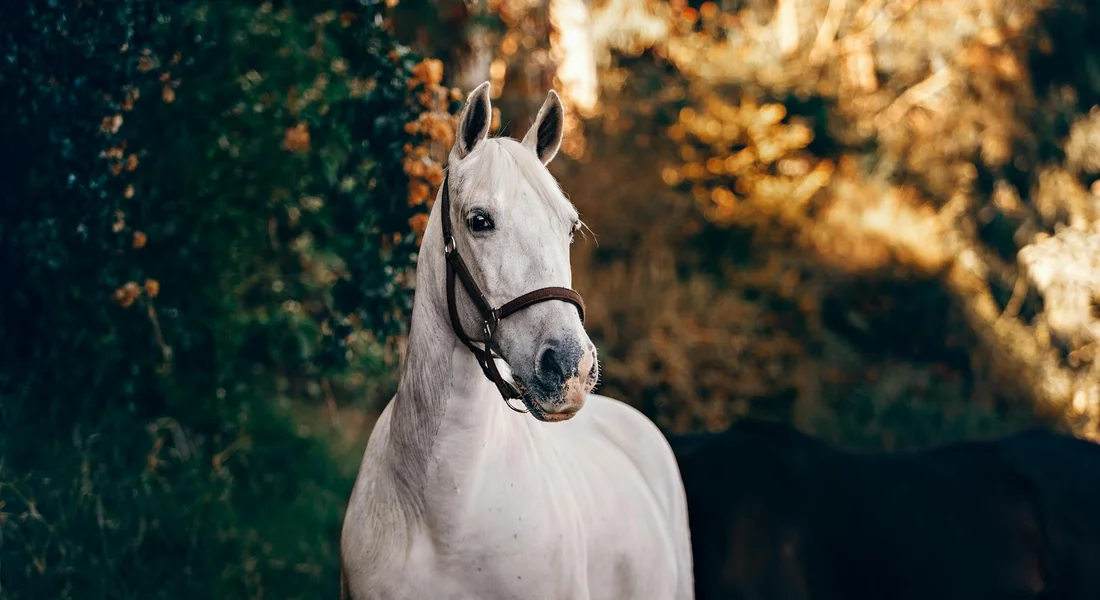
Let’s get practical. Introducing new foods should be a calm, controlled process, much like introducing a young horse to a saddle. I always start with a single leaf in my palm, letting a curious muzzle investigate before the first crunchy bite. This slow approach lets you watch for any hesitation or digestive upset, keeping your horse safe and happy. The key is in the preparation and portion-think of these greens as the occasional cookie in the jar, not the whole meal.
Preparation Basics: Washing and Chopping
- Wash every leaf under a stream of cool, running water. Feel the slick, firm texture of collard greens and the more delicate frills of mustard greens as you rinse away dirt and any residue. I do this at the barn sink, often with Pipin the pony watching intently, hoping for a dropped scrap.
- Remove the tough central stems and ribs. These parts can be fibrous and pose a slight choking risk, especially for an eager eater like my Quarter Horse, Rusty, who tends to gulp his treats.
- Chop the leaves into pieces roughly the size of your hand. This creates manageable, bite-sized pieces that are easy to chew and digest, preventing any large, wadded-up bolus from causing issues.
I keep a dedicated tub and knife in my feed room for this job. A few minutes of prep prevents potential problems, turning treat time into a safe ritual you both can enjoy.
How Much is Too Much? Feeding Guidelines
- For a 1,000-pound horse, start with no more than one to two packed cups of chopped greens per day. That’s about the volume of a standard scoop of grain.
- Always feed greens as a treat or dietary supplement, not a staple. Their primary nutrition must come from quality forage like hay or pasture grass.
- Spread the portion out. Offer a few pieces by hand or mixed into their normal grain meal to avoid overwhelming their digestive system with a sudden, large amount of new fiber.
I learned this moderation lesson with Luna, my Thoroughbred. Her sensitive gut needed new foods introduced in tiny amounts over a week. When in doubt, less is always more-a handful of greens is a perfect reward after a good ride.
Raw vs. Cooked: What’s Best for Horses?
- Raw, fresh greens are ideal. Cooking isn’t necessary and can leach out water-soluble vitamins like vitamin C and some B vitamins.
- Horses are perfectly equipped to digest raw, fibrous plants. Their long digestive tract is designed to break down tough cellulose, so raw collard and mustard greens are safe when prepared as directed.
- Avoid adding any oils, salts, or seasonings. Serve them plain and fresh to preserve their natural nutritional profile.
I’ve never steamed a beet green for my herd. The crisp, raw texture provides both nutritional value and enriching oral stimulation, which is great for stalled horses. The satisfying *crunch* as they chew is a sound I associate with a content barn.
Expanding the Menu: Other Horse-Safe Vegetables
Variety is the spice of life, even for horses. Rotating different safe veggies can prevent boredom and provide a spectrum of micronutrients. Think of it as adding different colors to your horse’s nutritional palette, all while keeping their core diet of hay and grass front and center. Carrots and carrot greens are a classic, horse-friendly option that can be fed in moderation. They illustrate how familiar vegetables fit into a varied routine. This mimics the diverse browsing they’d do in full-time turnout, which I advocate for every chance I get.
Safe Leafy Greens for Regular Treats
- Romaine Lettuce: A hydrating, mild option. Wash and feed whole leaves or torn pieces. It’s a favorite for hot days.
- Beet Greens: The tops from fresh beets are excellent. Chop them just like collards, and ensure the beets themselves are fed sparingly due to high sugar.
- Kale: Feed in moderation-a few leaves at a time. It’s nutrient-dense but can be high in compounds called oxalates, which in very large amounts can interfere with calcium absorption.
- Spinach Note: Similar to kale, spinach is high in oxalates. An occasional leaf is fine, but it shouldn’t be a regular part of the menu.
I often mix a handful of romaine into Pipin’s pony feed. This slow introduction of variety helps maintain a balanced gut microbiome without causing nutritional disruptions.
Crunchy Favorites: Carrots, Apples, and More
- Carrots: A classic. For older horses or those with dental issues, cut them lengthwise into sticks instead of round coins to prevent choking.
- Apples: Remove the core and seeds, which contain trace amounts of cyanide. Slice them into wedges for easy eating.
- Celery: Chop into inch-long pieces. Its high water content and satisfying crunch make it a great low-sugar treat.
- Pumpkin or Squash: Cooked, plain pumpkin (not pie filling) or cubed raw squash can be a fun, fibrous autumn treat in small amounts.
Rusty would trade his soul for a carrot, but I always chop them longways now after seeing an older horse at my barn struggle with a round slice. Always supervise treat time to ensure each bite is chewed thoroughly, promoting safety and mindful eating.
Red Flags: Vegetables to Avoid Entirely
Branching out from safe greens like collards, you must know the absolute no-gos. Some common garden plants and kitchen scraps are quietly toxic and can cause serious health crises for your horse. This isn’t just about the feed bucket; it’s about viewing your entire property through the lens of equine safety. Responsible barn management means proactive prevention—especially when distinguishing between safe and toxic plants for horses.
- Plants from the nightshade family, like tomatoes and potatoes, are a hard pass due to their solanine content.
- Alliums, including onions and garlic, contain compounds that destroy red blood cells over time.
- Other hazards, like rhubarb leaves, pack a toxic punch that can lead to organ damage.
When in doubt, throw it out. Your horse’s health is worth more than an experiment.
Common Toxic Plants and Vegetables
Let’s get specific about the usual suspects. Knowing the why behind the danger helps you stay vigilant.
- Tomatoes and Potatoes are dangerous, particularly their vines, leaves, and green tubers. They contain solanine, a neurotoxin. Symptoms include severe gastrointestinal upset, drooling, weakness, and even coordination loss. I’ve seen a curious muzzle nuzzle a discarded tomato plant-the resulting colic was a stressful lesson for everyone.
- Onions and Garlic, in any form-raw, cooked, or powdered-are toxic. They hold thiosulphate, which causes hemolytic anemia by rupturing red blood cells. Watch for signs like lethargy, rapid breathing, and muddy-colored gums.
- Rhubarb Leaves are deceptively hazardous while the stalks are fine. They are loaded with soluble oxalates, which bind to calcium and can cause kidney failure, tremors, and excessive salivation. Never compost these where a horse might browse.
Pasture Safety and Garden Hazards
The biggest risks often lurk just outside the stall. A secure, clean turnout is the cornerstone of equine welfare, and it requires your regular attention. Gardens, compost piles, and overgrown fence lines are prime zones for trouble.
- Install sturdy, visible fencing between any garden area and paddocks. A double row of electric tape or a solid wooden rail works well.
- Walk your pastures weekly. Look for new weeds, dumped yard waste, or any foreign plant growth, especially after a storm.
- Secure compost bins with latches or place them completely out of reach. To a horse, that smell is an invitation.
My cheeky pony Pipin is a masterclass in this. His food-motivated intellect once engineered a great escape. The sudden silence from his paddock was my first clue, followed by the crisp crunching sound from my vegetable plot. He had unhooked a gate and was sampling everything in sight. Since that heart-stopping moment, we have a strict two-latch rule on all gates, and my garden has its own fortress-like fence. It keeps Pipin safe and saves my rhubarb.
FAQ: Can Horses Eat Collard Greens and Mustard Greens?
How should collard and mustard greens be prepared for horses?
Always wash the leaves thoroughly under cool water to remove dirt and potential residues. You should chop the greens into manageable, bite-sized pieces to prevent choking hazards. It is best to serve them raw and plain, without any oils, salts, or seasonings.
Do collard greens and mustard greens offer different nutritional benefits for horses?
Both greens provide vitamins A, C, K, and minerals like calcium and iron. Collard greens typically offer more calcium, though its absorption can be limited by oxalates. Mustard greens may provide a higher vitamin C content but contain more goitrogens, requiring greater feeding caution.
What other common vegetables are safe and unsafe for horses?
Beyond leafy greens, safe options include carrots, apples (cored), celery, and plain pumpkin. You must completely avoid vegetables from the nightshade family (tomatoes, potatoes), alliums (onions, garlic), and the leaves of rhubarb plants, as they are toxic to horses. Find more safe options in our guide for feeding horses vegetables.
Handing Out Greens: My Barn-Tested Advice
Collard and mustard greens are fine for most horses as an occasional, small treat, but you must monitor their individual reaction. The single most important step is to introduce only one or two leaves at a time, waiting days between servings to ensure no digestive trouble arises, especially compared to other treats such as beet greens.
Good horsemanship is built on patience and paying attention to the details only your horse can give you. That quiet sigh of contentment or the sudden pickiness around new food is your best indicator for keeping them happy and healthy. Knowing how to tell if your horse is happy comes from understanding their body language. Small cues like ear position, posture, and tail tell you what they need.
Further Reading & Sources
- Perfect Mixed Greens Recipe
- Southern Collard Greens – SmartyPantsKitchen
- Collard & Mustard Greens : Robert Irvine
- Traditional Southern Greens (Mustard, Turnip or Collards) Recipe – Food.com
At Horse and Hay, we are passionate about providing expert guidance on all aspects of horse care, from nutrition to wellness. Our team of equine specialists and veterinarians offer trusted advice on the best foods, supplements, and practices to keep your horse healthy and thriving. Whether you're a seasoned rider or new to equine care, we provide valuable insights into feeding, grooming, and overall well-being to ensure your horse lives its happiest, healthiest life.
Nutrition