
Can Horses Eat Potatoes? Understanding Nightshade Vegetable Risks
Published on: September 23, 2026 | Last Updated: September 23, 2026
Written By: Henry Wellington
Hello fellow equestrians! That moment you catch your horse eyeing a fallen potato chip or a peel in the compost bin is a genuine scare. The immediate fear of toxicity and a sudden, expensive vet visit is a weight every horse owner carries.
Let’s settle those nerves right now. We will dissect the science behind nightshade toxins, specifically solanine in potatoes, and why it’s a hard no for equines. You’ll get a clear, actionable list of poisoning symptoms to memorize for barn checks. And I’ll share my personal, tested roster of safe vegetable treats that keep curious mouths happily busy.
My years of barn management and training everything from food-motivated Pipin to sensitive Luna have been built on preventing these very kitchen-garden hazards.
The Straight Answer on Potatoes for Horses
No, you should never feed potatoes to your horse. I learned this the hard way years ago when a well-meaning boarder tried to toss some peelings to old Pipin. We caught it just in time, but the scare was real. The primary danger is solanine, a natural toxin found in the nightshade family. Even a small amount of solanine can disrupt a horse’s digestive and nervous systems, leading to colic, weakness, or worse. It’s crucial to know which vegetables are safe for horses before feeding them any produce.
Potatoes are risky for two big reasons beyond the toxin. First, their starchy, dense form is nothing like the fibrous forage a horse’s gut is designed to process. Second, they offer zero nutritional benefit compared to safe treats. A carrot or apple slice provides a sweet crunch without the risk. I keep a bucket of washed, chopped carrots in the feed room-it’s a safe, easy reward that never worries me.
Understanding the Nightshade Family and Solanine
Potatoes belong to the Solanaceae family, a group of plants that produce protective chemicals called glycoalkaloids. You might know other members from your garden: tomatoes, eggplants, and peppers. Solanine is the plant’s built-in pest deterrent. It’s a bitter compound that says “back off” to insects and fungi. A horse’s sensitive system hears that message loud and clear, and it doesn’t end well for them.
Think of solanine like a plant’s immune system. When the plant is stressed, damaged, or exposed to light, it produces more of this compound as a shield. This is why a potato that’s been sitting on your counter too long becomes a greater hazard in the stable.
Most Toxic Parts of the Potato Plant
Not all parts of the plant are equally dangerous. Here’s how I rank the risks, from most to least toxic, based on what I’ve read and seen vets warn about:
- Sprouts and Green Skin: These contain the highest concentration of solanine. Light exposure causes greening, which is a clear visual warning. Never let these near your feed cart.
- Leaves and Stems: The vine-like parts of the plant are potent. If you compost garden waste, ensure horses can’t access it.
- Stored or Decaying Potatoes: As potatoes age or mold, toxin levels can spike. A soft, wrinkling spud is a ticking time bomb for a horse’s gut.
Always store potatoes in a dark, cool place away from the barn. I once found a bag that had rolled behind a tack trunk and started to sprout-the smell was off, and the skins had a greenish tinge. It went straight to the trash, not the compost.
Symptoms of Solanine Poisoning in Equines
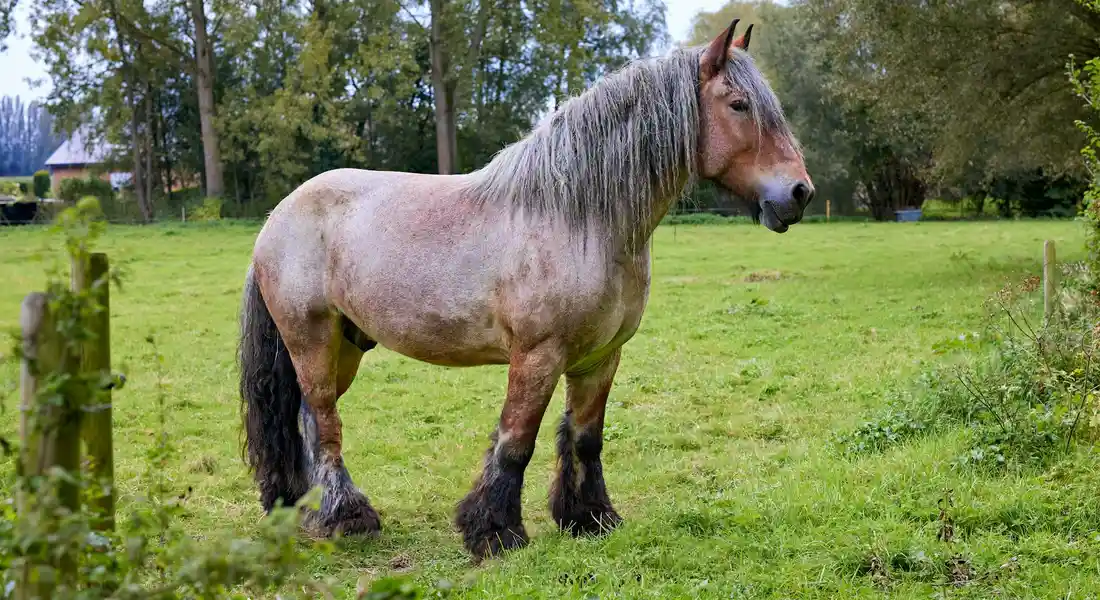
Spotting solanine toxicity early hinges on knowing the signs, from subtle shifts to stark crises. I learned this watching Luna, my sensitive Thoroughbred, after she once snuck a bite of a discarded garden plant-her entire demeanor changed in minutes.
The first clues usually scream from the digestive tract, where solanine acts like a harsh irritant.
- Colic signs: Watch for persistent pawing, frequent lying down and rising, or that telltale glance at the flank. This isn’t ordinary gas; it’s acute pain.
- Diarrhea or loose stool: Sudden, watery manure signals gut inflammation and distress.
- Loss of appetite: When a treat hound like Rusty ignores his evening grain, assume trouble.
- Excessive drooling or nausea: You might see your horse curling its lip or appearing to fight the urge to vomit.
Neurological symptoms mean the toxin is advancing.
These signs indicate the poison is affecting the nervous system, and you must act fast.
- Muscle tremors or twitching: Look for fine shivers along the neck, shoulders, or flanks, even when the horse is still.
- Weakness, staggering, or incoordination: A steady trail horse like Rusty might stumble on a flat path or sway when standing.
- Dilated pupils or a dull, confused stare: The eyes lose their bright alertness, looking clouded and distant.
Behavioral changes are a silent alarm.
- Unexpected lethargy or depression: A high-energy horse like Luna might stand motionless in a corner, ignoring stable activity.
- Nervous agitation or restlessness: Pacing, sweating on a cool day, or anxious whinnying can all point to internal turmoil.
If you observe severe colic paired with stumbling, profound weakness, or continuous tremors, consider it a dire emergency—vet care cannot wait.
Emergency Steps: If Your Horse Eats Potatoes
Finding your horse with potato residue on its muzzle is a heart-dropping moment. Your response must be swift and methodical. Here is the exact sequence I follow at my barn.
- Secure the area and remove all potato material immediately. Get every last peel, sprout, or raw bit out of reach. I’ve cleaned up after Pipin’s escapades enough to know that if one piece remains, he’ll find it.
- Assess the amount consumed and perform a quick symptom check. Look for scraps, estimate the volume, and then run your hands over your horse’s belly for gut sounds. Check their gums for color and feel their demeanor. Is she dull or agitated?
- Call your veterinarian without delay. Do not pause to see if things get worse. Report what was eaten, the approximate quantity, and any symptoms you’ve noted. Your vet might give you immediate instructions over the phone.
- Follow your vet’s directions precisely. This could mean walking your horse to prevent rolling, monitoring vital signs every 15 minutes, or having emergency supplies ready. Your calm execution is a lifeline.
Hesitation is the real danger here; immediate professional guidance is the only safe path forward for your horse. For horse owners, safety starts with informed decisions and cautious, calm handling. Taking a moment to assess risks and seek expert advice can prevent accidents and protect both you and your horse.
Cooked vs. Raw Potatoes: Does It Matter?

You might wonder if boiling or baking a spud makes it a safe snack. From my barn days, I’ve seen this question pop up more than once. Cooking does reduce solanine, the natural toxin in nightshades, but it doesn’t erase it. Think of it like a dusty blanket-beating it off helps, but the ingrained dirt remains. Green or sprouted potatoes are especially risky, as their solanine concentration is highest.
I remember a chilly evening when a new rider brought leftover oven fries for her horse. We avoided a crisis, but the worry was real. Even cooked, the dense carbohydrates can ferment quickly in the hindgut, leading to gas, discomfort, or colic. A horse’s digestion is built for slow-processing forage, not sudden starchy loads.
Whether mashed, fried, or baked, the fundamental risks stay. For equine welfare and peace of mind, potatoes in any form don’t belong in your treat bucket. Your horse won’t miss them, I promise.
Safe and Enjoyable Vegetable Alternatives
Now, let’s talk about the good stuff-the crunchy, sweet, and hydrating treats your horse will actually adore. My treat pouch always has a mix, and Pipin the pony will follow the rustling sound like his job depends on it. Offering variety enriches their day and strengthens your bond, without the hidden dangers. You can find a guide on the best horse treats here.
Here are my top barn-tested picks. Always chop items to prevent choking, and start with small amounts.
| Treat | Key Benefit | Barn Hack |
|---|---|---|
| Carrots | Low sugar, high in beta-carotene | Slice lengthwise into sticks for easy munching |
| Apples | Natural sweetness and fiber | Cut into wedges, remove core and seeds |
| Celery | High water content, very low calorie | Perfect for hot days; chop into small pieces |
| Bananas (peeled) | Easy digestibility, potassium source | Feed in inch-long chunks; some love the peel too |
| Pumpkin (cooked, plain) | Great source of vitamins and fiber | Ensure no added spices, salt, or sugar |
| Watermelon (with rind) | Superb hydration, fun texture | Seeds are safe, avoid spoiled sections |
| Peppermints (occasionally) | Quick breath freshener, motivational | Use sugar-free varieties sparingly as a rare reward |
Luna, my sensitive Thoroughbred, adores a few thin apple slices after a soft training session. Moderation is your best friend-treats should be a sprinkle, not a meal, to keep their diet balanced and their gut happy. Stick to a handful per day, and you’ll have a content, healthy partner.
Practical Feeding Safety and Prevention
Keeping your horse safe from nightshades is less about paranoia and more about building smart, simple habits into your daily routine. I learned this the hard way years ago when a well-meaning volunteer nearly fed a bucket of peelings to old Rusty. The most dangerous threats in a barn are often the casual, accidental ones that slip through our routines, especially when it comes to nightshade plants or tomatoes.
Your first line of defense is a clean, organized feed room. Potatoes for human lunches or sweet potatoes as occasional treats must be locked away as securely as your grain.
- Store all potatoes in a sealed, rodent-proof bin placed in a separate closet or area horses cannot possibly access.
- Never use the same bucket for hauling peelings or scraps that you use for grain or hay.
- Immediately compost kitchen waste in a distant, fenced pile, far from curious muzzles and paddock fences.
Your second battlefield is the pasture itself. Walk your fields regularly, not just for grass quality, but as a safety scout.
- Learn to identify wild nightshade species in your region-look for the distinctive five-petaled purple or white flowers and green berries that turn black or yellow.
- Pull plants immediately, wearing gloves, and dispose of them in the trash, not your manure pile where they might re-root.
- Pay extra attention to shady, overgrown, or damp corners of the property where these weeds thrive.
The final, and most crucial, step is barn-wide education. Gentle horsemanship means informed horsemanship, and that extends to every person who sets foot in the barn.
- Post a clear, picture-based list of “Do Not Feed” items in the tack room and by the main entrance.
- Brief all boarders, family members, and volunteers on the specific risks of nightshade vegetables, using plain language.
- Make “ask first” the barn rule for any treat not directly from the approved treat jar. This protects sensitive souls like Luna from well-intentioned mistakes.
A shared understanding of risk turns a collection of horse owners into a true community of caregivers, watching out for each other and every animal in every paddock. Understanding horse herd dynamics and social enrichment helps caretakers anticipate needs and prevent conflict. This awareness guides turnout, grouping, and enrichment routines across every paddock.
Can Horses Eat Potatoes? Understanding Nightshade Vegetable Risks
Why are potatoes considered part of the nightshade family?
Potatoes belong to the Solanaceae, or nightshade, family, which includes tomatoes, eggplants, and peppers. Plants in this family naturally produce defensive compounds called glycoalkaloids. This biological classification is the primary reason for their inherent risk to horses, which is why they are listed among the toxic plants for horses.
What toxic compounds are found in potatoes?
The main toxic compound in potatoes is solanine, a bitter glycoalkaloid. Solanine acts as the plant’s natural pest and fungus deterrent. Another related compound, chaconine, also contributes to the overall toxicity of the plant, especially in green or sprouted parts.
Are cooked potatoes safer for horses than raw ones?
Cooking does reduce solanine levels but does not eliminate the toxin entirely, especially in potatoes that were already green or sprouted. The dense starch in cooked potatoes can still cause digestive upset and colic in horses. Therefore, cooked potatoes are not considered a safe feed and should be avoided completely.
Steer Clear of the Spud
Potatoes and their nightshade cousins contain solanine, a toxin that can seriously harm your horse, so they have no place in the feed room. For absolute safety, exclude all forms-raw, cooked, or peels-from your horse’s diet and stick to proven, wholesome feeds. There are many other common foods that can be toxic to horses, so consult the complete danger list of toxic foods for horses to avoid hidden risks. A full guide like this helps keep every bite safe.
Trust that gut feeling when you question a treat; the best horsemanship is built on cautious choices and watching your horse’s response. Your partner’s well-being is your greatest responsibility, and their comfort will always tell you what you need to know. By focusing on building a strong bond with your horse, you set a foundation of trust. Trust your horse as you listen to their signals and ride in harmony.
Further Reading & Sources
- Nightshade Poisoning in Horses – Causes, Treatment and Associated Conditions – Vetster
- Twelve Plants Poisonous to Horses
- FS938: Poisonous Weeds in Horse Pastures (Rutgers NJAES)
- The way of horses: Potato, Tomato Let’s Call the Whole Thing Off! – Elite Equestrian magazine
At Horse and Hay, we are passionate about providing expert guidance on all aspects of horse care, from nutrition to wellness. Our team of equine specialists and veterinarians offer trusted advice on the best foods, supplements, and practices to keep your horse healthy and thriving. Whether you're a seasoned rider or new to equine care, we provide valuable insights into feeding, grooming, and overall well-being to ensure your horse lives its happiest, healthiest life.
Nutrition