
Your Guide to Harmonious Herds: Understanding Horse Dynamics and Enrichment
Hello fellow equestrians, does your horse seem constantly on edge, lashing out at paddock mates, or showing new, nervous behaviors under saddle? I’ve seen it too often-these issues usually trace back to misunderstood herd dynamics and a lack of proper social life.
Ignoring these signals risks everything from injury and vet bills to a breakdown in the trust you’ve worked so hard to build.
In this article, we’ll cover the core solutions:
- How to read the subtle body language that establishes the pecking order.
- Strategies for creating balanced turnout groups that minimize conflict.
- Practical, low-cost enrichment activities that do more than just fill time.
- A proven, gradual process for introducing new herd members safely.
For over ten years as a barn manager and trainer, I’ve used these very principles to transform tense yards into calm, contented herds, and I’m here to show you how.
The Heart of the Herd: Why Social Structure Matters
Horses are not solitary creatures; their brains and bodies are wired for connection. In the wild, they form tight-knit groups for safety and companionship. Our domestic herds mirror these patterns, whether it’s a family band with a lead mare and her offspring, a bachelor group of geldings, or the mixed barn crew we manage every day. I’ve watched our little herd for years-Rusty’s steady presence often anchors the more flighty Luna, while Pipin weaves between them, testing boundaries. That playful back-and-forth hints at how horses learn social cues through play. Do horses play to understand their social world and relationships?
Terms like “dominance” and “pecking order” can sound harsh, but in a healthy herd, they’re about fluid communication, not tyranny. Dominance simply means who gets first access to the prime hay pile or the shady spot. Submission is often a polite gesture, like Luna softly lowering her head when Rusty approaches, avoiding a fuss. This subtle dance maintains peace so every horse knows its place and can relax.
Grasping this social blueprint isn’t just interesting-it’s a cornerstone of good care. Here’s why it matters for your barn:
- It prevents stress and anxiety, which can lead to stall weaving, ulcers, or aggressive outbursts.
- It guides daily management, helping you decide which horses pasture well together and who needs a calmer neighbor.
- It directly improves welfare by honoring your horse’s innate need for herd life, reducing the need for constant human intervention.
Reading the Room: Common Herd Behaviors and What They Mean
Spend a quiet hour by the pasture fence, and you’ll witness a silent language of gestures and movements. The thud of hooves in a playful gallop, the soft chewing sounds of shared grazing, the sharp swish of a tail-each tells a story. Play, like when Luna bucks and spins on a spring morning, builds fitness and social bonds. Mutual grooming, where two horses stand head-to-tail and nibble each other’s withers, is the equine equivalent of a good chat with a friend.
Ear pinning or a brief chase isn’t always malice; often, it’s quick conflict resolution. A pinned ear and a look might be enough to say, “Move along,” without a real fight. Observing these interactions lets you gauge the herd’s emotional weather, spotting storms before they break.
To decode this safely, follow these steps from my own observation routines:
- Position yourself at a distance where you won’t influence their behavior, like sitting on a fence rail far from the gate.
- Bring a notebook. Jot down who initiates contact, who defers, and the reactions over 20 minutes.
- Look for patterns. Does Pipin always approach Rusty from the left? Does Luna drift away when the group moves?
- Listen for sounds. The gentle nicker of greeting is worlds apart from the squeal of dispute.
- Always intervene only for real danger-a relentless attack, a trapped horse-otherwise, let their social rules unfold.
Signs of Bonding and Companionship
These are the heartwarming moments that show a herd is clicking. You’ll see:
- Standing head-to-tail for mutual fly-swishing and dozing.
- Synchronous movement, grazing, or resting together like a well-rehearsed dance.
- Gentle nickering and soft nosing when a friend returns to the group.
- Shared rolling spots in the dust, taking turns like kids at a playground.
- One horse standing guard while another naps deeply, a sign of ultimate trust.
Signals of Dispute or Dominance
These behaviors are normal for establishing order, but constant tension means a problem. Watch for:
- Pinned ears flattened hard against the neck, a clear “back off.”
- Forceful tail swishing, especially when not swatting flies.
- Bared teeth or a snake-like striking motion with the head.
- Mock charges where a horse lunges and stops short, displacing another.
- Blocking access to resources like water, hay, or shelter.
The Price of Loneliness: Effects of Isolation on Equine Welfare
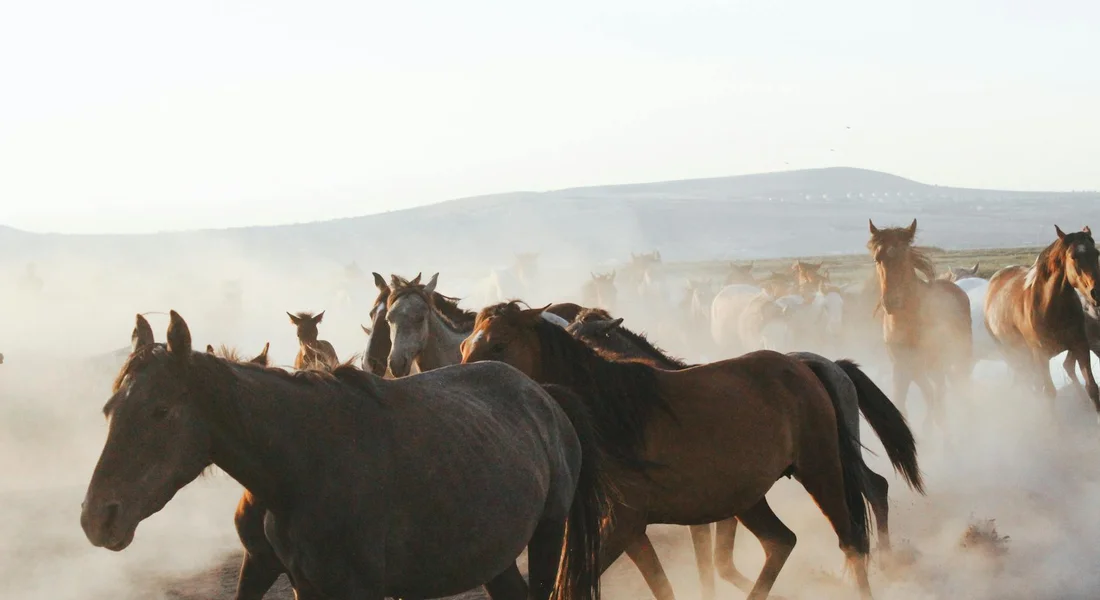
Watch a solitary horse in a stall for too long, and you will see the distress seep into their bones. I have spent years mucking out aisles and noticed the subtle shifts when a horse lacks company. Psychological strain manifests as stress weaving, that rhythmic swaying at the door, or cribbing, where they grab wood and suck air with a hollow gulp. Physical health follows suit, leading to a poor appetite and a compromised immune system that leaves them vulnerable to every barn cough. These behaviors are not vices; they are clear signals of a mind under duress.
Contrast the stagnant silence of a stall with the vibrant hum of the pasture. Inside, you hear only the rustle of shavings and the clank of a bucket. Outside, your ears fill with the thud of hooves in a playful chase, the contented rip of grass, and the low nickers of gossip between friends. That sensory richness is not just background noise; it is vital cognitive stimulation for a herd animal.
For this reason, I consider daily turnout time non-negotiable. It is as critical as fresh water and clean hay. A horse without regular, unstructured social time is a horse operating at a profound deficit, and their well-being will always reflect that lack.
Building Your Herd: Choosing and Introducing Horse Partners
Creating a harmonious herd is part art, part science. Think about compatibility like pairing roommates. You would not put my high-strung Luna in with a equally anxious soul; her sensitivity needs a steady anchor like old Rusty. Age, personality, and energy level must align. A cheeky, food-motivated pony like Pippin can annoy a more sedate horse, while two dominant personalities might clash for top spot. Your goal is balance, not necessarily similarity, to create a peaceful dynamic.
The introduction process demands patience. Never toss a new horse straight into an established group. Start with adjacent paddocks or stalls for several days, letting them communicate over a fence. This builds curiosity, not confrontation. Next, move to supervised contact in a large, neutral area like an empty arena. Have a lead rope handy, but allow them to sniff, squeal, and establish order. Rushing this step is the fastest way to trigger a dangerous kick or bite. When readiness is reached, plan the gradual introduction of the new horse to an established herd. This phase benefits from clear steps and close supervision.
Group composition matters. Geldings often form relaxed bachelor bands, while mares may have tighter, more nuanced hierarchies. Mixed groups can work beautifully with enough space-I aim for at least an acre per horse to prevent crowding. Crowding invites bullying at the hay pile and constant, low-grade stress. Ample space is the unsung hero of successful herd management, giving every horse a place to retreat.
Welcoming a New Horse
When integrating a newcomer, follow these steps to set everyone up for success. I have used this method for everything from thoroughbreds to shetlands, and it rarely fails when done with care.
- House the new horse separately for a week, allowing visual and vocal contact with the herd to build familiarity without risk.
- Introduce the new horse to the calmest herd member first in a neutral space. This creates a potential ally.
- Allow group turnout in stages. Start with just two horses, then gradually add others over several days.
- Provide multiple piles of hay and several water sources in the turnout area to eliminate competition for resources.
- Observe closely for the first week. Normal posturing is fine, but relentless chasing or double-barrel kicks means you need to separate and slow down.
True integration is measured in weeks, not days, so let the horses set the timeline with their behavior.
Beyond Companionship: Practical Social Enrichment Ideas
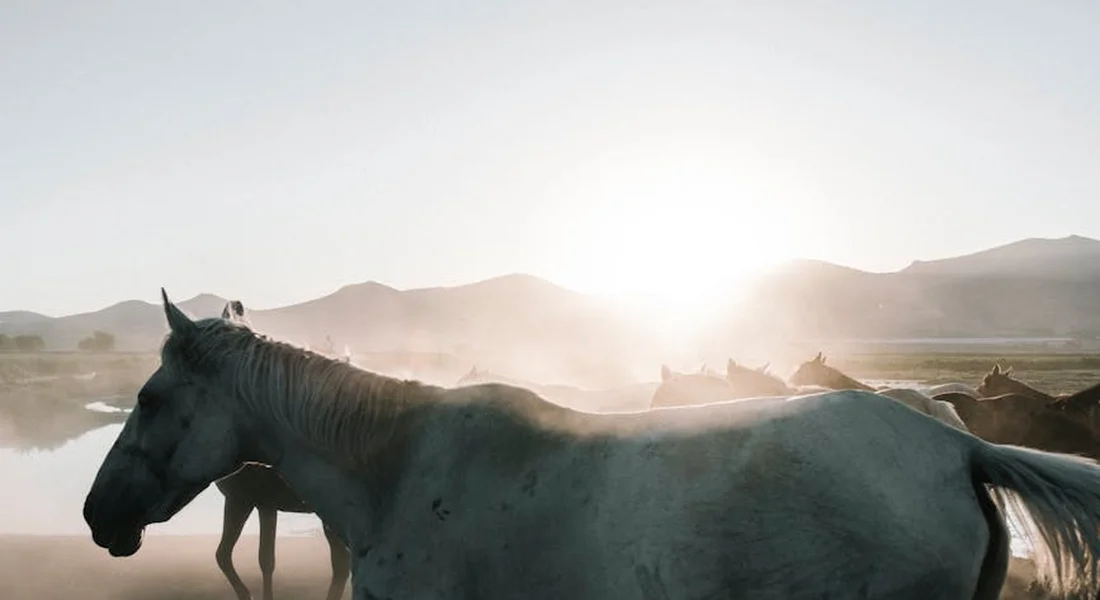
Good turnout is the foundation, but think of it like a blank canvas. We can paint a much richer picture for our horses’ minds. Moving a horse from a stall to a paddock is step one. Step two is making that space engaging for their social brains, especially when considering group turnout versus individual turnout.
Shared puzzle feeders are a barn favorite. Placing a slow-feed hay net or a treat-dispensing ball between two trusted buddies turns meal time into a collaborative event. They solve a problem together, which mimics the focus of mutual grooming. The goal isn’t to create competition, but to foster a calm, shared focus that strengthens their bond.
I implement a grooming buddy system with my own herd. While I curried Rusty, I’d let Luna stand close on a loose lead, just sharing the space. Over time, she learned to relax into the rhythm of the brushstrokes, not just on her, but nearby. It taught her that human interaction can be a peaceful, group activity.
For controlled play, you need space and known personalities. I once set up a safe “play zone” in the large arena by removing all equipment. I turned Rusty and Luna out together there. Rusty, the steady eddy, gave a playful buck and cantered off. Luna, the sensitive one, mirrored him but kept a respectful distance. It wasn’t wild running; it was a conversation. Watching them, I saw the nuanced language of play: an invitation, a response, a pause to check-in. We ended the session after twenty minutes, on a calm note, before anyone got over-excited.
Compare enrichment tools this way. A simple slow-feed net prolongs eating. Two nets hung side-by-side for pals adds a social layer. A scent trail, where you rub different safe herbs on posts or balls, encourages investigative behavior they can experience together, sparking curiosity instead of boredom.
Environmental Enrichment for the Herd
Look at your pasture as a playground. A few well-chosen items can transform it from a cafeteria into a living room. The key is to offer choices.
- Rolling Toys: Large, sturdy balls or sealed plastic barrels. Horses like to push and nudge them. Pipin the pony is a master at orchestrating this, often rolling a ball toward the bigger horses to get a game started.
- Varied Terrain: If possible, a gentle slope, a small gravel patch, or a safe, dry log to step over. This encourages movement and engages different muscles and proprioception as they navigate together.
- Communal Dust Bathing Areas: A designated sandy spot is prime social real estate. You’ll often see horses take turns rolling, or one will roll right after another, seemingly enjoying the shared scent.
These elements encourage natural behaviors in a social context, which is the very heart of true enrichment.
When Things Go Wrong: Behavioral Issues from Poor Social Life
A horse doesn’t act out of spite. So-called “bad” behavior is often a scream for a basic need. Inadequate social contact and mental stagnation are huge, often overlooked, triggers. Understanding horse behavior and psychology can help owners identify and address these needs effectively.
Chronic weaving or fence-walking isn’t just “nervous energy.” It’s often a frustrated attempt to get to other horses, a loop of trapped isolation. Stall biting or kicking can stem from the stress of seeing but not being able to touch or smell a companion. Even aggression at feeding time can explode from a life of social scarcity, where every resource feels like a rare commodity to be defended.
Before labeling a horse “difficult,” I always audit its social world first. The fix is rarely more discipline; it’s almost always more connection.
| Observed Behavior | Possible Social Root Cause | Management & Fix |
|---|---|---|
| Weaving, Pawing, Stall Walking | Social isolation, inability to engage with herd. | Ensure visual/tactile contact with a calm neighbor. Prioritize daily turnout with a compatible buddy. |
| Aggression when Led or Groomed | Frustration from chronic separation, lack of social confidence. | Practice grooming/tacking near a calm herd mate. Rebuild positive associations in a group setting. |
| Excessive Vocalization (constant whinnying) | Anxiety over herd separation or instability in group hierarchy. | Keep established buddies together. Avoid frequent changes in herd composition. Provide a clear line of sight to friends. |
| Fence Fighting | Poor herd introductions, forced proximity without proper integration, or barrier frustration. | Re-introduce horses in a large, neutral space. Use double-fencing to allow safe sniffing and interaction without contact. |
Gentle intervention starts with observation. Watch the herd. Who is alone? Who is always the instigator? Sometimes, the solution is as simple as moving a middle-ranking horse to a paddock with a lower-key friend. The goal is to provide security, not just space. A socially secure horse is a mentally available partner. For a young rescue horse, socializing with other horses in a calm, supervised context helps build trust and resilience. Start with brief, gradual introductions to compatible herd mates to ensure a smooth adjustment.
Mimicking Nature: Creating an Enriching Environment
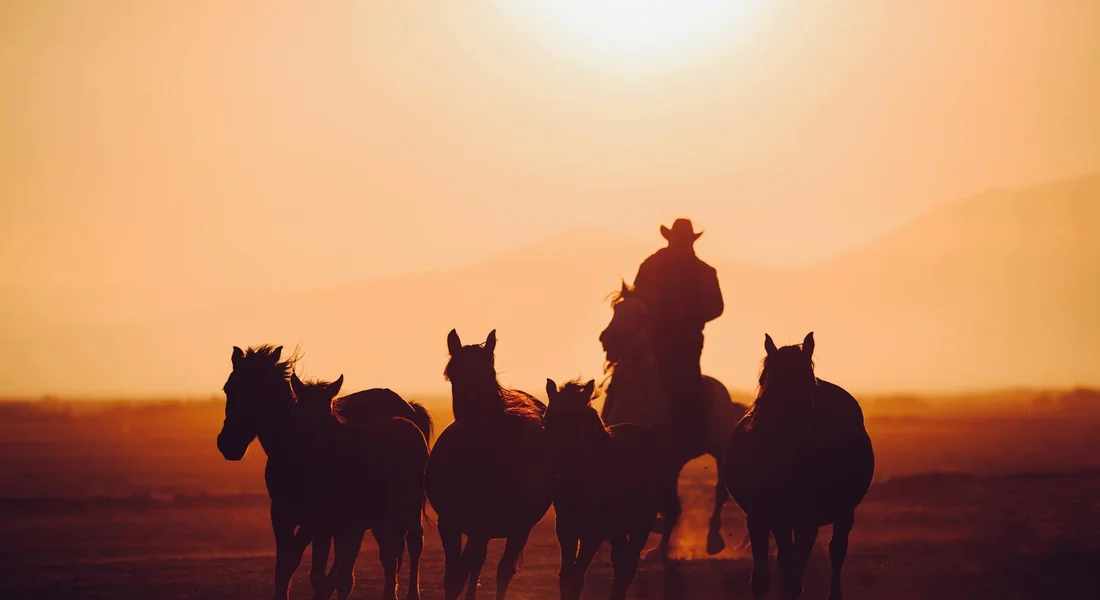
You cannot replicate a thousand-acre prairie, but you can absolutely design a managed space that honors a horse’s social brain. The goal is a cohesive, low-stress herd where every member, from the seasoned veteran like my Rusty to the cheekiest pony like Pipin, understands their place. It boils down to three non-negotiable pillars: ample space, protective shelter, and stable friendships.
First, think in acres, not stalls. Crowded paddocks create tension and injury risks. True enrichment begins with enough room for the lowest-ranking horse to move away without being cornered. Next, provide a sheltered loafing area-a run-in shed is perfect-where the herd can congregate out of the elements without feeling trapped. Finally, be a curator of friendships. Constant regrouping is a profound stressor. Once a compatible herd is established, keep it consistent.
Your Herd Welfare Checklist
Grab your coffee and take this quick audit of your current setup. Be honest with your answers.
- Space Ratio: Do you provide a minimum of 1-2 acres for the first two horses, plus an additional acre for each additional horse? Mud management counts as part of this equation.
- Escape Routes: Are there multiple water sources and hay piles to prevent resource guarding? Can a chased horse easily get out of a blind corner?
- Social Stability: How often are horses introduced or removed from the group? Frequent changes signal social turmoil to the entire herd.
- Passive Observation: Do you spend 15 minutes just watching them interact? You’ll learn more about herd hierarchy here than any handling session.
- Injury Tally: Are you seeing an unusual number of kicks, bites, or stress-induced conditions like ulcers? This is your herd screaming for a management change.
I learned the hard way with Luna, my sensitive Thoroughbred. Introducing her directly into a large, boisterous group was a mistake. Her anxiety skyrocketed, and she stopped eating. The solution was a gradual introduction over a safe fence line, allowing her to choose when to engage, which mirrored natural herd assimilation. Within a week, she had found a calm buddy and her stress melted away. Your job isn’t to control every interaction, but to set the stage for them to succeed. Aim for that sweet spot where you hear the contented crunch of hay, not the frantic thud of panicked hooves.
FAQ: Understanding Horse Herd Dynamics and Social Enrichment
Why is understanding natural herd dynamics important for my domestic horses?
Recognizing innate herd behavior helps you prevent stress-related issues like ulcers and stereotypic behaviors. It allows you to create turnout groups that minimize conflict by understanding compatibility. Ultimately, it guides you in providing a welfare-focused environment that meets your horse’s fundamental social needs. Recognizing genuine signs of healthy interaction among horses is a key part of this understanding.
What can I learn from watching a horse herd dynamics video that pictures might not show?
A video captures the fluid sequence of body language, showing how one gesture leads to a reaction in real-time. You can observe the pacing and rhythm of interactions, like the build-up and resolution of a playful chase or a mild dispute. This dynamic context is crucial for understanding the subtle, ongoing communication that static images cannot fully convey.
How do wild horse herd dynamics inform the management of my horses at home?
Wild herds showcase the essential need for ample space, allowing horses to choose companions and avoid conflicts naturally. They demonstrate stable social units and clear, fluid hierarchies that reduce constant tension. Observing these natural behaviors provides a blueprint for promoting movement, choice, and stable relationships in your own management practices. Applied thoughtfully, these insights can help you create a safe, enriching environment for your horse. By shaping turnout, social access, and enrichment opportunities, you support movement, choice, and calm relationships.
Putting Herd Knowledge into Practice
Your main jobs are to provide safe turnout spaces with multiple buddies and to introduce new horses slowly and patiently. Always ensure there are multiple, widely separated hay piles and water sources in the field to prevent bullying and guarantee every horse, even the low-ranking one, can access essentials. This also ties into designing a safe, effective horse pasture, where layout, fencing, drainage, and shade support safety and fair access.
Watch your herd regularly-their interactions are a direct lesson in equine communication. Trust that allowing them to just be horses together is a profound form of care that builds confidence and peace in your entire barn. Understanding herd dynamics is key to this process.
Further Reading & Sources
- Environmental Enrichment for the Horse: The Need for Companionship – IAABC FOUNDATION JOURNAL
- Companionship and Socialising | The British Horse Society
- A Guide to Domestic Horse Enrichment –
- Beyond The Basics: Creating Truly Enriched Environments For Horses
At Horse and Hay, we are passionate about providing expert guidance on all aspects of horse care, from nutrition to wellness. Our team of equine specialists and veterinarians offer trusted advice on the best foods, supplements, and practices to keep your horse healthy and thriving. Whether you're a seasoned rider or new to equine care, we provide valuable insights into feeding, grooming, and overall well-being to ensure your horse lives its happiest, healthiest life.
Behavior