
Can Horses Eat Turnips and Turnip Greens? A Practical Feeding Guide
Hello from the barn aisle! You’re likely holding a turnip, its greens rustling, and wondering if this humble root is a safe treat or a hidden danger for your horse. That moment of hesitation is wise-mystery snacks can lead to upset stomachs, vet calls, and worried nights watching the paddock.
Let’s settle this directly. I’ll cover the straightforward yes-or-no on safety for both the root and the leafy tops, how to prep them to prevent choking-a critical step many miss, the unexpected nutritional perks and the specific horses who benefit most, and exact portion sizes and signs of a bad reaction.
This advice comes from two decades of barn management, testing snacks on everything from my steady gelding Rusty to my clever pony Pipin, always putting their well-being first.
Turnips 101: A Quick Root Vegetable Rundown
Before we toss one to our equine friends, let’s get a clear picture of what a turnip actually is. They’re a cool-weather root vegetable, a cousin to broccoli and kale. The part we usually eat is the swollen root, which can be white, yellow, or purple-tipped. The greens are the leafy tops, which are a separate culinary ingredient for us and a separate consideration for our horses.
You’ll find them at the grocery store, but I often grab them from local farmers in the fall. They store well in a root cellar, which is a clue to their nature: dense, starchy, and packed with water. Think of a turnip root as a watery, fibrous potato with a peppery kick, and you’re on the right track for how to approach feeding it.
The Nutritional Good and Bad in Turnips and Greens
This isn’t a simple yes or no. Both the root and the leafy greens have a profile of benefits and potential pitfalls. My rule in the barn is to know what I’m handing out, so let’s break it down.
What’s in the Root? Turnip Nutrition
The crunchy, bulbous part is mostly water and carbohydrates. It offers some good things: dietary fiber for gut motility, vitamin C, and potassium. That fiber is useful, but the carb content is the main event.
Those carbs come in the form of sugars and starch. For an easy keeper like my Quarter Horse, Rusty, too much of this can be like feeding him extra scoops of grain. For insulin-resistant or overweight horses, the sugar in turnip roots makes them a treat to avoid or strictly limit.
- Good Points: High water content, source of soluble fiber, provides some vitamin C and potassium.
- Watch Points: Moderate sugar and starch levels, can be a choking hazard if not cut, may cause gas if introduced too quickly.
I treat the root like a juicy, fibrous cookie. It’s not a dietary staple, but a small chunk is a fun, hydrating snack on a hot day.
What’s in the Leaves? Turnip Greens Nutrition
The leafy tops are a different nutritional beast entirely. They are rich in vitamins A and K, calcium, and antioxidants. They are also where we find the common concerns associated with brassica family plants.
Turnip greens contain compounds called oxalates, which can bind to calcium and prevent its absorption, and goitrogens, which can interfere with thyroid function. The risk from these compounds is almost always tied to massive, sustained consumption, not the occasional handful of greens. A horse would need to eat pounds of greens daily over weeks to see issues.
- Good Points: Excellent source of Vitamins A & K, good calcium content, antioxidant properties.
- Watch Points: Contain oxalates and goitrogens, can have a slightly bitter taste some horses reject, always wash to remove potential soil or spray.
I’ve fed wilted turnip tops to Luna after checking with her owner, and she nibbled them delicately. They are a “sometimes” food, not a hay replacement. Variety is the spice of life, but the foundation of their diet must remain hay and grass.
Feeding Turnips Safely: The Non-Negotiable Rules
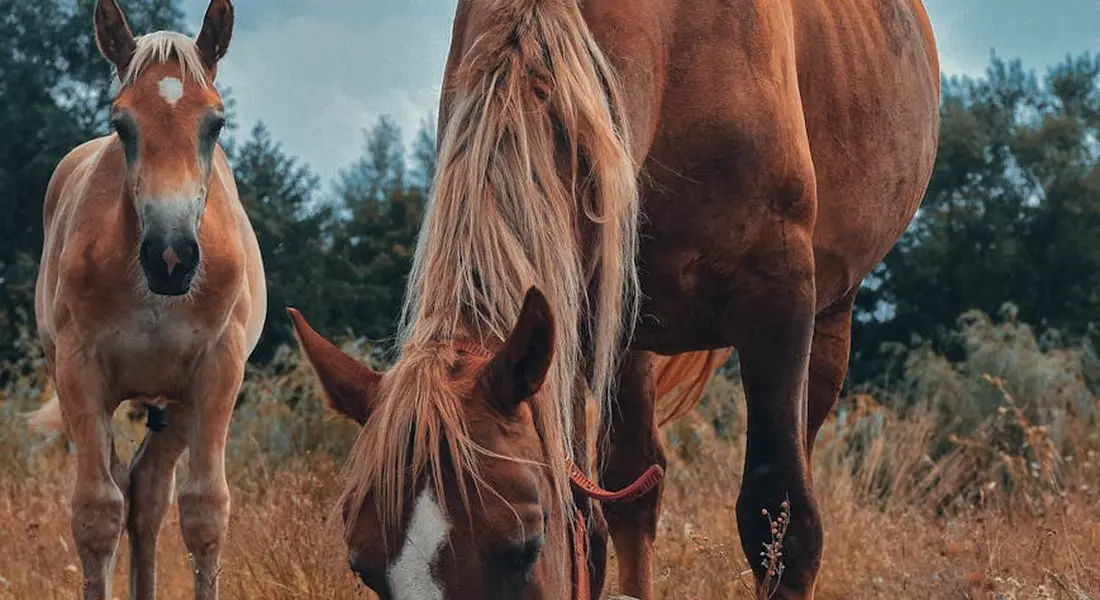
Handing your horse a treat should be a moment of joy, not a trip to the vet. I’ve learned this the hard way after a few digestive surprises over the years. Following these simple barn rules turns a risky snack into a safe, occasional delight—especially when combined with an understanding of common feeding myths that can be harmful to your pet.
Step 1: Start Slow and Small
Your horse’s gut is a delicate ecosystem of microbes. Introducing a new, sugary vegetable like a turnip too fast can send that system into revolt. I think of Luna, my sensitive Thoroughbred; her system is like a finely-tuned watch.
- Begin with one or two thin slices, about the size of a poker chip.
- Offer this tiny amount for 2-3 days in a row, watching manure consistency and behavior closely.
- Only increase the amount if you see zero signs of loose stool or gassy discomfort.
Rushing this step is the fastest way to a grumpy, gassy horse and a sleepless night for you.
Step 2: Proper Prep is Key
Never, ever hand a whole turnip to a horse. Their eager chomp and powerful jaws are a choking hazard waiting to happen. Preparation is about safety first.
- Wash the turnip and greens thoroughly to remove dirt and potential chemical residues.
- Peel the turnip to remove the waxy outer skin, which can be tough to digest.
- Cut into long, thin strips or small cubes-never round, coin-shaped slices that can lodge in the throat.
- For greens, chop them roughly to prevent long, stringy pieces from causing tangles.
The extra five minutes you spend chopping is your best insurance against a terrifying emergency.
Step 3: How Much is Too Much? Portion Control
Turnips are a treat, not a feed. Their higher sugar content means they should never replace hay or balanced meals. From an equine nutrition basics perspective, keep treats within a plan for optimal health and performance. Small, mindful portions help maintain steady energy and gut health.
- For a full-sized horse, limit turnip flesh to one or two small handfuls per day, maximum.
- Treat greens similarly; a few loose handfuls mixed into their feed is plenty.
- Always feed as part of a meal or directly after work, never on a completely empty stomach.
I measure treats against Pipin’s clever gaze: if the Shetland pony would scheme all day for it, it’s probably too much of a good thing.
Specific Risks and When to Say No
Being a good barn manager means knowing when to withhold a treat, even when those soft lips are nuzzling your pocket. Your vigilance is the primary defense against preventable health issues.
Understanding the Colic and Gas Connection
Turnips belong to the brassica family, which are notorious for producing gas during fermentation in the hindgut. For a horse prone to colic or with a history of gas pains, this is a hard pass.
- The rapid fermentation of simple sugars can lead to excess gas production and painful bloating.
- Any sudden change in diet is a top colic risk; a big pile of turnips is a drastic change.
- Horses with metabolic conditions like Insulin Resistance are especially vulnerable to the sugar spike.
If you hear excessive gurgling or your horse seems restless after eating, you’ve likely overdone it-note that for next time.
The Trouble with Greens: Oxalates and Goitrogens
The leafy tops carry their own unique risks that every owner should understand. Turnip greens contain compounds called oxalates, which can bind to calcium and prevent its absorption. Collard and mustard greens carry similar risks, so it’s generally best to feed such treats sparingly.
Turnips as a Treat: How They Compare
Stacking turnips against the classic barn treats gives you a clearer picture. It’s like comparing a reliable, sturdy hoof pick to a fancy, glittery one-both have their place, but you need to know their best use.
Turnips offer a different texture and a milder sweetness than the usual suspects, which can be a welcome change for a bored or picky palate. Here’s a quick barn-whiteboard breakdown.
| Treat | Pros | Cons & Notes |
|---|---|---|
| Carrots | Classic, widely accepted, good for teeth. | Higher in sugar; can be a choking risk if not cut for older horses. |
| Apples | High palatability, good hydration. | Even higher in sugar; core and seeds should be removed. |
| Commercial Treats | Convenient, often fortified with vitamins. | Can be expensive and packed with molasses and fillers. |
| Turnip Root (raw) | Low sugar, crunchy texture promotes chewing. | Very hard; must be cut. Can be an unexpected flavor for some. |
| Turnip Greens | Leafy, high in vitamins, great for foraging enrichment. | Must be washed thoroughly; introduce in tiny amounts to avoid gas. |
I keep a bag of chopped, washed turnip pieces in the fridge during the winter. Rusty, my steady Quarter Horse, will take them politely, but you can see him thinking it over first. Luna, the sensitive Thoroughbred, often turns her nose up at the novelty. Pipin the pony? He’ll try to steal the whole bag.
The key takeaway is rotation: using different treats keeps your horse’s diet varied and their mind interested, much like changing up a trail riding route staves off boredom.
My Barn-Tested Advice and Final Thoughts
After years of managing curious equine mouths, my philosophy on new treats is simple: slow, small, and observant. The quiet joy of watching a horse thoughtfully crunch a new vegetable is better than any store-bought cookie.
Always introduce any new food, including turnips, over several days, starting with a piece no bigger than a golf ball. This gives the microbial jungle in their hindgut time to adjust without revolt.
Here is my step-by-step barn protocol for serving turnips safely:
- Wash and Peel: Scrub the root and greens to remove dirt and potential residues. I usually peel the root for the first few tries to make it easier to digest.
- Chop, Don’t Chuck: Never feed a whole turnip. Cut the root into small cubes or thin slices. Tear the greens into manageable pieces.
- Hand-Feed First: Offer a piece from your flat palm. Watch their reaction. Do they munch happily or spit it out? This tells you everything.
- Monitor the Aftermath: Keep an eye on their manure and behavior for the next 24 hours. Any sign of loose stool or unusual gassiness means pause and revert to their normal diet.
- Store Smart: Keep unused chopped turnips refrigerated. They wilt and spoil faster than carrots.
I’ve found turnip greens are a fantastic way to add a leafy green to their diet when the pasture is short, but they are a garnish, not a meal. Your horse’s foundational diet of quality forage should always be the undisturbed centerpiece; think of treats like turnips as the occasional, interesting side dish—tease the taste buds with safe veggie options.
If your horse is an easy keeper, has metabolic issues, or is a hard-working athlete, always consult your vet before adding new foods. What works for my laid-back Rusty might not suit a horse with insulin resistance. Trust your gut, watch your horse, and enjoy the simple experiment of sharing a crunchy, earthy treat from your garden.
FAQ: Can Horses Eat Turnips and Turnip Greens?
Can horses eat turnips?
Yes, horses can safely eat turnips as an occasional treat when prepared correctly. They should be introduced slowly in small amounts to avoid digestive upset. Always peel and cut them into thin strips to prevent choking hazards.
Can turnips cause colic in horses?
Turnips can contribute to colic if fed excessively or introduced too quickly. Their sugars and fibers may ferment in the gut, leading to gas and discomfort. To reduce risk, limit portions and monitor your horse closely for signs of bloating or changes in manure. It’s also important to avoid common feeding errors that increase colic risk.
Can horses eat cooked turnips?
Cooked turnips are generally safe but not commonly recommended for horses. Cooking may soften the texture, but it can also break down nutrients and concentrate sugars. Stick to raw, properly prepared turnips as outlined in the article unless advised otherwise by a veterinarian, especially when considering foods that can be toxic to horses.
Handing Out Helpings
Turnips and turnip greens can be a fun, occasional treat when prepared with care. Always introduce any new food in tiny, chopped pieces and monitor your horse closely for the next 24 hours to ensure they digest it well. This is especially important when trying out leafy greens, as discussed in our vegetable safety guide.
Patience and observation are your best tools for keeping your horse safe and happy at dinner time. The most important part of any feeding routine is listening to what your horse tells you with their behavior and their health. With that insight, you can translate observations into a reliable daily feeding schedule. A comprehensive guide on creating the perfect horse feeding schedule daily routine will walk you through the steps.
Further Reading & Sources
- Turnips? | Horse and Hound Forum
- A Horses Diet: What They Can and Can’t Eat
- Can Horses Eat Turnips? – Horse Answer
- Can Horses Eat Turnips – The Horse Blogger
At Horse and Hay, we are passionate about providing expert guidance on all aspects of horse care, from nutrition to wellness. Our team of equine specialists and veterinarians offer trusted advice on the best foods, supplements, and practices to keep your horse healthy and thriving. Whether you're a seasoned rider or new to equine care, we provide valuable insights into feeding, grooming, and overall well-being to ensure your horse lives its happiest, healthiest life.
Nutrition