
How Do a Horse’s Senses Compare to Humans? A Guide to Safer Handling and Deeper Bonds
Published on: February 26, 2026 | Last Updated: February 26, 2026
Written By: Henry Wellington
Hello fellow equestrians. Does your horse sometimes spook at a fluttering leaf or balk at a familiar trail, making you feel confused or even uneasy in the saddle? That moment of misunderstanding is often a sensory mismatch, where your horse’s world feels vastly different from your own.
In this article, I’ll translate the science of equine perception into practical barn wisdom. Here’s what we’ll cover:
- The unique way horse vision works, including their blind spots and panoramic view
- How their superior hearing picks up sounds long before you do
- Why a horse’s sense of smell is their primary social media and memory bank
- How their sensitive touch informs everything from training to trust
My years of managing barns and training sensitive souls like Luna have taught me that working with their senses, not against them, is the heart of gentle horsemanship.
Why Your Horse’s Perception is Different
Your horse isn’t being dramatic when he spooks at a flapping tarp. He’s reading a survival manual written over millennia. As prey animals, horses evolved senses fine-tuned for one primary job: detecting a threat early enough to run first and ask questions never. Our human senses, shaped by our history as predators and tool-users, prioritize detail, color, and forward-focused planning. This fundamental difference in neurological wiring is the root of most misunderstandings at the barn.
Think of it like computer operating systems. A horse’s brain runs on constant, broad-spectrum threat detection software, processing smells, sounds, and peripheral movements simultaneously. Our human brains run more specialized programs for focused tasks like identifying a specific leaf or thread. When we recognize their system isn’t broken, just different, we stop taking their reactions personally and start building real trust.
| Sensory Priority | Horse (Prey Animal) | Human (Predator Descendant) |
|---|---|---|
| Primary Goal | Detect threat to flee. | Identify detail to understand. |
| Hearing Range | Wider, can rotate ears independently to pinpoint sounds. | Narrower, focused on frontal sounds for communication. |
| Smell Sensitivity | Extremely high; used for identifying friends, foes, food, and danger. | Relatively low; less critical for immediate survival. |
| Motion Detection | Exquisite; slightest movement in periphery triggers alert. | Good, but we often consciously ignore “background” motion. |
| Default Response | Flight. Think, then run. | Assess. Stop, look, and process. |
Equine Vision: Wide-Angle with Blind Spots
Standing beside your horse, you might feel like they see everything. In a way, they do-just not in the same picture-perfect clarity we do. Their vision is a trade-off: panoramic awareness for survival at the cost of detail and depth. I’ve watched Luna spot a deer flick its ear a hundred yards away in dim light, yet hesitate at a shadow on the ground directly in front of her. It all makes sense when you break it down, especially when you debunk the myths about horse vision.
Color and Clarity: What Horses Really See
Forget the old myth of horses seeing only in black and white. They have dichromatic vision, meaning they see two primary color wavelengths. It’s similar to a human with red-green color blindness. Blues and yellows are vivid, but reds appear as muted browns or greens, and details can be softer. This muted palette means a bright orange traffic cone is less jarring to them, but a subtle change in footing texture can be a mysterious cliff.
This affects your riding. A ditch filled with red clover might look like a solid green mass to them, hiding the depth. Teaching a horse to trust your judgment over his vision is a cornerstone of trail riding. My old gelding, Rusty, would always pause at puddles reflecting a blue sky-to him, it could be a hole into the heavens.
- They see blues and yellows best.
- Reds and similar hues appear muddy or greenish.
- Visual acuity is lower; they can’t focus on fine details as we can.
- Depth perception is best where their binocular vision overlaps, directly ahead and down where they graze.
The Panoramic View and Those Blind Zones
A horse’s eyes are set on the sides of their head, gifting them with a nearly 350-degree field of view. They can see almost all the way around their body without moving their head. The trade-off is a small zone of binocular vision (where both eyes see the same thing) right in front of their forehead and down their nose, used for judging distance. They have significant blind spots directly behind their tail and in a small area right between their eyes and below their muzzle. Understanding these areas is crucial for proper horse handling and care.
This is why safe handling is non-negotiable. Walking up to pet his nose from directly in front? You’re a blurry shape materializing from nothing. That’s how you get head-shy. I always make sure Pipin hears my voice before I walk into his rear blind spot to pick his feet.
- Always approach from the side, at an angle near the shoulder, where they can see you best.
- Speak softly as you enter their peripheral vision so they identify you by sound first.
- When working around their rear, keep a hand on them so they track your location.
- Be mindful of sudden movements in their periphery, like flipping a saddle pad or raising an arm quickly-it’s an alarm bell.
- Check eye health routinely; cloudiness, squinting, or excessive tearing can shrink their already imperfect visual world.
Equine Hearing: Masters of the Soundscape
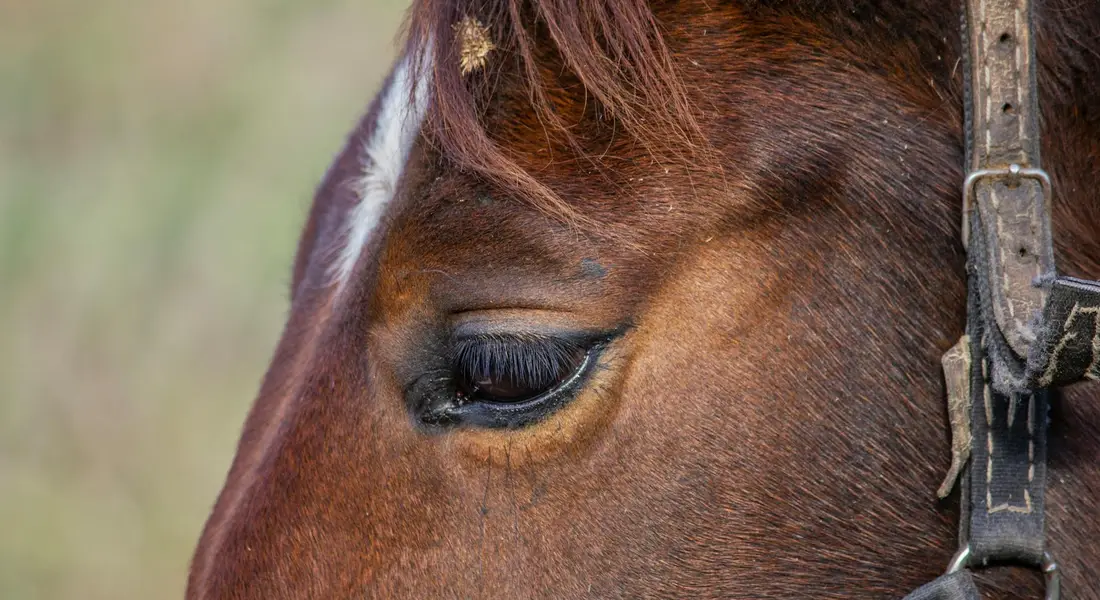
Stand perfectly still in your barn aisle and listen. You might hear the hum of a fan or distant traffic. Your horse hears a whole symphony you’re missing. Their hearing sensitivity puts ours to shame. I learned this with Luna, my sensitive Thoroughbred, who would tense up long before I heard the farrier’s truck. Horses hear frequencies from 14 Hz to 25 kHz, catching ultrasonic sounds like rodent squeaks or faulty electrical buzzes we never notice. This superior range is a survival holdover from life on the open plains, where hearing a predator’s faint movement meant everything.
Their ear structure is engineering genius. Each ear can swivel 180 degrees independently, acting like precise radar dishes. Watch your horse’s ears the next time a strange noise pops up; one might point forward while the other flicks back, triangulating the sound’s source. This mobility lets them monitor their environment constantly, even while dozing. Horses also communicate through vocal cues, and they can pick up on human tones and simple commands to some extent. This two-way listening—ears, sound, and response—emphasizes how we speak to them and the sonic world we create. Respecting this ability means we must be mindful of the sonic chaos we create in their world.
Common barn sounds we tune out can be jarring, stressful events for them. Think about it from their perspective.
- Clanging metal buckets or pitchforks hitting concrete.
- The high-pitched whine of power tools or clippers.
- Sudden, loud vehicle backfires or engine brakes.
- Rustling plastic feed bags or tarps in the wind.
- Sharp, echoing shouts or loud music from a radio.
Creating a quieter, more predictable soundscape isn’t about total silence. It’s about reducing surprise. I make a habit of whistling a specific tune when I enter the barn, so Rusty and the others know it’s me. Here are steps I take to give their ears a break.
- Pad metal bucket hooks with old rubber inner tubes to muffle clangs.
- Schedule noisy maintenance like grinding or drilling for when horses are out on turnout.
- Use slow, deliberate movements when handling metal tools or gates.
- Introduce new sounds, like a new tractor, gradually from a distance with positive reinforcement.
- Keep a consistent daily rhythm so sounds become familiar cues, not alarms.
The Nose and Mouth: Smell and Taste in Harmony
A horse greets the world nose-first. Their sense of smell and taste are a linked team, working in harmony to assess safety and pleasure. While we have about 5-6 million scent receptors, horses have closer to 300 million. Their world is a rich tapestry of odors we can’t fathom. This powerful olfaction is their primary tool for recognizing herd mates, sensing danger, and even judging your mood when you walk in the stall.
Taste is smell’s close partner. Horses have fewer taste buds than humans-around 25,000 compared to our 9,000-but they are brilliantly tuned to detect bitterness. This is a hardwired defense mechanism against poisonous plants. That’s why they might reject a new supplement or hay; they’re conducting a safety test. Their mouth and nose together decide what is food, friend, or foe long before we might understand their hesitation – especially when it comes to toxic foods for equines.
This sensory duo directly impacts how we should care for them. Forget the idea that horses are just big dogs; their chemical perception is far more nuanced. Here’s how I let their noses guide my routine.
- Introduce new feeds or supplements slowly. Let them sniff and sample over days, mixed with familiar favorites.
- Use smell for bonding. Let a new horse sniff your hands, clothes, and even your breath before you touch them. I always offer my closed fist for Pipin to investigate.
- Avoid heavily scented products like perfumes, strong detergents on saddle pads, or chemical fly sprays near their face. These can be overwhelming and mask important environmental cues.
- Store hay, grain, and bedding away from fuels, paints, or cleaning agents to prevent odor contamination.
- Pay attention to their sniffing behavior. If your horse is intensely smelling a spot on the ground or a fence post, they’re reading the local news-who’s been there and what’s happened.
The Language of Touch and Balance
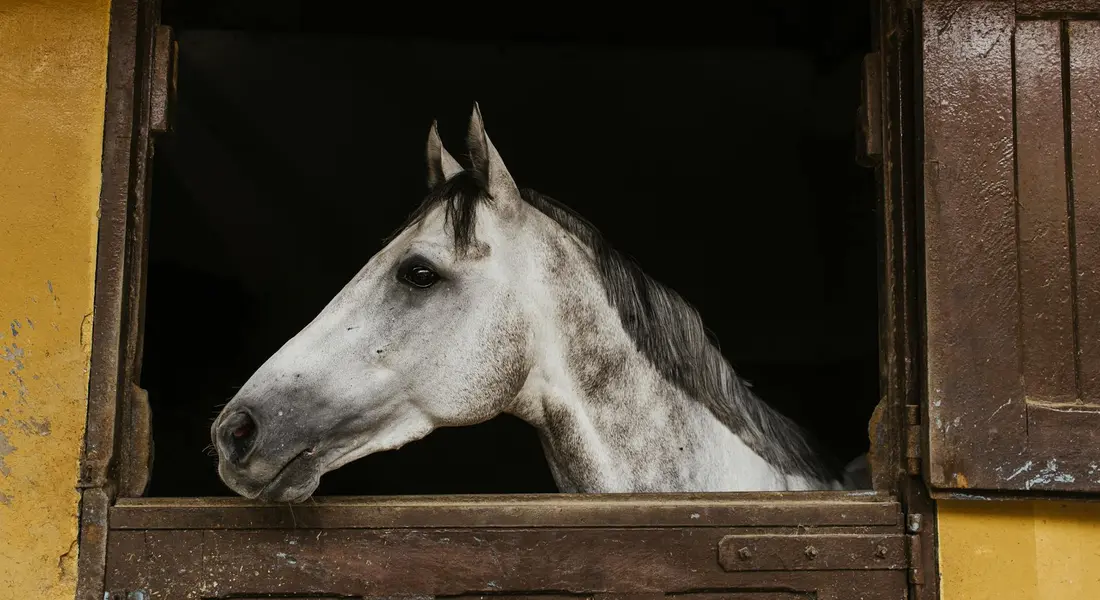
A horse’s touch is a live wire of sensitivity, far finer than our own blunt human skin. Their entire body is a sensory sheet, with areas like the flanks, legs, and muzzle humming with nerve endings. This, paired with an innate sense of balance called proprioception, dictates how they experience your brush, their saddle, and the very ground they stand on. When you acknowledge this, you stop handling a large animal and start communicating with a feeling, thinking partner. You may be wondering, does grooming touch help deepen your connection with your horse? Mindful grooming builds trust, turning touch into a conversation that fosters understanding.
Incorporate these touch tips into your daily routine for gentler handling:
- Apply grooming pressure like you’re washing a delicate plate, not scrubbing a floor.
- Check tack fit by sliding your fingers under every strap; a single folded hair can cause real pain.
- Watch for the swish of a tail or a subtle skin shudder-these are clear sentences in the language of discomfort.
- Use your voice as a tactile cue; a steady murmur can soothe as effectively as a soft hand.
- During groundwork, think of your lead rope as a silk thread, not a chain, communicating through feel.
Skin and Whiskers: More Than Just Hair
That sleek coat covers a landscape of sensation. I’ve seen Luna, my Thoroughbred, flinch at a stiff dandy brush but melt into the circles of a soft rubber curry. Their whiskers, especially around the muzzle and eyes, are not decorative. They are precise tools for measuring distance and detecting texture before contact. Chopping off those whiskers for a clean show look is like taking away their fingertips in a dark room. Always opt for softer brushes on sensitive zones and be a detective for hidden dirt, which feels like gravel in their shoe.
Feeling the Ground: Proprioception at Work
Proprioception is your horse’s internal, ever-updating map of their own body in space. It’s why they can place a hind hoof exactly where the front one was without looking. This sense is the silent partner in every balanced stride, jump, or turn. Consistent, well-trimmed hooves and thoughtful footing are the best support you can give this complex system. I build this with Pipin, my clever pony, by walking him over uneven, safe terrain-it sharpens his body awareness and makes him a more confident mover. That same awareness carries over as a horse walks and navigates obstacles—whether on a trail, in the arena, or around a course. It helps them read footing and space, making each step deliberate rather than hurried.
Frequently Asked Questions: How Do a Horse’s Senses Compare to Humans?
How do horses see compared to humans?
Horses have a wider panoramic field of view but lower visual acuity and different color perception than humans. They see blues and yellows best, while reds appear muted, and they have significant blind spots directly in front and behind. This unique vision means they detect color differently than humans. They detect motion easily but may misinterpret details, requiring careful handling to avoid startling them.
How do horses hear compared to humans?
Horses hear a broader range of frequencies, including ultrasonic sounds, and can rotate their ears independently to pinpoint noises. Their hearing is more sensitive, allowing them to detect faint sounds long before humans do. This makes them prone to stress from loud or sudden noises, so creating a calm soundscape in the barn is essential for their well-being.
How do horses smell compared to humans?
Horses have a vastly superior sense of smell, with hundreds of millions more scent receptors than humans, using it as a key tool for social interaction and memory. They rely on smell to identify individuals, assess safety, and explore their environment, which is why unfamiliar odors can be unsettling. To support this sense, introduce new scents slowly and avoid overwhelming products like perfumes around them.
Ride Safe
Adjust your handling to match their panoramic vision and whisper-soft hearing, making every interaction predictable and calm. This steady, gentle approach builds a strong bond and trust with your horse. A trusted partnership makes future challenges easier to handle. When introducing anything new, from tack to trail obstacles, always let your horse sniff it first-this simple act uses their strongest sense to build trust and avoid fear.
My time with sensitive Luna taught me that patience isn’t just waiting; it’s watching for the flick of an ear or the soft snort that says “I’m okay.” True safety comes from reading these subtle cues, turning daily care into a quiet conversation with your horse.
Further Reading & Sources
- Horse Senses | Extension Horses
- Equine Senses and How They Relate to Behavior | Equimed – Horse Health Matters
- Sensory Abilities of Horses and Their Importance for Equitation Science – PMC
- Horse Senses – Straightness Training
At Horse and Hay, we are passionate about providing expert guidance on all aspects of horse care, from nutrition to wellness. Our team of equine specialists and veterinarians offer trusted advice on the best foods, supplements, and practices to keep your horse healthy and thriving. Whether you're a seasoned rider or new to equine care, we provide valuable insights into feeding, grooming, and overall well-being to ensure your horse lives its happiest, healthiest life.
Behavior