
How Socialization Builds a Calmer, More Trainable Horse
Hello fellow barn folks. Is your horse a nervous wreck when separated from the herd, or does he shut down in new environments? That tension isn’t just a training hurdle-it’s a safety risk for both of you and a fast track to stress-related health issues.
Let’s talk about the root cause often overlooked in the training plan: isolation. A socially-starved horse is an anxious horse, and anxiety is the enemy of performance. I’ll show you how fixing this transforms everything from groundwork to gait quality.
We’re covering the core solutions you can implement, starting with:
- The hardwired herd instinct: why turnout isn’t a luxury, but a neurological need.
- Safe introduction protocols to prevent injuries and build positive herd bonds.
- How consistent social contact directly reduces spooking and improves rideability.
- Managing different personalities, from sensitive Thoroughbreds to clever ponies.
My time managing a busy barn and training everything from steady eddies like Rusty to hotbloods like Luna has been one long lesson in the power of good company.
The Foundation: Understanding Equine Social Needs
I’ve seen horses transform from nervous wrecks to calm partners simply by giving them a friend. The need for herd connection is wired into their very being, as fundamental as breathing. This can be especially helpful in managing separation anxiety in horses.
Why Herd Life is Non-Negotiable
A horse living in isolation is a horse in a constant, low-grade state of stress. Their brain is perpetually scanning for threats because there are no other eyes and ears to share the watch. This baseline anxiety directly undermines training, making them spooky, rigid, and unable to focus on you because they’re too busy worrying about everything else. Performance isn’t just about muscle; it’s about a mind able to relax and engage. Recognize separation anxiety in your horse, and learn to manage it for calmer, more focused training. Addressing this can improve training whether you’re working near or apart.
Turnout with compatible buddies isn’t a luxury-it’s preventative medicine. I watch my own herd daily. Rusty, my steady Quarter Horse, acts as a babysitter for the more high-strung Luna. Just his calm presence in the next paddock teaches her how to just be a horse.
Key Social Behaviors in the Field
True socialization isn’t just horses standing near each other. Watch for these vital interactions that build a sane mind:
- Mutual Grooming: You’ll see two horses stand head-to-tail, gently nibbling each other’s withers and backs. This isn’t just scratching an itch; it’s a powerful social bond that releases endorphins and reduces heart rate.
- Synchronous Grazing and Resting: A contented herd moves, eats, and dozes together. This shared rhythm is a sign of deep security. A horse that eats alone, apart from the group, is often signaling a problem.
- Playful Engagement: Younger horses, and even playful older ones like Pipin, will engage in chasing, nipping, and mock-fighting. This play builds physical coordination, establishes social boundaries, and is a pure outlet for joyful energy.
- Boundary Respect: Good socialization includes a pinned ear, a gentle hip swing, or a warning squeal. Learning these subtle equine “manners” from other horses prevents dangerous rudeness under saddle.
Early Socialization: Building a Trainable Mind
The lessons a foal learns in its first years set the stage for every human interaction that follows. Getting this right means building a horse that sees people as part of its safe world.
The Critical Window for Foals and Youngsters
From birth to around two years old, a young horse’s brain is incredibly plastic. Experiences in this period shape their lifelong perception of novelty. Gentle, positive handling during this time wires their brain to accept training as a normal, non-threatening part of life. A foal that learns to yield to pressure, have its feet handled, and accept a halter from a calm human is getting the best possible start.
I think of Pipin, my Shetland, who was impeccably socialized as a foal with both horses and people. His intelligence and curiosity were guided, not stifled. Now, as an adult, even his mischievous escape attempts are solved with patience and a cookie, not a fight. That’s the gift of early trust.
Quality vs. Quantity: What Good Socialization Really Means
Simply turning a young horse out with a large, rough group isn’t quality socialization-that’s survival of the fittest and can create bullies or victims. Good socialization is about managed, positive exposure.
- Supervised Introductions: Introduce new horses over a fence line first. Watch the body language. Pair a youngster with a steady, older “nanny” horse who will correct gently but not terrorize.
- Positive Human Association: Make every early interaction with people a good one. This means brief, gentle sessions that end with a soft rub or a bite of grass, not pushing a tired foal to the point of frustration.
- Exposure to Variety: A well-socialized horse has seen more than just its pasture. Lead them past tarps, through puddles (unlike Rusty, who still judges every mud hole), and around different sights and sounds while they feel safe beside a trusted human or horse buddy. This builds a brave, adaptable mind.
The goal is to create a horse that is confident in its own herd language and confident that humans are benevolent leaders, not predators. This dual confidence is the bedrock of all future performance, whether on the trail or in the show ring.
Reading the Signs: Is Your Horse Poorly Socialized?
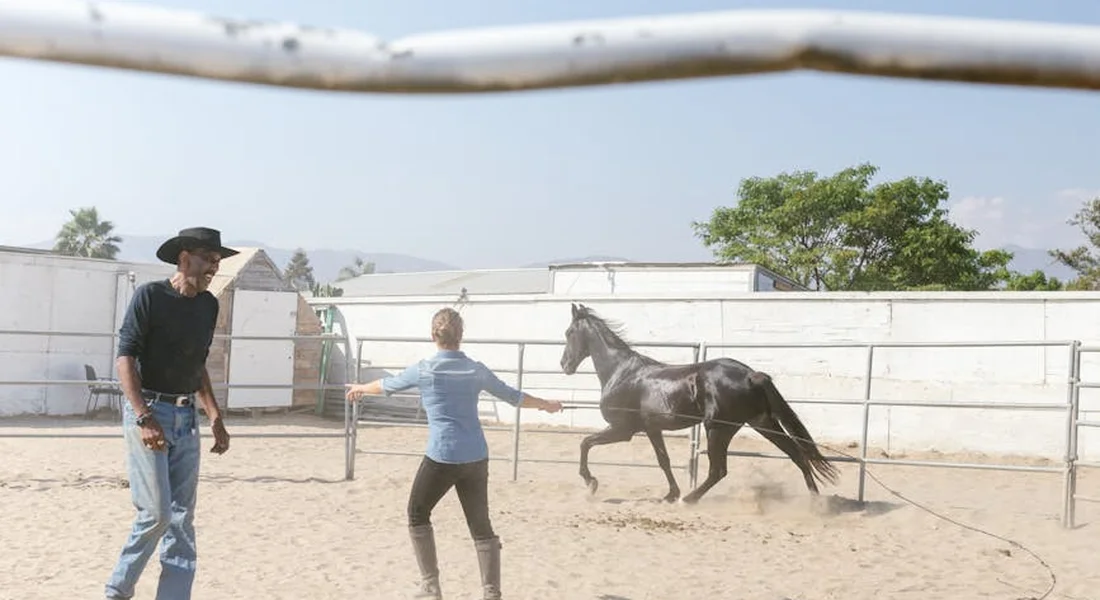
Spotting a socially awkward horse isn’t about judging their popularity. It’s about noticing the subtle, and sometimes not-so-subtle, ways they tell you their world feels unsafe. I’ve spent years in the barn aisle, watching the quiet dramas unfold between stalls, and the signs are often written in body language, not words.
Behavioral Red Flags in the Barn and Arena
Look beyond the obvious squeals and kicks. Poor socialization often shows up as chronic stress in everyday situations. A well-socialized horse understands herd etiquette and feels secure, while an isolated one is constantly on high alert, which drains the energy they need for learning and performance.
Here are common red flags I’ve documented in my own barn logs:
- Barn Buddy Dependency: A horse who screams incessantly and works himself into a sweat when his favorite pasture mate is taken out of sight.
- The Arena Hermit: Reluctance to leave the barn or gate, constantly turning and calling back, as if the herd is a lifeline.
- Personal Space Invader or Evader: Either pinning ears and threatening any horse that comes near their hay, or, conversely, being so submissive they get chased from every hay pile and water trough.
- Overreaction to Normal Noise: Spooking at the mundane-a tractor starting, a door slamming-with a intensity that suggests a deep-seated nervousness, not just momentary surprise.
I remember Luna, our sensitive Thoroughbred, would pace her stall in a perfect figure-eight when left alone. That wasn’t high spirits; it was a textbook sign of isolation stress. Turnout time with a calm companion did more for her baseline anxiety than any calming supplement ever could.
How Mistrust Manifests in Training
This is where the rubber meets the road. A horse who doesn’t trust his social world will struggle to trust you or the training process. Their brain is stuck in “scan for danger” mode, not “learn new things” mode.
Watch for these training session giveaways:
- Inconsistent Responses: They might neck-rein perfectly one day and ignore the cue entirely the next, because their focus is external-on other horses or perceived threats.
- Resistance as Communication: Bracing against the bit, rooting downward, or bolting aren’t just acts of defiance. They are often panic exits from a situation that feels overwhelming.
- Poor Stress Recovery: After a minor spook, they stay tense and “up” for the rest of the session, unable to mentally reset. A socially secure horse will shake it off and refocus.
- Hyper-vigilance: Their ears are constantly swiveling, eyes wide, tracking every movement in the arena instead of listening to your seat and legs.
Training a poorly socialized horse is like trying to teach someone algebra while they’re convinced the building is on fire. You must address the foundational fear before the finer points of collection or lead changes can stick.
The Social Balance: Herd Friends and Human Handlers
Horses are not meant for solitude. Their well-being is a tapestry woven from bonds with their own kind, understanding the importance of herd dynamics, and a respectful partnership with us. Getting this balance right is the secret to a confident, trainable equine partner.
How Horse-to-Horse Bonds Boost Confidence
Think of a trusted herd friend as a horse’s security blanket. That bond provides a reference point for normal behavior in a scary world. Watching a calm pasture mate ignore a flapping tarp teaches a nervous horse more about safety than any human reassurance ever can.
Here’s what proper herd interaction does:
- Models Calm Behavior: A young or anxious horse learns by mimicking. If the lead mare grazes peacefully during farrier work, the others learn to follow suit.
- Provides Play and Social Learning: Roughhousing, mutual grooming, and the daily negotiation of herd hierarchy are critical for mental development and stress relief.
- Creates a “Home Base” Feeling: Knowing the herd is there allows a horse to leave it mentally and focus on work with you. It’s the equine version of a child feeling brave enough to explore because mom is nearby.
I advocate for maximum turnout in compatible groups. I’ve seen the transformation in horses like Pipin, our cheeky Shetland; his clever escape attempts dwindled when he was given a job as a confident babysitter for weanlings, fulfilling his social role.
Building Trust with Humans: More Than Just Treats
While a carrot is a nice hello, trust is built on predictable, gentle communication. It’s about becoming a reliable and safe part of their social landscape.
Move beyond the treat pouch with these steps:
- Become a Consistent Herd Member: Use clear, predictable pressure-and-release in all handling. Your release of pressure is the “reward,” teaching them they can communicate with and influence you.
- Honor Their “No”: If a horse like Rusty throws his head up when you approach with a saddle, pause. Is the girth too tight? Is his back sore? Forcing the issue builds mistrust. Investigate instead.
- Share Quiet Time: Simply sit on a bucket in their stall or pasture while they eat hay. Your passive, non-demanding presence teaches them you are not always a source of work or pressure.
- Read and Respect Thresholds: Pushing a horse slightly out of their comfort zone is training; pushing them into panic is trauma. Learn to see the subtle signs of worry-a tightened lip, a hard eye-and back off a step before they feel the need to explode.
Trust is the currency of training, and it is earned in small deposits every time you handle your horse with patience and empathy. It’s the soft sigh you hear when you tighten the girth slowly, the relaxed chew on the bit as you mount. That’s the sound of a social bond supporting performance, a bond that goes beyond mere technique.
Training Environment: Group Dynamics Versus Solo Sessions
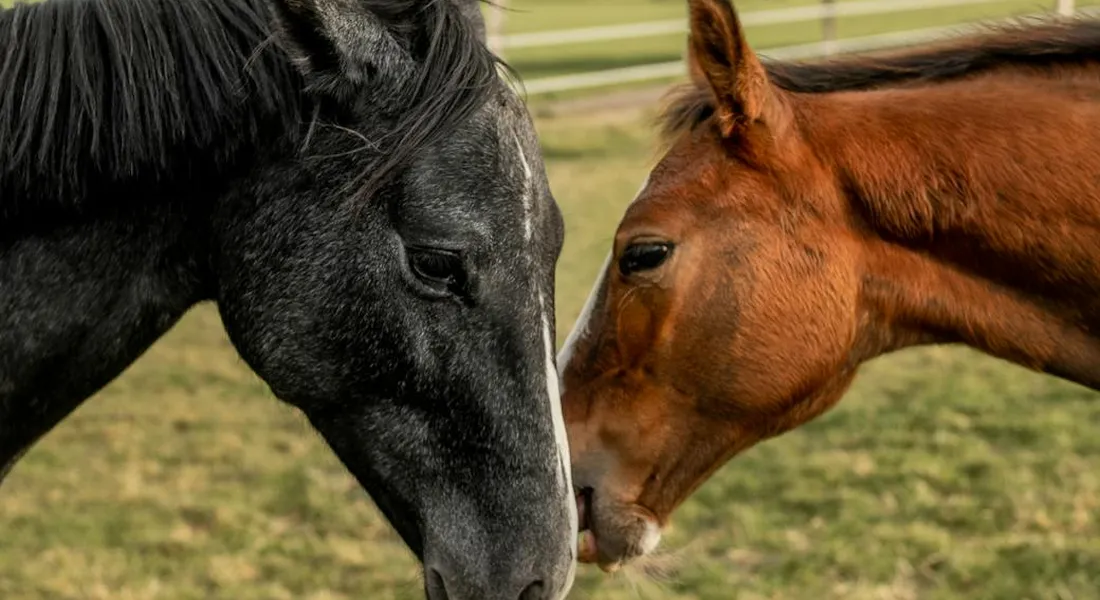
Walk into any busy barn during a lesson and you’ll feel the energy. Some horses are napping at the rail, others are feeding off their neighbor’s brisk trot. This social atmosphere isn’t just background noise; it’s a powerful training tool with specific uses. Knowing when to use the group and when to go solo is a skill I’ve honed over years of managing mixed herds.
When Group Training Accelerates Learning
Horses are phenomenal observers. A green horse can learn more about trot poles in ten minutes watching a reliable schoolmaster than in three solo sessions with a confused rider. I use this to my advantage, especially with young or anxious horses. Placing a nervous horse in a controlled group setting with calm, experienced buddies can provide a model of behavior that no human can replicate. The herd offers a safety net, allowing the learning horse to relax and mimic.
Peer pressure works in our favor here. A lazy horse often finds a new gear when asked to keep up with a forward-moving friend. I’ve seen this countless times with my reliable Quarter Horse, Rusty. A sluggish youngster on the trail suddenly forgets his reluctance when Rusty marches confidently past a scary mailbox.
- For Herd-bound Anxiety: Paradoxically, short, structured group sessions can teach separation. Working alongside another horse, then gradually increasing the distance, builds confidence.
- For Pace & Rhythm: Group rides are excellent for teaching consistent speed. The horse learns to maintain his gait without constant rider input.
- For Desensitization: Introducing a spooky object (a tarp, balloons) is often more successful in a group. The brave horse investigates first, showing the others it’s safe.
The Case for Individual Attention
As much as I love the buzz of group work, the deepest breakthroughs happen one-on-one. This is non-negotiable for correcting specific problems or building a true partnership. Luna, my sensitive Thoroughbred, requires these solo sessions. In a group, her brain overloads-she reacts to every snort and tail swish. Alone, she can focus on my soft hands and quiet voice.
Individual sessions are your laboratory for problem-solving, where you can dissect a brace, a head toss, or a lead departure without the variable of other horses. It’s where you build the fundamental language between you and your horse, free from distraction.
- Foundational Skill Building: Introducing new concepts like lateral movement or complex transitions requires undivided attention.
- Rehabilitating Physical or Emotional Trauma: A horse with a history of injury or abuse needs a private, pressure-free space to rebuild trust.
- Rider-Horse Partnership: This time cements your unique bond, teaching the horse to look to you for guidance, not the herd.
Practical Exercises: Weaving Socialization into Daily Routine
Socialization isn’t just turning them out together. It’s a deliberate part of your daily handling that builds a calm, adaptable equine citizen. Think of it like teaching a child manners-it happens in small moments, consistently.
Desensitization Drills for a Brave Horse
These aren’t about flooding the horse with fear, but about building curiosity. I keep a “spooky box” in the aisle: an umbrella, plastic bags, pool noodles, a tarp. The goal is low-pressure exposure. The key is to let the horse investigate on his own terms, rewarding the slightest try with a release of pressure and a soft word. The smell of new plastic, the sound of crinkling-these are puzzles to solve, not threats.
Start with the object static and distant. Let your horse look. Move it gently. Allow him to snort and retreat-that’s him thinking. Pair this with a buddy if possible. When Pipin the pony bravely walks over the tarp for a carrot, the bigger horses often follow suit, their curiosity outweighing their caution.
Social Skills for the Handling Team
This is about teaching your horse to respect human space while in a social context. It’s safety first, for you and your helpers.
- The Polite Gate Entrance/Exit: Practice leading your horse through a gate while another horse is present. Teach him to wait, pass through without crowding, and stand quietly. No barging allowed.
- Shared Space Manners: In the cross-ties, groom your horse while another is being tacked up nearby. Correct any pinned ears or threatening gestures immediately. They learn to tolerate proximity calmly.
- Feeding Time Etiquette: Hand-feeding treats in a group (carefully!) can teach patience. I require all my horses to take a polite step back before receiving their carrot. This reinforces my leadership and prevents mugging.
Consistent, calm correction in these everyday social scenarios prevents bigger issues like charging, kicking, or herd-bound panic during rides. It tells the horse that the rules of respectful interaction apply whether he’s with horses or humans, making every part of his life-and your training-safer and smoother.
Performance Connected: From Stress to Success
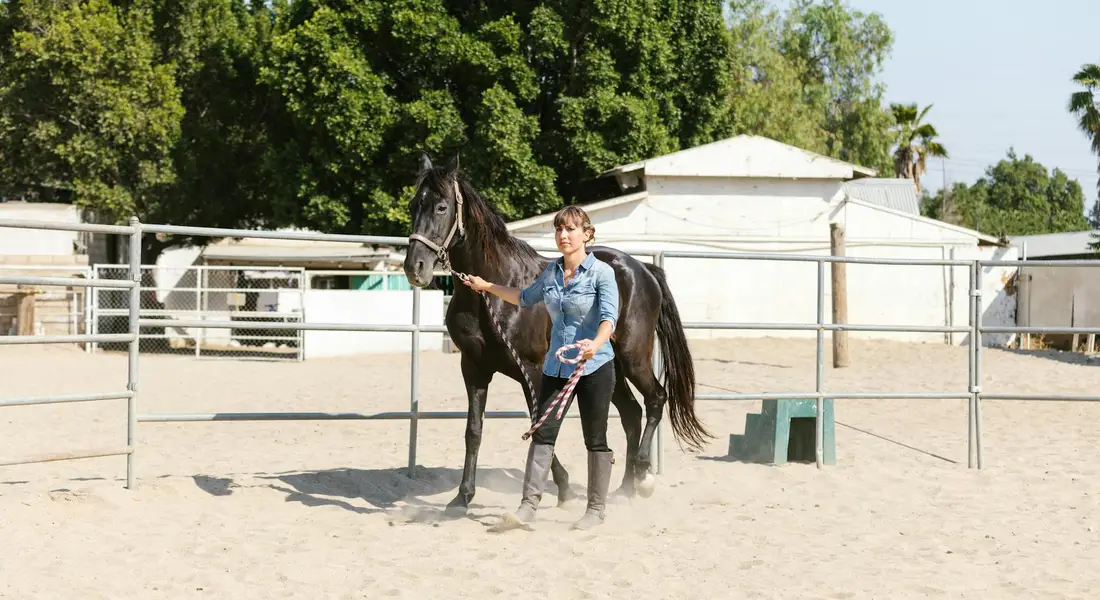
How Social Skills Translate to the Show Ring
Watch a seasoned show horse standing calmly at the in-gate, and you’re seeing herd etiquette in action. That patience was learned in the pasture, not the arena. A horse who understands social cues from other equines transfers that calm focus to the chaotic show environment. I’ve seen it with my own sensitive Thoroughbred, Luna. Her first shows were a whirlwind of spooks and tension. Turning her out daily with our steady Quarter Horse, Rusty, taught her to regulate her emotions by mirroring his grounded demeanor. Soon, the judge’s booth became just another oddity in the field, not a reason to bolt.
Socially savvy horses read other competitors’ energy without panicking. They wait their turn without fidgeting, much like they’d wait for a dominant herd mate to drink first. This mental composure directly impacts their physical performance. A relaxed horse moves more freely, listens to subtle aids, and conserves energy for their test or pattern. Understanding the psychology behind this behavior can help riders foster better connections with their horses.
Here’s how to build those ring-ready social skills:
- Practice “standing at ease” in a group during groundwork. Reward calm behavior with a scratch, not just a treat.
- Trailer to a friend’s farm for a low-stress “play date” before a big show. Let the horses graze near each other in new surroundings.
- At the event, if possible, stall your horse where they can see a familiar, calm companion. The sight of a buddy can lower heart rates.
- Never underestimate the power of a good roll in fresh shavings after travel; it’s a natural stress-reset they’d do in a herd.
The thud of hooves on the showgrounds dirt sounds different to a socially confident horse. It sounds like home.
Preventing Burnout: Socialization as a Management Tool
Burnout isn’t just a human problem. I’ve seen talented horses become dull, resistant, and even develop stable vices from isolation and repetitive drill. Their spirit just leaks away. Turnout with compatible friends is the most powerful preventative medicine I keep in my barn’s first-aid kit. It’s not time off; it’s essential training for their mind. Our Shetland, Pipin, is a masterclass in this. After a week of intensive ponying lessons, he’d get clever in all the wrong ways, figuring out how to unbuckle anything. A full day out with his pasture mates? He’d return cheerful and ready to work, his mischief channeled back into learning.
Socialization manages stress hormones and satisfies deep-rooted herd instincts. This isn’t a luxury. It’s how you build an athlete that lasts for years, not just a season. The smell of sun on their coats and the sound of contented grazing are the benchmarks of a sustainable program.
Integrate social management into any training schedule with these steps:
- Prioritize daily turnout, even if it’s just for a few hours. Consistency matters more than duration sometimes.
- Match personalities. Don’t turn your anxious horse out with another anxious horse. Pair a nervous Nelly with a steady Eddy.
- Use socialization as a reward. After a tough training session, turn them out. They’ll associate hard work with the freedom of friends.
- Watch for play. Rolling, mutual grooming, and gentle chasing are signs of healthy decompression. That’s where the real therapy happens.
Gentle horsemanship means recognizing that the work in the ring is only half the story. The other half is written in the quiet conversations they have over the fence, nuzzling for leftover bits of hay. That’s where resilience is built.
Frequently Asked Questions: How Does Socialization Affect a Horse’s Training and Performance?
How does socialization with other horses influence performance in competitive disciplines?
A well-socialized horse translates herd etiquette into competitive composure, allowing them to focus amidst chaos. They learn to regulate their emotions by mirroring calm companions, which reduces spooking and conserves energy for their performance. This foundational confidence leads to freer movement and better responsiveness to subtle rider aids in the show ring. This comes from understanding horse herd dynamics and social enrichment.
How does the socialization process differ for horses in individual versus group housing?
Horses in individual housing require deliberate, human-facilitated social opportunities to learn vital equine communication and bonding skills they would naturally acquire in a herd. For these horses, socialization must be carefully managed through supervised playdates, adjacent paddock time, and exposure to other horses during training. In contrast, group housing provides continuous, organic lessons in herd dynamics, boundary-setting, and mutual security. For a young rescue, socializing with other horses early and gradually under supervision helps them read herd cues and build trust. When introducing them to a new group, start with short, calm sessions with compatible herd mates to support safer integration.
How does socialization influence a horse’s response to veterinary and farrier procedures?
Positive socialization builds a general trust in handling and novel experiences, making a horse more adaptable and less reactive during routine care. A horse that has learned patience and boundary respect from herd interactions is more likely to transfer those skills to standing quietly for a farrier or vet. Furthermore, observing a calm herd mate undergo procedures can powerfully demonstrate that there is no threat, reducing the horse’s own anxiety.
Ride with the Herd in Mind
Prioritize regular, peaceful turnout with companions to build a calm, focused partner for training. Your horse’s social confidence is the foundation of their performance confidence, so protect it as diligently as you would their physical health. A healthy exercise turnout schedule for horses supports consistent energy and conditioning. Pair turnout with regular, measured workouts for steady progress.
True horsemanship means advancing at your horse’s pace, with safety and mutual respect as the only real goals. The most important thing you can do is listen-their behavior is always telling you what they need.
Further Reading & Sources
- Socialization – Horse Behavior & Nutrition Tips, Facts, Advice | LoFoSo™ Equine Behaviour
- VM270/VM270: The Importance of Understanding Horse Behavior
- Social Learning in Horses-Fact or Fiction? – PMC
- Equine Socialization: Why Is It Important? – Cork N Mane
At Horse and Hay, we are passionate about providing expert guidance on all aspects of horse care, from nutrition to wellness. Our team of equine specialists and veterinarians offer trusted advice on the best foods, supplements, and practices to keep your horse healthy and thriving. Whether you're a seasoned rider or new to equine care, we provide valuable insights into feeding, grooming, and overall well-being to ensure your horse lives its happiest, healthiest life.
Behavior