
Healthy vs. Unhealthy Herd Behavior: How to Read Your Horse’s Social World
Hello from the barn aisle. If you’ve ever watched your horse in the field with a knot in your stomach, worrying about that squeal, that chase, or that lone horse standing by the fence, you’re not just being dramatic. Misreading the herd can lead to everything from mysterious injuries to unrideable anxiety.
Your vigilance is the first step in good stewardship. I’ve spent countless hours leaning on fence posts, coffee in hand, simply observing. That thud of hooves, the contented sigh of mutual grooming, the tense silence of a real threat-these are the chapters of a story your horse lives every day.
This guide will help you translate it. We’ll break down the clear signs of a functioning herd and the red flags of a troubled one. You’ll learn to spot the relaxed body language and fluid movements of a healthy hierarchy, and contrast them with the dangerous aggression, chronic stress, and lonely isolation that signal a problem.
My advice comes from fifteen years of managing herds, from cheeky Shetlands to sensitive Thoroughbreds, always with their welfare as the central pillar.
The Blueprint of a Happy Herd: Understanding Healthy Dynamics
A healthy herd isn’t a silent battlefield; it’s a living, breathing community with a clear, calm structure. Herd cohesion is everything-it’s the silent agreement that keeps everyone safe, fed, and relaxed. This natural order reduces stress, because every horse knows its place. You’ll see a stable hierarchy where leadership is about confident guidance, not bullying. The true sign of a functional herd is not the absence of communication, but the presence of low-drama, respectful interactions that everyone understands. I’ve watched this for years at my gate, coffee in hand, learning their politics, quite unlike the myths about dominance and social stress in horse groups.
Look for these key behaviors of a settled group:
- Respectful Spacing: Horses stand near each other without tension, often dozing or grazing in comfortable proximity.
- Low-Conflict Interactions: Disagreements are settled with a pinned ear, a lifted hoof, or a brief squeal, then it’s over.
- Shared Vigilance: Multiple horses will take turns scanning the horizon, allowing others to rest deeply.
- Fluid Movement: The herd moves as a unit with subtle cues, not panicked bursts.
I remember when a new mare joined our bunch. There was a day of cautious circling and snorting. But by the third afternoon, I saw our steady quarter horse, Rusty, standing as a buffer between her and the more energetic Luna. He wasn’t fighting; he was just… managing. His calm presence absorbed the tension, and the herd settled around him. That’s calm leadership.
What Does a Functional Herd Hierarchy Look Like?
The pecking order should be obvious but not oppressive. It’s a social contract, not a tyranny. To understand it, you need to watch the mundane moments. Forget the dramatic kicks; watch who controls the space around the hay pile or the best shade tree. Here’s how to read the room:
- Observe the Feeding Order: At hay time, note who eats first. The top horse will claim the prime spot. Others will wait, or choose a different pile without challenge. This order is usually consistent and peaceful.
- Note Peaceful Leadership Changes: Leadership isn’t always about dominance. On the trail, a different, more confident horse might lead. A good herd allows for this fluidity without a major fight.
- Watch for Mutual Respect in Movement: A lower-ranking horse will yield space when a higher-ranking one approaches with intent-a slight step aside is enough. It’s a polite “after you,” not a terrified scramble.
The Glue of the Herd: Social Bonding and Play
This is the good stuff-the behaviors that build friendship and trust. A herd that plays and bonds is a resilient herd. Mutual grooming, where two horses stand head-to-tail nibbling each other’s withers and back, is the equine equivalent of a best friend braiding your hair. It releases endorphins and strengthens pair bonds. You’ll also see synchronized grazing, where they drift across the pasture in a loose, contented line, all heads down, all rhythmically munching. These behaviors underscore why horses need companions and the importance of herd dynamics.
- Mutual Grooming Sessions: Often between favored buddies, lasting for several minutes.
- Synchronized Grazing and Resting: The herd eats and naps on a similar schedule, a sign of deep comfort.
- Playful Bucks and Runs: Especially in younger horses or after a good roll, playful bursts of energy are a sign of happiness, not fear.
- Gentle Nuzzling and Breathing: Horses will often touch noses and share breath, a quiet social ritual.
Play is the cement of their social world. I’ll often see Pipin, our Shetland, instigate a game of chase with the much bigger Luna. She humors him, trotting after him with a playful arch to her neck. This isn’t just fun; it’s practicing communication and building group trust that carries over into stressful moments.
Reading the Quiet Signs: Body Language of a Content Herd
The soundtrack of a healthy herd is a mix of steady munching, the occasional sigh, and the soft thud of a hoof shifting in dirt. Their body language broadcasts collective calm. Ears are the mood ring of the horse; in a relaxed herd, most ears will be soft, swiveling gently towards interesting sounds or simply flopped to the side in rest. Compare this to a stressed group: heads are high, ears locked forward or pinned hard back, whites of eyes showing, tails clamped tight or swishing aggressively.
Calm vocalizations are brief and specific-a low nicker to greet a friend arriving at the gate, not constant, anxious whinnies. The overall posture is “at ease.”
Calm Eyes and Easy Breathing: The Marks of Relaxation
Look at the individual details to gauge the group’s mental state. A relaxed horse is a breathing, blinking, loose-muscled horse. A soft eye, with a gentle lid and no tight rim of white, is a billboard for a peaceful mind. Here are the physical signs to scan for:
- Soft, Droopy Eyelids and Relaxed Chew Muscles: The face looks smooth, not tense.
- Relaxed, Flaring Nostrils: Breathing is slow and even, not flared in alarm.
- Slow Respiration Rate: Watch their flank; a calm resting rate is 8-16 breaths per minute.
- Lowered Head Carriage: The head hangs at or below wither height during rest.
- One Hind Leg Cocked in Rest: The ultimate sign of trust-they feel safe enough to take a load off.
Vigilance is still present-a sudden noise will get their attention-but it doesn’t govern their every moment. They can snap to alert and then, just as quickly, release and return to grazing.
The Dance of the Herd: Coordinated Movement and Grazing
Watch how they move as a tapestry, not a collection of individual threads. A healthy herd maintains a comfortable “flight distance.” If you approach, they may move off together at a calm walk or trot, maintaining their group formation. There’s a natural rhythm to their day: a period of intense grazing, followed by a period of standing rest and digestion, often synchronized. They might all decide to gallop to the far corner for no apparent reason-this is normal herd exuberance, not panic, if it ends with heads dropping back down to graze.
You’ll see the lead mare decide it’s time for water, and the others will follow in a loose line. You’ll see a younger horse spook at a bird, and instead of the whole herd bolting, an older horse will lift its head, assess the non-threat, and go back to eating, effectively telling the group “stand down.” This coordinated dance is the hallmark of a socially intelligent, contented herd.
When the Herd Turns Harsh: Spotting Unhealthy Interactions
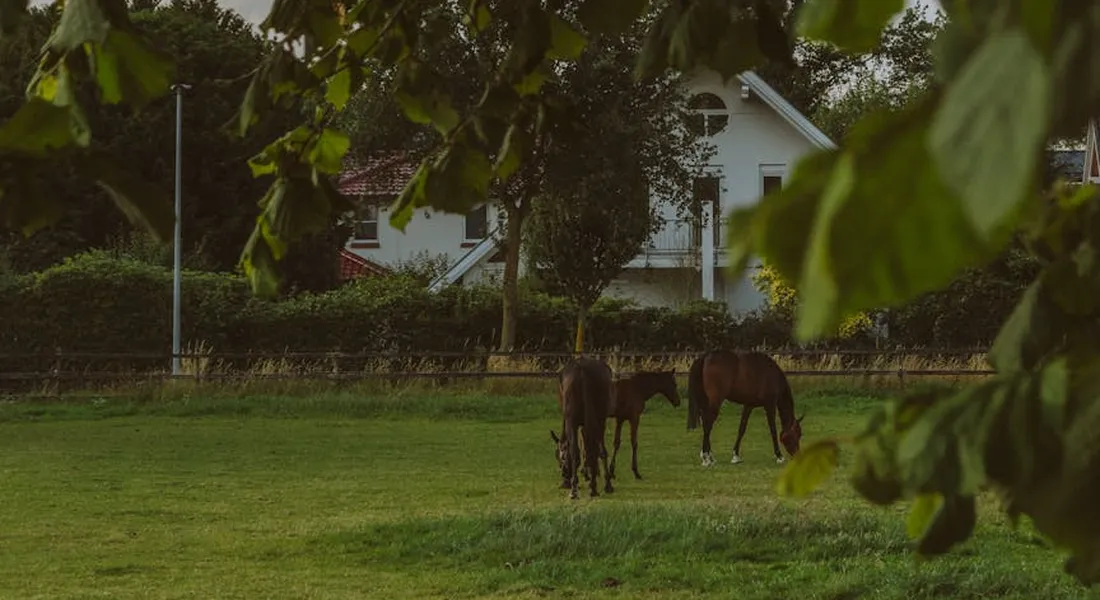
Herd life isn’t always peaceful pasture naps and mutual grooming. Sometimes, the social order cracks, and what you see isn’t play but punishment. As a barn manager, I’ve learned that the line between normal squabbles and chronic bullying is drawn by frequency, intensity, and the presence of genuine fear. A quick squeal and a pinned-ear warning over a hay pile is normal communication. Persistent kicking, biting that breaks skin, or relentless crowding that prevents a horse from accessing resources are red flags. These aren’t disagreements; they are signs of a stressed herd where anxiety has replaced stability. That means taking steps to manage aggression and bullying within the herd. Practical strategies, such as clear guidelines and consistent handling, can restore safety.
| Healthy Herd Behavior | Unhealthy Herd Behavior |
|---|---|
| Brief, ritualized squeals or kicks during play or hierarchy testing | Frequent, intense attacks aimed at injuring or exhausting another horse |
| Horses taking turns resting, grazing, and drinking | One or more horses being consistently chased away from food, water, or shelter |
| Loose, fluid group movement with comfortable personal space | Tight, tense clustering or one horse perpetually trapped at the herd’s edge |
| Relaxed body language and mutual grooming sessions | Constant pinned ears, tense muscles, and defensive postures in multiple animals |
Red Flags of Aggression and Bullying
Don’t just watch the drama; look for the evidence left behind. Catching aggression early is your best tool for preventing injury and chronic stress. Follow this step-by-step observation list during your next pasture check.
- Scan the perimeter for isolated individuals. A horse standing alone isn’t always a problem, but one watching the herd with a tense, fixed stare often is.
- During grooming, monitor for fresh bite marks on the neck, rump, or legs, or new kicks high on the thighs. Old scars are history; fresh wounds are today’s news.
- Observe chasing. Does one horse relentlessly pursue another, not just for a few strides but across the entire field, not allowing a moment’s rest? That’s a hunt, not a game.
The Isolated Horse: Understanding Social Ostracism
Chronic isolation is a screaming alarm bell for welfare. A horse like Pipin, my clever Shetland, might choose solitude to plot his next snack heist, but a horse being actively ostracized is living in a state of quiet panic. This can happen to the new horse, the older, weaker one, or even a former leader who has lost status. The herd isn’t just ignoring them; they are communicating a permanent threat, which triggers a constant fear response. I’ve seen this with sensitive thoroughbreds like Luna; if they feel targeted, they stop grazing and spend all their energy on hyper-vigilance, which leads to weight loss and ulcers. This is one of the common fear-related issues in horses.
Stress Signals: How Herd Dynamics Affect Mental Well-being
The herd’s emotional weather directly shapes each horse’s mind. A troubled hierarchy doesn’t just cause fights; it creates a background hum of anxiety that frays every horse’s nerves. You’ll see it in their bodies: jaws clamped tight, muscles rigid even at rest, a weight shift away from the perceived threat. They are stuck in “wait mode,” always prepared for the next confrontation instead of relaxing into the safety of the group. This constant vigilance is exhausting and is the opposite of what turnout time should provide. Understanding horse herd dynamics and social enrichment can guide the next steps toward calmer turnout. These insights help translate observation into practical, humane strategies for group harmony.
Anxiety in the Pasture: Behavioral Clues
Watch for these changes in daily patterns. They often point to poor herd spacing or a leadership void that leaves every horse feeling insecure.
- Reduced grazing time: The horse is too busy watching others to eat.
- Fence-walking or pacing along the herd’s boundary line.
- Excessive sweating on cool days, with no physical exertion.
- Wide, white eyes showing the sclera, even in a familiar environment.
- Consistently positioning themselves with their hindquarters to the wind or the herd, a defensive posture.
Vocalizations and Fear Responses
Listen to the pasture’s soundtrack. The long, high-pitched whinny of a separated horse is a stress call, while the rapid, distressed squeal during a fight speaks of pain and panic. In a content herd, the sounds are softer: the deep sigh of relaxation, the gentle nicker greeting a friend, or the quiet grunt of satisfaction while rolling. A herd full of sharp squeals and frantic calling is a herd in distress. Remember, vocalizations are data; a sudden increase in noise often means something in the social structure has shifted, and not for the better.
The Physical Toll: Herd Health Written on Their Bodies
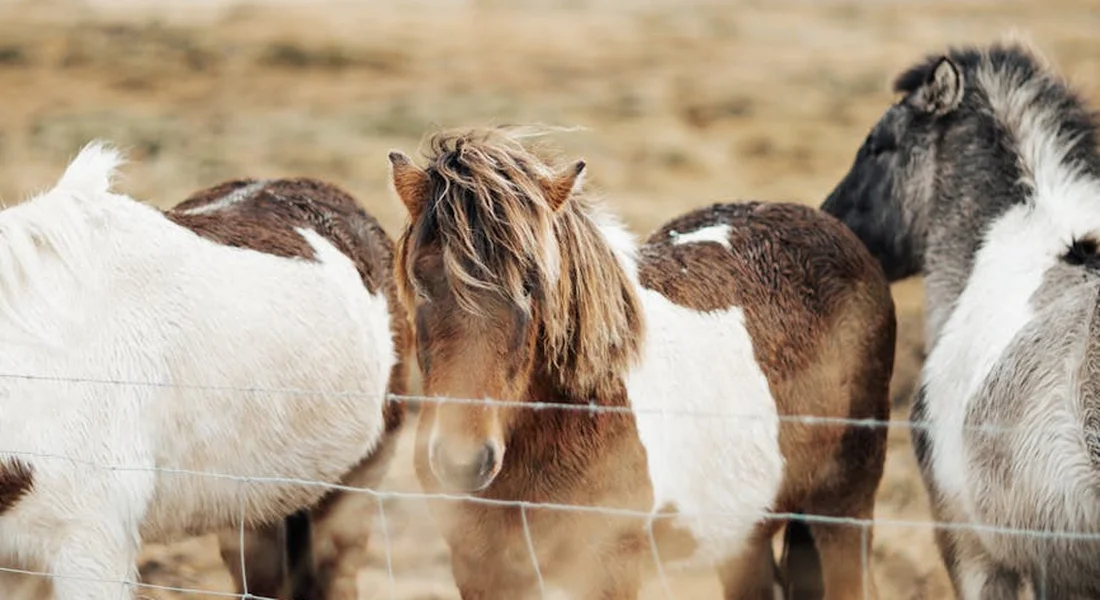
You can read the state of your herd’s social world by looking at their physical condition. I make it a point to walk the fence line every morning with my coffee, scanning each horse not just for obvious wounds, but for the subtler stories their bodies tell. Daily visual checks are your first and most powerful tool for catching social strife before it becomes a veterinary bill. Chronic weight loss on a horse with ample hay, a perpetually unkempt coat, or a new nick every other day-these aren’t just individual issues; they’re reports from the field about hierarchy, anxiety, and conflict. They are behavioral clues that reflect the social dynamics within the herd.
Injuries from Conflict: More Than Just Scrapes
A kick isn’t always a one-off warning shot. I’ve seen a seemingly superficial bite on Luna’s flank turn into a stubborn abscess that needed weeks of care, all because of a persistent bully in her group. Recurring injuries, especially on the same horse, are a glaring red flag that your herd dynamics are dangerously out of balance. These aren’t playful nips; they’re targeted strikes that can lead to deep tissue damage, lameness, or infections that simmer below the surface. Watch for patterns-if one horse is always coming in with fresh scratches on their hindquarters, you’ve likely got a chronic kicker in the mix.
Poor Condition from Chronic Stress
This goes far deeper than being chased away from the hay pile now and then. A horse under constant social pressure wears it like a ill-fitting blanket. Look for these signs:
- A dull, lifeless coat that no amount of grooming seems to brighten.
- A dropped top-line, where the back muscles seem to have sunk away, even in a horse that isn’t old.
- Hoof quality that deteriorates, with slow growth and brittle walls, as nutritional resources are diverted to managing stress.
These indicators align with the concept behind ‘are signs healthy horse daily check guide,’ helping you monitor welfare every day. Tracking them consistently makes it easier to spot changes early and respond promptly.
I once had a sweet Quarter Horse, much like Rusty, who started losing weight despite perfect feed; the problem wasn’t his teeth, it was the relentless low-grade harassment from a pasture mate that kept him from ever relaxing and eating properly.
Barn Manager’s Playbook: Fostering Healthy Herd Dynamics
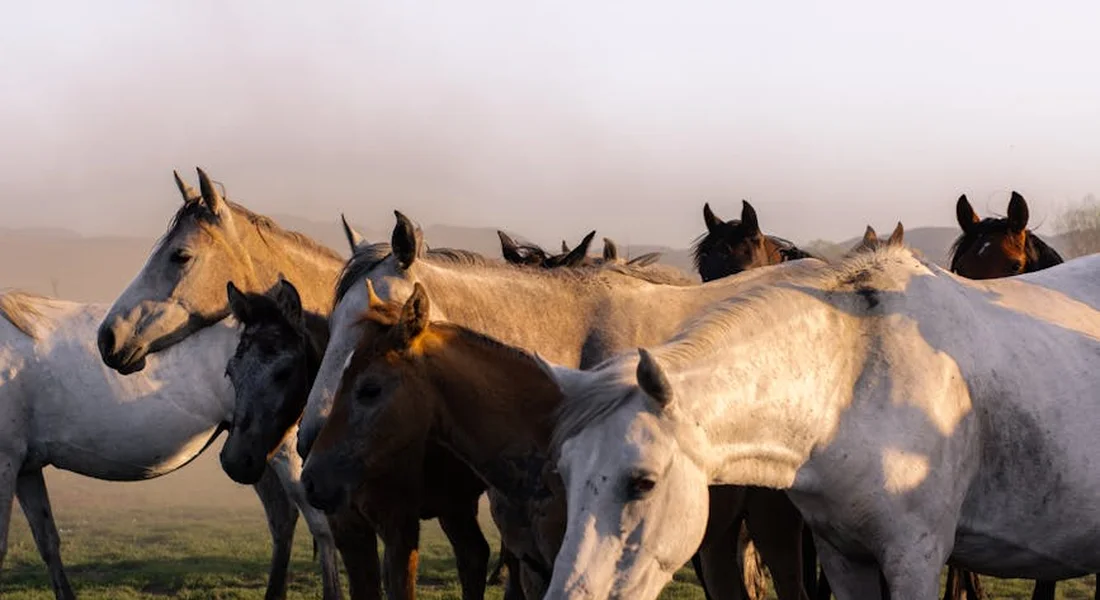
When you see the signs, it’s time to intervene with a plan. More turnout time is almost always the first answer, but it has to be the right kind of turnout. Gentle horsemanship means shaping their environment for success, not just turning them out and hoping for the best. Here’s how I tackle restructuring a troubled herd, using patience and practical tweaks to build peace.
Step 1: Assess Your Herd’s Composition and Space
Start with a honest audit. You wouldn’t put the mischievous Pipin in charge of the treat bin, so don’t pair a known bully with a timid soul. Match personalities: a steady Eddy like Rusty can be a great calming influence for a nervous Thoroughbred, but only if there’s enough room for the high-energy one to move away. Evaluate your acreage-crowding is the top cause of avoidable conflict, so ensure you have at least two acres per horse if possible. Also consider the design of a safe, effective horse pasture—the layout, fencing, and shelter all matter. A well-planned space reduces stress and injuries as horses move, graze, and rest. Then, eliminate competition points by providing multiple hay nets, water troughs, and salt blocks far apart from each other. This simple step cuts down on guarding behavior instantly.
Step 2: Implement and Monitor Changes
Introduce new members or rearrange groups with extreme care. I use a neighboring paddock for “howdy” sessions over the fence for a week before any direct contact. Create safe zones in your turnout-a corner with a run-in shed can be a refuge for a lower-ranking horse. Your job after making changes is to observe, not just glance. Sit on the gate for 20 minutes each day and watch the interactions without interrupting. Look for relaxed grazing, mutual grooming, and peaceful coexistence. If you see relentless chasing, cornering, or any horse being denied resources, be ready to separate. Sometimes, the kindest solution is a permanent or daytime-only partition for everyone’s safety and well-being.
FAQ: Signs of Healthy vs. Unhealthy Herd Behavior in Horses
What behaviors indicate a relaxed and content horse within the herd?
A relaxed horse displays a lowered head, soft eyes with droopy eyelids, and a rhythmic breathing pattern. It will often stand with a hind leg cocked, demonstrating a state of deep trust and rest. Mutual grooming and peaceful proximity to herd mates without tension are also key signs of contentment. Understanding their body language is essential to recognizing these signs.
How do horses in a healthy herd interact during grazing and resting?
They engage in synchronized grazing, moving across the pasture as a loose, coordinated unit with heads down. During rest periods, multiple horses will share vigilance, allowing others to doze safely and comfortably. The herd maintains respectful personal space and moves with fluid, calm cues rather than frantic bursts.
What are the signs of stress or anxiety in a horse due to herd dynamics?
Key signs include reduced time spent grazing due to constant vigilance, and repetitive behaviors like fence-walking or pacing the herd’s perimeter. The horse may show excessive sweating on cool days, exhibit wide eyes showing the sclera (whites), and frequently position itself defensively with hindquarters toward the herd or perceived threat.
Herd Harmony: A Keeper’s Perspective
Look for peaceful grazing and mutual grooming as signs of a healthy herd; frequent squeals, bites, or lone wolves indicate stress. Understanding their natural running instincts helps you spot unusual movement that may signal health concerns. Tracking these patterns during turnout provides early warnings of discomfort or illness. Your daily watch during feed time and turnout provides the clearest window into the social well-being of your horses.
After years with characters like Rusty and Pipin, I’ve seen that patience in observation is key. Your horse’s behavior is their voice; listening is the soul of gentle horsemanship.
Further Reading & Sources
- What are the key things I should understand about horse behaviour? – RSPCA Knowledgebase
- Your Horse in the Herd Part 1: Identifying Your Horse’s Place
- Horse behavior – Wikipedia
- The Basics of Equine Behavior | Equine Science Center
At Horse and Hay, we are passionate about providing expert guidance on all aspects of horse care, from nutrition to wellness. Our team of equine specialists and veterinarians offer trusted advice on the best foods, supplements, and practices to keep your horse healthy and thriving. Whether you're a seasoned rider or new to equine care, we provide valuable insights into feeding, grooming, and overall well-being to ensure your horse lives its happiest, healthiest life.
Behavior