
How Long Can a Horse Stand Comfortably? Practical Solutions for Healthier Horses
Hello fellow barn dwellers! That moment you catch your horse motionless in the stall or tied for what feels like ages-it’s natural to fret. You’re worrying about stiff joints, swollen legs, or a cranky attitude because you care, and those concerns are the mark of a good horse person.
Let’s tackle this together. In this guide, I’ll walk you through the real-world answers, focusing on:
- The biological limits of equine standing and why circulation is king
- Clear, observable signs your horse is begging for a move
- Actionable daily routines to mix stillness with essential movement
My advice is forged from years of barn management and training, where I’ve balanced the needs of steady eddies like Rusty and sensitive souls like Luna day in and day out.
The Horse’s Natural Rest Cycle: Standing vs. Lying Down
Horses doze on their feet using a clever leg-locking system called the stay apparatus. This standing rest is only for light sleep; for essential REM sleep, which repairs the brain and body, they must lie completely flat. Horses don’t sleep for long periods overall, but the quality of their deep sleep is critical. Without this deep sleep, equine fatigue builds, hampering recovery and risking sudden collapse from sheer exhaustion.
Turnout time provides the space and security a horse needs to lie down naturally. Picture a quiet pasture at dusk, the smell of fresh hay on the breeze, and the soft thud of a hoof as a horse kneels to rest. Pasture access isn’t just a bonus-it’s a fundamental requirement for their psychological well-being and physical repair cycle. The benefits of different turnout environments shape how horses rest—pasture offers grazing and social contact, while paddocks provide shelter and controlled space when needed. I often find Luna, my dapple grey Thoroughbred, stretched out in the dewy grass at dawn, finally relaxed enough to fully recharge her high-strung system.
Denying a horse the ability to lie down safely has direct consequences. Sleep deprivation tops the list, making them dangerous to handle and ride. Insufficient recumbent time also prevents joints from unloading, leading to increased stiffness and discomfort over time. A horse’s sleeping and resting behavior relies on safe recumbent periods, so understanding these patterns helps explain why rest is essential. The risks of forced, prolonged standing include:
- Sleep debt: This can manifest as head-drooping episodes or even sudden buckling at the knees.
- Joint and muscle stiffness: Without relief from bearing weight, circulation suffers and soreness sets in.
- Compromised hoof health: Constant, unrelieved pressure can impact sole health and laminar integrity.
- Elevated stress hormones: A horse that cannot rest properly lives in a state of low-grade anxiety.
What Affects How Long a Horse Can Stand Comfortably?
Comfortable standing duration isn’t just about clock hours; it’s a balance of physiology and environment. Hoof health is your first clue-a horse with tender feet won’t stand long. Joint condition, especially in hocks and stifles, is paramount. Hock fatigue from unyielding surfaces is a real pain point I watch for daily in the barn. Bedding depth acts as shock absorption, while stall design influences movement and posture. Poor circulation from stillness causes “stocking up,” and weather like wind chill on a damp floor can stiffen limbs rapidly.
| Factor | Effect on Standing Comfort & Duration |
|---|---|
| Soft, Supportive Surface (e.g., deep wood shavings, pasture) | Promotes longer, healthier standing with minimal joint stress. |
| Hard, Unforgiving Surface (e.g., bare concrete, thin mats) | Drastically reduces comfort time, accelerating fatigue and soreness. |
| Optimal Hydration | Supports muscle function and blood flow, aiding stamina. |
| Dehydration | Leads to quicker muscle stiffness and general discomfort. |
| Balanced Nutrition | Fuels the body and maintains joint cushioning for endurance. |
| Poor Nutrition or Obesity | Strains the musculoskeletal system, shortening tolerance. |
You can audit your stall’s comfort with a simple walk-through. A good stall allows a horse to shift weight freely and lie down without hesitation. Follow these steps to evaluate yours:
- Check drainage. Kneel and place your hand on the floor-persistent dampness means cold, uncomfortable hooves.
- Assess the flooring. If it feels jarring under your own feet, it’s worse for your horse’s legs.
- Measure bedding depth. It should be deep enough to fully obscure a hoof when the horse stands still.
- Watch for lying-down patterns. A horse that never lies down in its stall likely doesn’t feel safe or comfortable there.
Age and individual health conditions are the final, critical variables. My senior Quarter Horse, Rusty, at 12, needs a thicker bed and more turnout than he did five years ago to stay comfortable. Arthritis, previous lameness, or metabolic issues like PPID (Cushings) all demand tailored management, softer standing surfaces, and more frequent opportunities to move and lie down. Care for aging horses with chronic medical conditions requires ongoing veterinary input and adaptable daily routines. Regular monitoring of pain, mobility, and nutrition helps tailor the environment to each horse’s needs.
Spotting Trouble: Signs Your Horse Has Stood Too Long
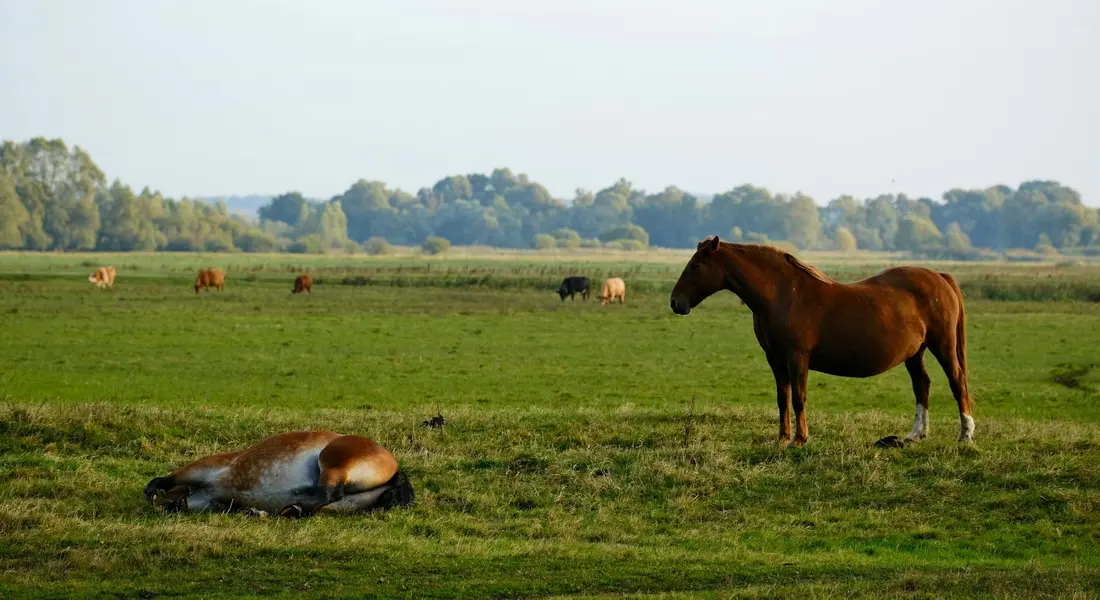
Horses are stoic creatures, but they broadcast their discomfort loud and clear through body language and physical cues. Your job is to become fluent in this silent language before minor stiffness turns into a real problem. It’s especially important because they don’t always grieve or express pain like humans.
Behavioral Red Flags
A change in attitude is often the first clue. Listen to what they’re telling you without words.
- Restlessness: Pacing the stall, circling, or an inability to stand quietly.
- Shifting Weight: A constant, rhythmic lifting of feet instead of standing square.
- Irritability: Pinned ears, a swishing tail at nothing, or an uncharacteristic nip during grooming.
- Vocalizations: Excessive sighing, groaning, or whinnying that seems out of context.
- Attempted Escape: Vigorous pawing, digging at bedding, or rubbing on stall walls.
Physical Warning Signs
When behavior shifts, the body is next to follow. These signs demand immediate attention.
- Leg Swelling (Stocking Up): Cool, firm filling in the lower cannon bones and fetlocks.
- Heat in Hooves: The hoof wall feels noticeably warmer than the coronary band when you cup it.
- Stiffness: A short, stilted walk when first led out, as if every joint needs oiling.
- Reluctance to Move: Planting feet and refusing to budge, or dragging toes when asked to turn.
Your Daily Check-In Routine
This five-minute ritual saved me countless vet calls. Consistency is your best tool for catching tiny issues before they blossom.
- Observe from the doorway. Watch their posture and eye for a full minute before you interrupt.
- Perform the hands-on scan. Run your palms down each leg, feeling for heat, swelling, or pulses.
- Pick out all four feet. Note any reluctance, odor, or tenderness in the frog.
- Ask for a deliberate walk. Lead them in a straight line and a small circle to assess gait.
- Offer a simple treat. Their eagerness (or lack thereof) is a direct window into how they feel.
After a marathon show day, my old reliable Rusty taught me this lesson. I found him leaning back, barely touching his left toe to the ground-a classic sign of a horse who has stood in one position for far too long. We skipped the last class, focused on gentle walking, and avoided what could have been a nasty strain.
Barn Manager’s Tips for Keeping Horses Comfortable
Proactive care is the heart of good horsemanship. Creating a routine that prioritizes movement and mental ease will keep your partner sound and content.
Practical Comfort Measures
Think beyond the stall door. Comfort is a blend of environment, schedule, and company.
- Ensure deep, absorbent bedding. I use a foot of kiln-dried pine shavings; it supports joints and wicks moisture away from hooves.
- Schedule mandatory turnout. Even our high-strung Luna gets daily paddock time-it melts her tension better than any sedative.
- Build in movement breaks. On bad-weather stall days, I hand-walk every horse for ten minutes, three times a day.
- Use companion animals or toys. A quiet chicken or a slow-feed hay net provides crucial mental stimulation.
Hoof Care to Counteract Standing
Static loading is a hoof’s enemy. Regular picking isn’t just about cleanliness; it’s a chance to assess balance and sole pressure. I pick hooves daily, feeling for unusual heat or pulse. My farrier visits every six weeks without fail to maintain a trim that supports proper breakover and reduces concussion on hard standing surfaces.
Quick Stable Hacks
These are my barn-tested tricks for easing the toll of necessary confinement.
- Use supportive boots for tired legs. After a long haul, I’ll put on lightweight standing wraps for an hour while the horse eats.
- Offer electrolyte water in a separate bucket. This encourages hydration, which keeps muscles and joints supple.
- Place textured rubber mats under bedding. They provide cushion and encourage subtle leg movement as the horse shifts.
- Create a “track” system in small spaces. I place hay and water at opposite ends of the paddock to make Pipin, our clever pony, walk for his meals.
Gentle horsemanship means reading the room-or the stall. Advocating for equine welfare isn’t a grand gesture; it’s the daily commitment to listening to the thud of a restless hoof and answering it with a lead rope and an open pasture gate.
Special Scenarios: Transport, Stall Rest, and Aging Horses
Managing Long-Distance Transport
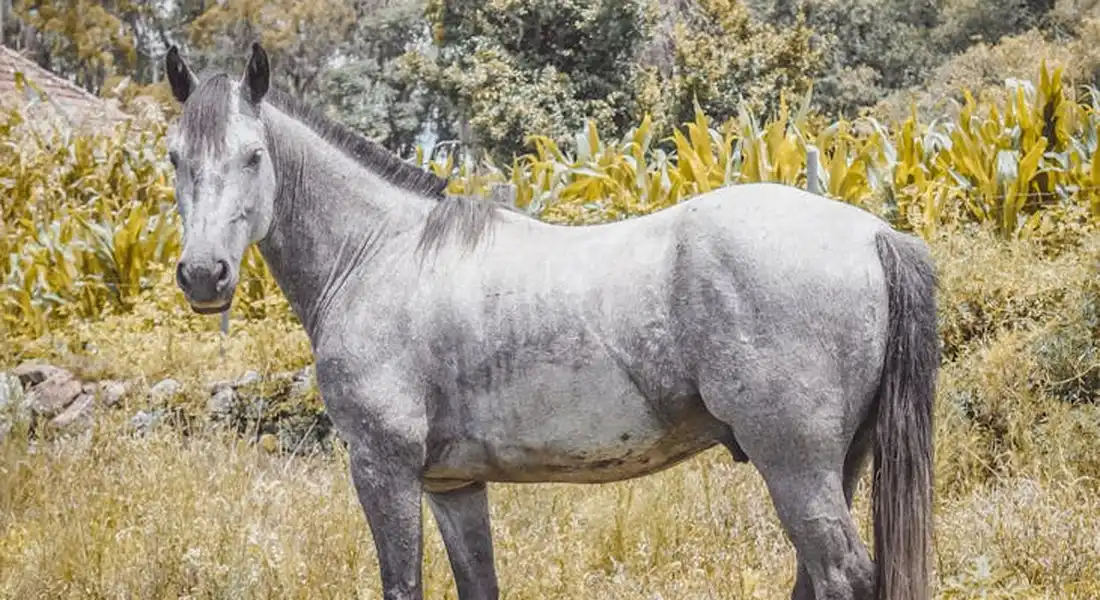
Long hauls test a horse’s ability to stand comfortably. I plan rest stops every four to six hours, period. Unloading your horse to walk and inspect them is the single best way to prevent travel-related stiffness and swelling.
Follow these steps at each break:
- Back your horse out slowly onto level ground.
- Walk them briskly for 15-20 minutes to reboot their circulation.
- Feel down all legs for unusual heat or filling, especially around the tendons.
Prepare them for the journey. I always use padded shipping boots or standing wraps for support, which I check and adjust at every stop to ensure they haven’t slipped or become too tight.
Keep fluids moving. Offer water at every opportunity, and bring a familiar bucket or a splash of apple juice to tempt a reluctant drinker. Hydration matters for overall health and performance. Regularly encouraging water intake helps keep your horse hydrated. A hydrated horse copes with standing still far better.
Caring for a Horse on Stall Rest
Forced confinement is a physical and mental challenge. You must creatively mimic grazing patterns. Hand-walking three to four times a day, even for five minutes, can significantly reduce the risk of stocking up and depression.
With vet approval, I use a small, boring turnout pen for my horses to just stand in the sun. Gentle physio, like massaging legs or encouraging stretches with a carrot, also helps.
Their stall is their entire world. Provide a deep, pillowy bed of shavings or straw-at least six to eight inches deep-to encourage lying down and cushion joints. Rubber mats underneath add a crucial layer of comfort and insulation from the cold ground.
Adjusting for Older Horses or Health Conditions
Age or illness drastically shrinks standing stamina. A horse with Cushing’s or laminitis may need to lie down after just an hour or two. Your job is to anticipate their discomfort and create a schedule that allows for frequent, uninterrupted rest periods.
Nutrition directly supports their ability to stand comfortably. I’ve seen great results with senior feeds containing probiotics and added fat, alongside soaked hay cubes for easy chewing and hydration. Joint supplements can help, but always work with your vet.
Think about the ground beneath their feet. Investing in thick, interlocking stall mats or a layer of orthopedic foam under the bedding can be a game-changer for an arthritic horse’s quality of life. For my old-timers, I even use padded boots for stall standing. When selecting the stall mats, it’s crucial to consider the best flooring for a horse stall to ensure durability and comfort.
How Breed and Age Impact Standing Endurance
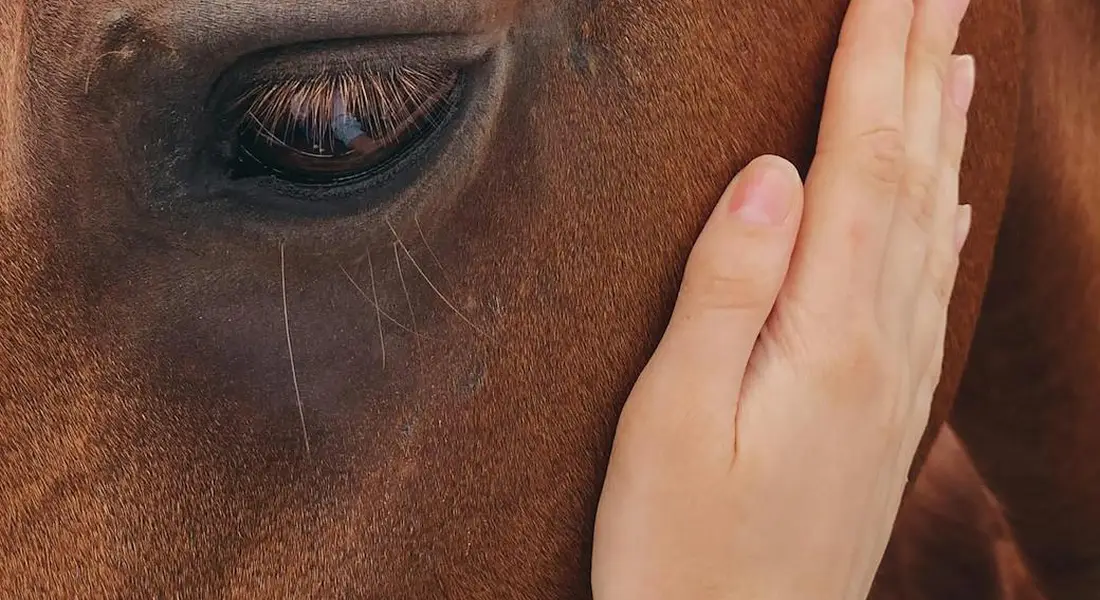
A horse’s build and temperament dictate their tolerance for standing. My reliable Quarter Horse, Rusty, will doze in his stall for hours without issue. Sturdy, cold-blooded breeds often have a physiological and mental advantage for handling stillness compared to fine-boned, hot-blooded types.
My Thoroughbred, Luna, needs a different approach. Her sensitive nature and high energy mean prolonged standing makes her tense and prone to stiffness. Breeds with nervous energy expend calories just being alert, which can tire them out faster in a static situation.
Age is the great equalizer. As cartilage thins and circulation slows, every horse becomes less resilient. An older horse requires you to manage their environment proactively, not just respond when they seem sore. Regular, gentle movement is now a medical necessity.
| Breed/Type Example | Age Group | Standing Tolerance & Key Considerations |
|---|---|---|
| Quarter Horse (Rusty) | Adult (5-15 yrs) | High. Calm disposition and sturdy legs aid tolerance. Watch for weight gain which adds joint stress. |
| Thoroughbred (Luna) | Adult | Low to Moderate. High-strung nature increases fatigue. Requires more frequent leg checks and mental distraction. |
| Shetland Pony (Pipin) | Senior (15+ yrs) | Moderate but variable. Intelligent and food-motivated. Hoof health is paramount; provide soft footing and puzzle feeders to prevent stress. |
| Senior Horses (All Breeds) | 15+ years | Low. Joint health and circulation are primary concerns. Prioritize deep bedding and multiple daily hand-walks. |
| Young Horses (All Breeds) | Under 5 yrs | Variable. Growing bones and high energy. Limit forced standing in cross-ties; ensure ample turnout for natural movement. |
Preventive care must match personality. A clever escape artist like Pipin needs his brain occupied with a slow-feed net or a treat ball, so he doesn’t wear himself out with anxious weaving. Observe your own horse’s habits-they’ll tell you what they need.
FAQ: How Long Can a Horse Stand Comfortably?
Is there a safe time limit for how long a horse should stand continuously?
While no universal maximum exists, horses generally need to shift positions or lie down every 3-4 hours to maintain comfort. This duration varies based on individual factors like conformation, health status, and environmental conditions. Consistent observation and adapting routines to each horse’s signals are key to preventing discomfort.
How can I assist my horse in recovering after a day of extended standing, such as at a show?
Begin with a gradual cooldown involving light walking to promote blood flow and ease muscle tension. Ensure access to fresh water and consider offering a balanced electrolyte to aid rehydration and recovery. Provide a well-padded stall with deep bedding to encourage lying down and support joint relief.
What are the potential long-term consequences of regularly making a horse stand for prolonged periods?
Over time, this can accelerate wear on joints, leading to chronic conditions like arthritis or ligament strain. Persistent poor circulation may result in ongoing hoof issues, such as weakened laminar structures. It also elevates stress levels, potentially causing behavioral changes and compromising immune function.
Trust the Horse’s Design
Give your horse ample time to move freely; for most horses, that means 12-16 hours of daily turnout is the goal, not a luxury. Focus on providing space and freedom to move far more than you worry about how long they can stand still. Pair this freedom with a healthy exercise turnout schedule for your horse to support balanced conditioning. We’ll outline practical steps for that schedule in the next steps.
Your horse will tell you what they need through their posture, their restlessness, and the shine in their coat. True horsemanship starts with seeing the world from their hooves up, prioritizing their comfort in every choice you make.
Further Reading & Sources
- Standing horse posture: a longer stance is more stable – PMC
- Standing horse posture: a longer stance is more stable | Biology Open | The Company of Biologists
- r/kungfu on Reddit: Is it really possible to do a horse stance “for hours?”
- The Horse Stance
At Horse and Hay, we are passionate about providing expert guidance on all aspects of horse care, from nutrition to wellness. Our team of equine specialists and veterinarians offer trusted advice on the best foods, supplements, and practices to keep your horse healthy and thriving. Whether you're a seasoned rider or new to equine care, we provide valuable insights into feeding, grooming, and overall well-being to ensure your horse lives its happiest, healthiest life.
Health