
How Much Does a Miniature Horse Weigh? Your Practical Average Weight Guide
Hello fellow equestrians! Staring at your miniature horse and second-guessing their feed portion or dreading a vet bill from weight-related issues is a common barnyard worry. Getting their weight wrong can lead to serious problems like laminitis or nutritional deficiencies, and it’s a concern I’ve validated over many hay bales and herd checks.
In this guide, I’ll walk you through a clear, practical weight framework so you can care for your mini with confidence. We’ll cover:
- The typical weight range for adult miniature horses and how it compares to their height.
- Simple ways to estimate weight using a measuring tape when a scale isn’t in the budget.
- How factors like age, bone structure, and even the season can swing those numbers.
- Why monitoring this isn’t just about looks-it’s a cornerstone of preventative health care.
My advice comes from a saddle rack of experience managing barns and training horses, where keeping a keen eye on weight has always been part of the daily routine for equine welfare.
What’s the Typical Miniature Horse Weight Range?
An adult miniature horse typically weighs between 150 and 350 pounds. Most settled minis I’ve managed hover around 200 to 250 pounds-about the heft of a large human. You can think of a healthy mini as a compact, dense package, not a frail figurine. For quick reference, the average size and typical height and weight of a miniature horse are commonly cited benchmarks. These figures help gauge health and development.
Weight varies wildly based on build. I’ve seen minis built like little linebackers and others as fine as deer. This chart shows how mini weight stacks up against other equines for perspective, but it’s important to remember that not all minis are suitable for carrying heavy loads.
| Equine Type | Average Weight Range |
| Miniature Horse | 150 – 350 lbs (68 – 159 kg) |
| Shetland Pony | 400 – 450 lbs (181 – 204 kg) |
| Standard Riding Horse (e.g., Quarter Horse) | 950 – 1,200 lbs (431 – 544 kg) |
Always remember that a number is just a guide. Your mini’s ideal weight is best judged by hands-on condition scoring, not just a scale. Compared to a full-sized horse, a mini might weigh less than a single front leg of a draft breed. For context, consider how the average weight of a horse varies by breed. That helps you understand where a mini fits on the spectrum.
Miniature Horse Weight in Pounds vs. Kilograms
For our friends using the metric system, here’s a quick conversion cheat sheet. I keep this mental list handy when reading international care forums or vet papers.
- 150 lbs ≈ 68 kg
- 200 lbs ≈ 91 kg
- 250 lbs ≈ 113 kg
- 300 lbs ≈ 136 kg
- 350 lbs ≈ 159 kg
To convert pounds to kilograms in your head, just divide the pounds by 2.2-it’s a barn math hack that gets you close enough for daily care.
What Factors Determine a Mini’s Weight?
Genetics and breed standards lay the foundation. A mini from thick-boned, draft-like lines will simply be heavier than one from refined, Arabian-type ancestry. Age plays a huge role; a growing foal’s weight changes weekly. Gender matters too-geldings often carry more mass than mares, and stallions can be stockier. Overall health is the ultimate governor: a mini with poor teeth or parasites won’t hold weight, no matter the genetics.
At my barn, the minis taught me this firsthand. We had one, a stout fellow named Tank, who was all muscle and bone at 320 pounds. His paddock mate, Sprite, was a wispy thing who never broke 165 pounds, yet both were perfectly healthy. Their hay consumption and turnout time were identical, but their frames dictated their numbers.
The Role of Breed and Conformation
Lineage is destiny for size. Some minis are bred to be “height horses,” aiming just under the 34-inch mark but remaining sleek. Others are bred for stockiness, with wider barrels, thicker necks, and bone that feels solid as rock. Think of it as the difference between a diesel truck and a sports car-both are vehicles, but their build dictates their heft and function.
A mini with “pony” conformation, like a Shetland influence, tends to be broader and heavier for its height. One with “horse” conformation appears more refined and lighter. You can feel this in the cannon bone: a thicker circumference usually signals a heavier weight capacity.
Age and Growth Stages
From birth to senior years, a mini’s weight is a journey. A newborn foal might weigh 18-25 pounds-shockingly tiny. They gain weight rapidly, often doubling their birth weight in the first month. Monitor foals by running your hands over their ribs weekly; you should feel a steady padding, not sharp bones or rolls of fat.
- Weanling (4-6 months): 70-120 lbs. Growth slows but is consistent.
- Yearling: 150-200 lbs. They’re filling out, not just growing up.
- Adult (3-7 years): Reaches stable mature weight in the typical range.
- Senior (15+ years): Weight may drop due to muscle loss or dental issues, requiring softer feeds.
Weigh tapes designed for minis are invaluable for tracking this, especially during the first two years. Sudden weight changes, up or down, are your first clue to dig deeper into diet or health.
How to Weigh Your Miniature Horse Accurately

Knowing a number is one thing, but getting it right is where good care begins. I’ve seen too many minis underestimated as “just a little fat” when they were tipping into a danger zone. Regular, accurate weight tracking is the bedrock of proactive ownership, letting you adjust feed long before a problem becomes visible to the casual eye. You have two primary tools: the gold-standard scale and the practical, everyday weight tape.
- Using a Scale: A walk-on livestock scale at your vet clinic or a large equine hospital is the most accurate method. This is perfect for an annual check-up or if you have serious concerns about weight loss or gain.
- Chest Girth Method (Weight Tape): This is your best friend for monthly checks in the barn aisle. A soft, flexible tape measure placed around the heart girth gives a reliable estimate when done correctly.
For consistency, always stand your mini on level, firm footing-not in a fluffy bedding stall. Ensure they are standing square and relaxed, not stretched out or hunched up. Measure at the same time of day, preferably before feeding, to keep your data consistent from month to month.
Step-by-Step: Using a Weight Tape
- Position your mini squarely on level, hard ground. Have a helper offer a small treat to keep them steady.
- Find the heart girth: the area just behind the withers and elbow. Wrap the tape snugly, but not tight enough to depress the hair and skin.
- Read the measurement in inches where the zero mark meets the tape. Use a miniature horse-specific weight calculator or chart to convert this to pounds.
- Immediately note the date and weight in a notebook or your phone. This log is priceless for spotting trends.
When to Use a Livestock Scale
- The ideal scenario is during a routine veterinary dental or wellness exam. It’s a seamless addition to the visit.
- This is the gold standard for accuracy, crucial for calculating precise medication dosages or diagnosing subtle health shifts. For most of us, it’s not a weekly tool, but an excellent benchmark to validate your tape measurements once or twice a year.
Monitoring Weight and Body Condition
The number on the tape tells only part of the story. A 250-pound mini could be all ribby angles or a pudgy butterball. That’s why we pair weight with the Body Condition Score (BCS), a hands-on system that assesses fat cover from 1 (emaciated) to 9 (extremely obese). For minis, we aim for a moderate 4.5 to 6.5, leaning toward the slimmer side to avoid metabolic stress.
- BCS 1-3 (Too Thin): Ribs, spine, and hip bones are sharp and easily visible. No fatty tissue can be felt.
- BCS 4-5 (Moderate): Ribs are easily felt but not seen. A slight fat cover exists over the withers and behind the shoulders.
- BCS 6-7 (Fleshy to Fat): Ribs require firm pressure to feel. Noticeable fat deposits along the neck, withers, and tailhead.
- BCS 8-9 (Obese): Ribs cannot be felt under a thick fat layer. Deep creases along the back, bulging neck, and hard fat patches.
My Shetland, Pipin, is a master at looking deceptively round. Obesity is a massive welfare issue for minis, directly linked to painful laminitis and metabolic disorders, so feeling is believing.
Performing a Hands-On Body Check
- Run your hand firmly over the ribs. You should feel them with light pressure, like sensing the ridges of a washboard under a thin towel, not a sharp fence line.
- Check the neck. It should blend smoothly into the shoulder, not have a distinct, puffy crest.
- Palpate the withers and area behind the shoulders. They should feel rounded, not buried in squishy fat or sharp and prominent.
Do this every time you groom. Your hands will learn your horse’s normal topography faster than your eyes will adjust to gradual change. The soft thud of a healthy hoof and the feel of a well-covered rib are the true music and language of good care.
Feeding for a Healthy Miniature Horse Weight
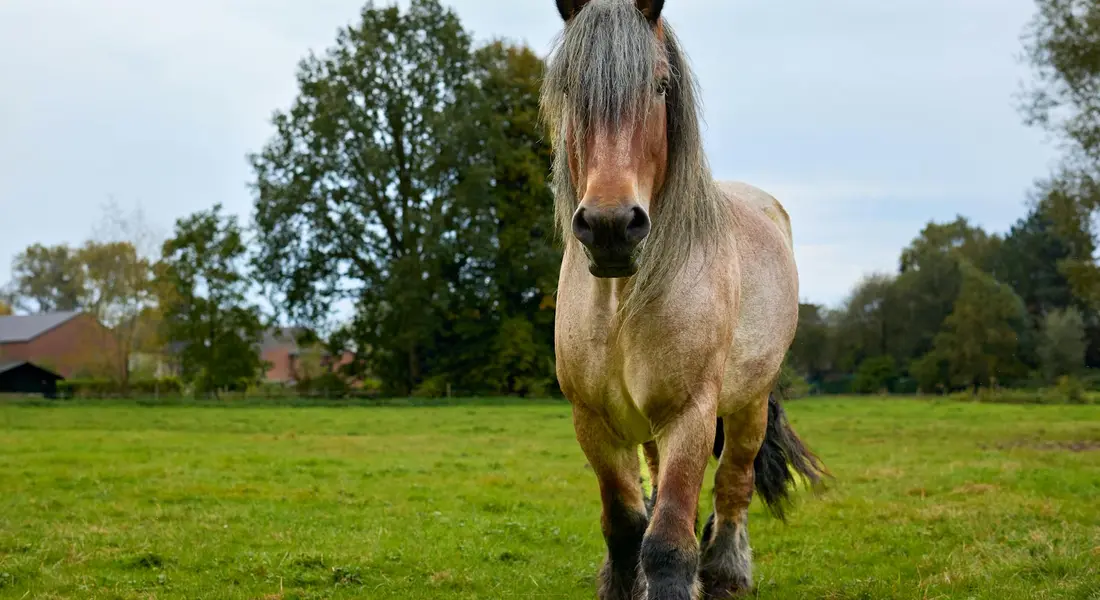
Miniature horses are champion easy keepers. Their metabolism is geared for survival on sparse forage, so overfeeding is the number one risk to their health. I’ve seen more minis with a crease down their back from fat than I care to count. Your feeding plan must be built around their weight and activity, not their adorable pleading eyes. A sedentary companion mini needs far fewer calories than one in light driving work.
Appropriate forages are your foundation. Mature grass hay like timothy or orchard grass is ideal-it’s lower in sugars than alfalfa or lush pasture. Pasture management is critical. Use a grazing muzzle during spring and fall when grass sugars spike, and consider a dry lot or rotated paddock system to control intake. Think of pasture not as a buffet, but as a carefully measured supplement to their hay.
Grains are rarely necessary. If you must supplement, choose a low-starch, low-sugar pellet designed for metabolic issues, and measure it by the ounce, not the scoop. For treats, skip the commercial sugary squares. Offer a single baby carrot, a thin apple slice, or a handful of soaked beet pulp flakes instead. Pipin, our Shetland, would trade a minor felony for a carrot, but he gets only a coin-sized piece per day.
Daily Forage: How Much Hay?
Calculate roughage at 1.5% to 2% of their current body weight daily. For a 200-pound mini, that’s 3 to 4 pounds of hay. A 300-pound mini needs 4.5 to 6 pounds. Weigh your hay flakes with a kitchen scale; guessing leads to chubby ponies. This amount should be split into multiple small meals to keep their digestive system ticking over peacefully.
I am a fervent advocate for slow-feed hay nets with small holes. That satisfying rustle and pull mimics natural grazing, stretches meal time, and prevents the gulping that can lead to choke or boredom. Hearing the steady, slow crunch from a net is the sound of a content and safely-fed mini.
What to Avoid in a Mini’s Diet
Steer clear of rich grains, sweet feeds, and molasses-coated anything. Sugary human snacks, bread, or lawn clippings are absolute no-gos. Even too much rich spring pasture can be dangerous. These foods can violently disrupt the delicate microbial balance in the cecum, setting off a cascade of problems.
The direct link here is laminitis, a devastating inflammation of the sensitive hoof structures. It’s excruciatingly painful and often recurrent in easy keepers. Managing your mini’s diet is the single most effective way to guard against this crippling condition.
Exercise and Lifestyle for Weight Maintenance

Ample daily turnout on safe footing is non-negotiable. A mini in a stall is a mini gaining weight. They need space for voluntary movement-to trot, roll, and explore. This natural activity stokes their metabolism far better than any short, intense workout. Turnout time is not a luxury; it’s a core component of metabolic health and mental well-being.
Fun, purposeful exercise prevents boredom and builds fitness. Ground driving teaches focus and burns calories. Setting up a low-obstacle course with poles and cones engages their brain. I learned this with Pipin. His clever, food-motivated brain meant he’d get pudgy if left to his own devices. We started a daily “thinking game” of navigating a simple pattern for his carrot piece, which kept his body moving and his mind busy, melting the extra weight away.
Safe Exercise Ideas for Miniature Horses
Regular activity doesn’t need to be complicated. Here are some effective options:
- Daily walks in hand: A 20-minute brisk walk on varied terrain does wonders.
- Ground driving: Excellent for teaching commands and building muscle without a rider’s weight.
- Agility or obstacle courses: Use ground poles, cones, and small tunnels to encourage stepping and bending.
It is vital to remember that most miniature horses should not be ridden by adults. Their small spines and legs are not built to carry a human’s weight. Their athletic talents shine in driving, in-hand showing, or as agile therapy partners. Overloading a miniature horse can lead to serious health issues.
FAQ: How Much Does a Miniature Horse Weigh? (Average Weight Guide)
How is miniature horse height measured in hands?
Miniature horse height is measured in hands, a traditional equine unit where one hand equals four inches. They are measured from the ground vertically to the withers, the highest point of the shoulder. Most registries require minis to stand under 34 to 38 inches, which translates to roughly 8.5 to 9.5 hands tall. This measurement is crucial in determining horse size and classification.
Can I rely on a miniature horse weight calculator?
Online or tape-based weight calculators are practical for regular monitoring, using heart girth measurements to estimate pounds or kilograms. They provide a good baseline but can vary with factors like body shape and hair coat. For precise needs like dosing medication, complement calculator use with veterinary scale readings for accuracy.
Is there a standard weight-to-height ratio for miniature horses?
No universal ratio exists, as weight depends heavily on bone structure, muscle mass, and overall conformation. A mini at 34 inches might weigh 150 pounds if fine-boned, or 250 pounds if stocky. Focus on individual body condition scoring alongside measurements to ensure optimal health, rather than targeting a specific ratio.
From the Feed Room: Weight Wisdom
Keep a weight tape handy and check your mini every month, pairing it with a hands-on body condition score. This routine is your frontline defense against weight-related issues, allowing you to adjust hay and exercise long before a problem takes hold.
Good horsemanship means moving slowly and observing intently, prioritizing your horse’s comfort over rigid numbers. The most accurate gauge of their health will always be the horse itself, so listen closely to what they show you. For a practical, everyday reference, a quick daily signs health-check guide can help you form a consistent routine. This makes observations actionable and easy to track over time.
Further Reading & Sources
- Introduction to Miniature Horses | Tractor Supply Co.
- Miniature Horse Breed Profile
- Miniature Horse Dimensions & Drawings | Dimensions.com
- Miniature Horse | Chattanooga Zoo
At Horse and Hay, we are passionate about providing expert guidance on all aspects of horse care, from nutrition to wellness. Our team of equine specialists and veterinarians offer trusted advice on the best foods, supplements, and practices to keep your horse healthy and thriving. Whether you're a seasoned rider or new to equine care, we provide valuable insights into feeding, grooming, and overall well-being to ensure your horse lives its happiest, healthiest life.
Health