
Practical, Gentle Steps to Desensitize Your Spooky Horse
Hello fellow equestrians, does your heart skip a beat when your horse whirls at a fluttering plastic bag or shies from a strange noise? That sudden spook isn’t just frustrating-it can be a genuine safety risk for both of you, turning a peaceful trail or simple groundwork into a tense battle of nerves.
I’ve spent countless hours in the aisle with horses like my sensitive Thoroughbred, Luna, who used to think rain coats were horse-eating monsters. The good news is that with a patient, structured approach, you can help your horse find curiosity instead of fear. This guide will walk you through a proven, step-by-step process to build lasting confidence.
Here’s what we’ll cover to get you and your horse on steadier ground:
- Starting with the right mindset and safety setup before you even introduce an object.
- A slow, reward-based method for introducing visual scares like tarps, flags, and balloons.
- How to safely acclimate your horse to unsettling sounds, from clatters to machinery.
- Turning training sessions into positive games that build trust instead of pressure.
These methods are born from two decades of barn management and training, helping everything from reliable quarter horses to clever escape-artist ponies learn to take new sights and sounds in stride.
Understanding the Roots of Spooky Behavior
Why Horses Spook and How Fear Works
Horses are not being difficult when they spook; they are following an instinct millions of years old. Their eyes are on the sides of their head, giving them a wide field of view to spot predators, but this also means they see depth differently than we do. A flapping tarp might look like a mountain lion leaping from two directions at once. That sudden thud of their heart and jump is a pure, chemical flight response wired for survival.
Fear in a horse is a full-body event. A strange sound sends a signal to the brain’s amygdala, releasing adrenaline in a flood. Their muscles tense, their breath shortens, and they are literally primed to run first and ask questions never. I’ve seen it with Luna; a dropped grooming bucket once sent her spinning, her dapple grey coat trembling like aspen leaves. Working with this biology, not against it, is the cornerstone of gentle horsemanship. Recognizing common horse fears and skittish behavior helps us understand anxiety and its triggers. With that understanding, we can apply calm, consistent management to help a horse grow more confident.
Their hearing is far sharper than ours, picking up frequencies we miss. That distant rumble of a truck you barely notice? To your horse, it’s a clear and present danger. Think of their nervous system like a highly sensitive alarm system-it’s better for a prey animal to have 100 false alarms than to miss one real threat. Desensitization is essentially the slow, patient work of teaching that alarm system new, quieter settings.
Setting Realistic Goals for Desensitization
You will not cure a spooky horse in one session. Your goal is not a bombproof robot, but a confident partner who can manage his worry. A realistic first goal is simply having your horse look at a novel object without snorting or backing up. The next might be him tolerating it ten feet away while chewing. Celebrate the tiny victories, like a relaxed sigh or a soft eye, as if they were blue ribbons.
I set weekly goals, not daily ones. With Rusty, who hates puddles, one week’s success was him calmly approaching the edge of the muddy spot in his paddock. The next week, we worked on one hoof in. This patience prevents frustration for both of you. Measure progress in inches and moments of calm, not in miles or total fearlessness.
Remember, a horse’s ability to learn shuts down when flooded with fear. If Luna’s head goes straight up and her nostrils flare, my goal instantly shifts from exposure to helping her find calm. This often means increasing distance or going back to a familiar, easy task. A successful session ends with the horse quieter than when it started, even if you didn’t touch the scary object.
Laying the Groundwork for Safe Exposure
Essential Safety Rules Before You Start
Safety is not negotiable. Your physical setup is your first defense. Always work in a secure, enclosed area like a round pen or a small, familiar paddock. Ensure your footing is good-no tripping hazards. I always wear my helmet and sturdy boots, even for ground work. A spook can happen in a heartbeat, and your gear is your best friend when it does.
Use a well-fitting halter and a long, sturdy lead rope, never wrap the rope around your hand. Give yourself an escape route; never get trapped between the horse and a fence. Here are my non-negotiable stable rules for this work:
- Work with a calm, tired horse. A session after turnout is better than one right out of a stall.
- Keep your own energy low and your voice steady. Horses mirror our tension.
- Watch the whole horse, not just his eyes. Tension starts in the shoulders and the tail.
- If you feel unsafe, stop immediately. There is no shame in living to train another day.
Reading the flick of an ear or the set of a jaw can prevent a bolt before it happens. These precautions also apply to safely handling a horse that rears or bolts. If behavior escalates, prioritize your safety, create space, and seek experienced guidance.
Choosing Your First Desensitization Props
Start boring. Your goal is curiosity, not terror. The best props are lightweight, movable, and make mild, unpredictable sounds. I keep a “spooky box” in my tack room for this. Introduction should be so gradual that the horse almost discovers the object himself.
For a highly sensitive horse like Luna, I began with a single, empty plastic grocery bag tied to a dressage whip. I let it rustle softly in the breeze at the far end of the arena while she ate hay. For a clever, food-motivated pony like Pipin, I placed a novel object, like a traffic cone, near his feed tub, letting him investigate it on his own time. Food can create positive associations, but only if the horse is already below his fear threshold.
Here is a progression I follow, moving to the next step only when the horse is utterly relaxed:
- Prop is visible but stationary and distant (e.g., a tarp folded in a corner).
- Prop is moved gently at a distance (e.g., wiggling a flag on the ground).
- You hold the prop while standing still, allowing the horse to approach and sniff.
- You make the prop active (like shaking it) while the horse stands calmly at a distance.
The creak of a new lawn chair or the smell of fresh paint can be your training tools-let the horse’s world become your classroom.
The Step-by-Step Acclimation Process
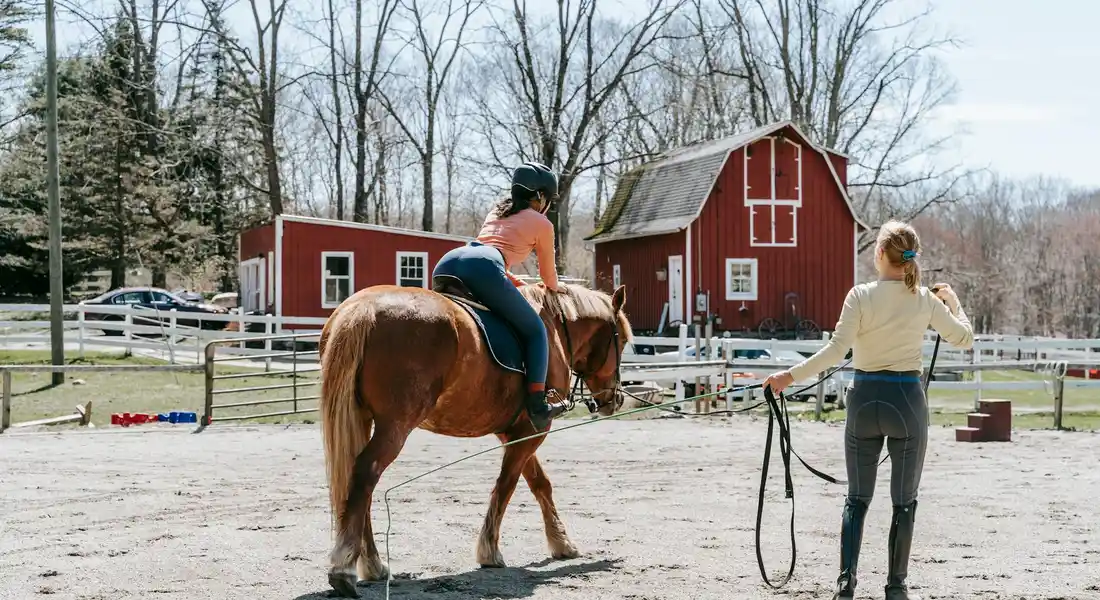
Think of this as a slow dance, not a wrestling match. You are guiding your horse’s curiosity, not forcing confrontation. I learned this the hard way with Luna, my sensitive Thoroughbred, who once viewed a new mounting block as a lurking dragon. Patience here isn’t just virtue; it’s the entire toolbox.
Step 1: Introduce the Object at a Distance
Start with the scary item-a tarp, a balloon, a novel trailer ramp-placed calmly where your horse can see it but feels zero pressure. I might sit on a stool 50 feet away from a flapping plastic bag, letting Rusty graze in the vicinity. The goal is simple exposure without expectation. Watch their body language: ears flicking forward is a win, tense snorting means give them more space. The initial distance is your safety valve, preventing a full-blown flight response before you even begin. This step might take five minutes or five sessions; you move at the horse’s pace, not your schedule.
Step 2: Reward Curiosity and Ignore Fear
This is where gentle horsemanship shines. The moment your horse so much as looks at the object without panic, offer a reward. A soft “good boy,” a scratch on the withers, or a low-value treat like a piece of hay cube works. If they spook and spin, calmly redirect their attention or just wait. Do not punish the fear. I remember Pipin, our Shetland, trembling at a new wheelbarrow. He took one tentative step toward it, got a carrot bit, and his entire demeanor shifted from terrified to intrigued. You are strategically rewarding the bravest thought they have, no matter how small to build a strong bond and trust with your horse.
Step 3: Gradually Decrease the Buffer Zone
Only when your horse is consistently relaxed at the current distance do you inch the object closer, or yourself toward it. Move an inch, not a foot. Let them process. Maybe today the blue tarp stays 20 feet away, and tomorrow it’s 19. The key is to retreat back to the “safe” distance if they show stress. This builds trust. Success is measured in relaxed sighs and lowered heads, not in touching the object quickly. With Luna, we spent a week just walking parallel to a parked tractor before she would let me lean on its tire.
Special Tactics for Sudden Sounds and Noises
Sounds are trickier. You can’t always control a backfiring truck or a screaming peacock. Our job is to build a horse’s resilience so surprises don’t become traumas. This relies heavily on equine welfare fundamentals: a well-rested, turned-out horse is always more mentally sound than a stalled one.
Desensitizing to Common Auditory Scares
Start with recordings at a very low volume. Play sounds of clanging gates, roaring engines, or crackling plastic in a stable, predictable setting. Pair the noise with something positive, like feeding time. Here’s a practical list I use in my barn:
- Begin with the volume so low it’s barely audible.
- Gradually increase it over days, always watching for tension.
- If the horse spooks, reduce the volume immediately-don’t just shut it off.
- Introduce real-life sounds in a controlled way, like rattling feed bags while you muck stalls.
Systematic, low-volume exposure teaches a horse that strange noises don’t automatically equate to danger. The thud of a dropped bucket becomes background noise, not a call to arms.
Building Confidence Through Predictable Patterns
Horses thrive on routine. Use this to your advantage. If you know the garbage truck comes at 10 AM, be with your horse then. Stand calmly at their shoulder, breathing deeply, and let them see you are unbothered. Your calmness is contagious. After the noise passes, go back to a familiar, pleasant task like grooming. You are creating a neural pathway where ‘loud sound’ is followed by ‘calm human’ and then ‘pleasant experience,’ not panic. I practice this with all our horses, so now when a sudden noise occurs, they often look to me for cues instead of bolting.
Reading Your Horse’s Body Language Accurately
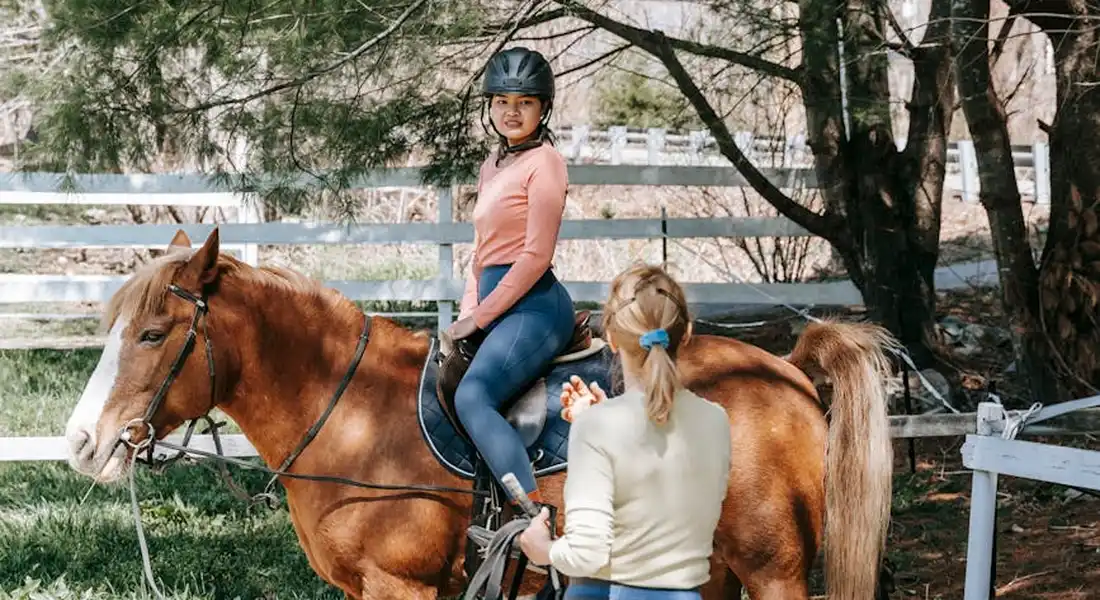
Training a spooky horse isn’t about dominating their fear. It’s about learning their unique dialect of snorts, ear flicks, and muscle twitches. Think of yourself as a translator, converting the horse’s physical signals into information you can use to guide the next step. Misreading these cues is where many well-meaning sessions go sideways. I learned this the hard way with Luna, whose tense silence often meant she was moments from a bolt, not accepting the situation. That shift starts with being a calm, assertive leader for your anxious horse—steady in your cues, confident in your decisions. When you project calm leadership, you invite cooperation and move the training forward.
Signs of Growing Comfort and Tolerance
Look for these subtle victories. They mean your horse is thinking, not just reacting.
- A Softening Eye: The hard, worried stare breaks. The eyelid relaxes, and the eye regains a gentle, rounded shape.
- The Lick and Chew: This is the classic sign of a mental release. It’s the horse equivalent of saying, “Oh, I get it now.”
- Lowered Head Carriage: The neck drops from its alarmed, giraffe-like position. A sigh often accompanies this.
- Relaxed Tail and Hip: The tail stops clenching and hangs loosely. The muscles over the hip stop quivering.
- Ears on a Swivel: Instead of pinned flat or rigidly forward, the ears begin to move independently, listening to you and the object. They might flick toward the scary tarp, then back to you.
This is your green light to ask for one more small step closer, or to reward by removing pressure completely.
Red Flags: When Your Horse is Shutting Down
This is critical. A frozen horse isn’t a brave horse. Shutting down is a survival mechanism, and pushing past it damages trust.
- The Vacant Stare: The eye goes dull and glassy, looking “through” the object. This is different from a soft eye.
- Complete Immobility: They hold their breath and become like a statue. You feel a tense stillness instead of a thinking presence.
- Disengagement: They refuse to look at the object at all, turning their head away as if it doesn’t exist.
- A Drooping Lower Lip: This can look like relaxation but in a tense context, it often signals learned helplessness.
If you see these signs, you have gone too far, too fast. Immediately back the difficulty level down by three steps. Go back to simply standing at a distance where they can breathe and blink. With Pipin, I once made this error with a new feeder; his sudden, silent stillness told me I had overwhelmed his clever little brain, and we had to restart the next day.
Mistakes That Hinder Progress and How to Fix Them
We all make them. The key is to recognize them quickly and adjust your plan without frustration.
Rushing the Process and Losing Patience
You have twenty minutes before work, the horse spooks at the flag, and you think, “Today we conquer this!” This mindset is a recipe for a setback. Rushing injects your anxiety straight into the horse’s nervous system through the lead rope. I’ve done this with Rusty at a puddle, trying to “just get it over with,” and it took weeks to rebuild his confidence. These are exactly the horsemanship mistakes—the eight ways you’re accidentally undermining your horse’s confidence. A short guide to spotting them will be linked in the next step.
- The Fix: Set microscopic goals. A successful session is one where the horse’s emotional state improved, not where the object was touched. Your goal might be: “Walk within 30 feet of the blue tarp while keeping a loose lead.” That’s it. Done. Celebrate.
- End on a Good Note: Finish when you see that first lick and chew, even if it’s only five minutes in. This builds positive anticipation for next time.
Inconsistent Reinforcement and Mixed Signals
Your release of pressure is your primary communication tool. Inconsistency here creates a confused and anxious horse.
Imagine this: the horse steps toward the scary plastic bag, you feel a brace, so you release the lead pressure as a reward. The next time, you hold the pressure until they touch it. The next, you release when they look away. This chaotic feedback loop teaches the horse that your cues are meaningless, and the environment is unpredictable.
- The Fix: Define your criteria clearly, for yourself. Decide what you will reward. Is it a look? A step? A calm exhale? Stick to that one criterion for the entire session. Use a consistent, immediate release of pressure the instant that desired effort occurs.
- Check Your Own Body: Are you holding your breath? Gripping the lead? Leaning forward? Your body is part of the signal. Practice staying neutral, breathing deeply, and keeping a soft elbow. Your relaxation gives them permission to relax.
Crafting a Long-Term Habituation Plan
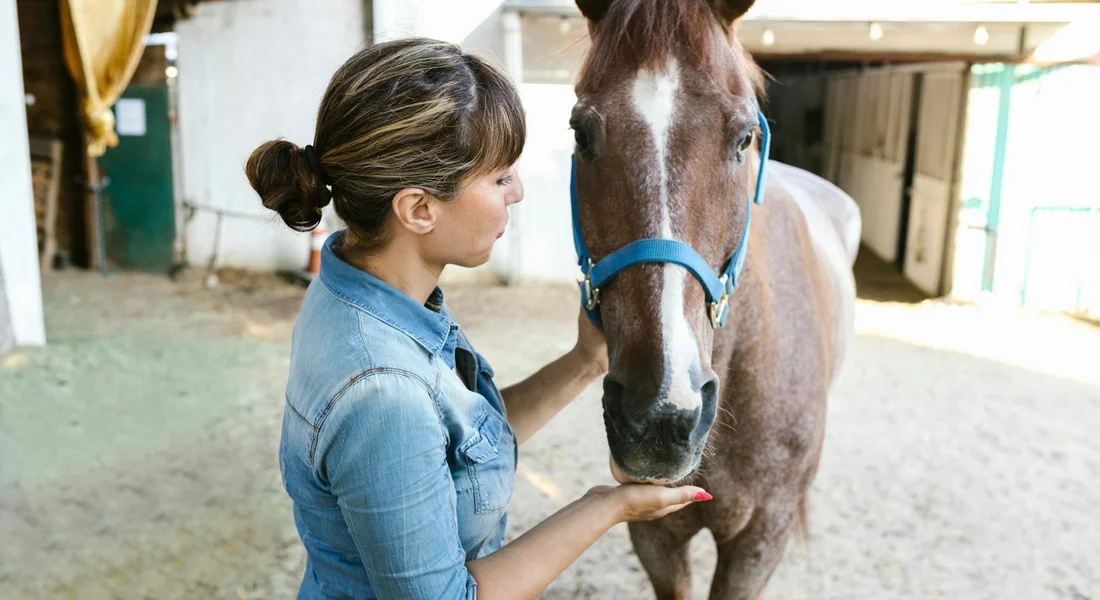
Think of habituation not as a weekend project, but as the slow, steady background music of your horse’s life. True comfort around the unfamiliar comes from predictable, positive repetitions woven into weeks and months, not forced marches. I learned this with Luna; her thoroughbred brain needed a calendar, not a crash course. A plan maps out incremental exposure, ensuring you never flood your horse with more worry than they can process.
Start your plan by identifying core stressors. Is it flapping tarps, clanging metal, or novel objects like balloons? List them. Rank these items from least to most alarming based on your horse’s reaction, creating a staircase of challenges instead of a cliff. For Pipin, our clever pony, an empty feed sack was step one, while a crinkly plastic bag tied to a fence was a goal for month three.
Your plan must honor the horse’s need for movement and social contact. Always prioritize ample turnout time, as a horse with pent-up energy is a poor student for new lessons. A calm mind starts with a body that’s been allowed to move freely and gossip with pasture mates. The understanding horse behavior psychology complete guide explains how mental state and social dynamics shape learning.
Incorporating Desensitization into Daily Handling
Make novelty mundane by folding it into routines your horse already knows. The key is low-pressure exposure where the horse can simply observe. During daily grooming, I’ll often rest a strange item like a fluffy mitt or a smooth traffic cone near the cross-ties, letting curiosity win without any demand. The familiar smells of the grooming aisle and the rhythm of brushing provide a safety net.
Transform chores into training moments. Here’s how I sneak it in:
- Drag a tarp slowly on the ground while filling water troughs, letting the sound and sight become part of the scenery.
- Clip a different, lightweight object to the fence each day near the gate-a pool noodle, a streamer-so investigating becomes a habit.
- Play varied audio softly in the barn during feeding time, from radio talk to recorded traffic sounds, pairing new noises with a positive event.
Use your horse’s mealtime to your advantage. Placing a new, stationary object like a mailbox or a piece of agility equipment in the corner of the paddock encourages investigative sniffs on their own clock. With Rusty, I once left a closed umbrella near his hay pile for a week; by day five, he was using it as a scratching post.
Tracking Progress and Knowing When to Get Help
Keep a simple barn log. Note the date, the object or sound introduced, and your horse’s reaction on a scale from one to five. A dated journal provides cold, hard proof of progress on days when you feel you’ve hit a wall, revealing slow but steady wins. I track everything from ear position and snorts to relaxed sighs and voluntary approaches.
Recognize the difference between a setback and a plateau. A bad day is normal; a complete refusal to engage for multiple sessions signals a need to adjust. If your horse’s fear escalates to consistent panic-rearing, bolting, or sweating profusely-it’s time to pause and seek a professional’s eyes. If you’re facing ongoing stress or bucking, there are calm, practical steps you can take to stop a horse from bucking and restore composure. These techniques can help you keep both horse and handler safe as you work toward steadier behavior. Their safety and your safety are not bargaining chips.
Seek help from a certified trainer when you see these signs:
- The horse becomes generally more anxious, spooking at familiar things.
- You feel your own frustration rising, making your hands less soft and your timing less precise.
- Progress has halted for over two weeks despite consistent, gentle effort.
A good trainer can spot subtle body language you might miss and offer a fresh strategy. Asking for help isn’t a failure; it’s a profound commitment to your horse’s mental welfare and your partnership’s future. I’ve called in colleagues for Luna more than once, and each time it rebuilt our trust on a deeper level.
FAQ: How to Desensitize a Spooky Horse to New Objects and Sounds
How to use positive reinforcement when desensitizing a horse?
Positive reinforcement involves immediately rewarding desired behaviors, such as calmness or curiosity, with treats, verbal praise, or physical scratches. This method helps the horse form positive associations with previously scary stimuli, encouraging voluntary engagement. Consistency in rewarding small steps, like a glance or relaxed posture, builds confidence and accelerates learning without force. For a structured overview, see our guide on positive reinforcement training for horses. It offers step-by-step techniques and practical examples.
What is the importance of timing and patience in desensitization?
Precise timing ensures that rewards or pressure release occur the moment the horse exhibits the target behavior, making the connection clear and effective. Patience is vital because rushing can flood the horse with fear, leading to shutdown or setbacks, while gradual exposure fosters trust. Allowing the horse to set the pace through multiple, short sessions ensures lasting comfort and reduces stress for both horse and handler.
What tools or props are useful for desensitization training?
Effective props are lightweight, movable items like plastic bags, tarps, or flags that can introduce visual and auditory novelty in controlled ways. Audio recordings of common scary sounds, played at low volumes, help acclimate horses to noises without real-world risks. Safety tools such as enclosed arenas, long lead ropes, and personal protective gear are essential to manage reactions and prevent accidents during sessions.
Final Thoughts from the Stable
Begin every session by presenting novel items from a safe distance where your horse can look without tension, always pairing curiosity with a reward. Progress is measured in quiet breaths and relaxed muscles, not in how quickly the plastic bag loses its scare.
This journey hinges on your patience and your commitment to a pace that feels safe to your equine partner. Over time, you learn to talk with your horse and listen for what he cannot say. Your horse’s honest reactions-the flick of an ear, the shift of weight-are the true curriculum, so let his comfort lead every step. This dialogue builds a foundation for better communication you can both feel.
Further Reading & Sources
- Vita Flex Pro | How to Desensitize A Horse to Spooky Objects
- Desensitizing // The Methods
- Desensitizing Methods 101 – Horse Sport
- How to Desensitize ANY Horse in 4 simple steps! – YouTube
At Horse and Hay, we are passionate about providing expert guidance on all aspects of horse care, from nutrition to wellness. Our team of equine specialists and veterinarians offer trusted advice on the best foods, supplements, and practices to keep your horse healthy and thriving. Whether you're a seasoned rider or new to equine care, we provide valuable insights into feeding, grooming, and overall well-being to ensure your horse lives its happiest, healthiest life.
Behavior