
How to Build a Horse Run-In Shed: A Practical Step-by-Step Guide
Published on: February 14, 2026 | Last Updated: February 14, 2026
Written By: Henry Wellington
Hello fellow equestrians. If you’re tired of seeing your horse stressed by harsh weather or worrying about rain scald and sunburn, you’re in the right place. Those concerns are real-I’ve spent too many nights anxious about vet bills and behavioral issues stemming from inadequate shelter.
This guide will give you the confidence to create a safe haven. I’ll cover how to pick a site with perfect drainage and windbreak, choose affordable, durable materials that stand up to hooves and weather, follow clear assembly steps for a sturdy structure, and encourage your horse to use their new shed without a fuss. Every step prioritizes your horse’s comfort and your safety during construction.
My years as a barn manager have taught me that a good run-in shed is a cornerstone of gentle horsemanship and equine welfare.
Why Build a Run-In Shed? More Than Just a Roof
Think of a run-in shed as your horse’s favorite lounge spot, not just a weather barrier. It gives them autonomy, which is a cornerstone of respectful care.
- Immediate protection from sun, wind, and rain: A simple roof prevents sunburn, keeps chilling winds at bay, and offers a dry retreat during downpours.
- Reduces stable-bound stress: Horses locked in stalls can develop pacing, weaving, or other nervous habits. A run-in allows them to move freely, cutting that pent-up energy.
- Encourages natural herd dynamics and movement: With free access, they can gossip at the entrance, play follow-the-leader, or simply doze together, mirroring their wild instincts.
I’ll often find my old gelding, Rusty, parked in the shed on a perfectly sunny, 70-degree day. He’s not hiding from weather; he’s enjoying the cool shade and the vantage point. Watching horses choose shelter reaffirms that welfare is about providing options, not imposing confinement. Gentle horsemanship means trusting them with free-choice comfort.
Laying the Groundwork: Plans, Permits, and Site Prep
Rushing this phase is like cinching a saddle without checking the girth-it invites trouble. Thoughtful planning now prevents expensive, dangerous mistakes later and keeps your herd safe.
Choosing the Perfect Spot: Site Selection Essentials
Location is everything. You want a spot your horses will use without hesitation.
- High ground for drainage: Avoid low spots where water pools. Mud is a nuisance and a hoof health hazard.
- Wind load considerations: Face the open side away from your area’s prevailing winds to create a calm interior.
- Easy access from pasture: Place it on a natural travel path, not in a forgotten corner.
- Distance from trees: Keep it clear of overhanging branches that can break in storms or drop debris.
Go out after a good rain and walk your potential site. The squelch or firmness under your boots tells you more about drainage than any map.
Sizing It Up: Dimensions for Comfort and Safety
Too small, and it becomes a source of conflict. Too large, and it might not feel cozy. Aim for the goldilocks zone.
- Provide a minimum of 12’x12′ per horse. For a herd, increase the depth-a 12’x24′ shed shelters two comfortably.
- Height for clearance is typically 10-12 feet at the opening. This prevents tall horses from feeling claustrophobic and avoids head bumps.
- A little extra space prevents bullying at the doorway. It also gives each horse room to lie down fully without being stepped on.
Paperwork First: Permits and Regulations
This step feels boring, but it’s non-negotiable. Skipping it can mean tearing down a finished structure.
- Check local zoning ordinances and building codes before you buy a single post. Some areas have rules about “permanent” versus “temporary” structures.
- Review any Homeowner Association (HOA) rules if applicable. They might dictate siding colors or roof styles.
An hour on the phone with your county building department saves months of legal headaches. Trust me, I’ve seen a beautiful shed built only to sit unused due to a permit oversight.
Materials and Tools: What You’ll Need to Get Started
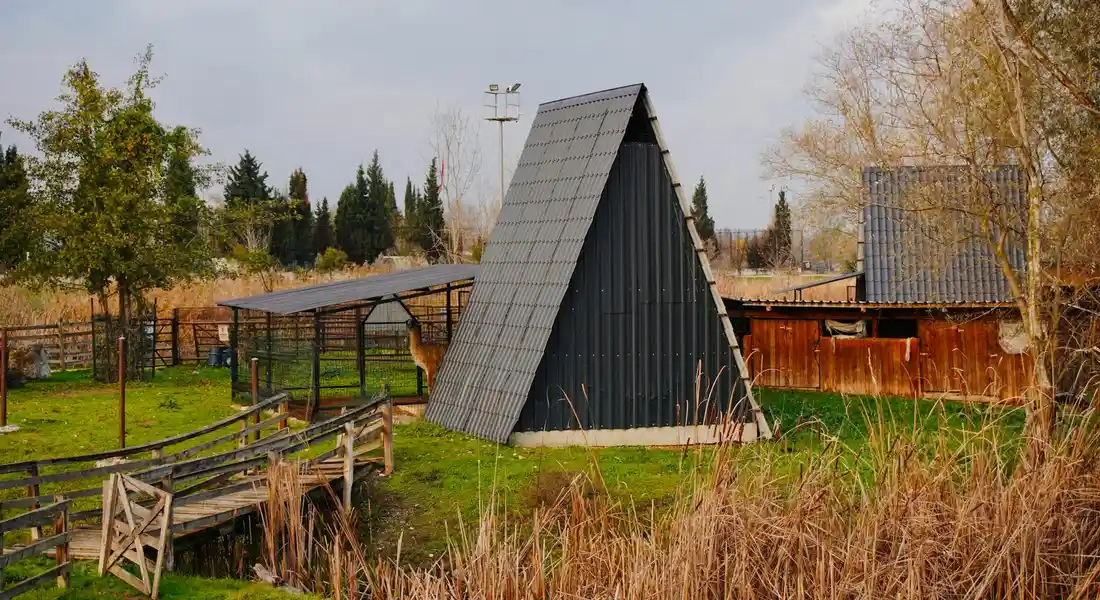
Think of this phase as gathering your “barn crew” of supplies before the first nail is driven. Having everything on hand saves you from frantic trips to the hardware store, much like having your hoof pick, brushes, and treats ready before catching Luna from the paddock. A little prep now makes the whole build smoother.
Lumber Selection and Framing Materials
Your lumber choice is the difference between a shelter that sags in five years and one that stands solid for decades. Always use pressure-treated lumber for any post that touches the ground; it resists rot and insects that love to munch on wood. For the interior frame and surfaces your horse will lean against, choose sturdy, splinter-free timbers like pine or fir. It’s one of the key features of a well-designed horse stable.
Post-and-beam framing is the classic, durable skeleton for a run-in. It uses heavy vertical posts connected by horizontal beams to carry the roof load. I learned the value of this solid frame watching Pipin test every corner of his stall for weaknesses-a well-built structure laughs at such cheeky intelligence. For a basic 12’x24′ shed, expect material costs for lumber and framing to start around $1,500 to $3,000, depending on your local wood prices.
Roofing Options: Metal vs. Other Materials
Your roof is the hat that keeps everything dry. Metal roofing is my go-to for longevity; it can last 40 years and sheds snow beautifully. The trade-off is noise-a sudden downpour on a metal roof sounds like a drumline, which can spook a nervous horse like Luna until they get used to it. Asphalt shingles are quieter and cheaper upfront but may need replacement sooner.
No matter the topping, the roof frame underneath is non-negotiable. You must build trusses or rafters strong enough to handle a wet, heavy snow load without a creak of protest. Skimping here is an invitation for collapse.
Tool Checklist for DIY Builders
You don’t need a professional contractor’s trailer, but a core set of tools is essential. Here’s your starter list:
- Post hole digger (manual or auger)
- Long level (4-foot is ideal)
- Circular saw and drill/driver
- Sturdy ladder and clamps
- Personal safety gear: gloves, goggles, ear protection
From personal mishaps, I now keep a spare tape measure and two pairs of gloves in my tool bucket-one will always go missing, usually when your hands are full of splinters.
The Construction Process: Building Your Shed Step-by-Step
Take a deep breath-this is where your plan takes shape. Follow these steps in order, and you’ll have a safe haven taking form before you know it.
Step 1: Preparing the Base and Footing
A level, stable base prevents every future headache. A well-compacted gravel base is excellent for drainage and is kinder to horse legs than unyielding concrete. For post stability, set each one in a concrete pad footing. A full concrete slab is costly but offers the most permanent, level floor.
Your goal is to create a pad that sheds water away from the structure. I always grade the site so water runs off like it’s fleeing from a spilled grain bucket, which keeps the wood high and dry for years.
Step 2: Erecting the Post-and-Beam Frame
Set your treated posts deep-at least 3 feet for an 8-foot wall-in their concrete footings. Use your level obsessively on every post. Brace the frame temporarily with 2x4s to keep it perfectly square while the concrete cures; a crooked frame here makes every following step a fight.
Here’s a tip from a long afternoon with Rusty watching skeptically from the fence line: double-check all your diagonal measurements before the concrete sets. Once that mix hardens, your adjustments are as limited as a horse’s patience at dinner time.
Step 3: Installing the Roof Structure
Build your roof trusses on the ground for accuracy, then lift them onto the frame. Sheath them with plywood to create a solid deck for your roofing material. Always design a roof with a minimum pitch of 3:12 for water runoff and generous overhangs of 12-18 inches on all sides. This keeps rain and snowmelt away from your walls and the horses standing at the entrance.
The thud of the first truss being secured is a satisfying sound. That solid frame overhead is what lets you sleep soundly during a winter storm, knowing your herd is protected.
Step 4: Adding Walls and Ventilation
Most run-ins have three walls, with the open side facing away from the prevailing wind. When adding walls, think like a horse’s lung. You must include high, open ventilation at the rear eaves or gable ends to let warm, moist air escape. Stale air trapped in a shed is a recipe for respiratory issues.
I use rough-sawn boards with gaps or install dedicated vents up high. Good airflow is as critical as fresh water; it prevents that thick, dusty atmosphere that makes a horse cough.
Step 5: Door and Gate Installation
If you’re adding a partial front gate or a stall divider, design for safety. The opening should be wide-at least 10 feet-to avoid crowding. Use rounded edges on all wood and secure all hardware with carriage bolts, burying the nuts so no sharp edges protrude. Hinges and latches should be simple and robust, with no small hooks for a halter to catch on.
Think of Pipin’s clever hooves: anything that can be fiddled with, will be. A sturdy gate latch that requires human hands is a cornerstone of gentle, preventative horsemanship.
Step 6: Flooring and Drainage Solutions
Inside, skip concrete. A natural dirt or stone dust floor is softer on joints and drains better. For the perimeter, grade the land so the ground slopes gently away from the shed in all directions, creating a “crown” that directs water away.
I often add a shallow French drain or a trench filled with gravel at the entrance if the area is prone to puddling. Proper drainage means a dry, comfortable floor, which encourages your horse to use their shelter instead of standing outside in the weather.
Horse-Centric Design: Safety and Comfort Features
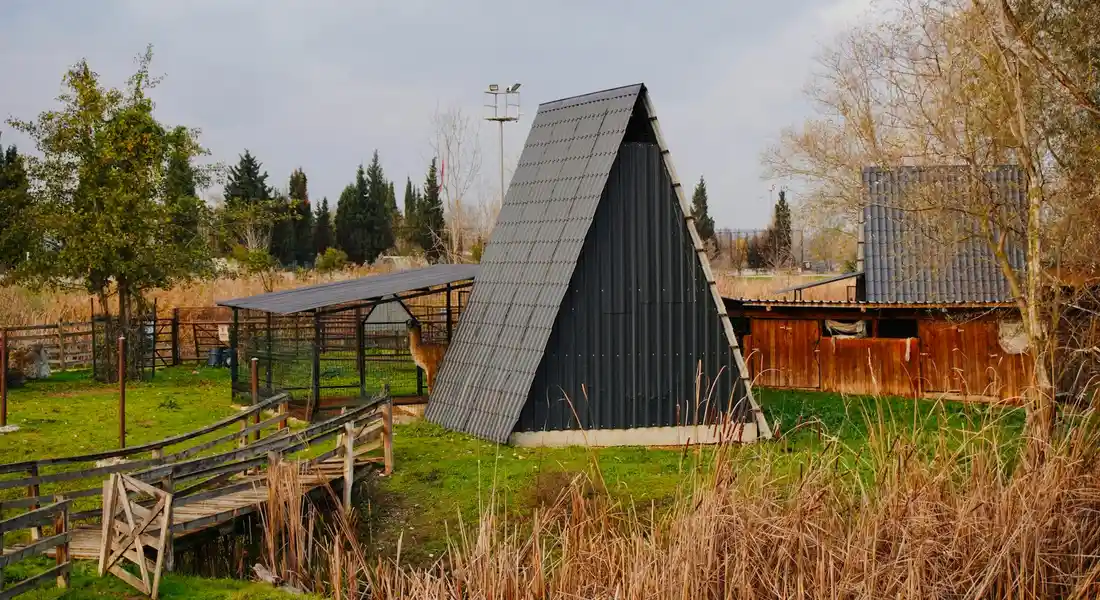
Your run-in shed must be a sanctuary your horse seeks out, not just endures. Focus on modifications that transform a simple structure into a safe haven, considering the world from your horse’s height and perspective. A safe, enriching environment supports your horse’s wellbeing and willingness to engage. In the next steps, we’ll explore practical ways to create that environment.
I learned this watching my old trail horse, Rusty, who would rather stand in rain than enter a dark, cramped space. Design with their instincts in mind, and you’ll build a shelter they actually use. If you’re planning a DIY horse stall, a simple step-by-step guide can help you build the shelter they need. Stay tuned for the next steps.
Avoiding Injury: Round Corners and Smooth Edges
After Pipin the pony taught me how creatively a horse can find trouble, I treat every shed interior like a foal-proof stall. Take a router or sander to every interior wood corner, creating a smooth, rounded curve that won’t gouge a hip during a sudden spin.
Cover all exposed bolt ends with protective caps or hammer them flat. This is as essential for safety as checking your girth, preventing deep scratches you might not see until grooming time.
Ensuring Good Airflow: Ventilation Design
Stagnant air breeds dust and ammonia, which irritate sensitive lungs. Good ventilation means you’re greeted by the sweet smell of fresh hay, not a sharp chemical sting, when you check on your horse.
Incorporate continuous vents high on the back wall or design open eaves under the roof line. This passive system lets warm, moist air escape, making the shed comfortable for a high-energy horse like Luna even on a still, humid day.
Keeping It Dry: Drainage and Weather Considerations
A muddy entrance is a guaranteed way to make your shelter unusable. Your careful base preparation-a thick layer of compacted gravel-is what keeps the floor dry and firm under hoof.
In regions with harsh winters, consider insulating the roof with closed-cell spray foam. This helps regulate temperature without trapping moisture, much like a good blanket wicks away dampness while holding in warmth.
Maintenance and Upkeep: Keeping Your Shelter Sound
View maintenance not as a chore, but as an ongoing act of care for your horse’s well-being. A well-kept shelter is a dependable part of your horse’s daily rhythm, just like turnout time. Having the right essential tools for daily stable maintenance makes this routine smoother. They keep stalls clean, dry, and comfortable for your horse.
Regular Inspections for Rot and Damage
Make a seasonal walk-around part of your routine, like feeding or mucking out. The solid thud of your knuckles against a sound beam is a reassuring check that all is well.
- Spring: Probe wooden posts at ground level for soft spots or rot after the thaw.
- Summer: Inspect the roof for missing shingles or leaks during a dry spell.
- Fall: Tighten all bolts, hinges, and hardware before the windy season.
- Winter: Look for stress from snow load and clear ice dams quickly.
Seasonal Tasks for Longevity
Proactive tasks prevent big repairs and keep the space inviting. Clearing leaf litter and branches from the roof each autumn prevents water damage and extends the roof’s life by years.
- Re-grade and add fresh gravel to the entrance if washout creates a dip or hole.
- Check eaves and corners for early wasp nests in late spring before they establish.
- Apply a fresh coat of non-toxic wood preservative every two to three years to shield against sun and rain.
Alternatives to DIY: Kits and Professional Builders
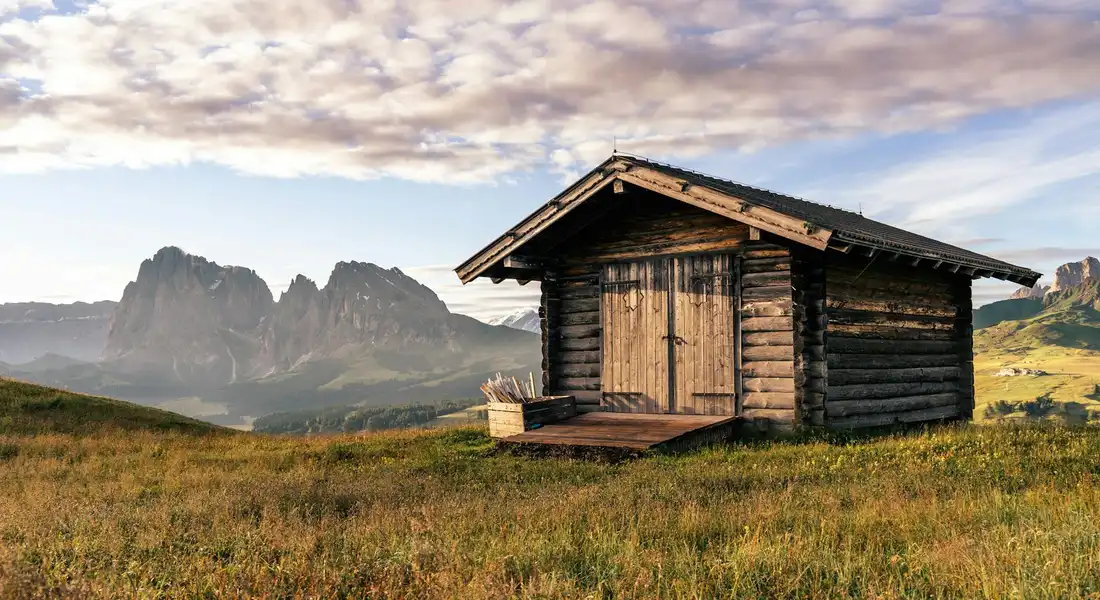
Building a shelter from the ground up is deeply rewarding, but it’s not the only path to a dry, happy horse. Whether you’re short on time, tools, or confidence, there are excellent alternatives that still result in a safe, sturdy refuge for your herd. Considering the pros and cons of different shelter options can help you decide what fits your space and budget. In the next steps, we’ll compare common options and link to detailed guides for each.
Evaluating Horse Run-In Shed Kits
I once assembled a run-in shed kit for Rusty’s back paddock. Opening that first box of numbered parts felt like Christmas, but for barn managers. Kits are a fantastic middle ground.
The biggest advantage of a kit is the engineered precision; every beam and bracket is pre-cut to fit, eliminating the guesswork and potential waste of buying raw lumber. Most include all the necessary hardware and truly step-by-step instructions.
Consider these points:
- Pros: Huge time-saver. No need for advanced drafting or complex calculations. All materials are specified and included. Often comes with solid warranty support.
- Cons: Customization is limited to the manufacturer’s designs. The upfront cost can be higher than sourcing materials yourself. You still need a solid, level site and a crew for assembly.
Before buying, ask about the lumber grade and the gauge of any steel components. A flimsy frame won’t stand up to a determined leaner like my pony, Pipin.
When to Call a Professional Builder
There is absolutely no shame in hiring this job out. In fact, for certain situations, it’s the wisest and safest choice.
Call a pro if your building site is on a significant slope, has poor drainage, or requires major excavation-getting the foundation wrong is the one mistake you can’t fix later with baling twine.
You should also hire out if:
- Your vision includes integrated features like a tack room, feed storage, or a complex overhang.
- Your schedule simply doesn’t allow for a multi-weekend project.
- The thought of setting 12-foot posts plumb and true makes your palms sweat.
A good local builder will understand your area’s specific needs, from soil type to common weather patterns.
Pre-Built Options: Sheds for Sale and Regional Considerations
For the ultimate turn-key solution, you can purchase a pre-built shed delivered to your property. This is the fastest route from idea to implementation.
When shopping for a pre-built shelter, get on your hands and knees and inspect the construction; look for sturdy joinery, adequate roof overhang, and reinforced corners where horses might rub. Also, consider essential horse housing land requirements to ensure the shelter sits safely on your property. Proper land guidelines help with drainage, space, and safe access around the horses.
Regional climate is a non-negotiable factor here. A shed designed for the gentle hills of Virginia won’t fare well in the relentless plains wind of Texas or under the heavy, wet snowload of a Michigan winter.
- For high-wind areas: Seek designs with a lower profile, wind-rated anchors, and closed backs.
- For heavy snow regions: Prioritize a steep roof pitch (at least 4/12 or higher) and robust truss systems.
- For hot, sunny climates: A longer overhang on the south side provides crucial shade, and full ventilation is key.
Always ask the manufacturer about the engineering standards for these specific environmental loads-your horses’ safety depends on it, especially when considering safe riding conditions in varying temperatures.
Frequently Asked Questions About How to Build a Horse Run-In Shed
What are the pros and cons of using horse run-in shed kits?
Kits provide pre-engineered materials and instructions, saving time on design and cutting. They often include all necessary hardware, but customization may be limited compared to a DIY build. Always verify the lumber quality and warranty to ensure durability for your climate and horse use.
How do I design a horse run-in shed with an integrated tack room?
Allocate extra space, typically 8×10 feet or more, at one end of the shed for secure tack storage. Separate it with a solid wall and a human-sized door to keep equipment safe from horses and weather. Ensure the tack room has independent ventilation and accessibility without interfering with the horses’ shelter entrance.
What regional adaptations are key for horse run-in sheds in Texas or Michigan?
In Texas, prioritize a deep overhang and full ventilation to combat heat, with a wind-resistant design for open plains. For Michigan, opt for a steep roof pitch and robust framing to handle heavy snow loads, plus insulation to regulate winter temperatures. Always source materials suited to local weather extremes for long-term durability and horse comfort.
Your Run-In Shed: Built for Comfort and Care
Choose a dry, well-drained site for your structure and ensure it’s large enough for all herd members to use comfortably. Getting the size and location right from the start is the single most important factor for creating a space your horses will actually trust and use. That space should also provide safe shelter and shade for your horse. A properly shaded shelter helps keep them comfortable on hot days.
Give your horses time to acclimate to their new shelter, and let their habits guide any final adjustments. Watching how they choose to use the space you built is the best reward, and the truest sign of a job well done. This is just one part of creating an enriching environment for your horses.
Further Reading & Sources
- Run In Shed Plans – Building Your Own Horse Barn – iCreatables
- Free Run in Shed Plans | MyOutdoorPlans
- 63 Best run in shed ideas
- Run In Sheds – Horse Shed Design & Shed Plans
At Horse and Hay, we are passionate about providing expert guidance on all aspects of horse care, from nutrition to wellness. Our team of equine specialists and veterinarians offer trusted advice on the best foods, supplements, and practices to keep your horse healthy and thriving. Whether you're a seasoned rider or new to equine care, we provide valuable insights into feeding, grooming, and overall well-being to ensure your horse lives its happiest, healthiest life.
Stable Management