
Post-Castration Horse Care: Your Guide to a Smooth Recovery
Hello fellow equestrians. Your horse is home from castration surgery, and that mix of relief and new worry is completely normal. You’re likely thinking about swelling, those vet bills, and how to keep your gelding safe and comfortable during healing.
I’ve been there in the stall aisle, hearing the quiet shuffle of a recovering horse and knowing just what to watch for. This guide will walk you through the essentials, from the first day home to full turnout. We’ll cover immediate post-op monitoring and vital signs, effective pain management and antibiotic routines, step-by-step wound care to prevent infection, and how to safely reintroduce movement and herd life.
With years of barn management and gentle horsemanship guiding my approach, I’ll help you navigate this recovery with confidence.
Immediate Postoperative Monitoring and Safety
Those first few hours back home are a quiet vigil. Your horse is coming out of a fog, and your job is to be a calm, observant anchor. Stay with him until he is fully alert and steady on his feet. The anesthesia wears off unevenly, and a wobbly horse in a confined space is a danger to himself. Just as it’s important to prepare your horse for a safe and calm vet examination, ensuring he remains calm during recovery is crucial.
Listen to the rhythm of his breathing-slow and steady is good. Watch his gums; they should be a healthy pink, not pale or muddy. I always keep a quiet hand on Luna’s barrel, feeling the slow rise and fall. Your primary goal is to prevent a catastrophic fall by providing unwavering support in a padded, secure space.
Initial Vital Sign Checks
You don’t need fancy equipment, just your senses and a basic kit. Check every 30 minutes for the first two hours, then hourly for the next four. Write it down. A pattern tells a clearer story than a single number.
- Heart Rate: Normal is 28-44 beats per minute. Feel for the pulse under his jaw or behind his elbow. A persistently high rate can signal pain or shock.
- Respiratory Rate: Normal is 8-16 breaths per minute. Watch his flank rise and fall. Rapid, shallow breathing needs a vet call.
- Gum Color & Capillary Refill: Pink gums are ideal. Press a finger on them; the color should return within two seconds. Sticky, pale, or blue-tinged gums are an emergency.
- Temperature: Normal is 99-101.5°F. A rising temperature after the first day often indicates infection setting in.
Trust your gut-if his eyes are glazed, he’s reluctant to move, or he just seems “off” compared to his usual self, pick up the phone and call your vet. It’s never a wrong move.
Securing a Quiet Recovery Space
Forget the run-in shed or a paddock for now. He needs a fortress of solitude. A deeply bedded, spacious box stall is non-negotiable. I use a full extra bag of shavings for post-op stalls, creating a forgiving mattress.
Strip the stall to the floor and start fresh with clean, low-dust bedding to avoid respiratory irritation. Ensure all walls are solid, with no protrusions he can catch himself on. Hang a sign on the door to discourage noisy visitors-both human and equine. A quiet, dim, and deeply bedded stall is the safest prescription for a horse finding his legs again.
Creating the Ideal Recovery Environment
Recovery isn’t passive. You are curating an environment that actively promotes healing. This means managing every detail, from the air he breathes to the ground he lies on. Think of it as running a miniature equine hospital ward where cleanliness and calm are the chief medications.
Good ventilation is critical to whisk away ammonia fumes from urine, which can irritate his respiratory tract and his surgical site. But avoid creating a drafty wind tunnel directly on him. Your management in these first two weeks directly influences how quickly and cleanly his wound heals, with fewer complications.
Stall Rest Duration and Confinement
Plan for strict stall rest for a minimum of 48 hours. This allows the initial swelling to subside and the first crucial layers of tissue to seal. After that, most vets will recommend limited hand-walking or small, solitary turnout in a flat, dry space for another 10-14 days.
No running, no rolling, no buddies to play with. I learned this with a cheeky pony named Pipin; his intelligence turned to boredom, which led to creative attempts at escape and self-entertainment that risked his incision. Boredom is your enemy, so provide a slow-feed hay net and quiet company to keep his mind occupied without risking his body.
Bedding Management for Wound Health
The choice and upkeep of your bedding is a frontline defense against infection. Avoid straw initially, as the hollow stems can wick moisture and bacteria right up to the wound. Opt for kiln-dried pine shavings or a low-dust pelleted bedding.
- Muck meticulously, multiple times a day. Remove all wet and soiled patches immediately.
- Pack fresh, clean bedding gently back into the area, but don’t create a deep mound that could put pressure on the scrotum.
- Check the bedding for any foreign material-stray bits of hay, a forgotten treat, anything that isn’t clean bedding.
- A slightly damp cloth wipe on his hind legs and belly can remove urine splash, keeping the area cleaner between full clean-outs.
A clean, dry, and dust-free bed is the single best thing you can provide to prevent post-operative infection and encourage comfortable resting.
Incision Care and Wound Monitoring
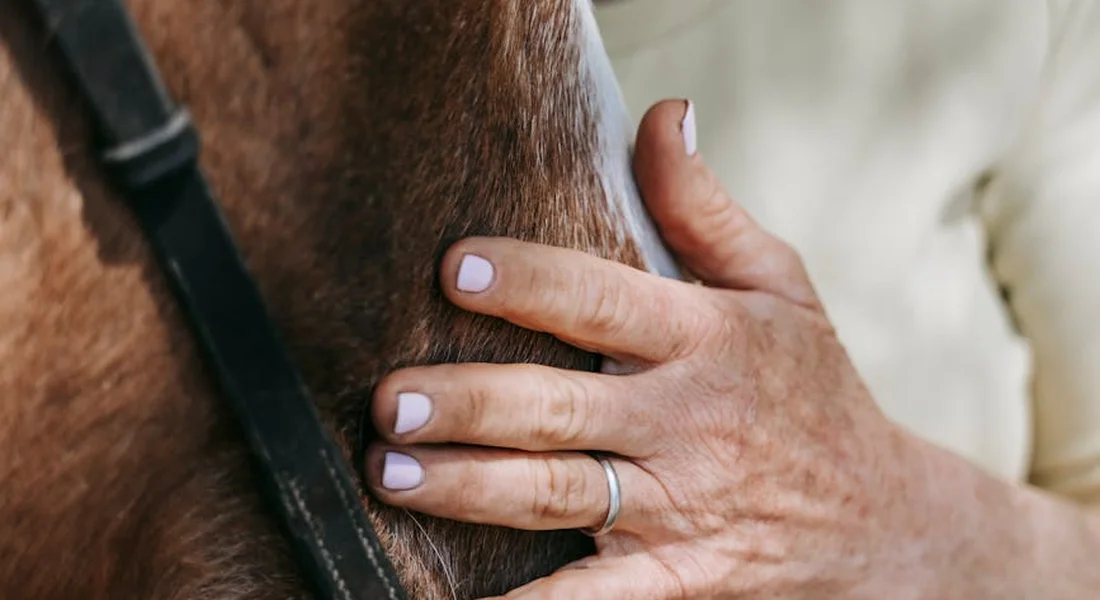
Your vet will have closed the site, but your job is to keep it clean and quiet so it can heal from the inside out. I check my geldings’ incisions with the same careful eye I use when inspecting a new saddle’s fit-looking for any sign of rub or trouble. Twice-daily checks are non-negotiable; you’re looking for subtle changes in color, heat, and moisture that signal how healing is progressing.
Daily Cleaning Protocol
Unless your vet specifies otherwise, less is often more. The goal is to remove debris without disturbing the delicate healing tissue or soaking the scab. For Pipin’s castration, I used this gentle routine each evening.
- Gather supplies: clean bucket, warm water, sterile gauze pads, and a vet-recommended dilute antiseptic like chlorhexidine or saline.
- Soak a gauze pad in your solution. Wring it out so it’s damp, not dripping wet.
- Gently dab-don’t scrub-the area around the incision to remove any dried serum or shavings. Let the moisture loosen debris.
- Use a fresh, dry gauze pad to pat the entire area completely dry. Moisture trapped against the skin invites bacteria.
- Discard used gauze. Do not re-dip used materials into your clean solution bucket.
Identifying Early Signs of Infection
Some swelling and a small amount of clear or slightly cloudy discharge is normal in the first few days. The trick is knowing when it tips from normal healing to a problem. Trust your senses: if you smell something foul or see a sudden increase in thick, yellow or greenish pus, it’s time to call the vet.
- Red Flags: Excessive swelling that feels hot and tight to the touch, redness spreading from the incision lines, or a foul odor.
- Fever Signs: A horse feeling lethargic, off his feed, or running a temperature over 101.5°F signals a systemic issue.
- Normal Healing: A small, firm swelling that gradually reduces, a clean scab forming, and a horse returning to his usual personality and appetite.
Managing Pain and Reducing Swelling
A horse in pain will be reluctant to move, and gentle movement is key for reducing post-op fluid buildup. Your vet will likely prescribe a course of NSAIDs like phenylbutazone or flunixin meglumine. These medications do double duty: they manage pain and reduce inflammation, making your horse more comfortable and willing to take those important, gentle walks. Understanding these medications can help you ensure proper care for your horse.
Administering Pain Medications Safely
Always follow your veterinarian’s dosage and schedule to the letter. More is not better and can risk stomach ulcers or kidney damage. I mark doses on the barn whiteboard and set phone alarms, because in the busy barn rhythm, it’s easy to second-guess if you gave that evening dose. Watch for effectiveness-your horse should be bright-eyed and interested in his surroundings, not standing parked in the back of his stall. Report any loss of appetite or unusual manure changes to your vet immediately.
Practical Swelling Reduction Techniques
Cold therapy is your best friend for managing swelling in the first 72 hours. The goal is consistent, gentle reduction. Cold hosing for 15-20 minutes, two to three times a day, works wonders by constricting blood vessels and slowing fluid buildup.
- Cold Hosing: Use a steady, cool stream of water. Move it slowly over the swollen sheath and inner thigh area. Your hand under the water should feel cold, not icy.
- Ice Packs: For a more targeted approach, bagged ice or commercial cold wraps can be held against the area for 10-15 minutes at a time. Always place a thin towel between the ice and the skin.
- Abnormal Swelling: Be concerned if swelling is hot, pits deeply when you press a finger into it (pitting edema), or suddenly worsens after initially going down. This can indicate infection or excessive bleeding.
Activity Restrictions and Gradual Return to Work
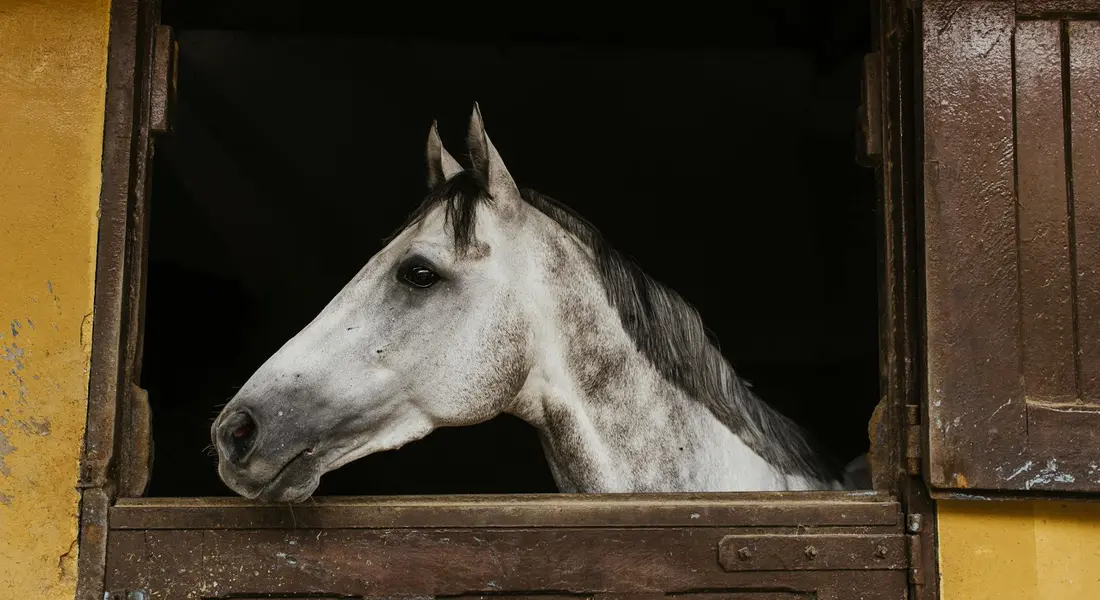
The first few days after surgery are about quiet healing. Your horse needs strict stall rest to allow the initial swelling to go down and for that internal seal to form. I keep a radio on low in the barn aisle; the soft chatter seems to soothe them and keeps them from feeling isolated. It’s an essential part of supporting a horse’s recovery from injury or surgery.
Think of the first 72 hours as mandatory couch time for your horse-movement is limited to prevent serious complications like hemorrhage or herniation. After this initial period, controlled movement becomes part of the medicine, stimulating circulation and reducing fluid buildup. As healing progresses, you can gradually introduce long, continuous walks to further support circulation and recovery. This transition should be gradual and tailored to your horse’s response.
Phased Return to Turnout and Exercise
This isn’t a sudden freedom party. We reintroduce space and movement in careful, monitored stages.
- Days 4-7: Begin short, quiet hand-walking. Start with just 5-10 minutes twice daily on level, safe footing. The goal is a calm, purposeful stroll, not a sightseeing tour.
- Week 2: If healing is clean, you can introduce very controlled turnout. This means a small, flat paddock or round pen, completely alone, for 15-30 minutes. Absolutely no buddy turnout yet-playful nudges or kicks are a disaster waiting to happen.
- Weeks 3-4: Gradually increase solo turnout time. Watch him like a hawk for any rolling, running, or excessive bucks. If he acts a fool, his session is over. The healing site should look dry and closed.
Reintroducing Riding and Normal Work
Patience here pays off in full. Rushing back to work can cause painful swelling or set the healing process back weeks.
- Week 5-6 (Vet Approval Required): Start under-saddle work at the walk only. Keep these first rides short-maybe 15-20 minutes of quiet walking on a loose rein.
- Week 7: Introduce gentle trot work. Listen to your horse. If he feels stiff or reluctant, drop back to walking. This is not the time for fitness training.
- Week 8 and Beyond: Slowly add canter work and resume normal training. The entire first month back should focus on rebuilding muscle and suppleness, not intensity or duration. A full return to strenuous work like jumping or cattle work often takes 10-12 weeks.
Nutrition, Hydration, and Appetite Monitoring
His digestive system is his engine, and it must keep running smoothly. Post-anesthesia and pain meds can temporarily dampen gut motility and thirst drive. My first task each morning after Rusty’s surgery was to check his water bucket and feel his hay net for that satisfying overnight dent.
A horse that isn’t eating or drinking is a five-alarm fire-it’s the fastest route to dehydration, impaction colic, and a metabolic tailspin. His manure is your daily report card; note the frequency, consistency, and any signs of straining.
Encouraging Normal Eating and Drinking
You might need to get creative to spark his appetite. Warm, sloppy mashes were my secret weapon for Luna, who can be a fussy eater on a good day.
- Offer fresh, soaked alfalfa or timothy cubes. The extra water content aids hydration.
- Add a handful of peppermints or molasses to his water (if he’ll take it) to encourage drinking.
- Provide the highest quality, sweet-smelling hay you can find. Sometimes a different cutting or field makes all the difference.
- Signs of trouble include sunken eyes, dry gums, a lack of manure for over 12 hours, or repeatedly lying down and getting up. Call your vet immediately.
Adjusting Feed for Reduced Activity
While he’s on stall rest, his calorie needs plummet. That high-performance grain ration? Put it away. For most horses, excellent forage and a balanced vitamin/mineral supplement are entirely sufficient during the 4-6 week recovery window. The goal is to maintain weight, not add to it. Extra pounds put unnecessary strain on his healing body and his legs, which aren’t getting their normal conditioning. I keep a weight tape by Pipin’s stall and check every week; it’s a blunt but effective tool.
Recognizing and Responding to Complications
After castration, your horse’s body is healing, and while most recover smoothly, complications can sneak up. I’ve seen my share of post-op stalls, from Rusty’s straightforward bounce-back to Luna’s more delicate reactions. Your daily hands-on check is the best early warning system you have.
Red flags that mean pick up the phone:
- Fever over 101.5°F that doesn’t break. A slight temperature rise is normal for a day or two, but persistence spells trouble.
- Severe or increasing swelling in the scrotum or sheath, especially if it feels hot or hard.
- Any discharge from the wound that’s thick, yellow, green, or foul-smelling-clear or blood-tinged fluid is typical initially.
- Suture issues like broken stitches or the wound edges pulling apart.
- Constant bleeding, more than a few occasional drops.
When to Call the Veterinarian Immediately
Don’t wait if you see these signs. Time matters. Excessive bleeding is a clear emergency; apply firm, clean pressure with a sterile pad while you call.
- Herniation: If you see a bulge of intestine in the scrotal area, keep the horse calm and still. This is rare but serious.
- Loss of appetite for more than 24 hours. Horses are creatures of habit; skipping meals is a big deal.
- Signs of severe pain: Relentless pawing, rolling, looking at his flank, or sweating when resting.
- Lethargy or depression that’s more than just post-anesthetic grogginess.
Your response? Stay calm, isolate the horse in a safe, clean stall, and have your vet’s number ready. In an emergency, basic first aid focuses on keeping the horse calm and stable until the vet arrives. I always keep a post-op kit with clean towels, vet wrap, and a thermometer within reach.
Common Post-Castration Complications Explained
Knowing what you’re looking at helps you react wisely. Infection is the most common hitch, often starting with heat and pus.
- Infection: Bacteria invade the wound. You’ll see swelling, heat, and bad-smelling discharge. Early treatment with antibiotics usually clears it up.
- Excessive Swelling (Edema): Fluid buildup is normal, but if it doesn’t start to subside after a few days or hinders movement, it needs attention. Gentle hand-walking can promote circulation.
- Herniation: Abdominal contents push through the inguinal canal. It looks like a sudden, soft bulge. This requires surgical repair.
- Suture Reaction or Abscess: The body might reject stitches or trap infection inside, forming a painful pocket. Your vet may need to drain it.
I remember Pipin, our cheeky pony, developed a small suture abscess; catching it early meant a simple flush and he was back to his escape artist ways in no time.
Healing Timeline and Veterinary Follow-Up
Healing isn’t instant, but watching the progress is rewarding. Patience and consistent routine are your best tools for a smooth recovery.
Expected Milestones in the Healing Process
Every horse heals at his own pace, but here’s a general roadmap. Day 1-3: Expect some swelling and drainage; the wound forms an initial clot.
- Week 1: Swelling peaks then starts to decrease. A scab forms. Your horse should be more interested in hay and water.
- Weeks 2-3: Significant reduction in swelling. The scrotum tightens. Gentle turnout in a small paddock can begin if your vet agrees.
- Weeks 4-6: Wound is fully closed and healed. Hair starts to regrow. Most horses can return to light work.
Full internal healing takes months, but the external signs guide your care. Luna, being thoroughbred, needed extra time for swelling to resolve, while Rusty was practically ready to go on day five.
Scheduling and Preparing for Follow-Up Visits
Your vet will likely want to see your horse about 10-14 days post-op. Write down your observations before the visit so you don’t forget details in the moment. For first-time horse owners, a complete vet-visit checklist can make the visit smoother.
Prepare for the check-up by:
- Having your horse clean and dry in a well-lit stall.
- Noting any changes in appetite, behavior, or wound appearance.
- Keeping a log of temperature checks if you’ve been monitoring.
Questions to ask your vet:
- Is the swelling normal for this stage?
- When can we start hand-walking or turnout?
- Are the sutures dissolving properly, or do they need removal?
- What signs should I watch for in the next week?
Follow-ups aren’t just a formality; they’re a chance to catch small issues before they become big problems. I always schedule mine right after morning chores when the barn is quiet and I’m most alert.
FAQ on Post-Castration Horse Care
How long should the horse be confined after surgery?
After castration, your horse needs strict stall rest for a minimum of 48 hours to promote initial healing. Following this, controlled hand-walking or small, solitary turnout is typically recommended for an additional 10 to 14 days. Always follow your veterinarian’s specific instructions based on your horse’s recovery progress.
What signs of infection should I watch for?
Monitor the incision site for increased swelling that feels hot or emits a foul odor. Be alert for thick, yellow or greenish discharge, which indicates a potential infection. Additionally, watch for systemic signs like fever over 101.5°F or lethargy, and contact your vet if these symptoms arise.
When should the veterinarian be contacted for complications?
Contact your veterinarian immediately if you observe excessive bleeding, a bulge in the scrotal area suggesting herniation, or a persistent fever. Also call if your horse shows signs of severe pain, such as relentless pawing or rolling, or refuses to eat for more than 24 hours. Early intervention helps prevent serious issues and ensures a smoother recovery. If your horse refuses to eat, it may indicate an underlying problem that requires prompt attention. Understanding the cause helps guide practical solutions.
Steady Recovery in the Stall
Prioritize a quiet stall with ample bedding and follow your veterinarian’s pain management plan to the letter. The single most important thing you can do is monitor for fever, loss of appetite, or significant swelling at the site, as these are your early warnings to call the vet.
Healing isn’t a race, so let your horse set the pace with plenty of quiet time. The best tool in your care kit is your own observation—listen to what his posture and demeanor are telling you each day, especially when doing daily health checks.
Further Reading & Sources
- Practice: Postoperative care for equine castration – Large Animal Surgery – Supplemental Notes
- A review of prevention and management of castration complications – Baldwin – 2024 – Equine Veterinary Education – Wiley Online Library
- Castration in Horses | PetMD
- When to Geld My Horse? Castration Procedure, Complications & Aftercare | Mad Barn
At Horse and Hay, we are passionate about providing expert guidance on all aspects of horse care, from nutrition to wellness. Our team of equine specialists and veterinarians offer trusted advice on the best foods, supplements, and practices to keep your horse healthy and thriving. Whether you're a seasoned rider or new to equine care, we provide valuable insights into feeding, grooming, and overall well-being to ensure your horse lives its happiest, healthiest life.
Health