
How to Check if Your Horse is Dehydrated: Spot the Signs and Fix It Fast
Published on: September 11, 2026 | Last Updated: September 11, 2026
Written By: Henry Wellington
Hello fellow equestrians. That moment of doubt when your horse seems a bit off, maybe a touch sluggish at the gate or not touching his water, is a worry every good owner knows. Ignoring those subtle hints can quickly spiral into colic, lethargy, and a hefty vet bill.
I will guide you through a straightforward barn-side assessment and the immediate steps to take. You will learn:
- The simple skin pinch test that tells you about your horse’s fluid levels in seconds.
- How to check gum color and capillary refill time for a clear internal snapshot.
- Smart ways to monitor daily water intake and what changes in manure mean.
- Safe, effective solutions for rehydration, from electrolyte use to tempting wet mashes.
My years of barn management and training everything from steady Rusty to high-strung Luna have taught me that catching dehydration early is a cornerstone of gentle, responsible horsemanship.
The Unmistakable Signs Your Horse Needs More Water
I remember a scorching summer day when Pipin, our clever Shetland, just stood there. His normally glossy black coat had lost its sheen, looking as dull as old felt. That dull coat was my first clue he was thirsty, reminding me that the earliest signs are often subtle shifts you feel in your gut.
- Lethargy and Dullness: A noticeable drop in energy or spark, like a horse who usually greets you but now barely looks up.
- Sunken Eyes: The eyes appear recessed in the skull, losing their bright, alert appearance.
- Dry Mucous Membranes: The gums and inside of the nostrils feel sticky or dry, not slick and wet.
- Dark Urine or Reduced Output: You find fewer wet spots in the stall, or the urine has a deep, concentrated color.
- Loss of Skin Elasticity: The skin over the neck or shoulder doesn’t spring back quickly when pinched.
Behavioral Red Flags: More Than Just Being Lazy
A horse who turns down a carrot or ignores their grain is sending a major signal. For a food-driven character like Pipin, skipping treats is a five-alarm fire you can’t ignore.
Reluctance to work isn’t always stubbornness. My high-strung Thoroughbred, Luna, shows dehydration by becoming oddly lethargic instead of her usual nervy self. Watch for apathy, especially when it contrasts with their normal personality, be it Rusty’s steady calm or Luna’s lively energy.
Physical Tell-Tales: What to Look for in the Stall and Field
Run your thumb over your horse’s gums. They should feel slippery, like a wet river rock, not tacky or dry. Dry gums are a direct, tactile plea for hydration you can feel with your fingertips.
Notice the manure. Dehydrated manure forms hard, dry balls that break apart on impact. Couple that with a water bucket that’s still full from morning, and you have a clear picture of a problem.
The skin tent test on the neck gives you instant feedback. A slow return of the skin fold is like a slow drumbeat warning of trouble beneath the surface.
Your Hands-On Hydration Check: A Step-by-Step Barn-Side Test
Make this a quick, calm part of your daily routine, like picking hooves. Speak softly and move with purpose. This steady, gentle prep is how you groom your horse for a stronger bond, step by step. Always work from the side of your horse’s shoulder for safety, ensuring both of you are relaxed.
Step 1: The Skin Pinch (or Tent) Test
Pinch a fold of skin on the neck or shoulder, avoiding bony spots like the withers. Hold for a second, then let go. Time the return: skin that snaps back within two seconds is good; a slow tent forming for longer means dehydration is setting in.
Step 2: The Gum and Capillary Refill Check
Gently lift your horse’s lip and press your thumb on the gum above a front tooth. Release and count. One to two seconds for the pink color to flood back is normal; a count of three or more signals poor circulation from fluid loss.
While you’re there, feel the gum’s texture. It should be wet and slick. A moist, pink gum is a sign of a happy, hydrated system.
Step 3: Assessing the Eyes and Overall Demeanor
Look closely at your horse’s eyes. Sunken, dull eyes with a tired expression are later-stage warnings. Combine this with a listless stance-if your horse looks drained and acts it, you’re past early signs and need to act. If this pattern recurs, your horse may be overworked and need more conditioning. A targeted exercise plan can help restore balance.
Common Causes of Dehydration: From Weather to Worry
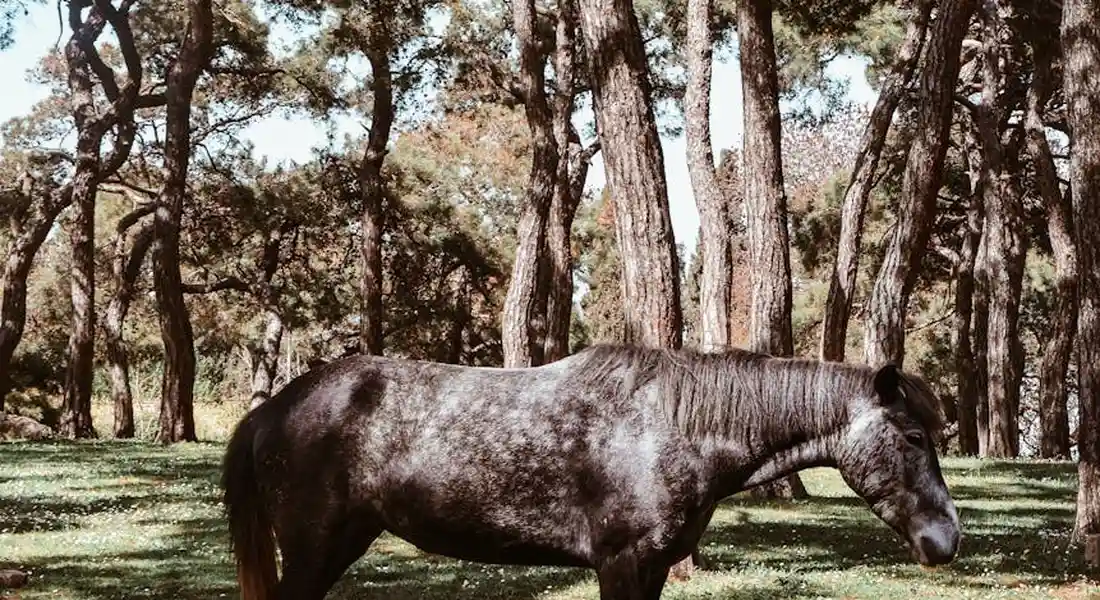
Your horse loses fluid constantly through sweat, breath, and manure. But certain everyday factors can tip the scales toward dehydration faster than you might think. Spotting these common culprits lets you adjust your management before a thirsty horse becomes a sick one – especially when it comes to ensuring they drink enough water.
- Hot or humid weather dramatically increases sweat loss, even at rest.
- Intense or prolonged exercise drains fluid reserves, especially in unfit horses.
- Limited turnout or stall confinement often reduces natural drinking rhythms.
- Travel or stress can make a horse too anxious to drink from unfamiliar sources.
- Poor water quality from dirty buckets or stagnant tanks is a major deterrent.
Environmental and Management Factors
Most dehydration starts right in our own barns. It’s often a simple fix if you know where to look. A proactive check of your horse’s environment is the cheapest form of prevention you can buy.
- Summer heat demands vigilance. I hose down Luna after every summer ride, watching the steam rise from her dapple grey coat as she heads straight for the water trough.
- Heavy work requires planned recovery. Always offer small, frequent sips of water during and after strenuous activity.
- Turnout time encourages drinking. Horses who move and graze naturally drink more. Pipin, my Shetland, will amble over to his bucket a dozen times an hour when he’s out.
- Winter brings its own risks. Icy water or overly cold temperatures can slash intake. The steady hum of Rusty’s tank heater is a winter lifeline I test with my own hand each morning.
Health-Related Triggers
When fluid loss is tied to an underlying condition, your response must shift from management to medicine. These triggers are your signal to involve a professional, not just a bigger water bucket.
- Diarrhea or runny manure flushes out fluids and electrolytes rapidly.
- A fever increases metabolic rate and water loss as the body tries to cool itself.
- Pain or extreme anxiety can cause profuse, non-exertion related sweating.
- Conditions like kidney issues or infections directly disrupt fluid balance.
Your daily knowledge of what’s normal for your horse-the sound of their drinking, the consistency of their manure-is the baseline that makes spotting these health shifts possible. That awareness helps you spot early signs of illness or injury in your horse. Being proactive with symptoms means you can act quickly and seek the right care.
What to Do Now: Rehydrating Your Horse Safely
Finding your horse a bit dehydrated isn’t a reason to freak out. It’s a reason to act calmly and methodically. Start with these gentle, immediate steps to restore fluid balance for mild cases.
Encouraging Water Intake
Think like a horse. Make the water inviting, not an obligation. Forcing water can cause choking or aspiration pneumonia, so patience and creativity are your best tools here.
- Serve it fresh and cool. Dump and scrub buckets daily. No one likes warm, stale water.
- Add a flavorful enticement. A few apple slices or a drop of peppermint oil in the bucket works wonders. Rusty will nuzzle the water just to get to the treat.
- Offer a plain white salt block. Licking salt stimulates natural thirst. I keep one in every stall and pasture.
- Soak your hay. Submerge flakes for 10-15 minutes to add litres of moisture directly into their diet. It’s a game-changer for fussy drinkers.
- Check all water sources. Ensure automatic waterers are working and that buckets are clean and positioned safely.
Using Electrolytes Wisely
Electrolytes are salts that help the body absorb and retain water. They’re useful, but they’re not a substitute for good management. Think of electrolytes as a helper, not a hero-they only work if fresh water is freely available.
- Replenish after heavy sweating. Use them following a tough workout, a hot show day, or when a horse like Luna gets overly stressed.
- Follow the product label to the letter. Dosage is weight-specific. Over-supplementing can backfire dramatically.
- Always provide unlimited fresh water alongside electrolytes. They stimulate thirst; you must quench it.
- Administer in a wet mash. Mix powdered electrolytes into a soupy beet pulp or bran mash. This ensures intake and adds more fluid directly.
When to Call the Vet: Signs You Can’t Handle Alone
Dehydration can escalate from concern to crisis. Know the line. When you see these signs, stop troubleshooting and start dialing your veterinarian’s number.
- The skin tent on the neck persists for more than four seconds. It should snap back instantly.
- Capillary refill time on the gums is longer than three seconds. Press and release; the white should pink up in two.
- Your horse is notably lethargic, depressed, or unresponsive. This is more than just fatigue.
- Urine output has significantly decreased or stopped. A dry stall for a full day is a major warning.
- Any signs of colic appear: frequent pawing, rolling, or looking at the flank.
Severe dehydration requires intravenous fluids to correct safely and quickly. This is not a moment for home remedies-it’s a time for professional intervention.
Building a Hydration-First Routine for Prevention
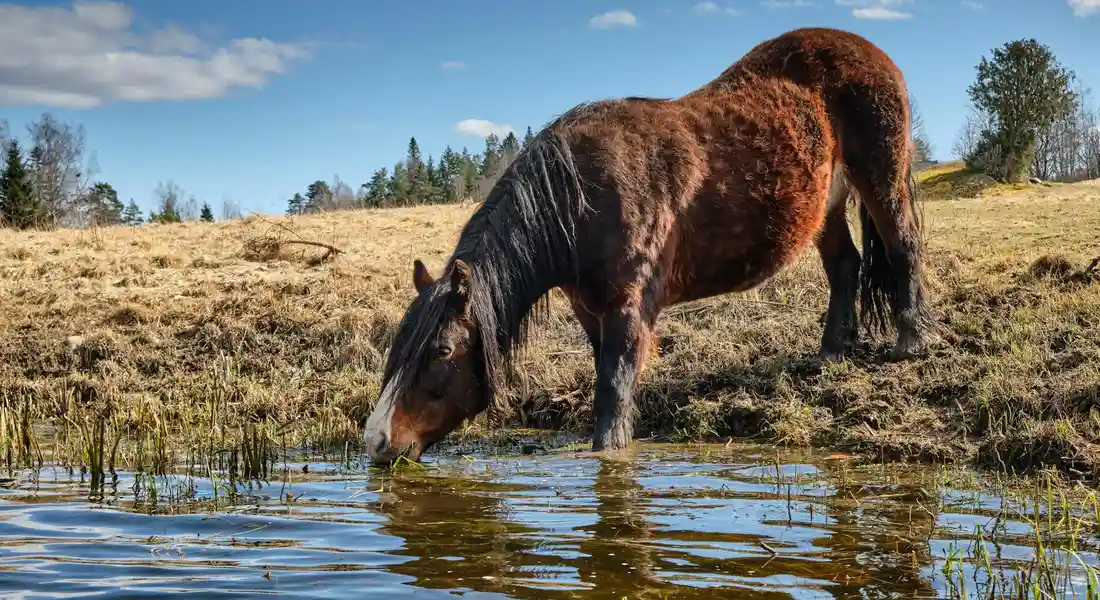
Managing hydration is less about crisis intervention and more about crafting a daily lifestyle that makes drinking easy and appealing for your horse. This proactive mindset is the heart of gentle horsemanship-anticipating needs before they become problems. In my years running the barn, the healthiest horses were always the ones whose basic needs for fresh water, forage, and movement were met without fuss, day in and day out. Keeping water readily available and appealing is essential to encourage water intake. Small daily practices—fresh water, clean bowls, and regular opportunities to drink—build a reliably hydrated horse.
Water Source Management
Your horse’s water is only as good as the container it’s in. A slimy bucket or a stagnant trough is a powerful deterrent. Scrub buckets and troughs at least twice a week with a stiff brush and plain water; a splash of vinegar can help dissolve mineral deposits without leaving harmful residues. Automatic waterers vs traditional buckets—which is better for your horse? I’ll cover that comparison in the next section. For automatic waterers, never assume they’re working. I make a point to press the float or check the level with my hand every single morning and evening during feeding.
Temperature matters year-round. In winter, break ice diligently or use a safe tank heater. I’ve seen horses tip-toe away from an icy drink. In summer, place troughs in shade if possible, as sun-warmed water loses its appeal. Develop an ear for the sound of health: the deep, rhythmic “glug, glug, glug” of a horse drinking its fill is one of the most reassuring sounds in the barn. Its absence is a quiet alarm bell—especially during the colder months when you need to make extra sure they’re getting enough water.
Diet and Turnout Strategies
What your horse eats and how it lives directly impacts its thirst. Ample turnout is a cornerstone. Movement stimulates gut motility and encourages trips to the water trough. A horse on 24/7 turnout with friends will often drink more naturally and frequently than a stalled horse relying on scheduled visits. My mare Luna, a spirited Thoroughbred, visibly drinks more on days she’s out moving and grazing versus standing in her stall.
You can also add moisture directly to their feed.
- Soak beet pulp for the recommended time-it becomes a hydrating, mash-like meal.
- Pour water over hay cubes or a handful of senior feed to create a “soup.”
- Always offer a plain white salt block free-choice. Salt triggers thirst, encouraging voluntary water consumption. Avoid mineralized blocks for this purpose, as the other flavors can deter some horses.
Finally, remember that all forage is not created equal. Dusty or stemmy hay can make a horse less inclined to drink; soaking hay for 15-30 minutes not only reduces dust but significantly increases water intake with every mouthful. It’s a simple, effective stable hack that supports both respiratory and digestive health in one go.
Frequently Asked Questions About Horse Dehydration Signs
How quickly can dehydration signs appear in horses?
Dehydration signs can develop rapidly, often within hours during extreme heat or after strenuous exercise. Subtle indicators like reduced energy or slight changes in manure may emerge over a day if water intake is consistently low. Early daily monitoring is essential to catch these shifts before they escalate into serious conditions.
Can young or old horses show different dehydration signs?
Yes, age influences how dehydration manifests, with foals and seniors being more vulnerable due to weaker regulatory systems. Older horses may display exaggerated lethargy or delayed skin elasticity recovery, while young horses might become fussy eaters or show sunken eyes faster. Tailoring care to age groups and seeking veterinary guidance ensures accurate assessment and response.
Are there any less common signs of dehydration that horse owners might miss?
Overlooked signs include subtle behavioral quirks like ignoring favorite treats or showing mild anxiety without obvious cause. These may signal underlying pain. Physical hints such as a slightly elevated heart rate or minor changes in sweat patterns can also precede classic symptoms. Consistently tracking your horse’s normal habits helps identify these nuanced warnings early for prompt intervention.
Your Hydration Checklist
Make the skin pinch test and checking gum capillary refill time your go-to daily checks. The fastest fix for a mildly dehydrated horse is always fresh, clean water and a soaked electrolyte mash, not just grain.
Building this habit takes time, but it builds a deeper bond with your horse. Their well-being is in the details, and noticing a subtle change is the heart of good horsemanship.
Further Reading & Sources
- Dehydration in Horses | PetMD
- Dehydration in Horses | Avonvale Equine Vet Practice
- Signs & Symptoms Of Dehydration | Horses | Horse Health
- Top 10 Signs of Dehydration in Horses [+ How to Prevent & Treat] | Mad Barn
At Horse and Hay, we are passionate about providing expert guidance on all aspects of horse care, from nutrition to wellness. Our team of equine specialists and veterinarians offer trusted advice on the best foods, supplements, and practices to keep your horse healthy and thriving. Whether you're a seasoned rider or new to equine care, we provide valuable insights into feeding, grooming, and overall well-being to ensure your horse lives its happiest, healthiest life.
Health