
Barn-Side Clues: How to Spot the Subtle Signs Your Horse is in Pain
Hello fellow equestrians. You notice your horse is just a bit “off”-maybe he’s touchy about his girth area or he’s not meeting you at the gate like usual. That gut feeling is often the first sign of a problem, and dismissing it can lead to bigger health issues, safety risks, and those stressful emergency vet bills.
Let’s tune into your horse’s quiet signals. This guide will help you become a detective of discomfort by breaking down three key areas:
- The tell-tale shifts in posture, gait, and muscle tension
- Subtle changes in eating habits, stall rest, and herd interaction
- Facial expressions and behavioral nuances that whisper, not shout
I’ve spent years in the barn aisles and training rings, learning that the softest signs often speak the loudest.
The Silent Conversation: Reading Pain in Your Horse’s Face and Head
Eyes and Ears: The Windows to Discomfort
Look past the long lashes. A pain-free horse has bright, curious eyes that softly follow your movement. Discomfort clouds that spark. I once missed the early signs with Luna; her normally alert gaze became distant and dull, like she was staring through me. Watch for eyes that are half-closed, squinting, or avoiding bright light-these aren’t signs of sleepiness but often a plea for relief. The skin around the eye might look tight or drawn.
Ears are your horse’s mood antennae. Constant, rapid swiveling can signal anxiety from underlying pain, not just interest. Asymmetry is a huge clue. One ear fixed stiffly to the side while the other moves? Pay attention. I learned this with Rusty on a trail ride; his left ear stayed pinned back while his right ear flicked forward, and it turned out he had a brewing tooth issue on that side.
Here’s a quick checklist for daily observation:
- Eyes: Are they clear and bright, or glassy and sunken?
- Eyelids: Is there excessive tearing or holding them partially shut?
- Ears: Are they mobile and independent, or stiff, pinned, or laid flat?
- Forehead: Is the muscle above the eye tense, creating a worried expression?
Muzzle, Nostrils, and Mouth: Tension Tells a Tale
The muzzle is a canvas of tension. A relaxed horse has a soft, droopy lower lip and loose nostrils that flutter gently with each breath. Pain paints a different picture. The nostrils may be held in a constant, tight flare even at rest. The upper lip can be drawn back, not in a flehmen response, but in a grimace. I check Pipin’s muzzle every morning; when it’s hard and tight instead of wobbly and soft, I know his cheeky escapades might have led to a headache from banging his poll on a stall door.
Watch them chew. A horse with dental or jaw pain will often tilt their head, drop grain, or pack hay into their cheeks. They might take a bite of carrot and then let it fall out-a classic sign something hurts. Their breath can also tell a story; a sour smell isn’t just about digestion but can point to mouth sores or infection.
Make this a part of your grooming routine:
- Run a hand down the bridge of the nose. Does the muscle feel like soft putty or hard rubber?
- Observe the nostrils. Are they symmetrical and relaxed, or thin and slit-like?
- Offer a favorite treat. Does your horse take it gently, or fumble and spill?
- Listen to the breath. Is it smooth and quiet, or is there a snort or sigh with no obvious cause?
Body Language and Posture: The Unspoken Indicators of Hurt
Spotting the Subtle Hitch: Gait and Weight Shifting
Lameness isn’t always a dramatic head bob. It starts as a micro-movement, a slight hesitation. Watch your horse on a firm, flat surface as they walk away and toward you. The key is in the weight shift. A sore limb will be unloaded quickly; the hoof might land toe-first or the shoulder will dip slightly. I’ve spent hours watching Rusty in the paddock; his subtle “hitch” on his left fore was just a quicker lift of that hoof, a sign his arthritic joint was bothering him that day. If that quick lift worries you, the next steps will guide you on how to tell if your horse is lame and what to do next.
Standing posture shouts what the mouth can’t. A horse resting a hind leg is normal, but constantly shifting weight off the same front leg is a red flag. Observe from the side: is their back hollowed or dipped? Are they standing “parked out” behind or camped under in front, trying to find a comfortable position? These are attempts to alleviate pressure somewhere in the body. For horses that must stand longer, learning to stand a long time comfortably can prevent strain. Small adjustments in footing, hoof care, and limb support can make that stance easier to hold.
Try this assessment during turnout:
- Walk: Look for a shortened stride or a slight drag of a toe.
- Turn: Does your horse pivot stiffly or refuse to bend one direction?
- Stand: Is weight evenly distributed on all four feet, or is one hoof constantly tipped?
- Lay down and get up: Is the process fluid, or is it accompanied by groans and labored effort?
Muscle Tension and the Reactive Horse: Palpation Basics
Your hands are diagnostic tools. Run them over your horse’s neck, back, and hindquarters with the flat of your hand, using gentle, consistent pressure. Healthy muscle feels like a ripe peach-firm but yielding. Painful muscle feels like a hard avocado or a knotted rope. Luna taught me this; a light pass over her loins made her skin twitch violently, a clear sign of soreness from a poorly fitting saddle. Always start with feather-light touches and watch for the tell-tale skin quiver, tail swish, or head turn that says, “That hurts.”
Palpation isn’t about digging for knots; it’s about listening to the body’s reflexes. Use a methodical approach:
- Begin at the poll, working down the neck with slow, sweeping motions.
- Move over the shoulders and along the back, following the muscle groups.
- Apply pressure no harder than you would to test a ripe tomato.
- Note any areas that feel rigid, bunched, or where the horse flinches, dips away, or pins ears.
This practice, combined with ample turnout for natural movement, is a cornerstone of gentle horsemanship. It allows you to catch issues like a sore girth area or a stiff stifle long before they become major problems. Remember, a reactive horse isn’t being naughty; they’re communicating in the only way they can.
Behavioral Shifts: When Your Horse’s Habits Change
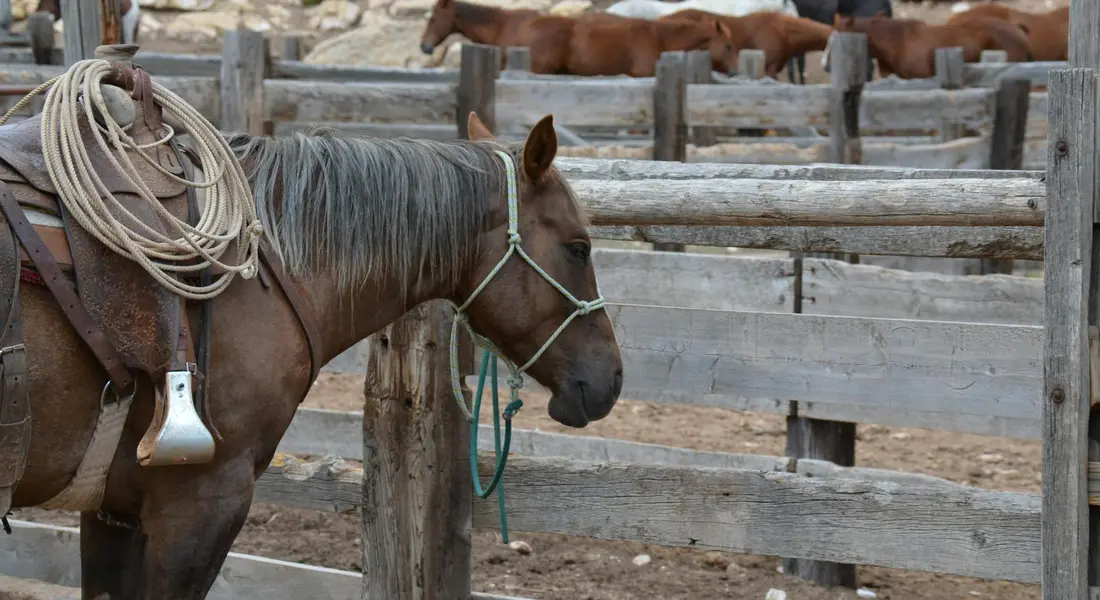
Horses are creatures of steady routine, and the first murmur of pain often comes as a change in their daily rhythm. I’ve learned that the most reliable early warning system isn’t in a vet kit, but in my own observation of their normal habits—knowing when to call the vet is crucial for their care.
Appetite, Attitude, and Social Standing
Start with the dinner plate. A horse who usually dives into his feed but now stares at it or only picks at his hay is sending a signal. I remember Rusty, my dependable Quarter Horse, leaving his evening grain half-finished-a sure sign his teeth needed attention. A shift in appetite is a foundational clue that something is amiss internally or mechanically.
Attitude is your next read. A normally agreeable horse who becomes pin-eared and snappy, or a spirited one who turns dull and withdrawn, is communicating discomfort. Sudden personality changes are rarely just a ‘bad mood’; they are often a pain response.
Watch the herd dynamics at turnout. A horse in pain will often self-isolate, standing at the fringe instead of engaging. Choosing solitude over social grooming is a significant behavioral red flag that demands a closer look.
- Appetite Clues: Slow chewing, dropping wads of hay (quidding), or a suddenly messy water bucket from dunking sore lips.
- Attitude Tells: Unexplained irritability when cinched, deep sighing while resting, or a general ‘checked-out’ expression.
- Social Signals: Getting bullied at the hay pile, refusing to move with the herd, or standing parked in a corner for hours.
Early Warning Signs of Abdominal Pain (Colic)
Colic rarely starts with dramatic rolling; it begins with subtle unrest. The earliest sign is often a distracted, anxious look in the eye, accompanied by a glance back at the flank. Catching that first fleeting look at their side can buy you precious time to intervene.
They may paw in a deliberate, rhythmic way, different from impatient stomping. I’ve seen Pipin, our food-motivated pony, stop mid-treat to paw softly at the ground before a mild gas episode. That repetitive, focused pawing is a horse’s attempt to self-soothe abdominal distress. Understanding this behavior can help provide appropriate solutions.
Other quiet signs include repeatedly lying down and getting up, curling the upper lip without smelling anything, or developing small sweat patches behind the elbows. Your horse’s gut health is directly tied to movement and forage, so any colic sign is an urgent nudge to assess their turnout and diet.
- Monitor for reduced or absent gut sounds when you press your ear to their barrel.
- Count how many times they look at their flank in a ten-minute period.
- Check for stretching out as if to urinate, but not producing urine.
- Note any sudden disinterest in fresh, tasty hay-their most tempting forage.
Pain in Action: Signs During Handling, Grooming, and Riding
The moment your hands touch your horse, you begin a pain detection exam. Daily grooming and tacking are your best opportunities to find sore spots before they become injuries.
The Tacky Situation: Discomfort with Grooming and Saddling
A happy horse leans into a good curry. One in pain will flinch, tighten their skin, or even swing their head around. A sensitive area over the withers or loin often points to saddle fit issues. That subtle twitch under the brush is a direct line to a muscle cramp or a pinched nerve.
During saddling, watch for hollowing of the back, biting at the air, or holding their breath as the girth is snugged. Luna, my Thoroughbred, once developed a habit of stomping her hind foot when cinched, which traced back to a sore back muscle. Interpreting cinchiness as pain, not disobedience, is a cornerstone of gentle horsemanship.
- Resists pressure from the hoof pick, especially around the sole or frog.
- Swishes tail violently during girthing, even on a loose cinch.
- Shies away when you try to place the saddle pad on their back.
- Shows white around the eyes when you brush the girth area.
Under Saddle: When Performance Issues Point to Pain
What looks like a training regression is often a pain progression. A horse that refuses familiar fences, bucks at the canter transition, or struggles with simple lateral moves is likely hurting. Always default to the assumption that resistance is information, not insolence.
Feel for asymmetry. Is one lead consistently stiff? Does your horse brace against one rein? Do they rush away from the mounting block? Uneven performance is a glaring signpost pointing to discomfort, often in the feet, back, or mouth.
Listen to the sounds, too. Grunting on take-off over a jump or an audible groan when collecting are vocal clues. The creak of leather and the thud of hooves should be rhythmic; any break in that rhythm warrants investigation.
During Farrier and Vet Visits
These professionals see your horse in a state of imposed stillness, which can magnify signs of pain. A horse that cannot stand quietly for the farrier, constantly snatching its foot back, may have issues higher up the leg. Inability to bear weight on three legs comfortably often indicates pain beyond the hoof.
During vet exams, note reactions to joint flexion tests or palpation along the spine. Even a stoic horse will often flick an ear or tighten their jaw when a sore spot is pressed. Your vet’s skilled hands can find what your eyes might miss, but only if you’ve shared your observations of subtle changes.
I always hold my horses for these visits, as my calm presence can keep them steady. Building a partnership based on trust ensures your horse feels safe enough to show, not hide, their discomfort during necessary care. A strong bond with your horse grows trust over time, making care feel collaborative. When you prioritize bonding, your horse learns to look to you for guidance and safety.
Building Your Pain Detection Routine: Daily Monitoring for Every Owner
Building a consistent check-in habit is your best defense against hidden discomfort. Think of it not as a chore, but as a daily chat with your horse, where you learn to read the quiet language of their body and spirit. I weave this into my barn mornings, right after filling water buckets, when the light is soft and the horses are still settling from night turnout.
The Daily “Once-Over”: A Step-by-Step Visual Check
This visual scan is your first line of defense. Perform it at the same time each day, preferably when your horse is undisturbed in the stall or paddock, to establish a reliable baseline. Here is my method, honed from countless mornings with everyone from sensitive Luna to sturdy Rusty.
-
Start ten feet back. Observe their stance: is weight evenly distributed on all four legs, or is one hoof tipped forward, taking a break? A horse resting a hind leg is normal, but constantly pointed front feet can signal shoulder or hoof pain.
-
Watch the ribcage breathe. Normal respiration is smooth and steady; hitched, shallow, or overly forceful breaths are a red flag. I once spotted colic in Pipin by noticing the tight, rapid flutter of his belly.
-
Check the eyes and ears. Eyes should be soft, with no tight tension at the corners, and ears should flick independently toward sounds. A fixed, glazed stare or pinned ears held rigidly back often speaks of inner distress, not just mood.
-
Scan the ground around them. Look for scattered hay they’ve dropped uneaten, or an unusual amount of manure in one spot indicating restlessness. A change in dining habits is one of the clearest whispers something is wrong.
Knowing Normal: Vital Signs and Baseline Behavior
You cannot spot the abnormal until you deeply know normal. This goes beyond numbers to include the unique quirks that make your horse an individual. For instance, Luna always nickers for breakfast, while Rusty waits quietly; if their routines swap, I investigate.
Commit these average vital signs to memory, but always measure your own horse at rest to find their personal baseline.
| Vital Sign | Normal Range | Quick Check Method |
|---|---|---|
| Heart Rate | 28-44 beats per minute | Feel for pulse under jaw or behind elbow; count for 15 seconds, multiply by 4. |
| Respiration | 8-16 breaths per minute | Watch flank rise and fall; one inhale + exhale equals one breath. |
| Temperature | 99-101°F (37.2-38.3°C) | Use a digital thermometer lubricated and inserted gently into the rectum. |
Behavior is your most telling data point. Note how long your horse dozes in the sun, their favorite scratching post, and how they greet herd mates — a social horse who suddenly isolates themselves, or a calm soul who becomes cage-walking, is broadcasting a problem. Keep an eye out for signs of distress or illness, and learn how to differentiate healthy from unhealthy herd behaviors in horses.
When to Act: From Observation to Action
Observation is useless without timely action. Trust your gut-if something feels off, it probably is, even if you can’t pinpoint why. I’ve learned that a quiet horse is sometimes a bigger concern than a vocal one.
Take immediate action and call your vet if you notice any of the following:
-
Persistent refusal to eat or drink, especially if it lasts more than a few hours. This is the cardinal rule: no horse skips meals without a compelling reason.
-
Signs of colic: repeated looking at the flank, pawing, lying down and getting up frequently, or rolling aggressively. Time is tissue with gut pain; never wait to see if it “passes.”
-
Any acute lameness, or a wound deep enough to see bone, tendon, or that won’t stop bleeding with direct pressure.
For subtler signs, your action plan might be monitoring and a management change. If Pipin is unusually quiet after a new hay delivery, I might check for dental issues or offer a soaked mash. Adjusting turnout time, checking tack fit, or simply providing a quiet stall can often resolve minor discomforts before they escalate.
Frequently Asked Questions: Recognizing Subtle Signs of Equine Pain
How does a horse’s tail carriage and movement relate to pain?
A horse’s tail can serve as a direct indicator of discomfort through its carriage and motion. A tail held stiffly or clamped tightly against the body often signals pain, such as in the hindquarters or during colic episodes. Conversely, excessive swishing or wringing of the tail when flies aren’t present may point to irritation or soreness in the back or pelvic region.
How can a horse’s respiratory rate or pattern signal pain?
Alterations in breathing patterns can reveal hidden pain, even without obvious distress. A horse may exhibit rapid, shallow breaths or an irregular rhythm, such as hitched inhalations, when experiencing discomfort from sources like musculoskeletal issues or internal pain. Monitoring for these subtle changes during rest can help differentiate pain from normal exertion or environmental factors. Being aware of these signs helps identify and manage respiratory issues in horses. Early recognition can guide timely intervention and care.
What are the signs of pain in older horses versus younger horses?
Older horses often display pain through gradual changes like increased stiffness, reluctance to move, or difficulty with activities they once managed easily, such as rising from rest. Younger horses may show more acute behavioral signs, such as sudden irritability, resistance during training, or playful behaviors diminishing due to discomfort. Recognizing these age-specific cues allows for targeted care, from joint support in seniors to thorough evaluations for growth-related issues in juveniles.
Your Quietest Horse Might Need You Most
The most reliable sign is a change from your horse’s normal behavior or routine-a dip in performance, a new reluctance, or a shift in how they stand or move. Start by making a habit of noticing the small stuff: the swish of a tail at a certain girth touch, a brief hesitation before a fence, or how they shift weight in the crossties. Catching these subtle cues early can be crucial.
Building this awareness takes time, so be patient with yourself as you learn your horse’s unique language. Your willingness to listen, even when they whisper, is the foundation of true partnership and care. By talking with your horse and learning to read their signals, you start building better communication. Over time, their responses become clearer, deepening trust and partnership.
Further Reading & Sources
- Signs of Pain in Horses | Oregon Veterinary Medical Association
- Is My Horse In Pain? Signs, Management, and Treatment | PetMD
- April Newsletter: 5 Signs Your Horse May Be in Pain | Veterinarian in Harrisonburg, Virginia | Harrisonburg Animal Hospital
- Is My Horse In Pain? – Complete Guide to Equine Pain Assessment | Mad Barn
At Horse and Hay, we are passionate about providing expert guidance on all aspects of horse care, from nutrition to wellness. Our team of equine specialists and veterinarians offer trusted advice on the best foods, supplements, and practices to keep your horse healthy and thriving. Whether you're a seasoned rider or new to equine care, we provide valuable insights into feeding, grooming, and overall well-being to ensure your horse lives its happiest, healthiest life.
Health