
How to Talk to Horses and Understand Them: Building Better Communication
Hello fellow equestrians! Does it ever feel like your horse is speaking a foreign language you just can’t decipher? That frustration when Rusty balks at a puddle or Luna tenses at a flapping tarp isn’t just annoying-it’s a communication gap that impacts safety and trust.
Let’s fix that. In this article, I’ll break down how to build a two-way conversation with your horse. We’ll cover:
- Reading the subtle, silent signals in their ears, eyes, and posture.
- How your own energy and tone speak louder than words.
- Practical steps to build a foundation of mutual respect and understanding.
I’ve spent countless hours in the barn as a manager and trainer, learning from clever ponies like Pipin and sensitive souls like Luna that true partnership starts with listening.
Understanding Equine Body Language: The Foundation
Horses converse through posture and movement more than vocal sounds. To understand them, you must learn to read this physical dialect. You can tell if your horse is happy by watching for simple cues like ear position, soft eyes, and a relaxed stance. This awareness helps you respond properly and strengthen the bond. Mastering equine body language is the cornerstone of safety and trust, preventing mishaps before they happen.
| Body Part | Signal | Emotion or State |
|---|---|---|
| Ears | Pricked forward | Alert, curious, focused |
| Ears | Pinned flat back | Irritated, angry, defensive |
| Ears | Flopped to the side | Relaxed, sleepy, content |
| Eyes | Soft, half-closed | Calm, trusting, at ease |
| Eyes | Wide with white showing | Anxious, scared, alarmed |
| Tail | Gentle, rhythmic swish | Content or swatting flies |
| Tail | Clamped tightly down | Nervous, submissive, or in pain |
| Tail | High and flagged | Excited, energetic, or alarmed |
| Head Carriage | Lowered to ground level | Grazing, relaxed, resting |
| Head Carriage | High and tense | Alert, anxious, ready to flee |
I once misread Luna’s tension before a storm, thinking she was just being stubborn. Her pinned ears and stiff posture were a clear flight response to the dropping barometric pressure, a warning I ignored until the first thunderclap. Spotting these signals early is your best defense against a spook or bolt.
The Meaning Behind Ears, Eyes, and Tail
Ears are your horse’s primary radar. Their position gives real-time feedback on focus and mood. Pricked ears point toward interest like a person turning to listen, while pinned ears are a clear ‘back off’ similar to a human scowl.
- Pricked and forward: Engaged and curious.
- Pinned back: Agitated, angry, or in pain.
- Flopped loosely: Deeply relaxed or drowsy.
Eyes soften when a horse feels safe. You will see a gentle droop. When the whites flash, it is a stark sign of fear, much like our own eyes widening in surprise.
Tail talk is often about context. A lazy swish usually means contentment or fly control. A tail clamped tight signals fear or submission, and a high, waving tail mirrors human fidgeting during excitement or anxiety.
Whole-Body Signals: From Relaxation to Alarm
A calm horse has a lowered head, a rested hind leg, and loose muscles. You might hear a deep sigh. That sigh is a true marker of release, like us sinking into a sofa after a long day.
Alarm looks different. The head snaps up. The neck tenses. The body coils. Nostrils flare with sharp snorts. These innate signals underscore why daily turnout is vital; a horse needs room to express this full range of behavior, which reduces stable-born stress and keeps their mind healthy.
- Relaxed: Weight on one hind leg, slack lips, slow blinking.
- Alert: Tense muscles, high head, fixed ears, still tail.
- Anxious: Pacing, sweating at rest, repeated calling.
Your Voice and Hands: Practical Verbal and Nonverbal Cues
Your voice is a steady anchor. Tone and consistency trump specific words every time. Use a calm, even voice to settle nerves and a brighter tone for immediate praise, separating work from reward. I use my own breath as a tool; a long, slow exhale often cues Luna to mirror me and drop her anxiety.
Your hands communicate through touch and pressure. A firm pat affirms good work. A gentle stroke can soothe. Always practice gentle pressure followed by instant release-this teaches your horse that cooperation brings comfort, not confusion. Grooming touch can deepen your connection with your horse. It turns routine care into calm, mutual understanding.
Speaking in a Way Your Horse Hears
Keep verbal cues simple. Pair them with actions so the meaning sticks. Shouting only heightens tension, similar to adding noise to a already chaotic room.
- A soft, drawn-out “Whoa” for stopping. Think of it as a vocal brake.
- A clear click or kiss sound to ask for forward movement. It is a green light.
- A soothing “Easy” to encourage calm. Use a lullaby tone.
- A warm “Good boy” or “Good girl” for instant positive feedback.
The Language of Touch and Pressure
Lead rope and halter pressure should be a polite request, not a fight. Teaching a horse to yield to light pressure builds trust. Rough handling creates resistance, while gentle guidance builds a willing partner.
Follow these steps to teach yielding from light pressure:
- Apply gentle, steady pressure on the lead rope in one direction.
- Wait for the slightest give-a head turn or weight shift.
- The moment you feel it, release all pressure completely.
- Repeat until the horse moves willingly from a feather-light cue.
This method rewards the horse for listening. My Shetland pony Pipin taught me that patience with light pressure works faster than any frustrated tug on the lead.
Groundwork: The Conversation of Movement and Space
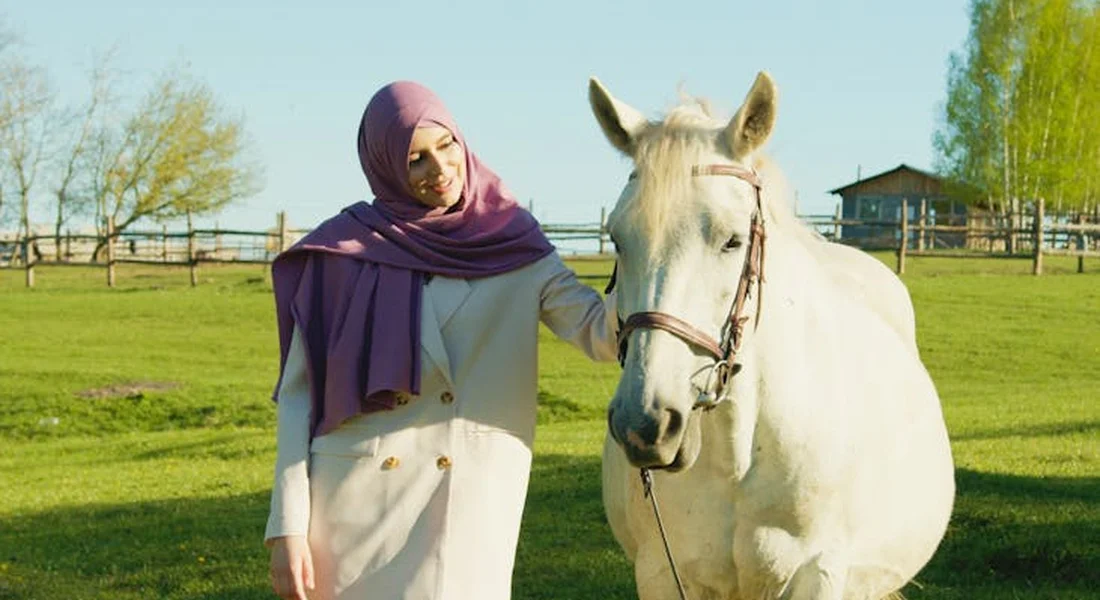
Think of groundwork as your primary language with your horse, a dialogue spoken through pressure, release, and spatial awareness. It’s where you establish the rules of grammar for your entire relationship. Simple exercises turn you from a passive handler into a clear communicator. I start every new partnership with groundwork, and it’s transformed troublemakers into willing partners. Focus on exercises that ask for controlled movement, like yielding the hindquarters, backing up politely, and calm circle work at the walk and trot. These actions teach your horse to listen to your subtle cues instead of just reacting to their environment.
- Yielding the Hindquarters: Asking the horse to cross its back legs, disengaging its power and encouraging focus on you.
- Backing Up: A fundamental cue for respect and personal space.
- Circle Work: Maintaining a consistent gait and distance on a lunge line or at liberty builds attentiveness.
- Lateral Flexion: Gently asking the horse to give its head to the side, promoting softness and relaxation.
Consistency is your best tool here. Keep sessions short, about ten to fifteen minutes, and always end the moment your horse tries correctly. My pony Pipin was a master of distracted mischief until we began daily groundwork; those five minutes of focused exercise dramatically improved his ability to concentrate and reduced his clever escapes. It channels their mental energy into a positive conversation with you.
Exercises to Build Respect and Attention
-
Step 1: Teaching the “Back” Cue for Personal Space. Start standing face-to-face with your horse. Apply light, rhythmic pressure to their chest with your fingertips, not a shove. The instant they shift their weight back or take a single step, release all pressure and stroke their neck. This teaches that moving away from pressure is the correct answer. You’re building a polite bubble of space around you. That same principle—moving away from pressure—forms the foundation of teaching your horse basic ground manners. With consistent, gentle handling, this groundwork leads to safer, calmer interactions on the ground.
-
Step 2: Leading with Softness, Not Pulling. Your goal is for the horse to follow the feel of the lead rope, not be dragged by it. Hold the rope with slack. Walk forward, and if they lag, give a gentle, distinct tug-and-release, not a steady pull. When they catch up, instantly soften. If they rush ahead, use your “back” cue. The release of pressure is their reward for finding the right position.
-
Step 3: Yield the Hindquarters to Disengage Power. Standing at your horse’s shoulder, face their hind end. Apply light pressure with your hand or a dressage whip behind the girth area. Ask them to step their inside hind leg across in front of the other. This disengages their engine and encourages them to focus on you. It’s a priceless tool for calming a nervous or pushy horse.
Reading Your Horse’s Responses During Work
Your horse is talking back during every exercise. Learning their dialect prevents frustration. Signs of understanding and relaxation include a soft, blinking eye, a lowered head, licking and chewing, or a deep sigh. These are gold stars; they mean your horse is processing and accepting the lesson. Confusion or stress looks different: head tossing, pinned ears, swishing the tail aggressively, or trying to walk away from the pressure. If you see this, make the exercise easier until they can succeed. Always quit while you’re ahead. Ending on one good, soft try builds more trust than drilling a tired animal for perfection. Understanding how horses learn helps trainers recognize these signs early and respond appropriately.
Decoding Sounds and Sensory Cues
Body language is your primary text, but sounds provide the emotional footnote. A horse’s vocalizations are context-dependent, giving color to what you see. Their world is also built on smell and sound, which they use to assess safety long before we notice anything. My old gelding Rusty has a specific, low rumble of a nicker he uses only when I’m shaking the grain bucket, a different sound from his greeting nicker when I just walk into the barn. This naturally ties into the bigger question: do horses understand our sounds and vocal cues? And can they use their own vocalizations to signal their needs or reactions? Paying attention to these details helps you understand their emotional state beyond the obvious.
What That Whinny or Nicker Really Means
- The Nicker: A low, throaty vibration. This is typically a greeting or a call for attention. A soft nicker when you approach the stall is “Hello, friend.” The more insistent, food-motivated nicker is often accompanied by pacing.
- The Whinny: A high-pitched, carrying call. This is a long-distance communication. A horse in the pasture might whinny to locate a buddy who’s been taken out. A frantic stall whinny often signals anxiety or separation distress.
- The Snort: A forceful blast of air through the nostrils. A single, sharp snort often means “Alert! What’s that?” as they assess a potential threat. Multiple, softer snorts while trail riding can indicate a release of tension-they’ve decided something isn’t scary after all.
Environmental Awareness and Your Horse’s Comfort Zone
Horses are prey animals wired to notice the flicker of a plastic bag or the creak of a new gate. Their flight response is triggered by novel sights and sounds. You build trust by managing this environment. Introduce scary objects using the approach and retreat method: walk toward the object until your horse shows concern (ears forward, tense body), then retreat before they panic, rewarding the calmness. Repeat until they can approach and sniff it. This respects their fear instead of forcing confrontation. A low-stress handling routine, where they learn your movements and sounds are predictable, quietly expands their comfort zone day by day. Understanding common horse fears and skittish behavior helps you anticipate reactions and tailor your approach to managing anxiety. These insights set the stage for the practical resources you’ll encounter in the next steps.
Safety and Calmness: Managing the Flight Response
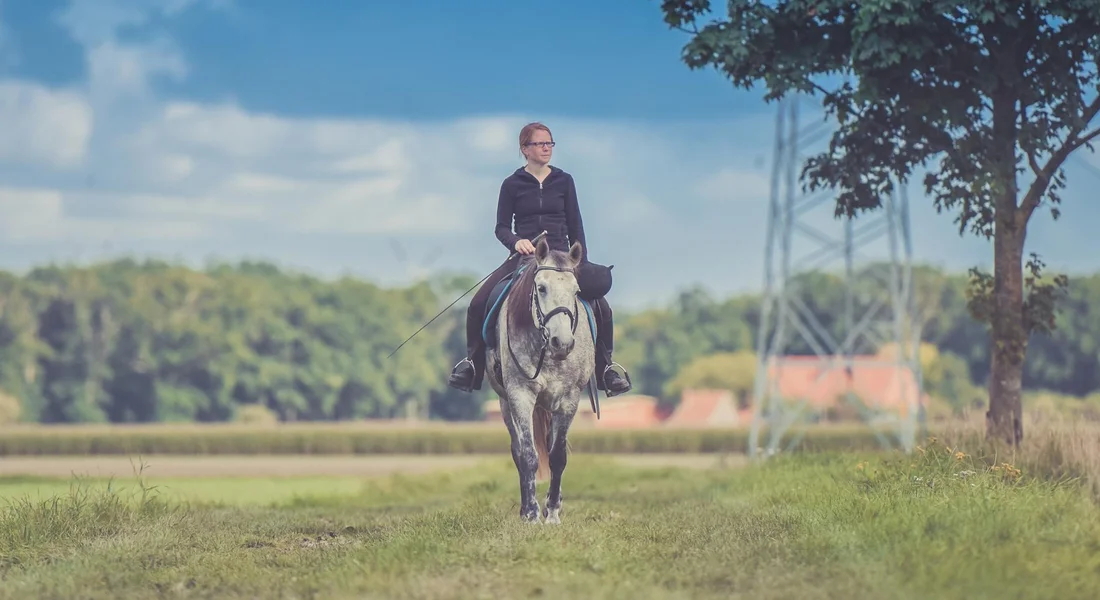
Preventing accidents begins with reading your horse’s fear before it boils over. Their flight instinct is wired for survival, but you can manage it by spotting anxiety early. Your own calm demeanor is your best tool-horses mirror human energy, so a steady breath from you can lower a horse’s pulse. I always take a moment to center myself before handling Luna; my relaxed posture tells her she’s safe.
Patience always beats force. Move with purpose, not haste. A hurried approach tells a horse something is wrong. With Rusty, I use slow, predictable motions when he’s eyeing a puddle-it keeps his trust intact and his feet planted.
Recognizing and Diffusing Anxiety
Watch for these physical signs that worry is building:
- Pacing or circling in the confinement of a stall
- Vocalizing with sharp whinnies or constant snorting
- Trembling through the flanks or shoulders
- Swiveling ears rapidly or showing the whites of the eyes
- Excessive sweating on a cool day
When you see these, follow this three-step reset:
- Pause everything. Freeze your own body to stop adding stimulus.
- Assess the stall or paddock. Find the trigger-a plastic bag, a strange sound.
- Respond with quiet reassurance. Speak in a low, melodic tone and avoid sudden reaches.
Never underestimate the power of turnout. Daily freedom in a pasture lets a horse shake off nervous energy naturally, which is why I prioritize it even in busy weeks-it’s non-negotiable for equine welfare.
Your Body Language as a Calming Signal
Adjust your posture to send messages of peace. Here’s how:
- Use slow, fluid movements. Think of pouring honey, not snapping a whip.
- Soft en your gaze. Avoid locking eyes directly; glance at the shoulder or neck instead.
- Angle your body sideways. Presenting your profile appears less threatening than a full frontal stance.
My favorite barn hack involves getting small. When Pipin gets jittery, I squat down to his level, which often curiosity overcomes his fear and he’ll amble over to sniff my hat. This simple act mimics how horses investigate the world-cautiously and from a lower vantage point.
Building a Bond Beyond the Basics

Deep connection grows in the spaces between lessons and rides. Trust is built in daily, gentle interactions, not just in structured work, so make time for aimless togetherness. The smell of fresh hay and the sound of content chewing can be the glue in your relationship.
Focus on activities with no performance pressure. Hand-grazing in a sunny corner or simply sitting in the stall while your horse dozes counts as communication. I often spend quiet afternoons with Luna, just resting a hand on her withers; it tells her I’m not always there to make demands.
Everyday Rituals for Trust Building
Weave these four rituals into your routine:
- Rhythmic grooming sessions: Use long, sweeping brush strokes along the grain of the coat. The repetition is meditative for both of you.
- Hand-walking exploration: Meander around the property, letting your horse stop and sniff. It builds shared curiosity.
- Shared quiet time: Sit on a bucket in the paddock with a book. Your calm presence becomes a positive anchor.
- Scratch favorite spots: Find that itchy place behind the ears or at the base of the tail. It’s a language of care they understand instantly.
These small acts create a bank of good will. Rusty now meets me at the gate because he associates me with leisurely strolls and good scratches, not just trail rides.
When Communication Breaks Down: Problem-Solving Tips
Hits like spooking or balking are common. Use this framework to find the fix:
- Rule out pain immediately. Check for tight girths, sore backs, or dental issues. A sudden refusal is often a plea for help.
- Check for confusion. Did your cue conflict? Simplify. Ask for one clear thing, like yielding a single hoof.
- Return to simple groundwork. Practice leading with a loose rope or backing up three steps. Reestablish the basics in a calm, familiar space.
Always choose gentle horsemanship. If a problem persists, seek a professional who advocates for the horse. Calling in a skilled trainer isn’t a failure-it’s a commitment to your horse’s well-being and your shared language.
Frequently Asked Questions About Horse Communication
What does “talk to horsepower calculator” mean?
The phrase is unrelated to equine communication and refers to calculating engine power. A horsepower calculator is a tool used in automotive or mechanical contexts. It has no application in understanding or bonding with your horse.
How do I “talk to horse rdr2 pc” in the game?
This refers to the video game *Red Dead Redemption 2*. In the PC version, you typically soothe or command your in-game horse using a specific key bind. This is a gameplay mechanic and does not translate to real-life horse communication techniques discussed in this article.
Where is the “walk to horseshoe bend” located?
Horseshoe Bend is a famous scenic overlook of the Colorado River in Arizona, USA. The phrase describes a hike to this geographical landmark. It is not related to the practical, daily groundwork or trust-building exercises you do with an actual horse.
A Partner, Not a Puzzle
Focus on the clear signals in your horse’s body language-the flick of an ear, the tension in a neck-and match them with your own consistent, gentle cues. True understanding blooms when you treat every interaction as a two-way conversation, respecting the “no” as much as the “yes.”
Give yourself and your horse the gift of time; trust is built in quiet moments, not forced in single sessions. This is how you build a strong bond and trust your horse. The deepest bond comes from hearing the story your horse tells with every shift of weight and sigh, making you both safer and more connected.
Further Reading & Sources
- How do Horses Communicate?
- How do Horses Communicate with Humans? – Animal Cognition
- WHAT IS HORSE COMMUNICATION, Dutch Henry
- Horse Body Language: How To Read It And Understand It
At Horse and Hay, we are passionate about providing expert guidance on all aspects of horse care, from nutrition to wellness. Our team of equine specialists and veterinarians offer trusted advice on the best foods, supplements, and practices to keep your horse healthy and thriving. Whether you're a seasoned rider or new to equine care, we provide valuable insights into feeding, grooming, and overall well-being to ensure your horse lives its happiest, healthiest life.
Behavior