
Liberty Horse Training: A Step-by-Step Guide to Rope-Free Bonding
Hello fellow stable hands. You picture that perfect partnership where your horse moves with you, freely and willingly, but the reality of trying it without a rope feels daunting, like inviting chaos into your round pen. That knot in your stomach about safety or wasting time on a confused animal is completely valid-I’ve felt it too, especially with clever ponies like Pipin who see an untethered handler as a new game.
This guide will walk you through a safe, logical path to liberty. We will start with the non-negotiable foundation of trust built during daily care and turnout. You will learn to read and use your own body language with the clarity of a whispered cue. We will break down progressive exercises, from simple follow-me to complex patterns. Critical safety protocols for you and your horse are woven throughout every step. Finally, we will tackle common hiccups, from lack of engagement to that sudden spook at a birdsong.
My methods are honed from years in the barn aisle, building trust with sensitive thoroughbreds like Luna and teaching reliable old souls like Rusty that working freely is the best kind of job.
What is Liberty Work and Why It Matters
Defining Freedom Training
Liberty work is the practice of engaging with your horse without any ropes, halters, or saddles. It’s conversation, not command. I started with Luna, my sensitive Thoroughbred, because even a light lead rope made her brace. Without tack, we learned to speak through posture and energy alone. This method reveals the raw truth of your relationship, built on invitation rather than insistence.
Imagine the soft thud of hooves on dirt as your horse mirrors your movements by choice. It’s not about dominance; it’s about dialogue. True liberty occurs when your horse stays with you purely because they want to.
Core Benefits for Horse and Handler
Both you and your horse gain profound skills from this practice. The benefits are tangible and transformative.
- For Your Horse: Develops confidence, encourages critical thinking, and enhances spatial awareness.
- For You: Sharpens your timing, deepens your empathy, and fosters a silent, powerful bond.
My old trail horse, Rusty, became more attentive and willing off-trail after we introduced liberty games. This work replaces pressure with partnership, turning obedience into offered effort.
Physical and Mental Advantages
Let’s look at the specific advantages for your horse’s well-being.
- Physical Perks: Unrestricted movement improves muscle tone, flexibility, and balance. It allows for natural carriage without tack interference.
- Mental Boons: Provides essential mental stimulation, reducing stall vices and anxiety. Pipin, our Shetland, stopped testing fence lines when his clever mind was engaged in liberty puzzles. A mentally challenged horse is a content horse, and that is a cornerstone of equine welfare.
I’ve watched horses find a rhythmic, relaxed cadence in their stride after liberty training. It promotes physical soundness and mental peace in equal measure, which is why I advocate for it as part of a balanced turn-out lifestyle.
Laying the Groundwork: Safety and Mindset
Creating a Secure Training Space
Your arena is your first responsibility. It must be a safe, enclosed area free of hazards. After Pipin’s great escape, I learned to walk every inch of the pen first. Check for loose boards, hidden holes, and uneven footing. A secure space prevents injuries and tells your horse it’s okay to focus on you, not potential dangers. Beyond safety, a safe, enriching environment supports your horse’s learning and calm focus. I’ll show you how to create this in the next steps.
I prefer a round pen about 50 feet across with solid walls. The contained space helps maintain connection without feeling restrictive. Invest in good fencing; it’s the silent guardian of your liberty work.
Reading Equine Body Language
Your success hinges on reading the subtle signals. Watch the flick of an ear, the softness of an eye, the tension in a muzzle. When Luna licks her lips, I know she’s processing. When Rusty sighs deeply, I know he’s relaxed. Misreading these cues is the fastest way to break trust, so study them like your favorite book.
Here is a quick guide to essential signals:
- Engaged and Willing: Soft, blinking eyes, ears pointed toward you, a lowered and relaxed neck.
- Anxious or Resistant: Head high, whites of eyes showing, pinned ears, stiff or rapid tail swishes.
Spend quiet time observing your horse in the pasture. Notice the herd dynamics. The language they use with each other is the same one you must learn for liberty. This awareness lays the groundwork for understanding horse herd dynamics and social enrichment.
Handler Preparation and Patience
You are the leader. Enter the space with calm, focused energy. I always take a moment to shake off my day’s stress before working with a horse. Horses feel our frustration or hurry. Your emotional state is the weather system for your training session. A calm, assertive leader guides an anxious horse with confidence. When you bring steady calm, your anxious horse settles and trusts the process.
Start with brief, positive sessions. Five minutes of quality connection beats an hour of confusion. If you hit a wall, end on a simple success and try again tomorrow. Patience isn’t just waiting; it’s maintaining a constructive attitude while your horse learns.
Keep your expectations fluid. Some days, just standing quietly together is a win. Liberty work teaches you humility and rewards consistency, which are the bedrock of gentle horsemanship.
Essential Liberty Training Principles
Mutual Respect and Trust-Building
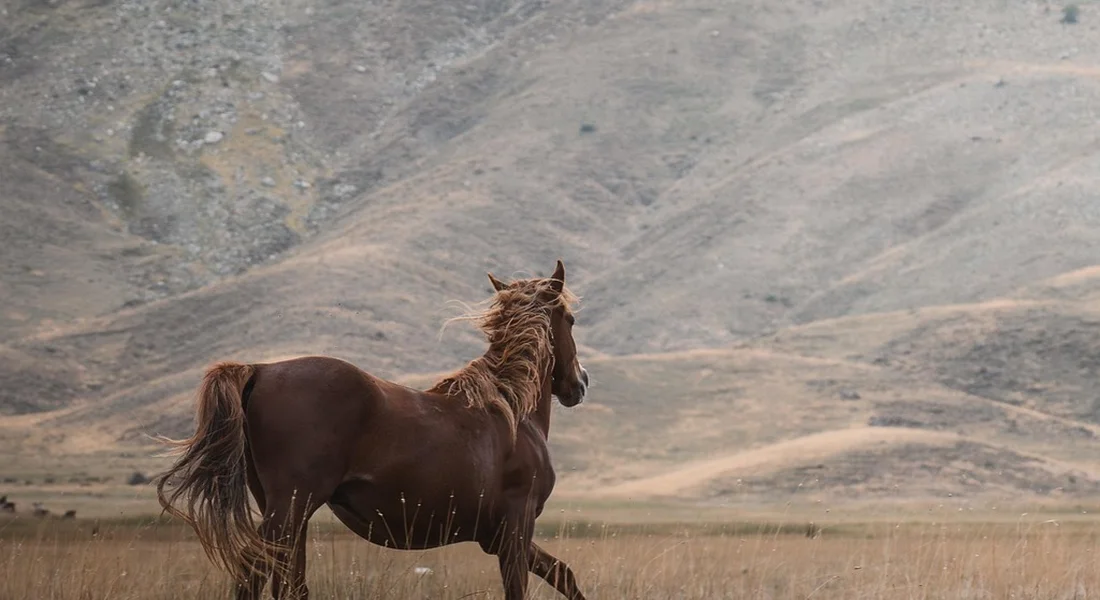
Liberty starts not in the round pen, but in daily interactions. It’s the patience you show when your horse spooks at a plastic bag, and the trust you earn by never forcing a fearful moment. I learned this with Luna, my dapple grey Thoroughbred. Her sensitivity meant that pushing her only made her flee, but waiting for her to offer a soft blink and lowered head built a partnership. Your horse must see you as a safe harbor, not a source of pressure, which is why ample turnout time for them to just be a horse is non-negotiable for a calm, willing mind. This respect is a two-way street; you listen to their “no,” and they learn to hear your gentle ask.
Spend time just being present with your horse, halter-free. Sit on a bucket while they graze, or gently scratch their withers. Watch how they move and breathe. With Rusty, our steady Quarter Horse, these quiet sessions deepened our connection more than any structured drill. Trust is the invisible halter that never needs tightening, and it’s built in the silent minutes, not just the active training hours.
Clear Communication Through Energy
At liberty, your body is your primary tool. This isn’t about wild gestures, but the subtle language of posture and intention. Think of how a lead mare moves the herd with a look and a shift of her weight. Your energy-calm, direct, or retreating-becomes your cue. Liberty work taught me to breathe with my horse, using an exhale to release tension and a square, confident stance to ask for movement. It’s the difference between chasing your horse and drawing them to you.
Practice by simply walking with your horse in a paddock. Match their stride, then gradually change your tempo and direction. Notice how they react. It’s how you learn to talk with your horse and understand their signals. That understanding builds better communication between you. With clever Pipin, I found that a sudden step toward his shoulder asked him to yield, while a relaxed step back invited him in. The creak of leather is gone, replaced by the thud of hooves in sync with your own footsteps-that’s the heartbeat of true communication.
Consistency and Reward-Based Methods
Horses thrive on predictable cause and effect. If a soft look earns a reward one day but is ignored the next, you’re speaking a confusing language. I use a clear marker, like a click or a specific word (“yes!”), followed immediately by a reward. Timing is everything: the reward must come within seconds of the desired behavior so your horse makes the correct connection. For Pipin, the ultimate food critic, this meant finding a treat he loved but wouldn’t mug me for.
Consistency also means knowing when to stop. End on a good note, even if it’s a small win. With high-energy Luna, a single successful pivot followed by a rest and a scratch was far more valuable than a frustrating ten-minute session. Reward the try, not just the perfect execution, and you’ll build a horse that offers behaviors willingly instead of waiting for correction. Keep your sessions short, sweet, and predictable.
First Steps: Foundational Exercises
Building Attention with Target Training
Target training is your gateway drug to liberty work. It gives your horse a simple, clear job: touch this thing. You can use a traffic cone, a lid, or even your hand. This exercise builds focus and gives you a way to politely ask your horse to move their feet without any physical pressure. It’s the first lesson in following a suggestion, not a demand.
Step-by-Step Target Introduction
- Choose a distinct target object and a high-value reward. For Rusty, apple slices in a pouch worked perfectly.
- In a safe, enclosed area, simply hold the target near your horse’s nose. The moment they investigate it with a sniff or a nudge, mark the behavior (click or say “yes!”) and give a treat.
- Repeat until they reliably touch the target. Then, start moving it slightly-to the left, to the right, lower to the ground. Mark and reward each successful touch to build their confidence in following the target.
- Gradually increase the distance they must take a step or two to reach it. If they lose interest, make it easier and end successfully.
Remember, the target is the magnet, not your body. This teaches them to follow an external cue, which is foundational for all future liberty maneuvers.
Teaching Basic Movement Cues
Once you have their attention, you can start shaping how they move. These are the ABCs of liberty: yielding, pivoting, and disengaging the hindquarters. Mastering these gives you the vocabulary to
direct your horse’s entire body with subtlety and grace.
Yielding, Pivots, and Disengages
Start with yielding, which is simply asking your horse to move a body part away from gentle pressure.
- Front-End Yield: Stand facing your horse’s shoulder. Use your body energy (a step forward, a pointed finger) to ask them to step back or sideways. The instant they shift their weight, soften your posture and reward. Luna learned this meant “please give me space,” which helped her manage her sensitivity.
- Hindquarter Disengage: This is a safety staple. Stand at your horse’s side, near their ribcage. Apply light energy toward their hip. You want them to cross their hind legs, pivoting the rear end away. A smooth disengage shows your horse is listening to your energy and can move their feet calmly under control.
- Pivot on the Forehand: The opposite movement. Ask the hindquarters to step around the front legs, which are planted. Use a target near their hip to guide them in a circle.
Establishing Rhythm and Tempo
Liberty isn’t just about where the horse goes, but how they go. This is about dancing together. Start at a walk. Match your horse’s rhythm, then use your own energy to ask for a slightly faster walk or a slower one. I practice this by walking a large circle with my horse, using the rise and fall of my own shoulders to communicate a change in pace. If they rush, I slow my own movement and breathe deeply; if they lag, I add a bit more spring to my step.
With Pipin, I used the rhythm of my claps to set a tempo for his trot in the round pen. The consistency of the sound gave him a beat to follow. Finding a shared rhythm transforms work into play, and it’s in that playful state that the most brilliant liberty partnerships are forged.
Progressing to Fluency: Advanced Liberty Moves
Combining Cues for Sequences
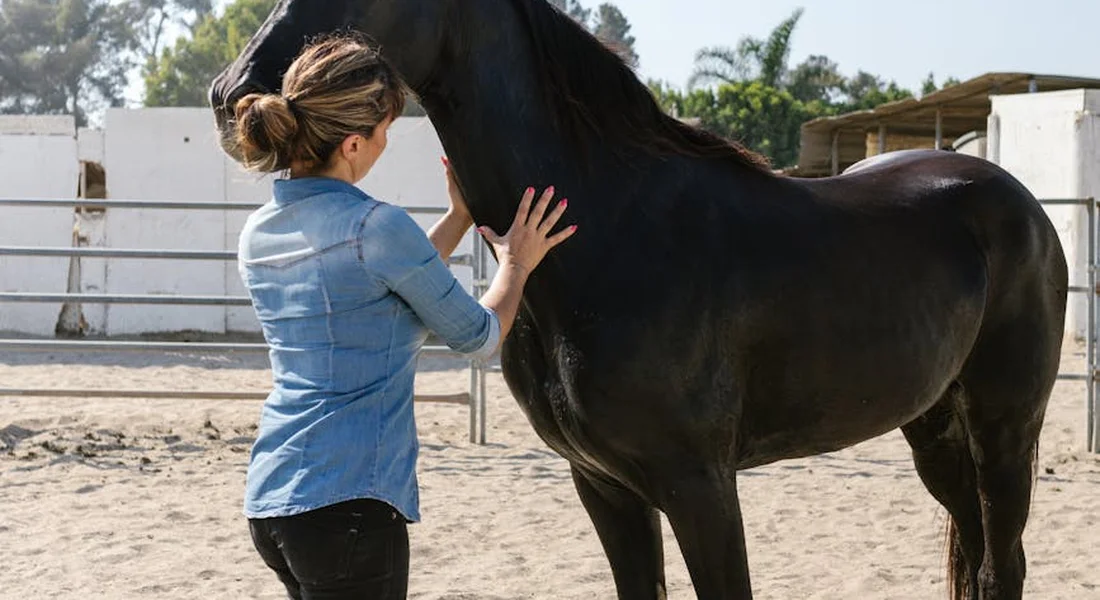
Think of teaching sequences like stringing words into a sentence. You start with individual cues your horse knows-like “walk on,” “halt,” and “turn”-and you link them with smooth transitions. I practice this with Rusty in our round pen; we’ll move from a walk to a trot, then into a simple turn, all without a single rope. The key is to release pressure the moment your horse offers the correct response, then immediately ask for the next move, building a chain of communication. Keep sessions short to avoid mental fatigue, and always end on a positive note, even if you only complete half your planned sequence.
Start with two cues, like asking for a backward step followed by a head lowering. Use your body position and energy clearly. If Luna gets ahead of me, I’ll soften my posture and reset, rather than pushing through the confusion. Break complex sequences into smaller chunks, rewarding each successful link before adding more. This methodical approach builds confidence for both of you, turning isolated tricks into a graceful dialogue.
Developing Balance and Coordination
Liberty work reveals how a horse carries itself without the influence of tack. Exercises that ask for lateral movement or controlled stops build essential muscle and proprioception. I use gentle torso rotations and pointed gestures to ask Pipin for a side-pass, which improves his coordination and makes him think. Observe your horse’s footfalls closely; you’re not just directing movement, you’re teaching their body to move with greater awareness and ease.
Create simple patterns, like figure-eights or small circles, to develop symmetry. A horse like Luna, who can be tense, benefits immensely from this as it channels her energy into focused, balancing acts. Always advocate for equine welfare by ensuring your footing is secure and the session doesn’t overtax muscles still building strength. Turnout time before a session lets them shake out the sillies, so they’re more prepared to engage their brains and bodies.
Incorporating Play and Liberty Games
Liberty shouldn’t feel like drill work. Introduce play to keep your horse’s mind bright and willing. I’ll often kick a light ball or drag a soft tarp for Rusty to follow, turning training into a game. Use your horse’s natural curiosity and personality; for a food-motivated pony like Pipin, hiding a few low-starch treats in a traffic cone can encourage playful investigation and movement. The thud of hooves and snorts of excitement are signs you’re on the right track.
Try a simple “follow the leader” game where you change directions and speeds, rewarding your horse for staying with you. This reinforces the bond and teaches them to watch you for cues without any restraint. Are fun, engaging games a good way to bond with your horse? They’re often a reliable path to stronger rapport. Play builds joy into your routine, making your horse an active participant who wants to stay in your space. Remember, a horse at play is a horse learning trust.
Troubleshooting Common Liberty Training Challenges
Addressing Avoidance or Lack of Participation
When a horse tunes out or walks away, it’s a message, not defiance. I’ve seen Luna do this when she’s unsure or the ask is too hard. First, check your basics: is your horse in pain, tired, or simply needing more turnout time to be mentally present? Gentle horsemanship means listening to these signals. Reset by asking for something simple they know well, like a target touch, and reward lavishly.
Sometimes the environment is the issue. Too many distractions, like fresh hay in the neighboring stall, can steal focus. Move to a quieter, familiar space and reduce your asks to rebuild engagement and show your horse that participating is rewarding. Keep your energy calm and inviting, not demanding.
Managing a Horse That Leaves Without Permission
A horse that consistently breaks away is testing the conversation. My cheeky Pipin used to make a game of trotting off to the gate. Instead of chasing him, I’d use his movement by asking him to circle back to me, turning his escape into a controlled exercise. This teaches that leaving doesn’t end the session; reconnecting with you does. Use your body language to block the exit gently and draw them back in with a soft cue or a welcoming hand.
Ensure your foundation is solid. Have you proofed the “draw” or “come” cue reliably in a smaller area? Practice in a confined space like a round pen before moving to a larger field, so the boundaries are clearer for your horse. Consistency here is everything-if you let them leave sometimes but not others, you’re sending mixed signals.
Correcting Misinterpreted Cues and Energy Mismatches
Miscommunications happen when our energy doesn’t match our intent. If you ask for a trot with tense, hurried body language, a sensitive horse like Luna might bolt or freeze. When a cue is misunderstood, stop, take a deep breath, and break the request down into smaller, clearer pieces. I often go back to pure body language drills, moving my own feet deliberately to mirror what I want from the horse.
Watch for patterns. Does your horse always rush when you step forward? That’s a clue your pressure is too strong. Adjust your energy to be softer and more patient, ensuring your cues are distinct and your releases are timely. The creak of leather isn’t there to guide them, so your clarity must come from your posture and presence. It’s a dance, and sometimes you lead, sometimes you follow. That calm, steady energy also helps when a horse bucks or is stressed. It’s the approach that can help stop bucking and calm a nervous horse.
Tools of the Trade: Equipment for Liberty Work
Target Sticks and Clickers for Positive Reinforcement
The sharp click of a device followed by a crinkle of a treat bag is a sound of success in my barn. Target sticks and clickers are not gimmicks; they are communication tools that translate your desires into a language your horse understands with crystal clarity. I started using a simple foam ball on a stick with Luna, my sensitive Thoroughbred, to ask her to move her hindquarters away without any physical pressure.
Here is how to begin:
- Charge the clicker by clicking and immediately giving a treat, repeating until your horse perks up at the sound.
- Present the target stick, and click-treat for any investigation, like a nose touch.
- Slowly move the target to guide simple movements, always marking the correct effort with a click.
This method builds a “yes!” signal into your training. Positive reinforcement respects the horse’s mind, making learning a puzzle they want to solve rather than a command they must obey. You will see their enthusiasm grow with each session.
Ethical Use of Training Whips as Extensions
Let’s be clear: a training whip in liberty work is not for swatting. It is an extension of your arm, a gentle pointer. An ethical whip is a feather-light tool for guiding energy and drawing attention, never for instilling fear. I keep a short, dressage-style whip when working with Rusty in the round pen to subtly direct his shoulders from a distance.
Use it correctly by following these guidelines:
- Always point or tap the air or ground near the horse, never make contact with their body.
- Use it to draw shapes or lines in the sand that your horse can follow.
- If your horse shows any sign of anxiety, drop the tool and return to basic trust exercises.
The moment it feels like a threat, you have lost the liberty foundation. Your body language does the real work; the whip is merely a quiet assistant for refining cues. It should help you communicate, not compel.
Minimalist Tools for Halterless Training
True liberty often means the only tools are you, your horse, and a safe space. Minimalist training relies on environmental aids like cones, poles, and even just the fence line to create boundaries and shapes for your horse to navigate. I use traffic cones to teach Pipin to circle around me without a rope, turning the area into a playful obstacle course.
Everyday items can become powerful training aids:
- PVC poles on the ground define lanes for walking or stopping.
- A barrel can be a target for sending your horse to or backing from.
- Simply using different surfaces, like the crunch of gravel versus soft dirt, teaches mindful movement.
The goal is to think creatively with what you have. This approach fosters problem-solving and independence in your horse, strengthening their confidence without any gear on their head. The less we rely on equipment, the more we listen to what the horse is telling us.
Cultivating a Deeper Bond Through Liberty

Strengthening the Horse-Human Relationship
Liberty work strips away the hardware and leaves only the relationship, built on the soft thud of hooves choosing to stay near you. When you remove the halter, you remove the leverage, and every interaction becomes a conscious choice from your horse. I have spent afternoons in the paddock with Rusty, simply walking together with no agenda, and the mutual respect that grows from those sessions is tangible.
This bond strengthens through consistent, clear communication. Start with these simple exercises:
- Mirroring: Walk at liberty in a safe enclosure and change your pace; reward your horse when they match you.
- Approach and retreat: Invite your horse to you with a gentle gesture, then turn away if they come, making your space rewarding.
- Shared grazing time, where you simply exist together, reinforces companionship without demands.
The heart of liberty is realizing your horse is not a prisoner to your requests but a partner in the dance. You learn to read the flick of an ear or a shift in weight as their answer to your question.
Long-Term Trust and Confidence Building
The trust forged at liberty does not vanish when you pick up a lead rope. It becomes the foundation for everything else. Long-term liberty training builds a horse that is confident, curious, and resilient because they have learned to think with you, not just react. I have seen Luna, who used to spook at her own shadow, become steadier after months of choice-based work.
This confidence translates to all aspects of care and riding. Consider these lasting benefits:
- Veterinary and farrier visits become easier, as your horse is accustomed to cooperative handling.
- Trail riding gains a new layer of safety, with a horse that checks in with you voluntarily.
- It champions equine welfare by satisfying their need for mental stimulation and autonomy, reducing stable vices.
Commit to regular, short liberty sessions alongside ample turnout time. A horse that spends hours grazing and moving freely is a mentally balanced partner, ready to connect when you enter the field. This journey is not a training program but a lifelong conversation that deepens with every shared, tack-free moment.
FAQ: How to Train Your Horse for Liberty Work (No Ropes or Tack)
What is the best way for a beginner to start liberty horse training?
The very best way to begin is by dedicating time to building attention and trust outside of formal sessions. Start with simple target training to give your horse a clear, positive job that builds focus without pressure. Always keep initial sessions very short, ending on a successful note to cultivate your horse’s willingness and curiosity for the next time. This approach also builds a strong bond and trust with your horse. With that trust, future training becomes smoother and more cooperative.
What essential liberty horse training equipment do I actually need?
At its purest, you need no equipment beyond a safe enclosed space and high-value rewards like treats. Useful tools for clear communication include a target stick for guiding movement and a clicker for precise positive reinforcement. Remember, tools like a training whip are used only as an ethical extension of your arm to point or direct energy, never to make contact or induce fear.
How can I find good liberty horse training videos or clinics near me?
Search online using specific terms like “positive reinforcement liberty training” or “force-free horsemanship clinics” to find trainers whose philosophy aligns with ethical, choice-based methods. Review video previews or clinic curricula carefully to ensure they emphasize reading horse body language and building trust over performing tricks. Connecting with local ethical training communities on social media can also provide trustworthy personal recommendations for nearby resources.
When the Lead Rope Drops
Begin all liberty work in a secure, familiar space, translating the clear language of groundwork into unobstructed movement. Your ultimate goal is a confident, offering partner, so reward the smallest try and never force a interaction.
Invest your time in observation and patience, not perfection, and always prioritize a calm environment over a flashy result. The deepest trust is built when you quiet your own agenda and truly hear what your horse is telling you with every step and sigh.
Further Reading & Sources
- LIBERTY TRAINING IS A MYTH – Good Horsemanship
- r/Equestrian on Reddit: How/where can I learn liberty training?
- Liberty Training – YouTube
- Classes
At Horse and Hay, we are passionate about providing expert guidance on all aspects of horse care, from nutrition to wellness. Our team of equine specialists and veterinarians offer trusted advice on the best foods, supplements, and practices to keep your horse healthy and thriving. Whether you're a seasoned rider or new to equine care, we provide valuable insights into feeding, grooming, and overall well-being to ensure your horse lives its happiest, healthiest life.
Behavior