
First-Time Horse Owner? Avoid These 10 Costly Mistakes to Save Your Wallet and Your Sanity
Hello fellow equestrians. That sinking feeling when a surprise vet bill arrives or your new horse develops a baffling behavior is all too real. You’re not just worrying about money; you’re worrying about your partner’s well-being.
After years in the saddle and managing a barn, I’ve seen the same expensive errors happen time and again. This guide will help you steer clear of them by focusing on key areas like:
- Overlooking the details of proper hoof care and nutrition
- Compromising on daily turnout and social time for your horse
- Falling for flashy tack that doesn’t actually fit your horse’s body
- Missing the early warning signs of common health issues
My own time with horses like the clever pony Pipin and the sensitive Luna has taught me how to prevent these pitfalls through practical, gentle horsemanship.
The 10 Costly Mistakes: A Quick Scan for Busy Owners
- Buying a horse that doesn’t suit your experience drains your wallet and risks your safety.
- Skipping the pre-purchase exam can saddle you with thousands in hidden veterinary bills.
- Poor feed management leads to weight loss, colic, and expensive emergency calls.
- Neglected hooves cause lameness, requiring costly corrective shoeing or long-term rehab.
- Unexpected vet emergencies can cost more than your horse’s purchase price without a savings fund.
- Dental problems prevent proper chewing, wasting feed and causing pain that requires sedation to fix.
- Inadequate turnout stresses horses, leading to stall vices and injury risks that increase care costs.
- Ill-fitting tack creates sore backs and mouths, demanding chiropractic visits and new equipment.
- Ignoring behavioral issues often escalates into dangerous habits that require professional training.
- Lacking insurance leaves you fully liable for theft, mortality, or third-party injury claims.
Mistake 1 & 2: The Purchase Pitfalls
Choosing a horse with your heart instead of your head is the fastest way to drain your bank account. I’ve watched new owners buy a project horse when they needed a teacher. The wrong match means constant training bills, potential injury, and the gut-wrenching cost of reselling a horse that never settled in. Your lifestyle matters just as much as your skill level; a high-energy horse needs a job, not just weekend visits. Choosing the right horse for your experience level and lifestyle is essential. When the match fits your routine and goals, training costs stay realistic and progress comes naturally.
Skipping the pre-purchase veterinary exam feels like saving money until the first major lameness appears. That upfront $500 could prevent a $5,000 surgery down the road. A thorough vet check reveals soundness issues, old injuries, or chronic conditions that become your financial burden the moment the bill of sale is signed. I consider it non-negotiable, like checking the foundation before buying a house.
Step-by-Step Guide to a Responsible Purchase
- Write down your actual riding goals and available hours per week for care and exercise.
- Seek a horse whose known history aligns with your list-a calm trail horse like Rusty for beginners, not a sensitive athlete like Luna.
- Arrange a pre-purchase exam with an independent vet of your choosing, not the seller’s.
- Be present for the exam and ask questions; listen for the creak of a joint or a subtle hesitation in stride.
- Factor in immediate costs: transport, initial vet visit, and proper tack fitting before you say yes.
I remember a boarder who fell for a gorgeous, hot-blooded mare without the experience to handle her. Within weeks, they were spending on calming aids, extra training sessions, and patching fences after escapes, a clear lesson that the initial price tag is the smallest part of horse ownership. The mare now thrives with a competitive rider, and the owner started over with a steadier gelding, wiser but poorer for the rush.
Mistake 3 & 4: The Budget Black Hole
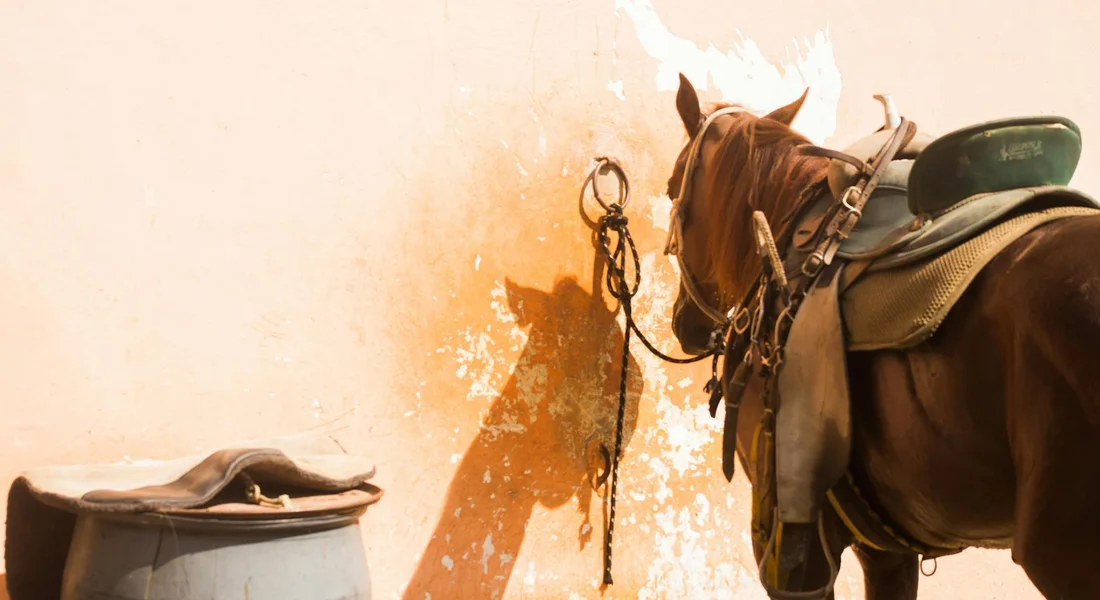
That initial purchase price is just the entry fee. The real financial commitment starts the moment your horse walks off the trailer. I learned this the hard way with Luna; her sleek Thoroughbred frame needed a special diet and more frequent farrier visits than my old gelding Rusty. You must budget for the monthly essentials, or you’ll find yourself choosing between your horse’s comfort and your bank account. Let’s break down the true costs that sneak up on you.
Boarding is your largest fixed cost, but don’t just shop for the cheapest stall. A facility with safe fencing, good turnout, and a clean water source is worth every extra penny. Hay quality directly impacts health; dusty, moldy bales are a fast track to respiratory issues and poor condition. Feed costs vary wildly; a laid-back pony like Pipin might only need a vitamin supplement, while a performance horse requires balanced grains. The farrier isn’t optional-think of those visits as mandatory tire rotations for your living vehicle. Insurance for major medical or mortality can be a lifesaver, financially and emotionally.
Underbudgeting forces awful choices: skipping a farrier visit to save cash, which leads to a lameness issue costing ten times more. I’ve seen owners go into debt or, worse, compromise their horse’s care because they didn’t run the real numbers. It starts with cheap hay and ends with a colic surgery bill.
| Expense | Estimated Monthly Cost (Average) | Notes |
|---|---|---|
| Full Board | $400 – $800 | Varies by region and amenities. Pasture board is often cheaper. |
| Hay (if self-care) | $150 – $300 | Based on 1-2 bales per day. Price spikes in winter. |
| Feed & Supplements | $50 – $200 | Start with a forage-based diet; add grain only if needed. |
| Farrier (Every 6-8 weeks) | $80 – $150 per visit | Budget ~$100 monthly. Shoes cost more than trims. |
| Insurance | $50 – $150 | Major medical alone is more affordable. |
| Emergency Fund | $100 – $200 | Non-negotiable. Set aside cash for the unexpected. |
Your saddle, trailer, and even brushes lose value and wear out. Plan for depreciation and ongoing maintenance by setting aside a small “equipment fund” each month-it beats a shocking replacement cost later. That cracked leather didn’t happen overnight.
Mistake 5, 6 & 7: Neglecting the Prevention Trio
Hoof care, dental work, and proper nutrition are the unholy trinity of prevention. Ignore one, and the others falter. I spend my mornings listening to the steady thud of hooves on hardpack, a sound that tells me more about health than any thermometer.
Hoof Care: Your Foundation
Improper hoof care is a slow-motion disaster. Long toes, cracked walls, or thrush aren’t just cosmetic; they alter biomechanics, leading to tendon strain, navicular disease, and chronic lameness. A simple $50 trim every six weeks is cheaper than a $3,000 laminitis treatment and months of rehab. I check Pipin’s feet daily because his pony cleverness hides pain until it’s severe.
Dental Care: The Hidden Saboteur
Horses’ teeth constantly erupt and wear down, forming sharp points that cut their cheeks and tongue. This makes chewing painful, so they drop half their hay, lose weight, and swallow food poorly, which leads to impaction colic. Regular dental floats are essential to prevent these problems from developing. They help keep chewing comfortable and weight stable. An annual float by an equine dentist or vet prevents misery you might not see until your horse is skinny and colicking. Luna’s sensitive nature meant her dental pain made her head-shy under saddle-a problem solved with a routine check.
Nutrition: More Than Just Bagged Feed
Poor nutrition often starts with bad hay. Musty smell, excessive dust, or heat in the bale means throw it out. Feeding incorrect grain types or amounts based on gossip, not your horse’s actual workload and body condition, undermines everything. Good nutrition is simple: prioritize forage, supplement wisely, and always provide clean, fresh water. Rusty maintains his perfect weight on grass hay and a ration balancer, no fancy grains needed.
Here is your preventive-care checklist. Post it on your tack room door.
| Care Item | Frequency | Key Action |
|---|---|---|
| Hoof Pick & Inspection | Daily | Clean feet, check for rocks, heat, or unusual odor. |
| Farrier Visit | Every 6-8 weeks | Trim or shoe. Discuss any gait changes. |
| Dental Exam & Float | Annually (or as vet advises) | Essential for all ages, especially seniors over 15. |
| Body Condition Scoring | Monthly | Use the 1-9 scale. Adjust feed to maintain a score of 5. |
| Hay & Feed Review | With each new batch | Smell and visually inspect hay. Recalculate feed amounts if workload changes. |
| Vaccinations & Deworming | As per vet protocol | Tailor to your region and horse’s risk factors. |
This schedule is your blueprint for avoiding catastrophic bills. Consistency in these small acts is the heart of gentle, responsible horsemanship. The smell of fresh hay and the sight of a content, healthy horse are your best rewards.
Mistake 8: Infrastructure & Tack Oversights
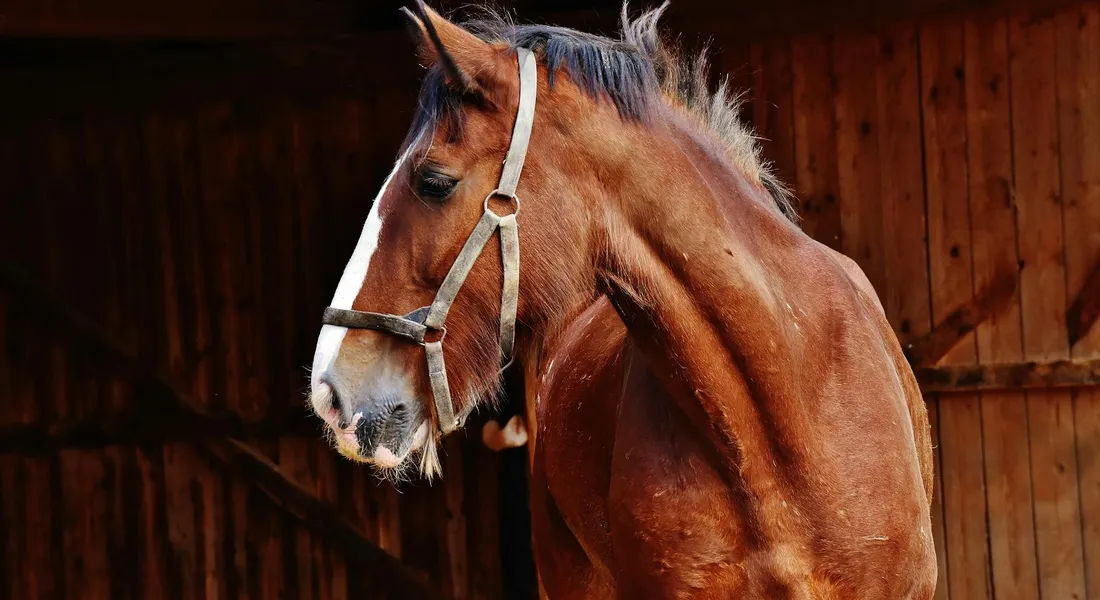
The barn and your tack room are not just storage spaces; they are the foundation of your horse’s daily safety. I learned this the hard way with Pipin, our Shetland Pony. A single loose board on a seemingly solid fence became his personal exit strategy, leading to a heart-pounding hour of chasing him away from the road. Inadequate fencing isn’t an inconvenience; it’s an invitation for a traumatic injury or a tragic loss.
This same “good enough” mentality often spills over into tack purchases. That online bargain for a saddle can cost you thousands in vet bills for a sore-backed horse. Cheap leather cracks, brittle stitching snaps, and ill-fitting trees create pressure points you can’t see until your horse acts out. Your tack is the primary interface between you and your horse, and discomfort here breeds resentment and dangerous behavior under saddle.
Pasture & Turnout Safety Checklist
Walk your perimeter weekly. Run your hands along posts and rails. Make it a ritual, like morning coffee.
- Inspect all fencing for loose boards, protruding nails, or broken wires.
- Check gates for secure latches that a clever muzzle can’t undo.
- Remove any debris, old machinery, or random buckets that could cause a panic.
- Ensure shelter is available, with a dry, clean area to stand.
- Confirm water tanks are clean, full, and free of ice or algae.
- Scan for toxic plants like ragwort, yew, or oleander, and remove them.
Ensuring Proper Saddle & Bridle Fit
A saddle must fit both you and your horse. A qualified fitter is a wise investment. Until then, follow these steps.
- Check the Tree: Without a pad, place the saddle on your horse’s back. There should be clear channel along the spine, with no pressure anywhere along the withers or loins.
- Assess Panel Contact: Slide your hand under the panels. You want even pressure from front to back, not bridging in the middle or rocking at the front.
- Watch for Movement: Do a girthing check. Tighten gradually, and watch as your horse walks. The saddle should sit still, not slide forward or back.
- Bridle Comfort: The browband shouldn’t pinch the ears. The noseband should allow two fingers to slide underneath easily. The bit should sit comfortably at the corners of the lips, not pulling them tight or banging teeth.
Listen to your horse. A sudden resistance to being groomed, girthed, or a swishing tail under saddle are often their only ways to say, “This hurts.”
Mistake 9: Skipping Education for Horse and Human
Owning a horse is a partnership, and both partners need to speak the same language. Expecting a green rider to train a green horse is a blueprint for frustration and fear. I see this often with sensitive types like Luna; without consistent, educated handling, their natural energy spirals into anxiety. A lack of training isn’t saving money; it’s prepaying for future vet or farrier bills with interest in the form of accidents.
Hiring a professional trainer is not a luxury for the elite. It is the single wisest investment you can make in your own safety and your horse’s well-being. They translate equine behavior, prevent small issues from becoming dangerous habits, and build your confidence. Think of trainer costs as insurance for your partnership and your physical well-being.
Common Training Mistakes That Lead to Trouble
These shortcuts create problems that professionals then have to fix.
- Rushing Groundwork: Skipping basic respect and pressure-release on the ground leads to pulling, dragging, and getting stepped on.
- Inconsistent Cues: Nagging with your legs or hands teaches the horse to ignore you, forcing you to get louder and harsher.
- Ignoring Fear Responses: Punishing a spook or nervousness confirms the horse’s fear. You must train through it, not against it.
- Over-Facing: Asking for too much, too soon, physically or mentally, breaks down trust and risks injury.
Schedule regular lessons for yourself, even if it’s just twice a month. A good trainer will school you both, providing objective feedback you can’t see from the saddle. This ongoing education builds a safe, trusting dialogue between you and your horse, turning chore time into cherished partnership. The thud of hooves moving in sync with your cues is a feeling earned through patience and knowledge. Do horses learn through conditioning? When done with thoughtful conditioning, horses build understanding and trust.
Mistake 10 & Beyond: No Plan for the Unexpected
You’ve budgeted for feed, farrier visits, and board. The predictable costs are lined up. Then, at 2 a.m. on a Tuesday, you get the call. Your horse is down, sweating, and rolling. The vet’s emergency fee alone is more than your saddle. This moment separates the prepared from the panicked, and your horse’s welfare depends entirely on which side of that line you stand. That’s why every responsible owner builds an emergency fund for the unexpected. A small, regular contribution can cover those sudden veterinary bills without derailing your budget.
The “Oh-Crap” Fund is Non-Negotiable
I learned this lesson with Luna, my sensitive Thoroughbred. A simple case of gas colic turned into a three-day vigil with fluids, medication, and constant monitoring. The bill was staggering. Your emergency fund isn’t for new tack; it’s a medical lifeline, and I recommend a minimum of $3,000-$5,000 that you never touch for anything else. Start with whatever you can, even $50 a month. The peace of mind is cheaper than any loan you’ll scramble for in a crisis.
Insurance: Not Just for the Catastrophic
Many new owners see insurance as an optional extra. I see it as a critical part of responsible ownership. You have two main types to consider:
- Mortality/Major Medical: This is for the big, terrible things. If your horse needs a $15,000 surgery or, heaven forbid, passes away, this policy helps you survive financially. It makes heartbreaking decisions about care about medicine, not money.
- Liability: This is even more crucial. If your horse kicks a visitor, damages a trailer, or causes an accident, you are financially responsible. Liability coverage protects your personal assets from being wiped out by a single unpredictable moment.
If you’re wondering, does horse liability insurance protect me, that’s a good question to explore as you compare options. It can shield your personal assets if a horse-related incident leads to a claim or lawsuit.
The Ghosts in the Budget: Long-Term Logistics
We dream of daily rides, but we forget about the getting-there. Two hidden costs creep up on everyone. Creating a sinking fund for vet emergencies can turn unpredictable bills into manageable monthly planning. Starting one now can help you save steadily and ensure care is available when your horse needs it most.
- Transportation: A routine vet trip can cost $100 in hauling fees. An emergency haul to a surgical center? Easily over $500. If you don’t own a trailer, factor this into your monthly “what-if” fund.
- The Retirement Fund: Horses like my old guy Rusty, now 12, will one day be 25. They’ll need care but won’t be earning their keep. Starting a separate savings stream now for your horse’s golden years is the ultimate act of love and responsibility. It guarantees they have a soft landing when their working days are done.
Your Action Plan Starts Today
Thinking about it won’t build the fund. Doing this will:
- Open a separate, high-yield savings account and name it after your horse. Automate a transfer every payday.
- Get three insurance quotes this week. Compare coverage, not just price.
- Review your monthly budget. Find one “want” (like that coffee habit) and redirect it to your horse’s emergency fund.
The true cost of horse ownership isn’t measured in monthly bills, but in your readiness for the storm that will eventually, inevitably, come. Being prepared is the deepest form of gentle horsemanship.
Frequently Asked Questions: The 10 Most Costly Mistakes First-Time Horse Owners Make
How does inadequate budgeting lead to financial strain?
Inadequate budgeting forces owners to make harmful cost-cutting decisions on essentials like quality feed and regular farrier care. This creates a vicious cycle where saving small amounts upfront leads to major, preventable health crises like colic or lameness. The resulting emergency veterinary bills often far exceed the original “savings,” pushing owners into serious debt.
How can poor nutrition increase ownership costs?
Poor nutrition, from low-quality hay or incorrect grain portions, directly causes preventable conditions like weight loss, metabolic disorders, and impaction colic. Treating these issues requires expensive veterinary diagnostics, specialized supplements, and emergency care. Investing in proper, forage-based nutrition with professional guidance is always cheaper than managing the diseases it prevents.
What are the risks of not having an emergency fund for veterinary care?
Without an emergency fund, owners face impossible financial decisions during a crisis, potentially delaying critical care and jeopardizing the horse’s life. A single major emergency like surgery or severe colic can cost thousands, far surpassing routine monthly expenses. This lack of preparation turns a medical emergency into a catastrophic financial event, risking both the horse’s well-being and the owner’s financial stability.
Smart Horsekeeping Starts Here
Protect your wallet and your horse by planning for both routine care and surprise vet bills from day one. Investing in quality preventative care and guaranteeing ample daily turnout will save you thousands and safeguard your horse’s mind and body, especially when it comes to unexpected costs like emergency vet bills.
True partnership is built on patience and watching for the quiet signals in the stable aisle. The most important thing you’ll ever learn is to listen to what your horse is telling you with their ears, eyes, and energy. When you learn to talk to your horse in a language they understand, you build better communication. It becomes a two-way dialogue that deepens trust.
Further Reading & Sources
- Horse Ownership for Beginners: The Ultimate Guide for Beginner Horse Owners
- Buying a Horse: 11-Step Checklist for a First-Time Horse Owner – Farm House Tack
- Bulletin #1004, Equine Facts: Guide to First-Time Horse Ownership – Cooperative Extension Publications – University of Maine Cooperative Extension
- r/Horses on Reddit: Things you wish you knew before owning a horse?
At Horse and Hay, we are passionate about providing expert guidance on all aspects of horse care, from nutrition to wellness. Our team of equine specialists and veterinarians offer trusted advice on the best foods, supplements, and practices to keep your horse healthy and thriving. Whether you're a seasoned rider or new to equine care, we provide valuable insights into feeding, grooming, and overall well-being to ensure your horse lives its happiest, healthiest life.
Health